George Dagerotip/Unsplash
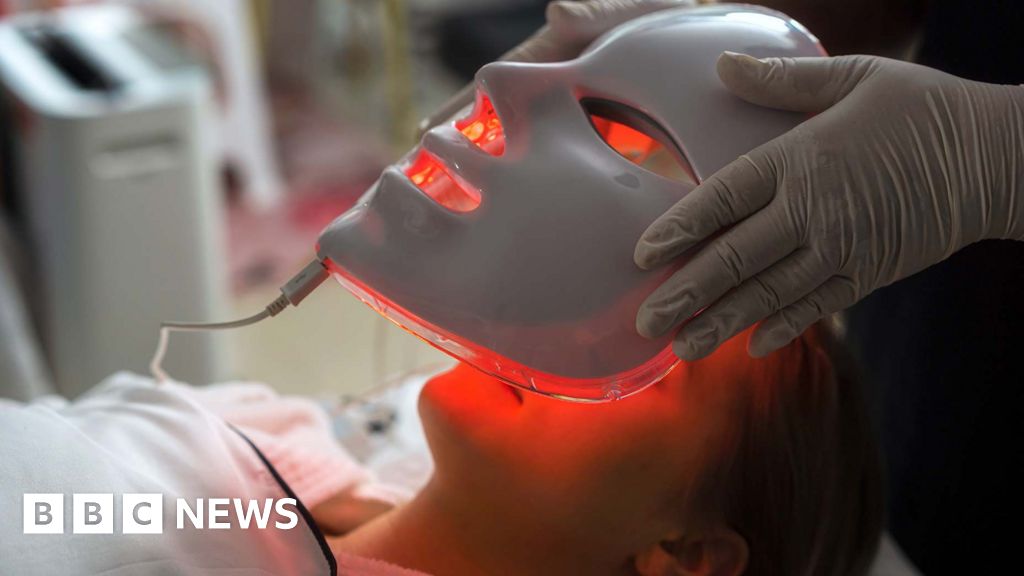
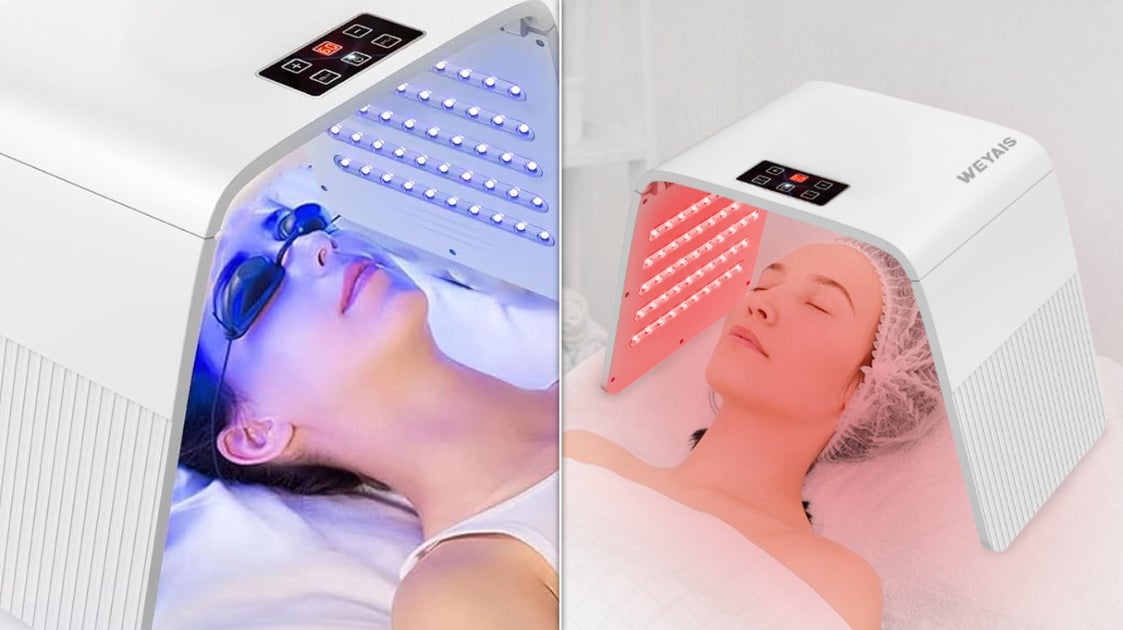
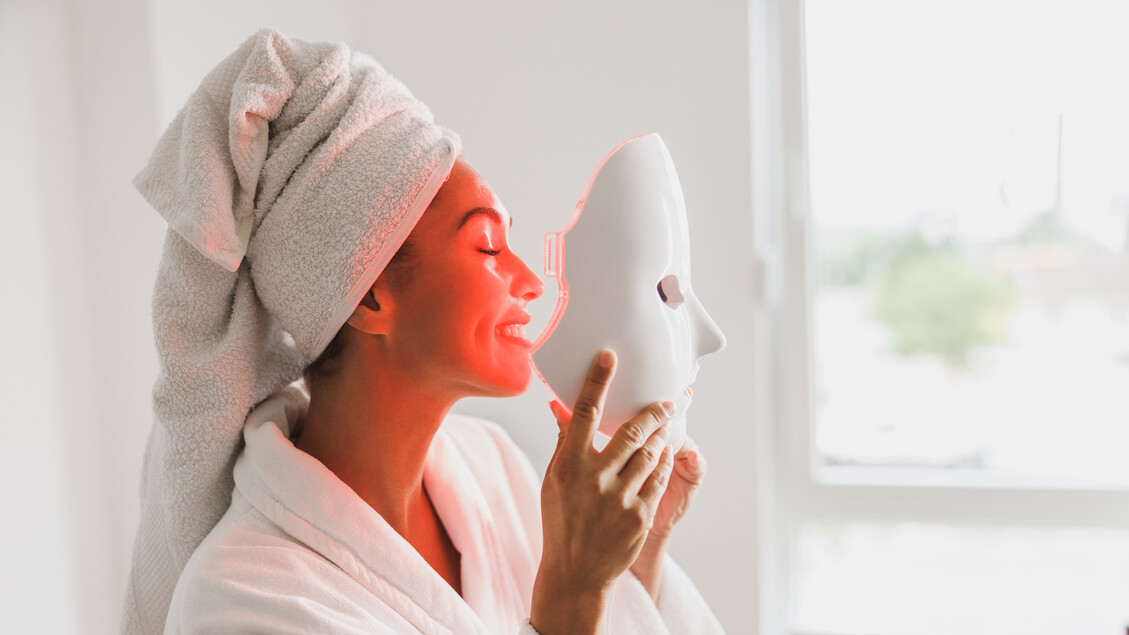
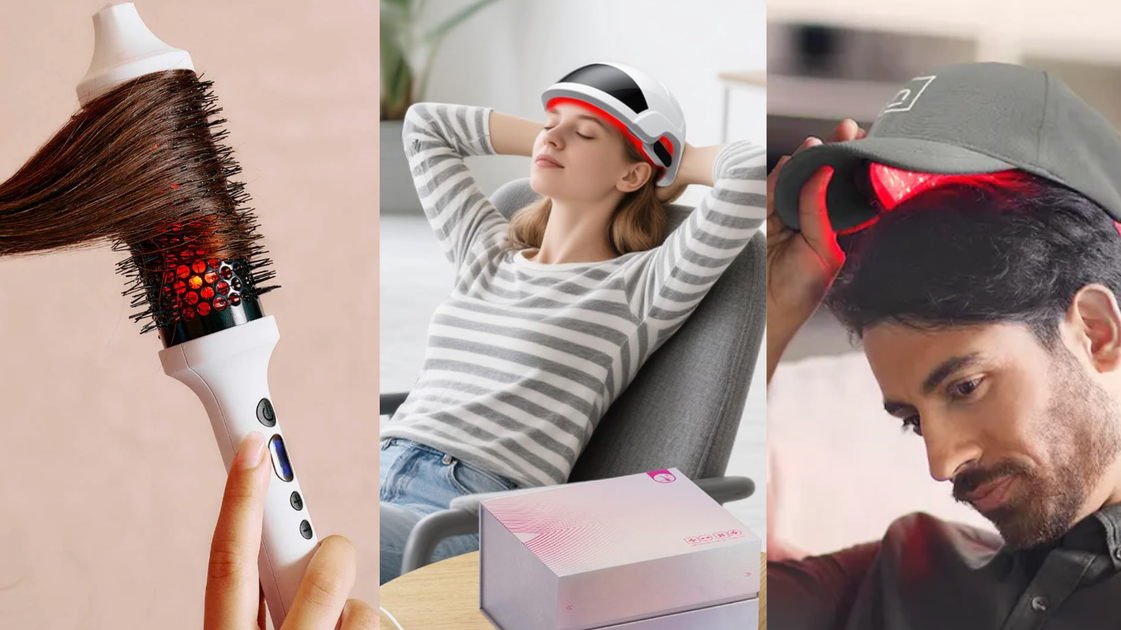
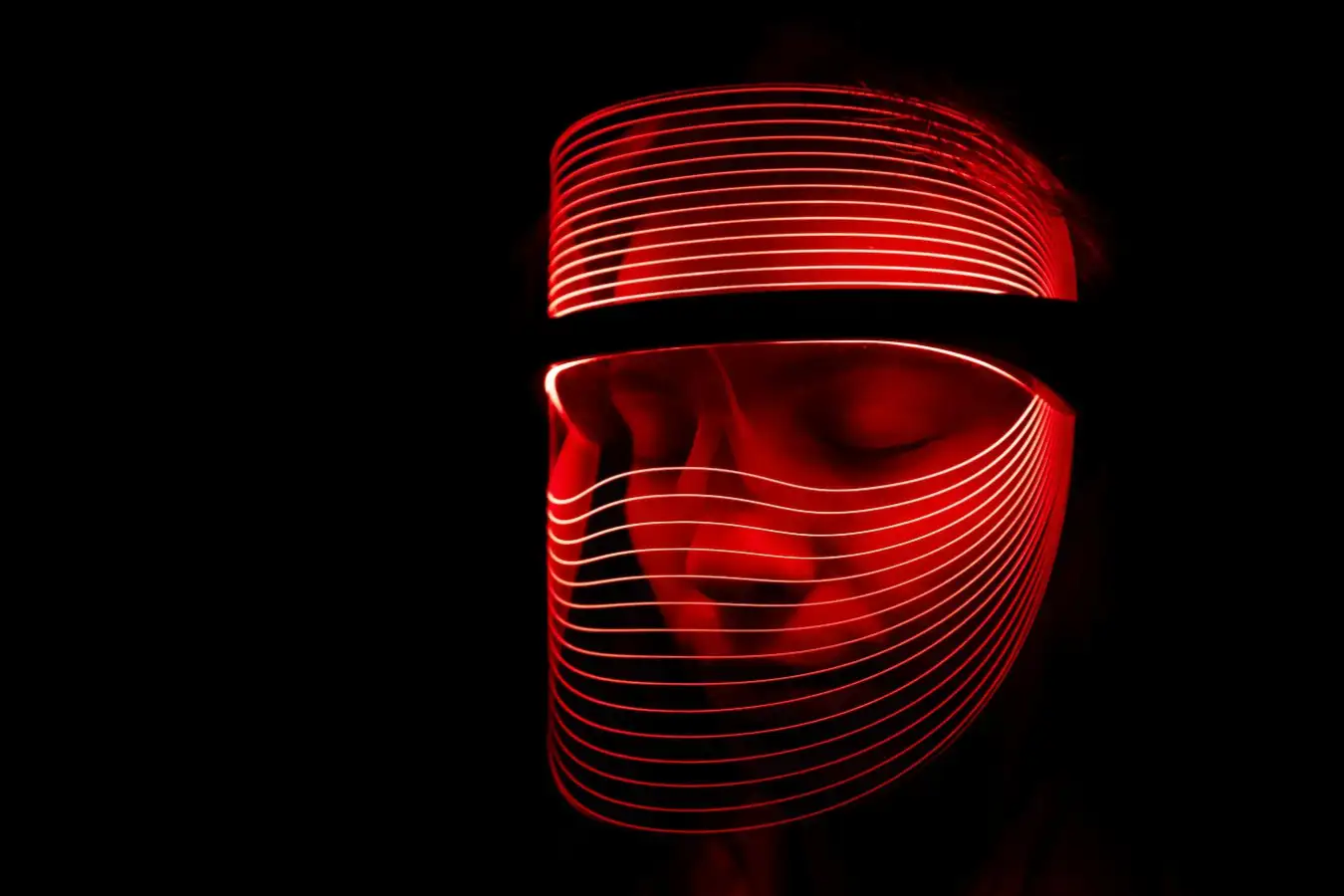
Better sleep, boosted mood, fewer wrinkles – these are just a handful of the supposed benefits of red light, delivered onto your skin via laser or light-emitting diodes (LEDs). Indeed, if the wellness industry is to be believed, simply bathing in a rosy glow for a few minutes a day can cure a whole host of ailments, from hair loss and acne to chronic pain and depression, and that is just scratching the surface.
Given the hype, you would be forgiven for thinking this is just an expensive fad. After all, if something sounds too good to be true, it probably is.
While evidence for most of these claims is thin at best, there is another world of red-light therapy that is far more exciting than the prospect of a glow-up. Emerging evidence finds it may mitigate cognitive decline, and researchers are now trialling the technology for conditions such as Alzheimer’s and Parkinson’s, with many more applications in the pipeline. “It’s slowly starting to get traction,” says John Mitrofanis at the University of Grenoble Alpes in France, who has been working on red-light therapy for 15 years. “When I started, there might have been 10 or 20 publications a year, but now there are thousands.”