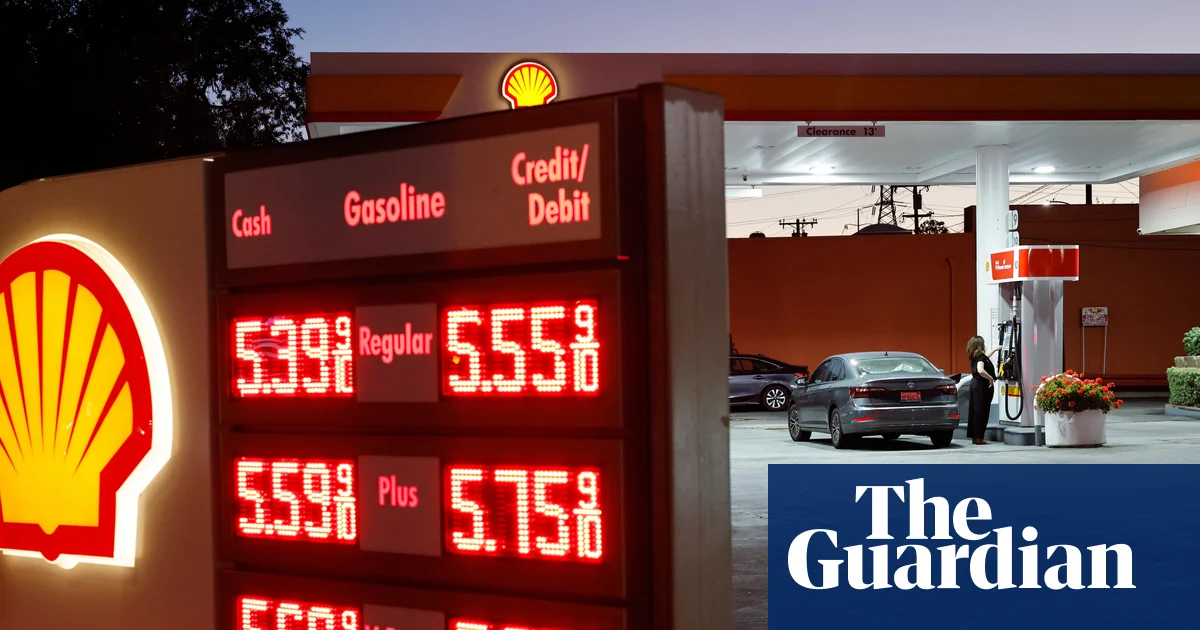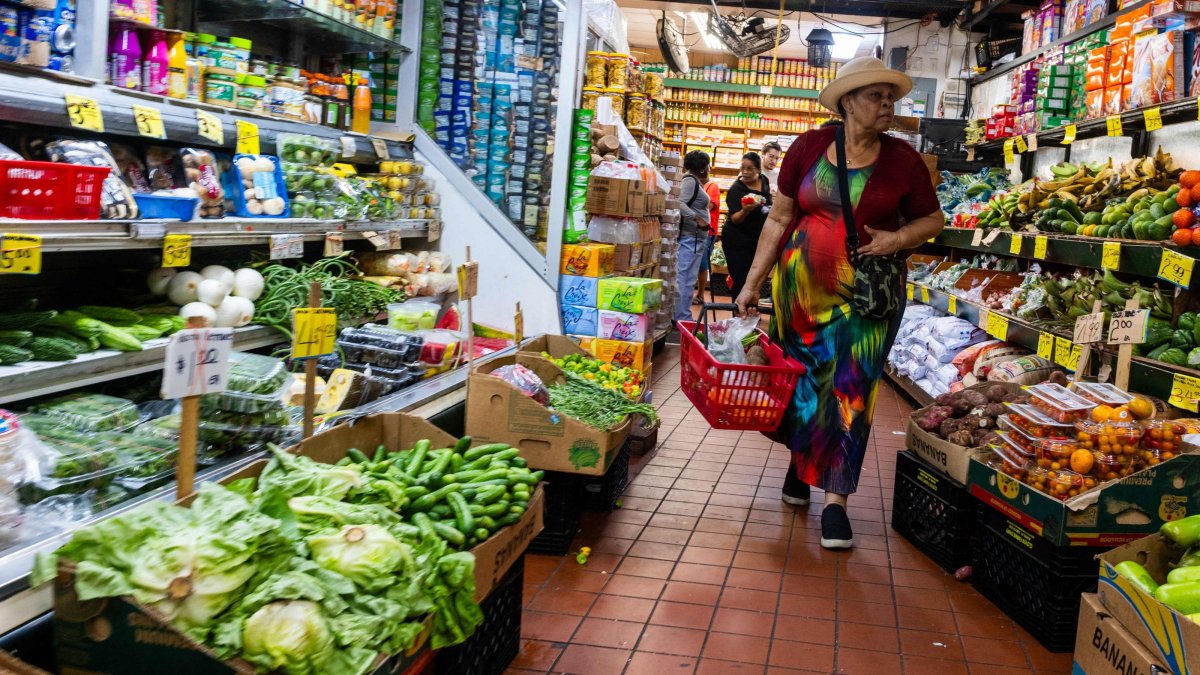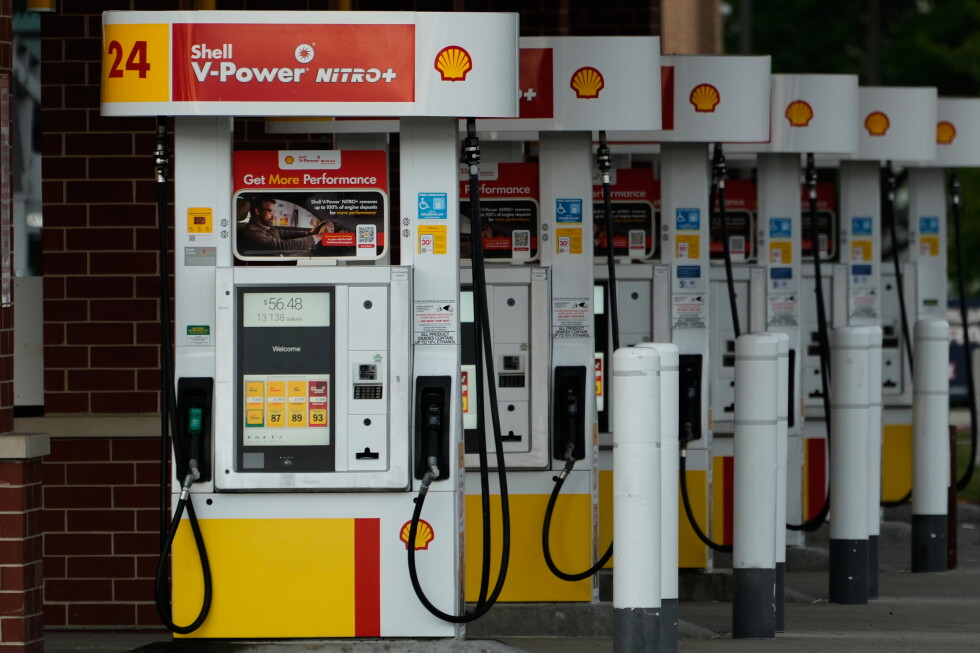
June’s consumer price index report was surprisingly favorable, showing that prices fell 0.4% compared to May, while the annual rate of inflation fell from a recent high of 4.2% year-over-year in May to 3.5% year-over-year in June. That’s a welcome relief from the sharp month-over-month spikes in CPI in March, April, and May, as the Iran war sent prices for oil, gasoline, and related products and services soaring.But at 3.5% year-over-year, annual inflation is still high by recent standards. That is also the same rate at which average hourly earnings grew in June, according to the Bureau of Labor Statistics’ jobs report. Meaning that workers — who are also consumers — are barely getting ahead in this economy right now. Economists pay close attention to a measure called “real earnings,” published concurrently with the monthly CPI. It tracks how much wages are rising after accounting for — or, being eroded by — rising prices. “Your paycheck can increase, but that may not be enough to compensate for the increase in prices, what’s happening to purchasing power,” said former BLS Commissioner Erica Groshen, now a senior economic advisor at Cornell’s School of International and Labor Relations. Workers actually lost purchasing power to inflation — their real earnings turned negative — in April and May. In June, they barely broke even.This wasn’t true when inflation spiked amid labor shortages as the economy emerged from the pandemic, said John Leer, chief economist at Morning Consult. “Wage gains during that period of time outpaced inflation,” he said. “I don’t think right now we’re in that scenario. And so, as price growth takes off, I’m not expecting to see wage growth follow to the same extent.” In fact, over the last 19 months, the pace of average hourly earnings growth has been gradually slowing (falling from 4.2% year-over-year in November 2024 to 3.5% year-over-year in June 2026). Employees of small businesses (those with fewer than 50 workers) are getting even lower wage increases, according to Frank Fiorille, vice president of risk and compliance at payroll processor Paychex.“We’ve seen a suppression of wage growth now for quite some time,” he said. “Below 3% for 20 consecutive months.” Groshen suggested a few reasons for the overall downtrend. “Even though the unemployment rate is fairly low,” she said, “there are fewer people changing jobs. And one of the ways that people increase their earnings is by getting a new job.” The quits rate has hovered at 1.9% in recent months, among the lowest levels seen in more than a decade (excepting the onset of the pandemic). Paychex reports that the wage premium for job-leavers versus job-stayers was just over 5% in the first half of 2026. It was over 10% back in 2022.And why is there so little quitting — so little “job churn” right now? “People are feeling uncertain, and that financial risk just feels a little too great,” said Keith Spencer, career expert at Resume Now, which recently reported on what it calls “career gridlock” in the labor market. “A lot of people think,” Spencer said, “if I have a sure thing right now — though I might be unhappy, though I might feel undercompensated — I don’t necessarily want to risk going somewhere else, where it is often last hired, first fired.”Groshen also pointed out that the current “low-hire, low-fire” economy helps employers. “They’re hanging onto their workers,” she said. “And that decreases pressure on employers. They don’t have to hire new workers that they might have to pay more to come on board.” But here’s the thing: Even though rising prices have eroded workers’ purchasing power and sent real earnings into the red in some recent months, consumer spending has held up pretty well. How does that work? Leer said that for necessities like gasoline, consumers have just rolled with the higher prices. They really have no choice. Spending on discretionary items, especially by lower- and middle-income consumers, has shifted or been put on credit cards. “We have a consumer that has learned the lessons of energy shocks and elevated prices,” Leer said. “I think they’re more adaptive. Folks are trading down to cheaper alternatives.” But, he pointed out, not everyone has to. “We haven’t seen a dramatic pullback among upper-income adults,” Leer said. “You see it on the travel front: Travel spending remains really robust. The airlines say premium routes are still fully booked. Folks who have some ability to withstand this period of elevated price uncertainty are able to make it out to the other side relatively unscathed.” Groshen said that by contrast with the post-pandemic recovery, when low-wage workers got outsized wage gains amid acute labor shortages in manual and in-person occupations, “now we’re back to a period where the wages are rising most rapidly for people at the top,” she said.The wealthiest consumers also have other sources of revenue to maintain robust spending. “They own equities, have large portfolios of bonds, stocks, commodities, and other financial derivatives, own one or more houses.” said Joe Brusuelas, chief economist and principal at consulting firm RSM. “That upper 20% of American earners drive anywhere between 36% and 57% of all consumer spending.” Brusuelas said this is creating “a very strong economy — but one that increasingly over time becomes dependent upon that top 20%.”
What happens when wages grow at the same rate as inflation
Even with the latest decline in inflation, real earnings have stagnated over the past year.
881 words~4 min read