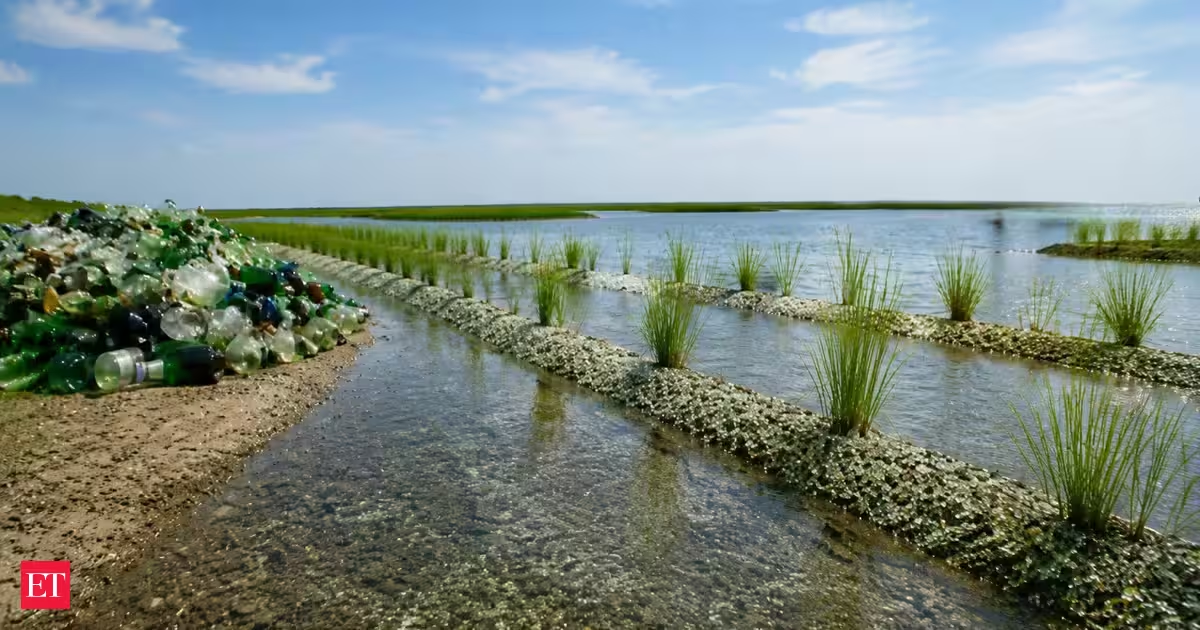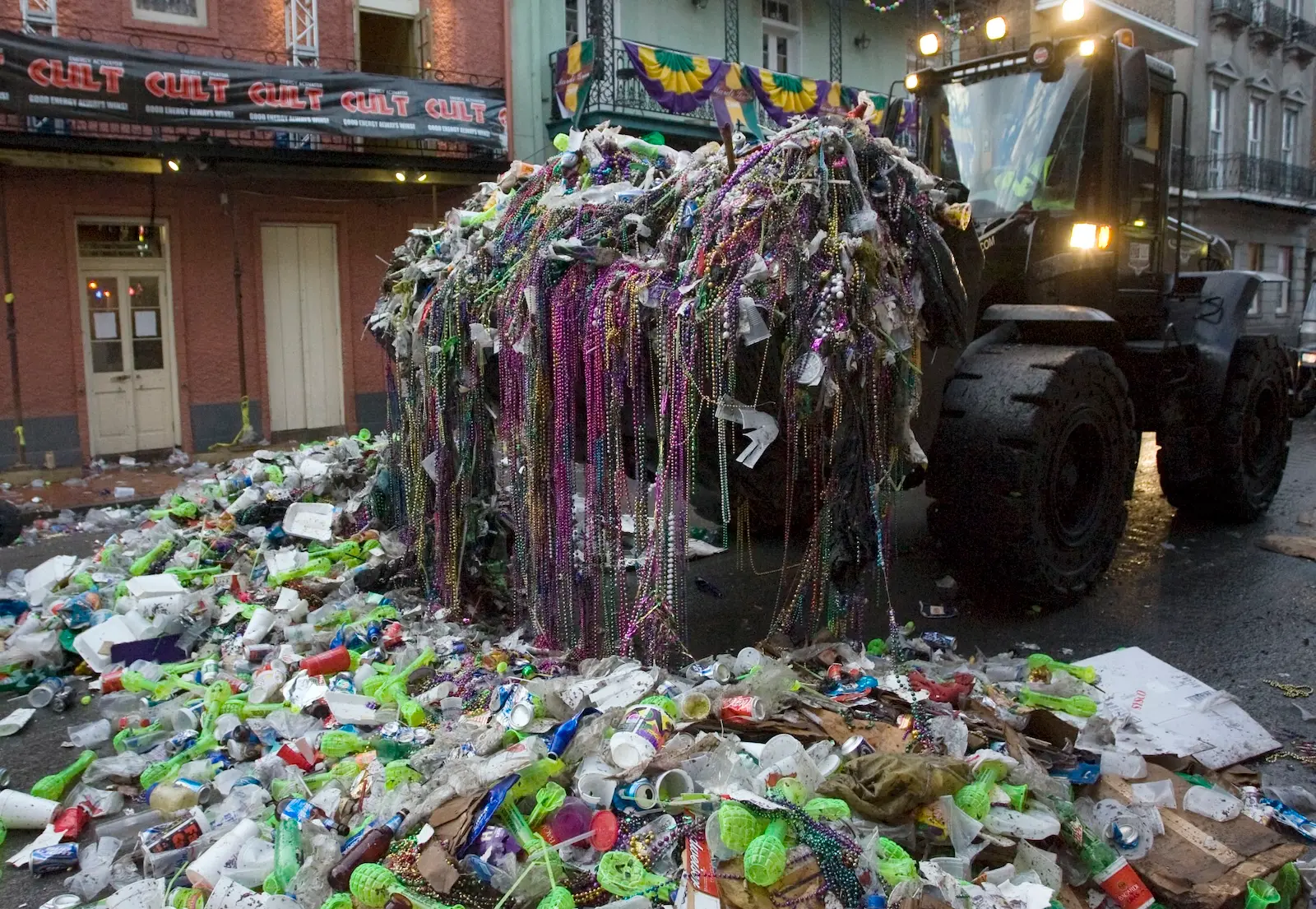
A New Orleans based nonprofit, Glass Half Full, collects glass from bars, restaurants, and drop-off sites, recycling it into new bottles and fine silica sand.The recycled sand is used by ReCoast, the nonprofit’s restoration arm, to restore land by building small experimental islands and berms.Louisiana loses roughly a football field of land to the sea every hour, a crisis that Glass Half Full’s young founder, Franziska Trautmann, describes as a looming threat.Early results from the glass sand restoration is promising: vegetation is returning, sediment is sticking, and wildlife is moving in; but the work is constrained by two bottlenecks: not enough glass, and not enough funding.
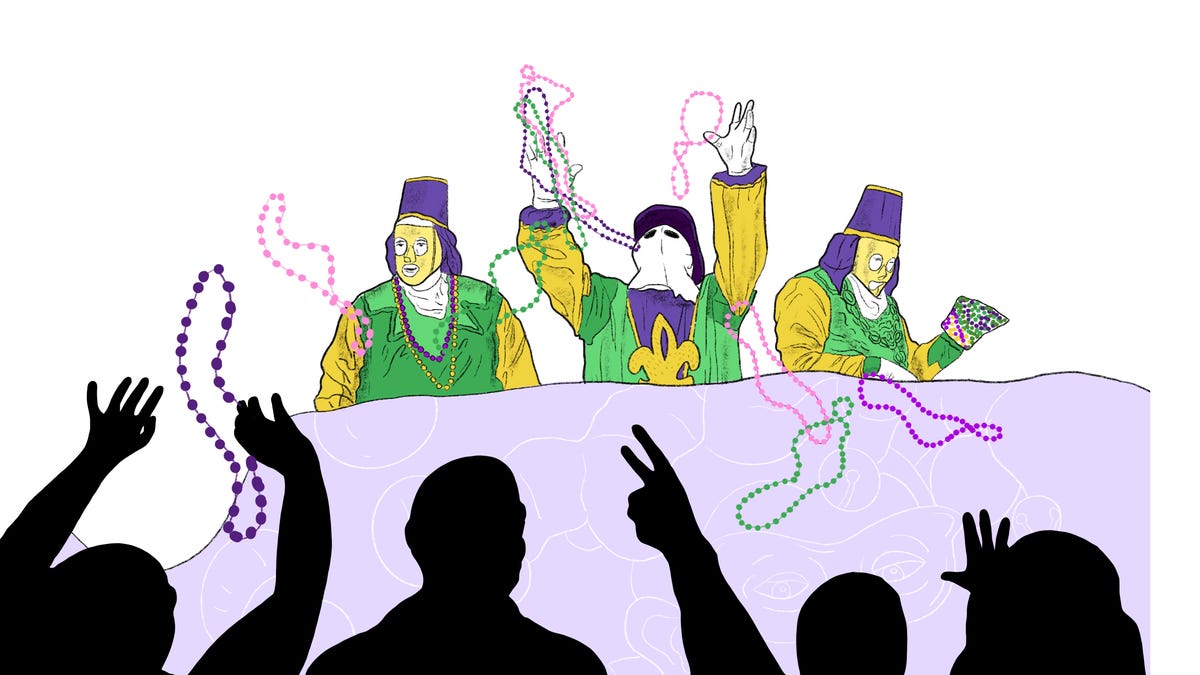
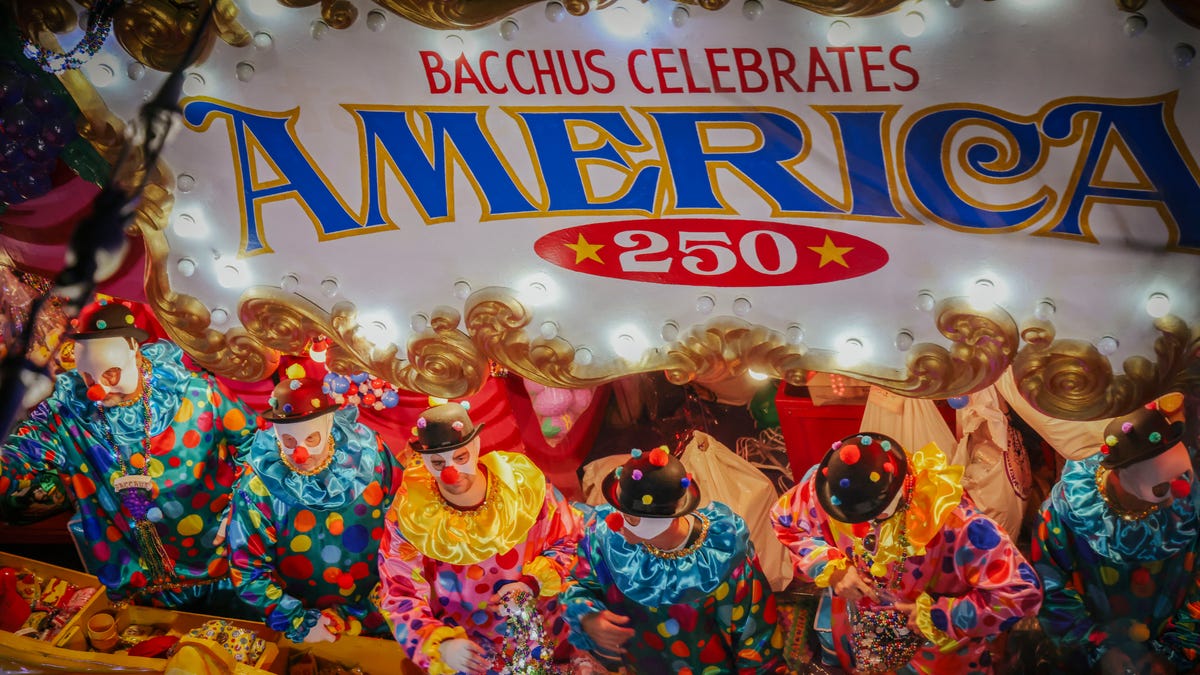
NEW ORLEANS, U.S. — On a cold Saturday in late January, a parade floats rolls down Royal Street painted with the image of the Louisiana coastline, eroding away. The next float displays Lady Liberty gagged and locked behind a chain-link fence.
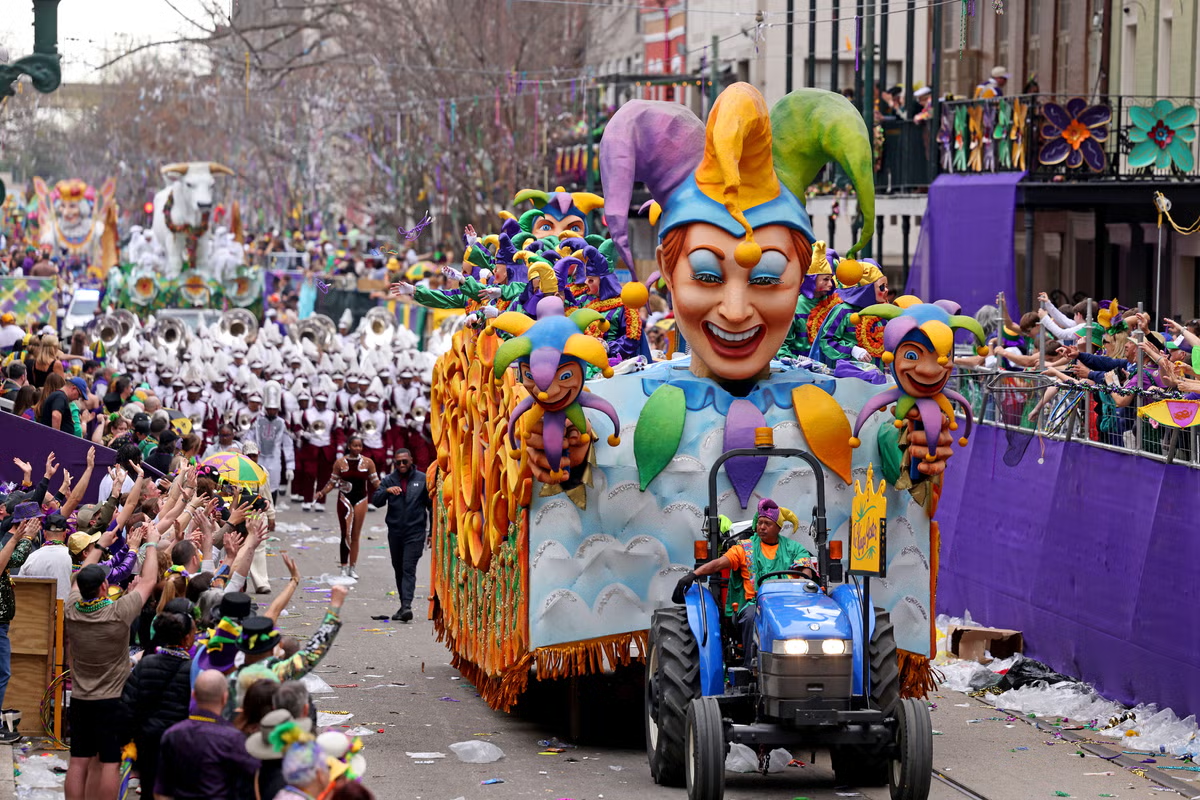
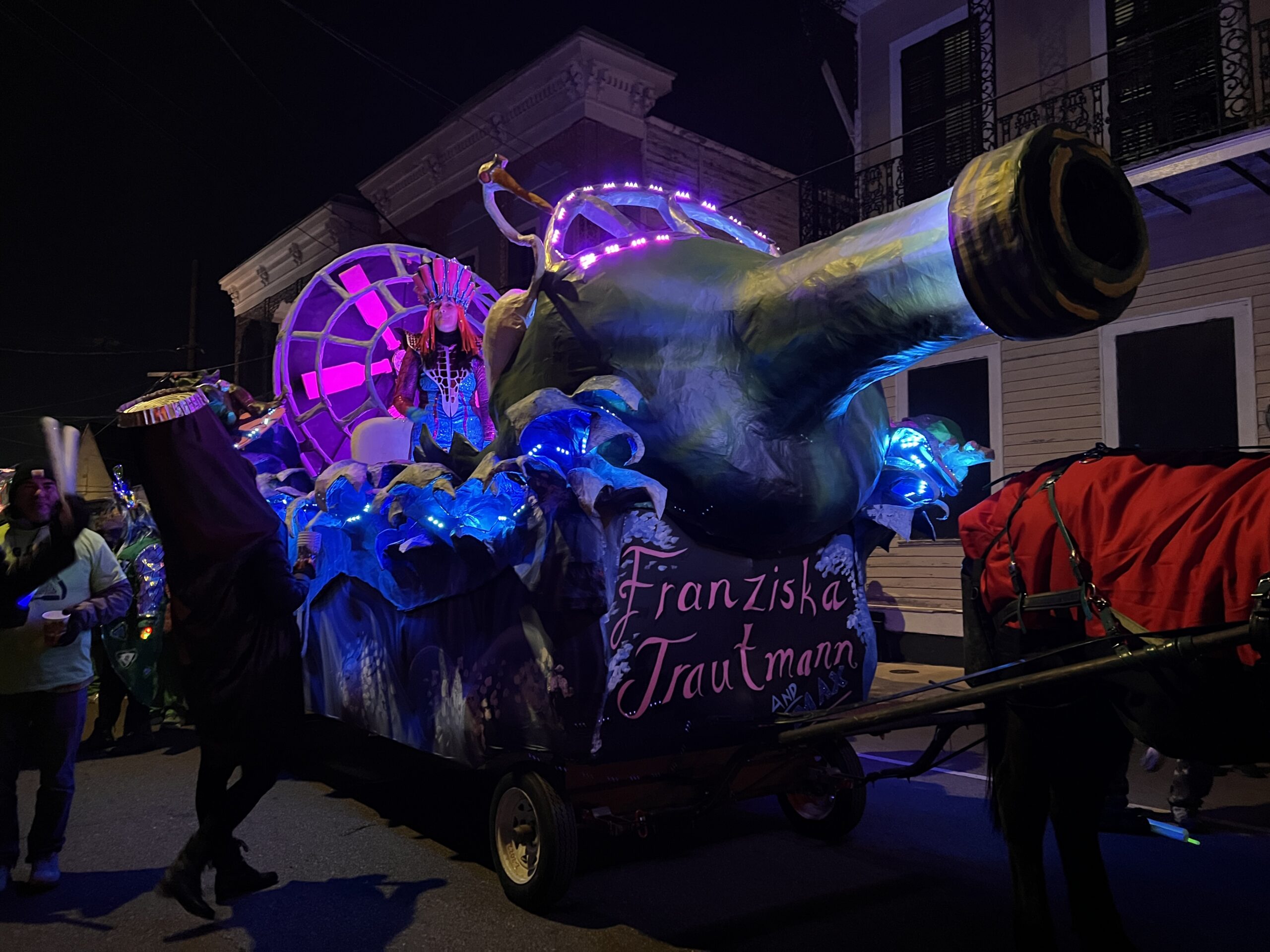
This is Krewe du Vieux, the raunchy, mule-drawn satirical parade that has rolled through New Orleans’ French Quarter for 40 years, making political jokes few others dare to make in public. Its 2026 theme is “Save the Wet Glands,” a play on “save the wetlands.”
This year’s Krewe du Vieux Queen is Franziska Trautmann, the pink-haired co-founder and CEO of Glass Half Full, a nonprofit that takes the city’s glass bottles and turns them into sand used to rebuild Louisiana’s dwindling coast.