More than a century ago, Czech writer Karel Čapek invented the word “robot” for his play R.U.R., Rossum’s Universal Robots, about a factory that churned out humanoid machines whose mission was to liberate real people from work. Instead, the robots fomented a rebellion and killed off the human race.
Some version of this tale has played out in dozens of books and movies ever since. Now, with the runaway expansion of artificial intelligence (AI) and the data centers needed to feed its insatiable maw, we will have the dubious privilege of seeing if life imitates art.
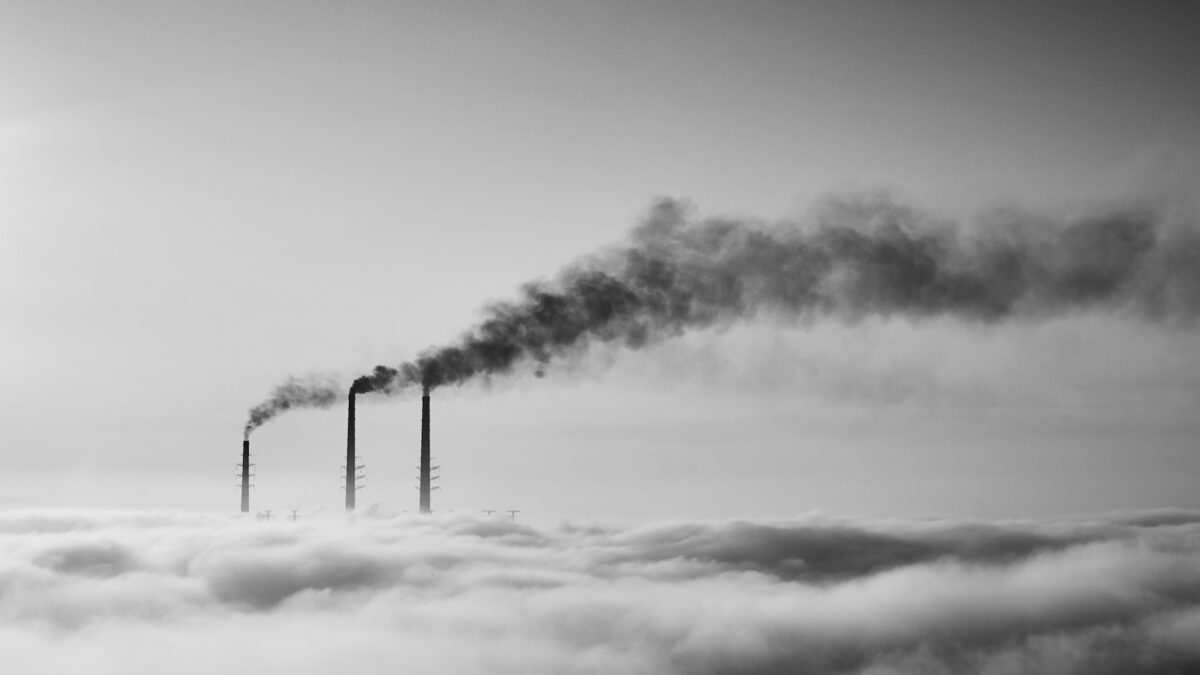
Yet, if the AI data center buildout continues to be powered by fossil fuels, killer robots will be the least of our worries. The same companies that pioneered the first sustainable energy commitments in the aughts are now driving the biggest climate bomb since the advent of fracking.
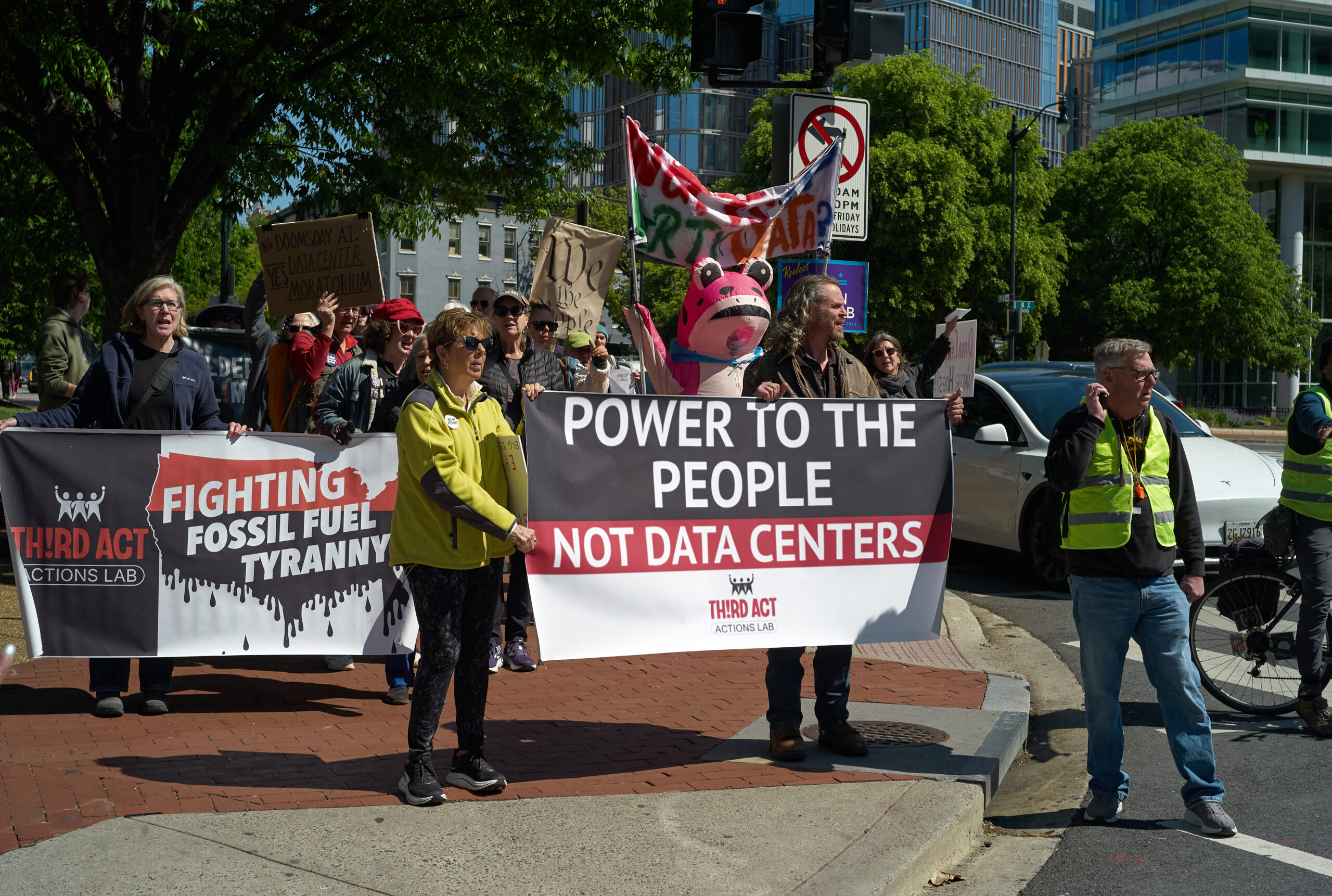
With the urgent local impacts of AI data centers on communities driving the headlines — skyrocketing energy bills, air and noise pollution, obscene water use — the impact of runaway AI on the climate is easy to miss. But in the aftermath of a heat wave in Europe that killed at least 1,300 people, and a Fourth of July weekend where Americans themselves were BBQed in record-breaking heat, including at least 25 confirmed deaths, we have to look at AI from one more angle: a global climate challenge.