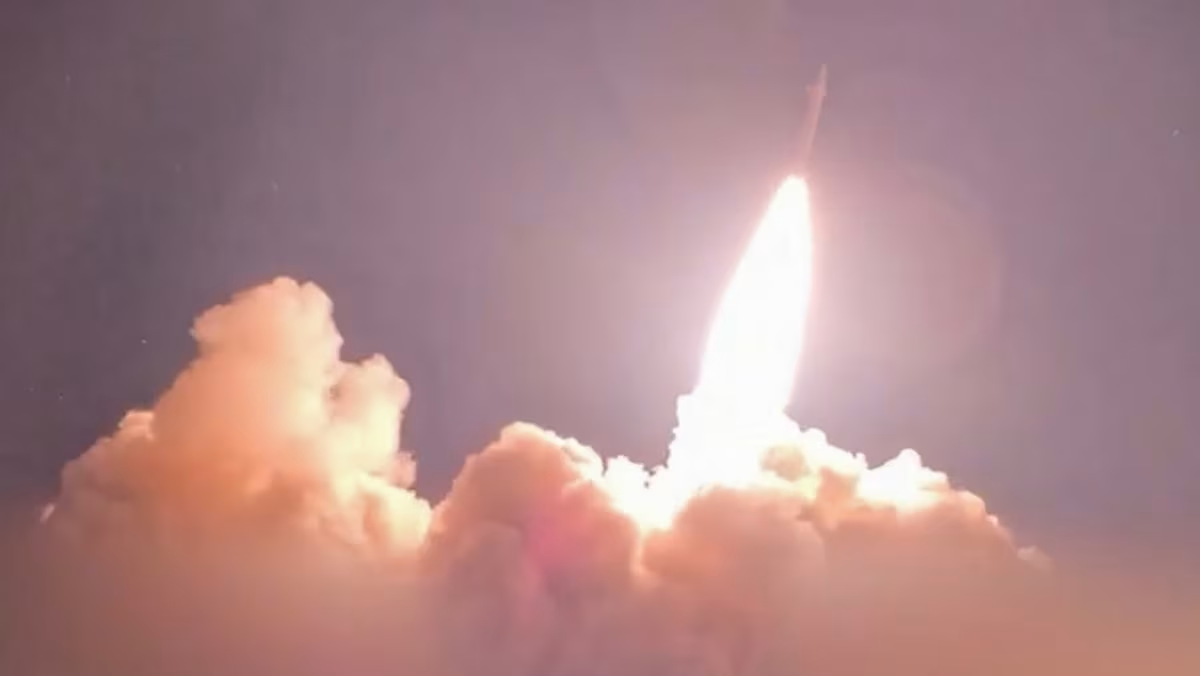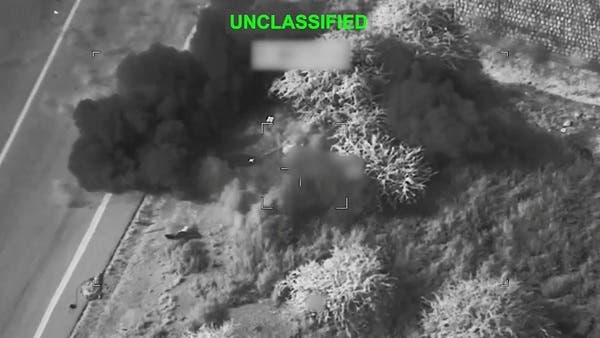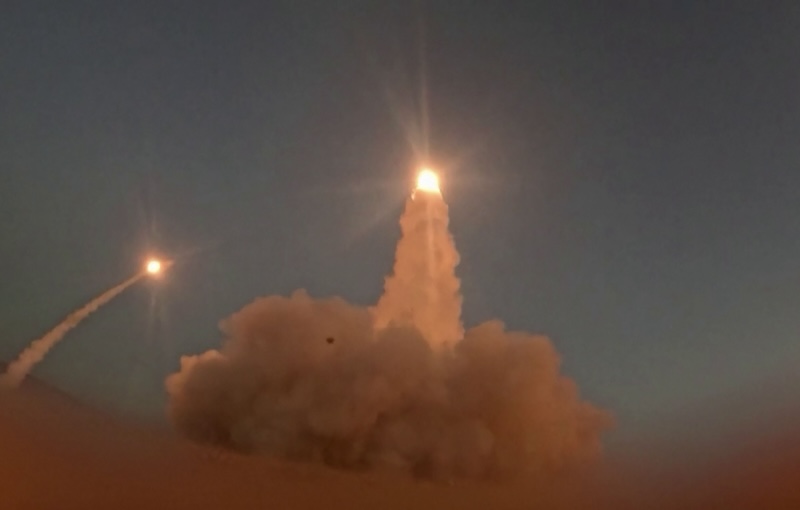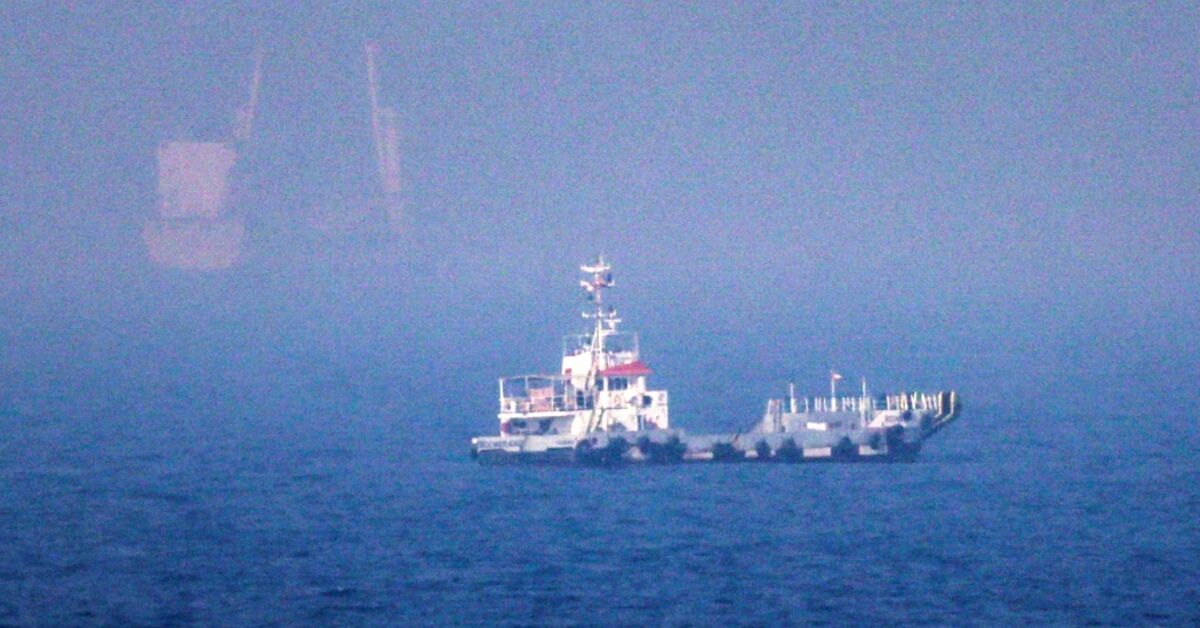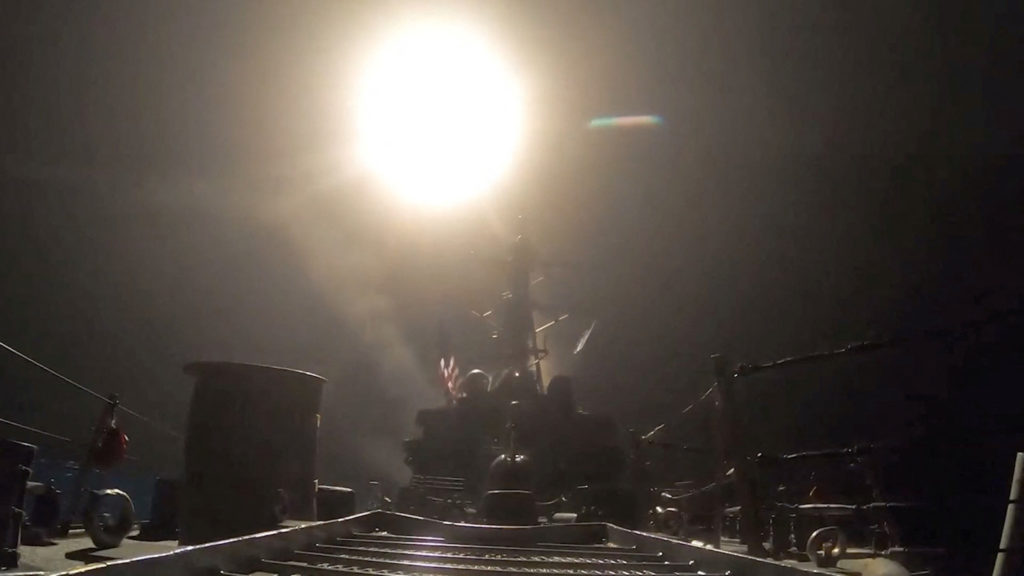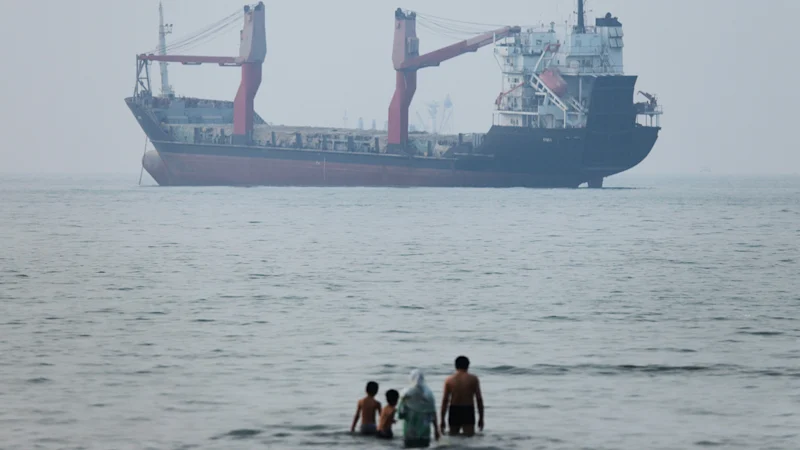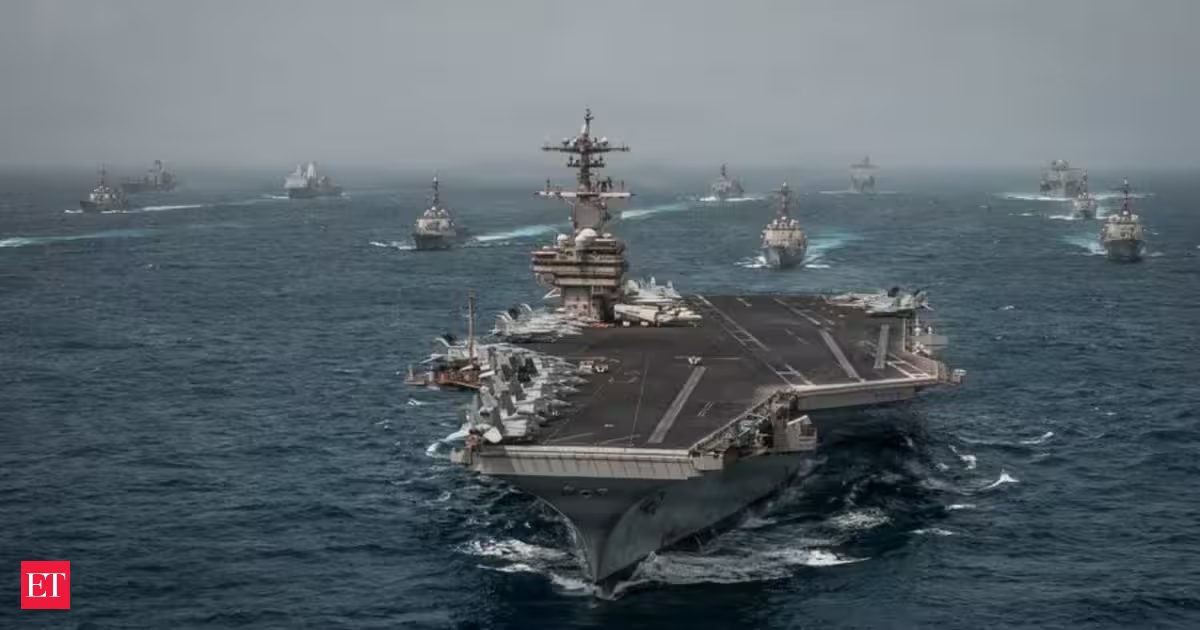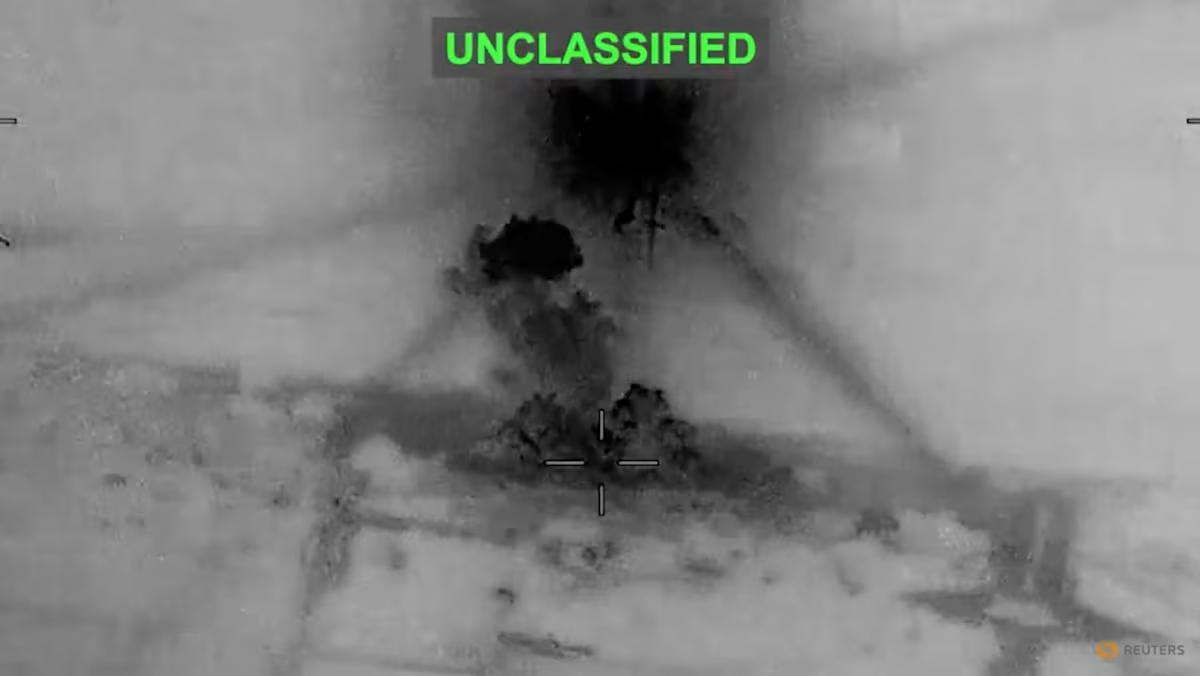
Dubai: Iran and the United States exchanged intensified fire on Thursday in a week-long escalation that has all but torn up last month's truce, though Iran's release of a US citizen pointed towards a path to avert the resumption of all-out war. For the first time since a memorandum of understanding paused fighting last month, the United States launched two big waves of air strikes in a single day on Wednesday, mostly on targets near the coast in southern Iran.Iran responded with missiles and drones fired at US military bases in neighbouring countries, including a major barrage at a recently expanded air base in Jordan.After Tehran resumed its blockade of the Gulf through the Strait of Hormuz, Washington again blockaded Iranian ports from Wednesday. The US military said it fired on a tanker near Iran's Kharg Island, with Hellfire missiles hitting its smokestack. For one of its next moves, Iran has signalled it could prod its Houthi allies in Yemen to close another key strait: the Bab al-Mandeb at the mouth of the Red Sea. Sources said Iran had already told the Houthis to shut it if Washington carries out threats to attack Iran's infrastructure. The week of increasingly intense fire has tested the limits of escalation that both sides set during four months of fighting before last month's truce. But as the attacks unfurled, US President Donald Trump hailed the release of a US citizen in Iran as a "gesture of goodwill".Human rights lawyer Jared Genser identified her as Dena Karari, who he said had been "trapped in Iran since December 2024 on bogus charges" and was "now safe and traveling back to the United States". There was no comment from Iran on the case. Over decades of confrontation, the release of US citizens held in Iran has been managed through behind-the-scenes contacts that persisted when formal diplomacy was cut off.SHIPPING HALTED AGAIN The re-escalation has once again largely halted traffic through Hormuz, the world's most important shipping route for oil and gas, pushing up global energy prices. Iran triggered the renewed fighting last week by striking ships moving through a corridor in the strait, provoking a dangerous fire on board a Qatari tanker filled with liquefied natural gas.Iranian sources said that Tehran's aim was to establish its authority over the strait, although otherwise Tehran is not keen on a wider escalation that would torpedo June's preliminary deal, which it still regards as giving it most of what it sought.
Iran, US intensify attacks as hostage release offers hope of de-escalation
Iran and the United States exchanged intensified fire, testing truce limits. The US launched air strikes on southern Iran, and Iran responded with missiles. Washington blockaded Iranian ports after Iran resumed its Strait of Hormuz blockade. Shipping traffic through Hormuz has largely halted, pushing up energy prices. A US citizen's release offered a potential path to avert wider conflict.
411 words~2 min read