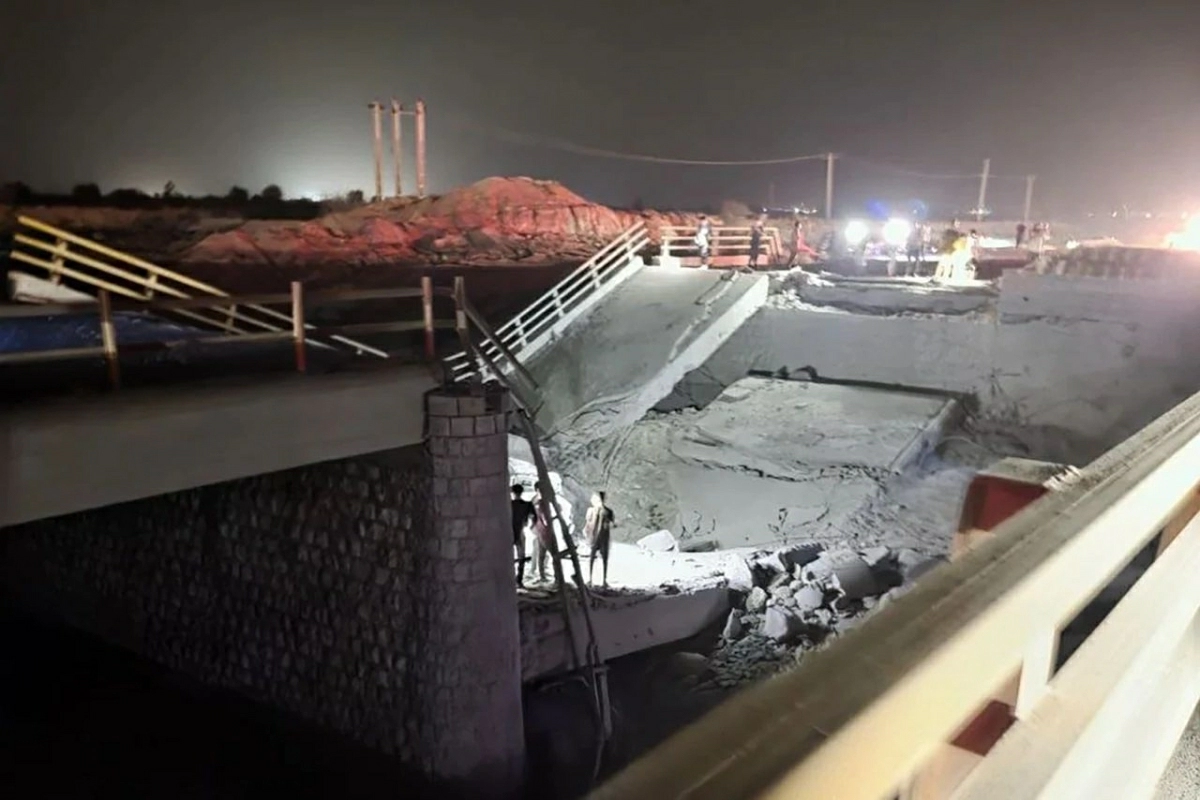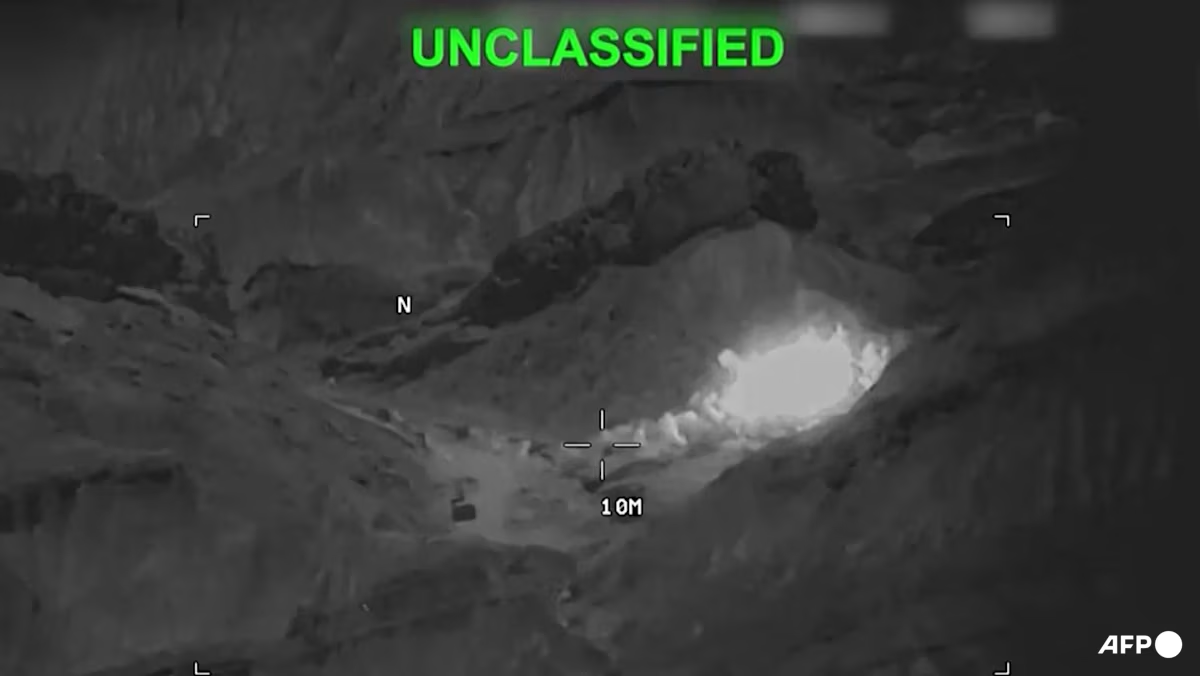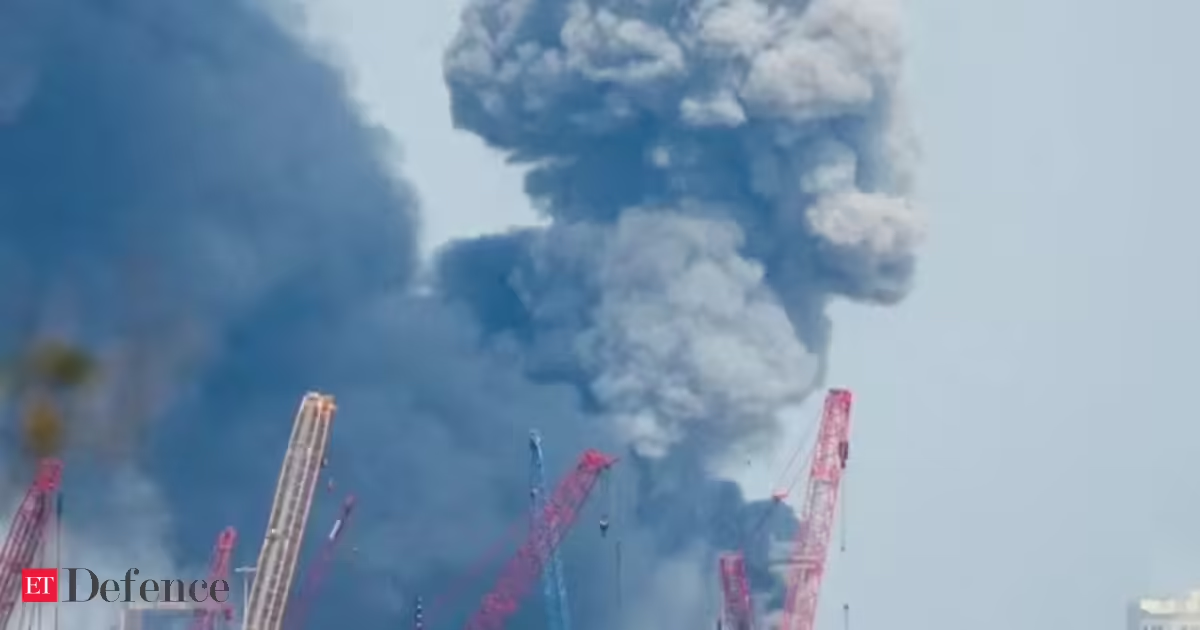
The conflict between the United States and Iran intensified for a sixth consecutive night as US forces launched fresh strikes on Iranian military targets, while Tehran expanded drone and missile attacks across the Gulf. The UAE strongly condemned strikes targeting Bahrain, Kuwait and Jordan, as Kuwait activated its air defences. Qatar denied reports it had agreed to military action against Iran, while Dubai authorities rejected false claims of explosions in Downtown Dubai and warned of action against those spreading misinformation. Follow this live blog for the latest developments:10:46 AM, 17 July 2026We are closing this coverage now. For the latest updates, click here.06:14 AM, 17 July 2026'Unbreakable red line': Iran warns US over Strait of Hormuz, threatens region-wide retaliation
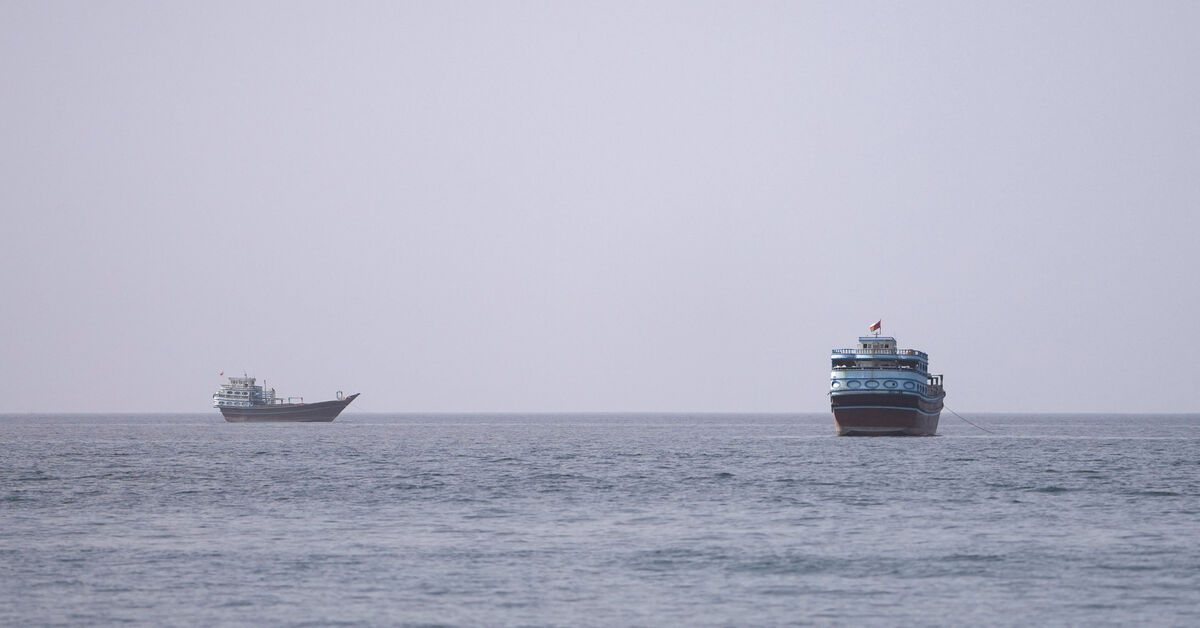
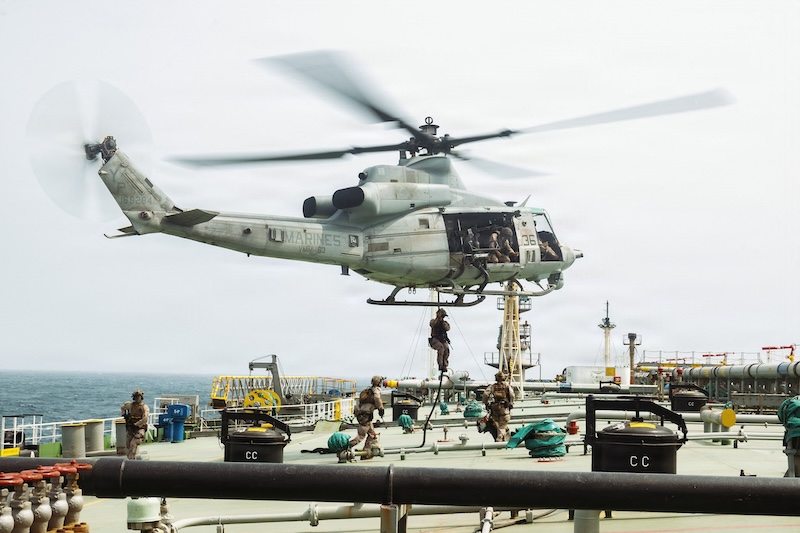
Iran has declared the Strait of Hormuz an "unbreakable red line," warning it will never allow the US to interfere with the strategic waterway as Washington expands its military campaign in the Gulf and considers broader strikes on Iranian infrastructure. Brig. Gen. Ebrahim Zolfaghari, spokesperson for Iran's central military command, said Tehran would act decisively against any attempt by the United States to challenge its position in the Strait of Hormuz, one of the world's most critical energy corridors. "Under no circumstances will we permit the United States to interfere with the Strait of Hormuz. This is Iran's unbreakable red line," Zolfaghari said in televised remarks.He also warned that Iran's armed forces would target "all infrastructure throughout the region" if President Donald Trump follows through on threats to strike Iranian civilian or energy infrastructure.The warning comes as the US has intensified military operations against Iran, conducting near-daily strikes on missile sites, radar installations and IRGC positions around Hormuz while enforcing a naval blockade on vessels entering or leaving Iranian ports.06:10 AM, 17 July 2026Oil price rally pauses: Crude rates ease as traders weigh Iran risks vs supply outlook Oil prices edged lower Friday as traders paused after weeks of heightened volatility, weighing the risk of further escalation in the US-Iran conflict against signs that global crude supplies remain sufficient to prevent a sustained price spike.Market data showed Brent crude, the international benchmark, trading at $84.69 a barrel, down 31 cents (0.31%), while West Texas Intermediate (WTI) fell 11 cents (0.14%) to $79.49, as of 10.55am Tokyo on Friday (July 17).Murban crude, the benchmark produced by Abu Dhabi National Oil Co. and widely used by Asian refiners, posted the steepest decline, falling 4.13% to $78.55. U.S. natural gas futures also slipped 0.62% to $2.906 per million British thermal units.The modest pullback comes despite continued military tensions in the Middle East, where the United States has expanded operations against Iran, including reported strikes on transport infrastructure and the enforcement of a naval blockade aimed at restricting Iranian oil exports.05:56 AM, 17 July 2026Trump 'open to diplomacy'