Show Caption
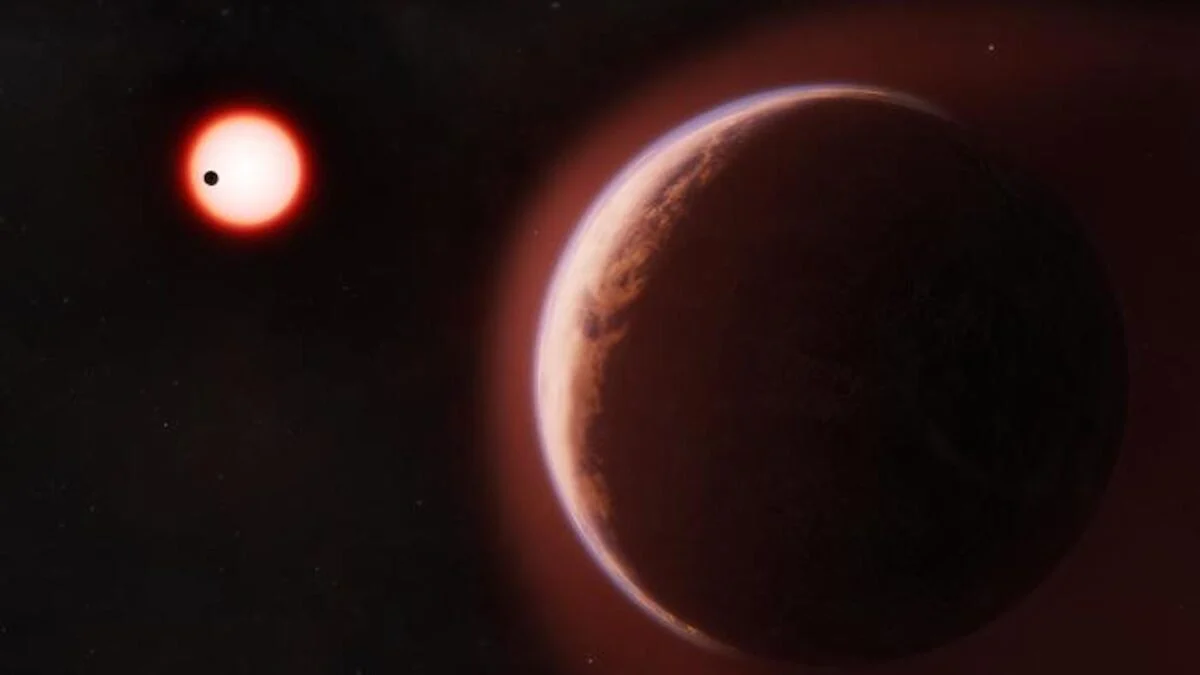
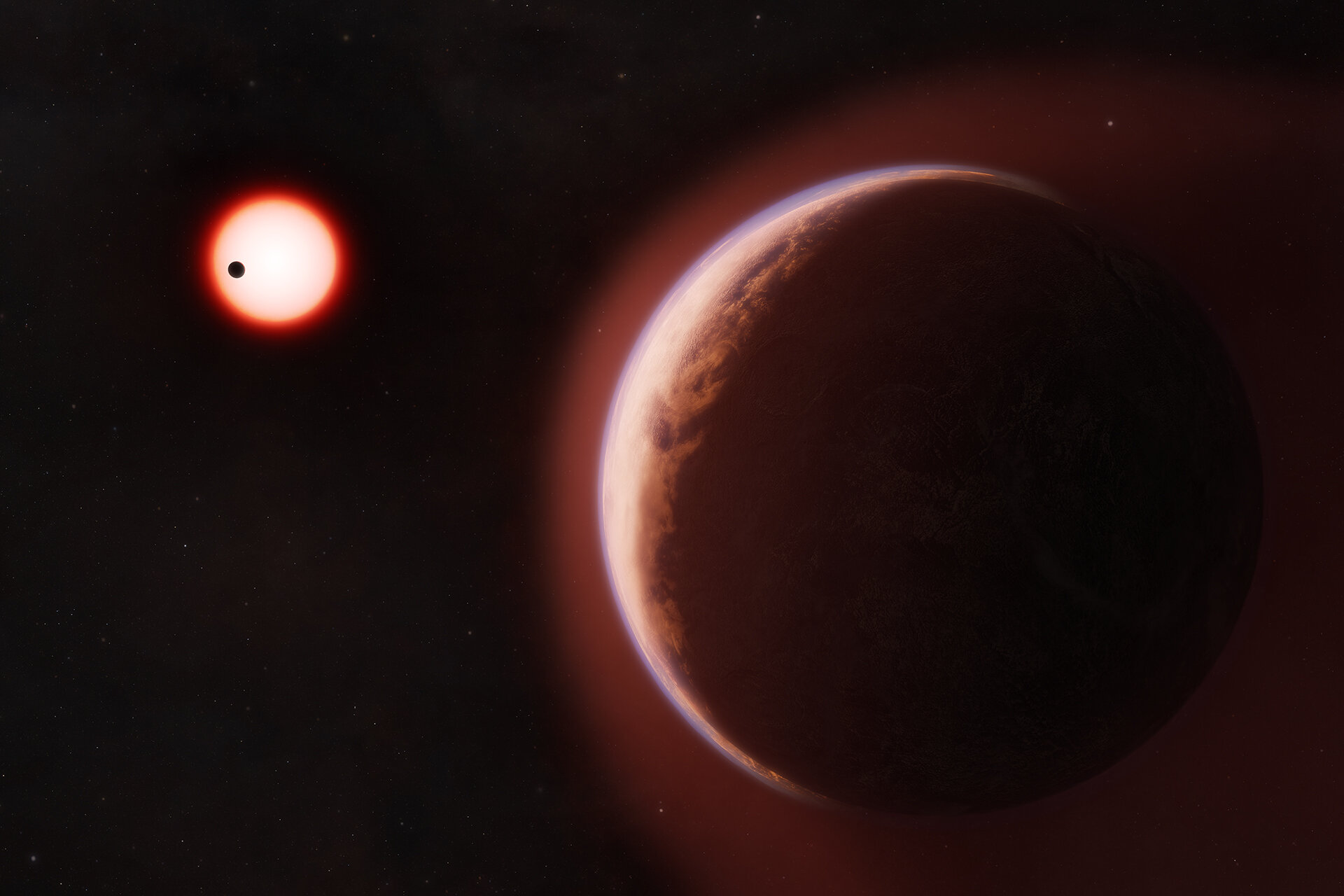
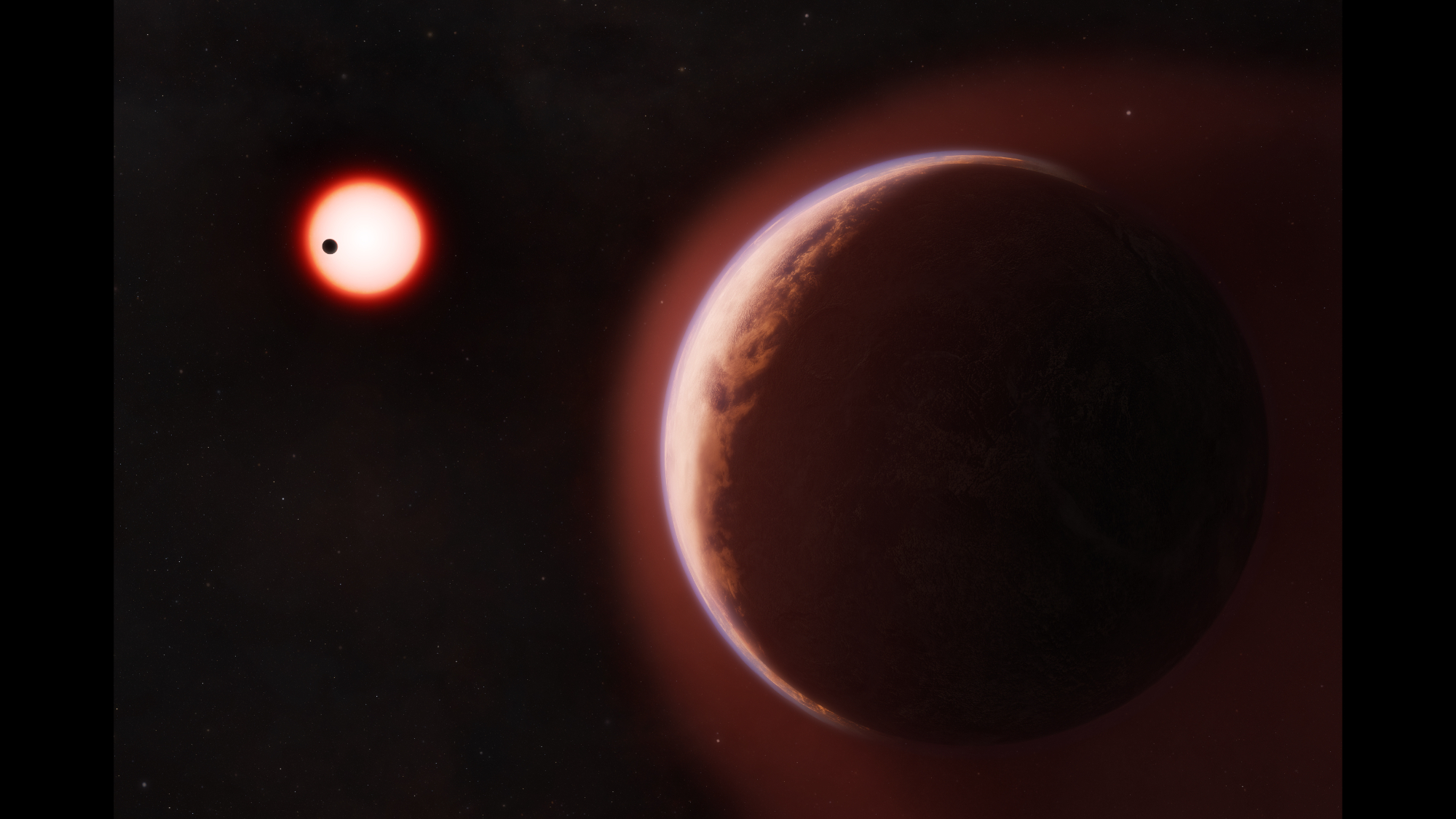
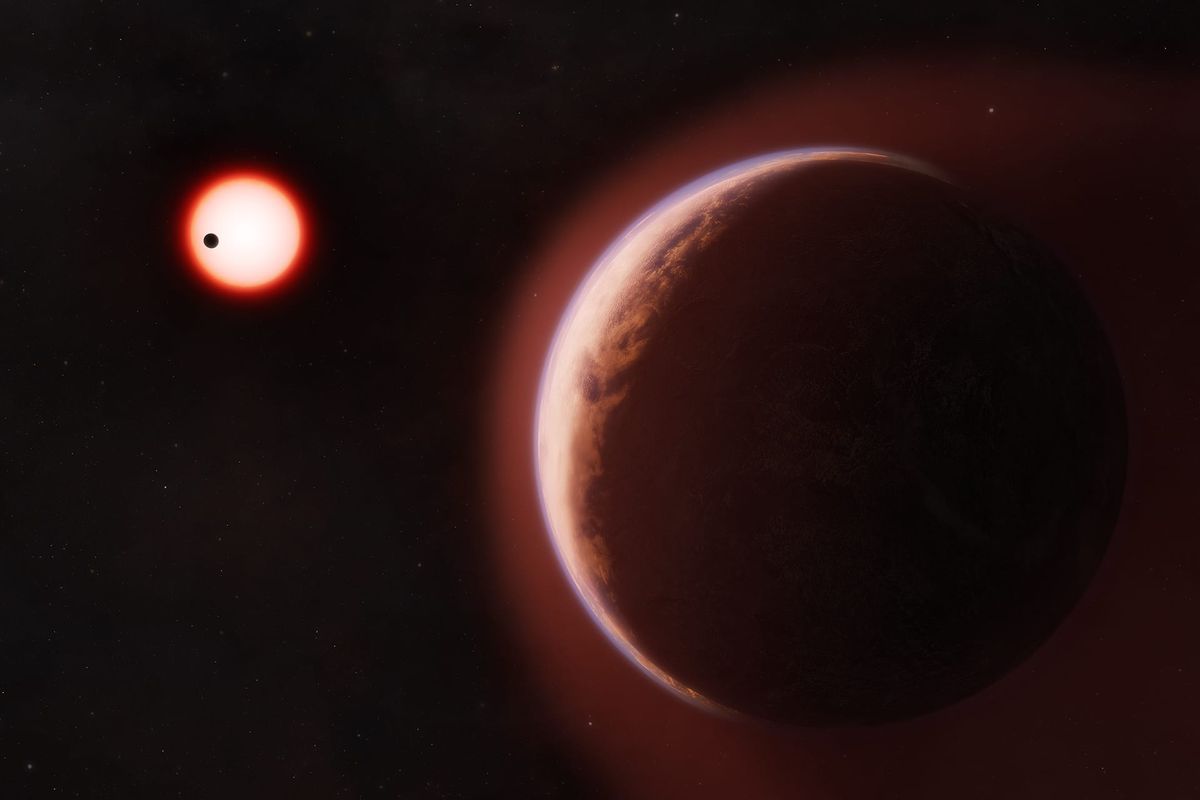
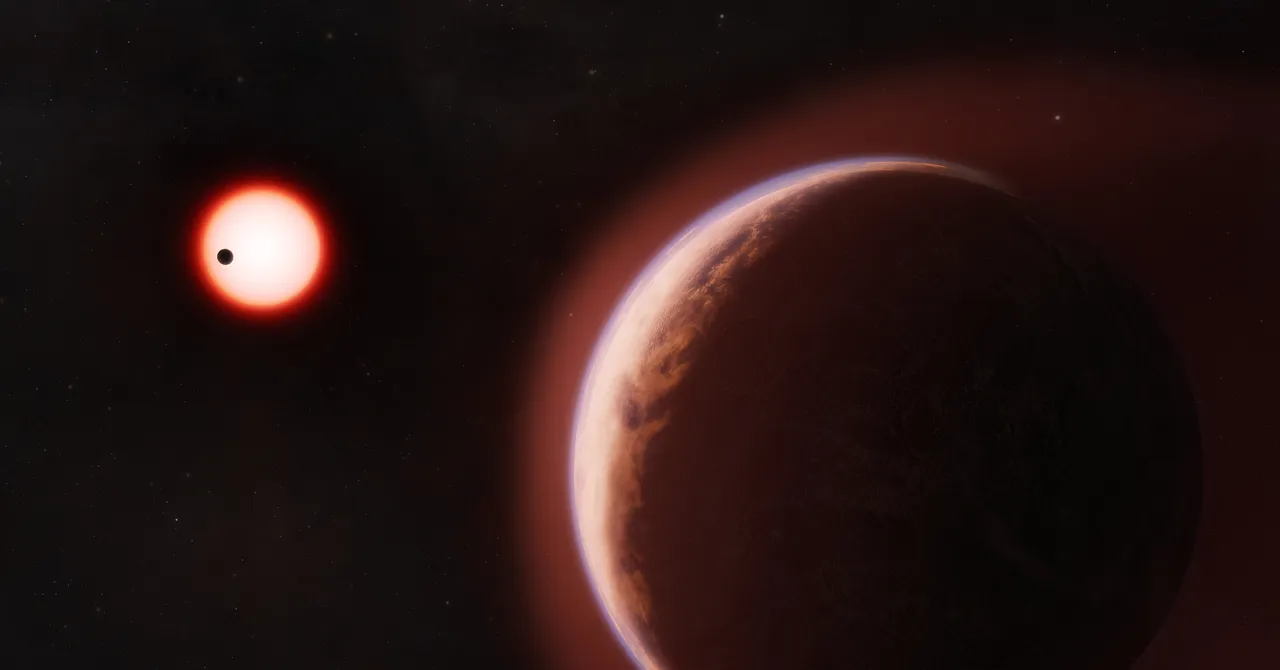
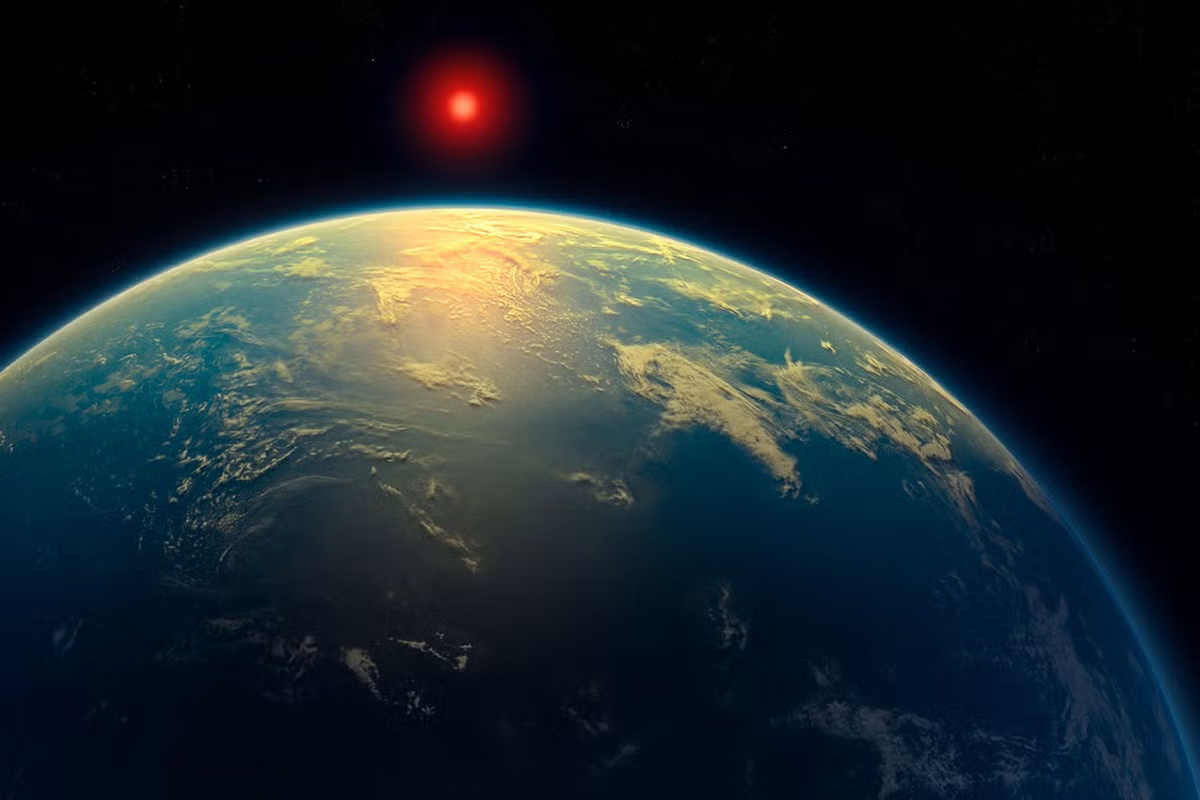
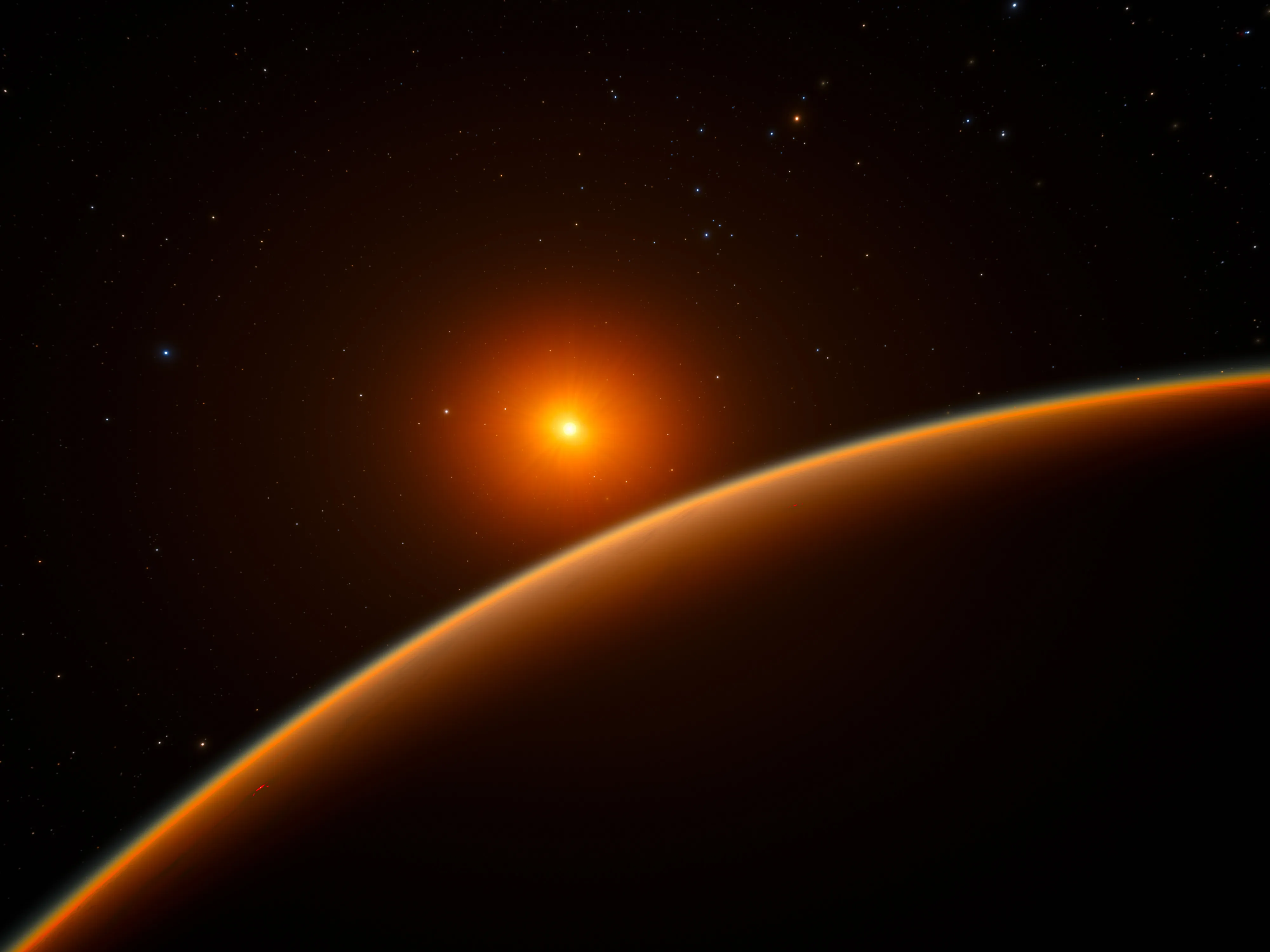
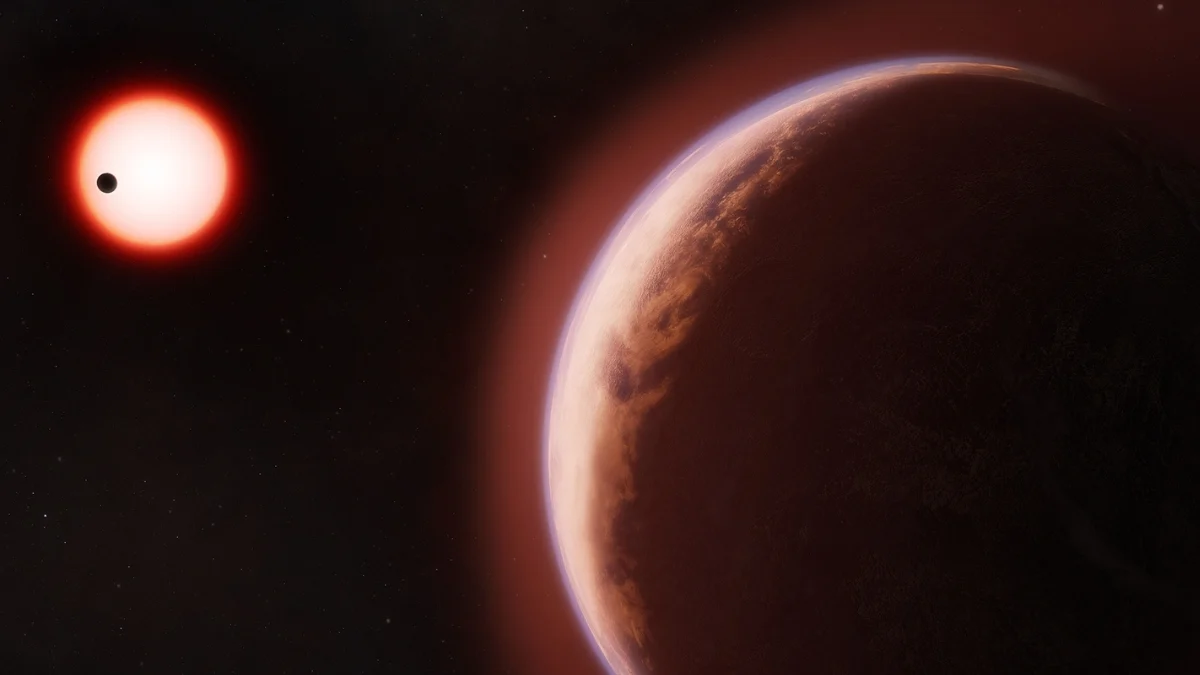
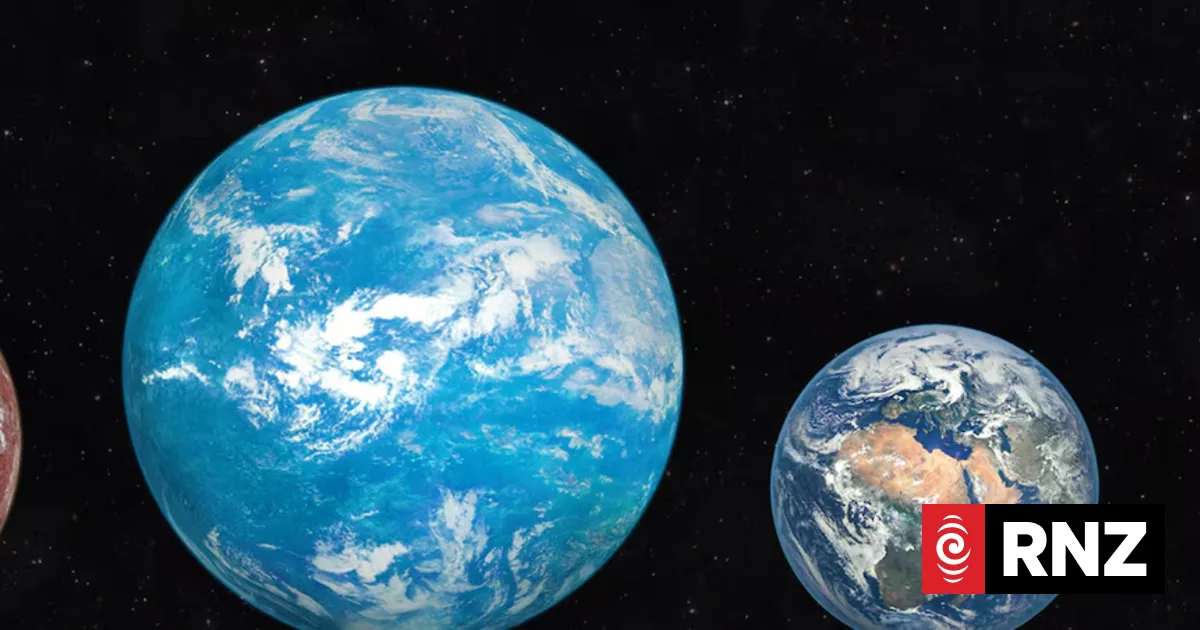
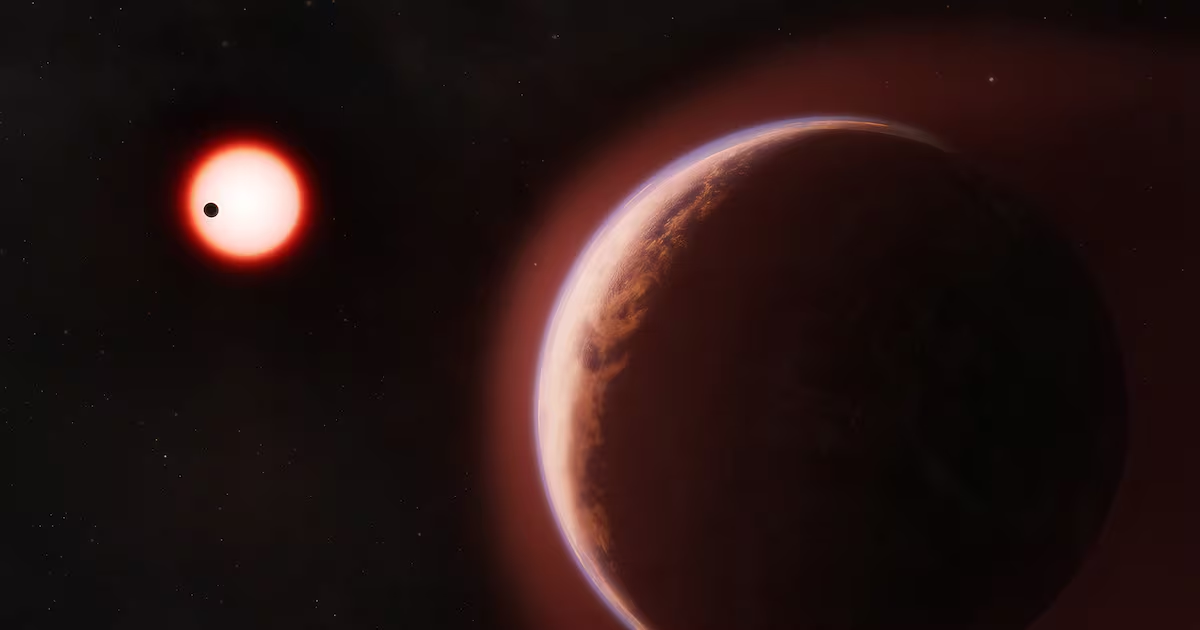
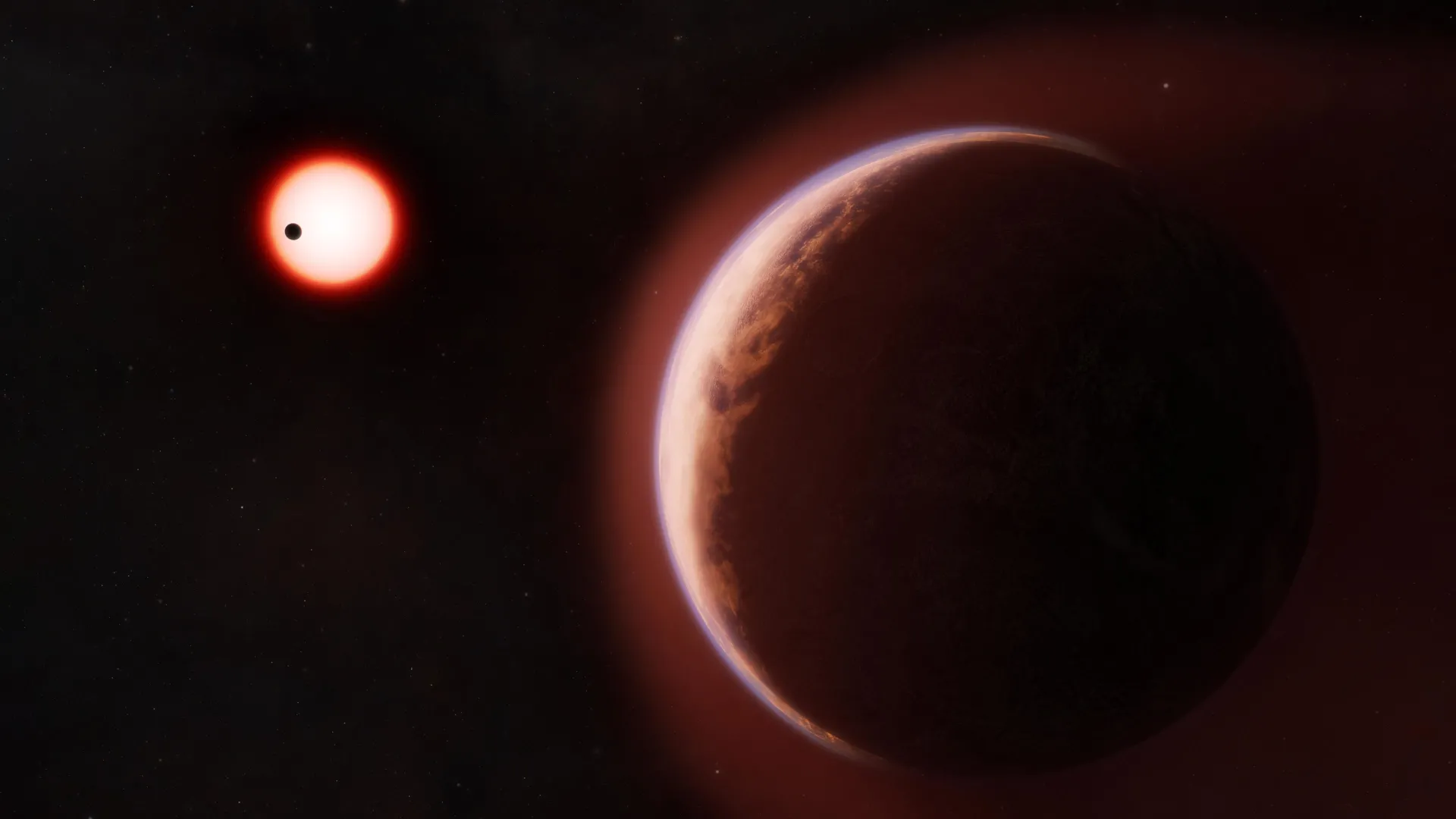
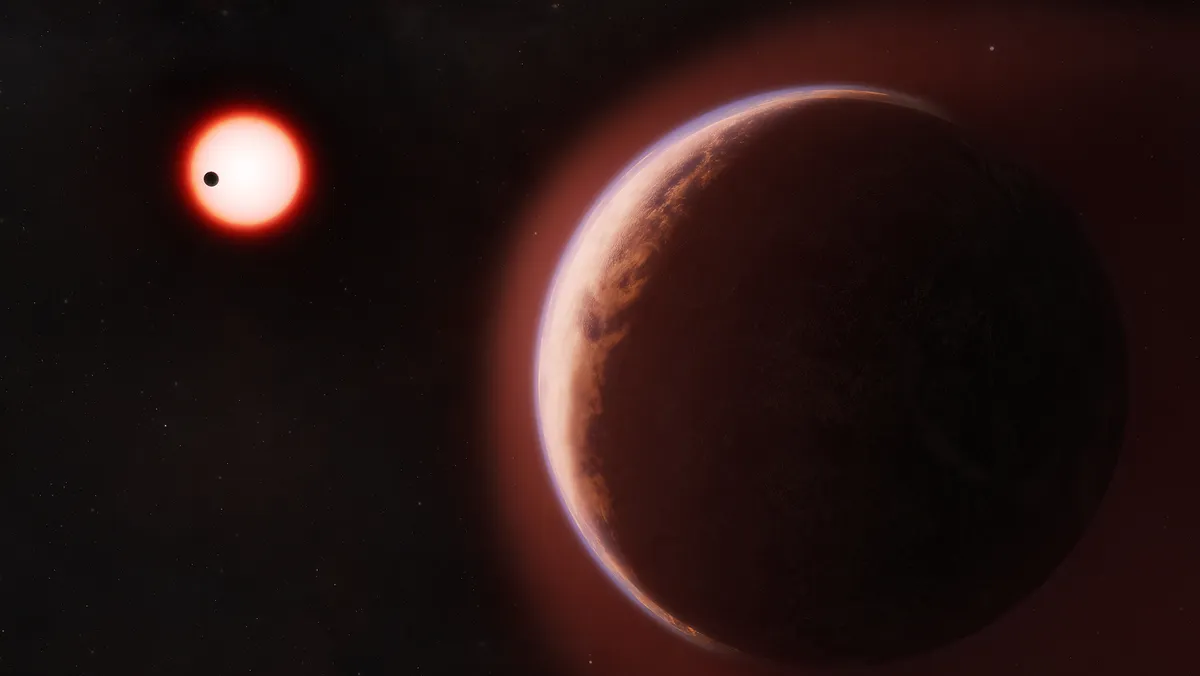
In a major milestone in the search for life on planets outside our solar system, astronomers have detected, for the first time, an atmosphere surrounding an Earth-like, rocky planet orbiting within the habitable zone of another star.The finding provides the strongest evidence yet that worlds with conditions similar to Earth in composition and temperature, with the potential to support life, could exist beyond our solar system, according to a new study published July 16 in the peer-reviewed journal Science."An atmosphere is essential for a planet to support life as we know it," said lead author Collin Cherubim in a statement. Cherubim recently earned his PhD in Earth and planetary sciences from Harvard University."This is the first time anyone has found an atmosphere on a rocky planet in the habitable zone of another star."How far away from Earth is this planet?The exoplanet — so called because its a planet outside of our solar system — is named LhS 1140 b and is located about 49 light-years from Earth (300 trillion miles) in the constellation Cetus (the Whale). It was discovered almost a decade ago, and orbits a small red dwarf star called LHS 1140, which is almost 49 light-years away from our solar system."This is considered quite closeby!" Cherubim told USA TODAY via email. "[It's in] our galactic backyard."Is the planet in the 'Goldilocks' zone?Yes, he said. "It is in the canonical liquid water habitable zone. This means it's at the right temperature to sustain liquid water on its surface, which is necessary for Earth-like life," he told USA TODAY.What gases (besides helium) might make up the rest of its atmosphere?According to Cherubim, the only atmospheric gas that has been robustly identified is helium."I developed a computer model that predicted a helium-dominated, escaping atmosphere on this planet, which is what motivated the observation. The detection is consistent with this prediction," he said. "My model predicts that most of the atmosphere is helium and there should also be water, carbon monoxide, carbon dioxide, and small amounts of dioxygen (these the current theoretical predictions, not observed molecules)."He added that climate models suggest there should be lots of water on the planet, "so we expect some water in the atmosphere."Could the atmosphere be breathable for humans?This is highly unlikely based on the current data and model predictions, he said. "While this planet is Earth-like in its bulk composition and temperature, its atmosphere is probably very different from Earth's."The new data from my study are consistent with my prediction that it's a new class of planet: a helium world. This means it may have a helium-dominated atmosphere with other oxidizing species present at lower altitudes than we probed in the study."Have other similar exoplanets been discovered?Although other researchers have found rocky planets in the habitable zones of their stars, this study is the first to clearly demonstrate the presence of an atmosphere, one that has existed for billions of years.Is the planet's star the same type as our sun?No, according to Cherubim, it is an M dwarf (the most common type of star in the galaxy). It is five times smaller than the sun and about half a percent as bright.The sun is what's known as a yellow dwarf.M dwarfs are notoriously active compared to sun-like stars, emitting much higher levels of X-ray and extreme UV radiation relative to their total energy output, he said. "This high-energy radiation often strips the atmospheres of rocky planets that orbit them. This is why a major question in the field is whether or not rocky planet atmospheres can even survive at all around M dwarfs.""My discovery is the first direct detection of such an atmosphere (there have been other indirect detections), and the first detection of a rocky exoplanet atmosphere in the habitable zone."Doyle Rice is a national correspondent for USA TODAY with a focus on weather and climate.