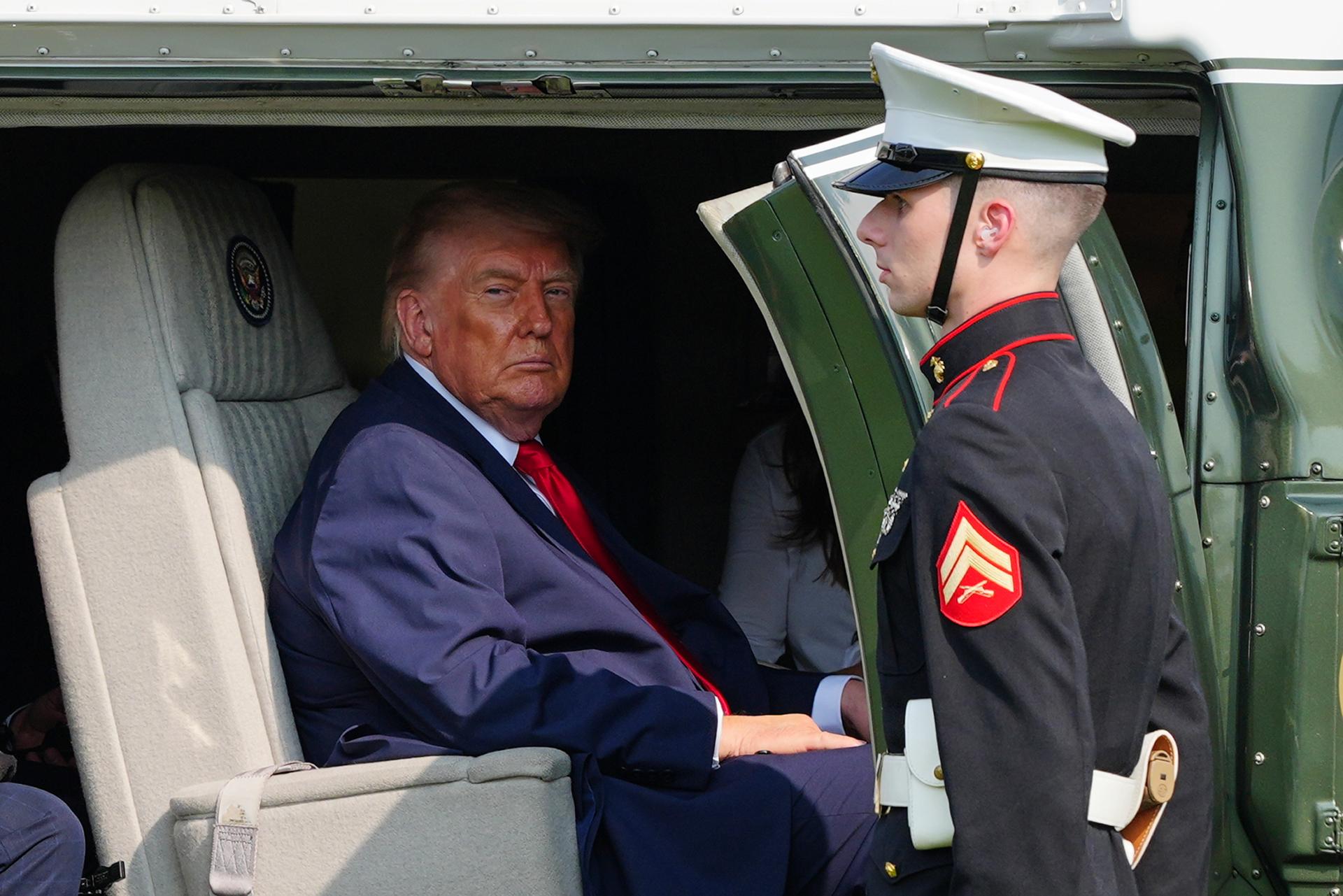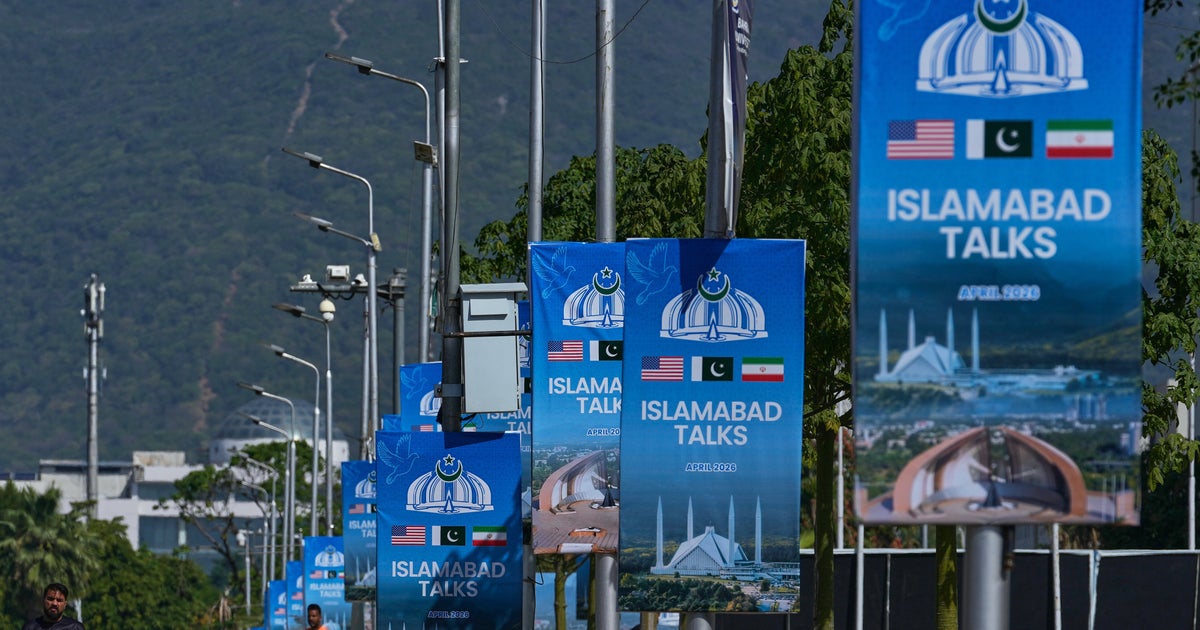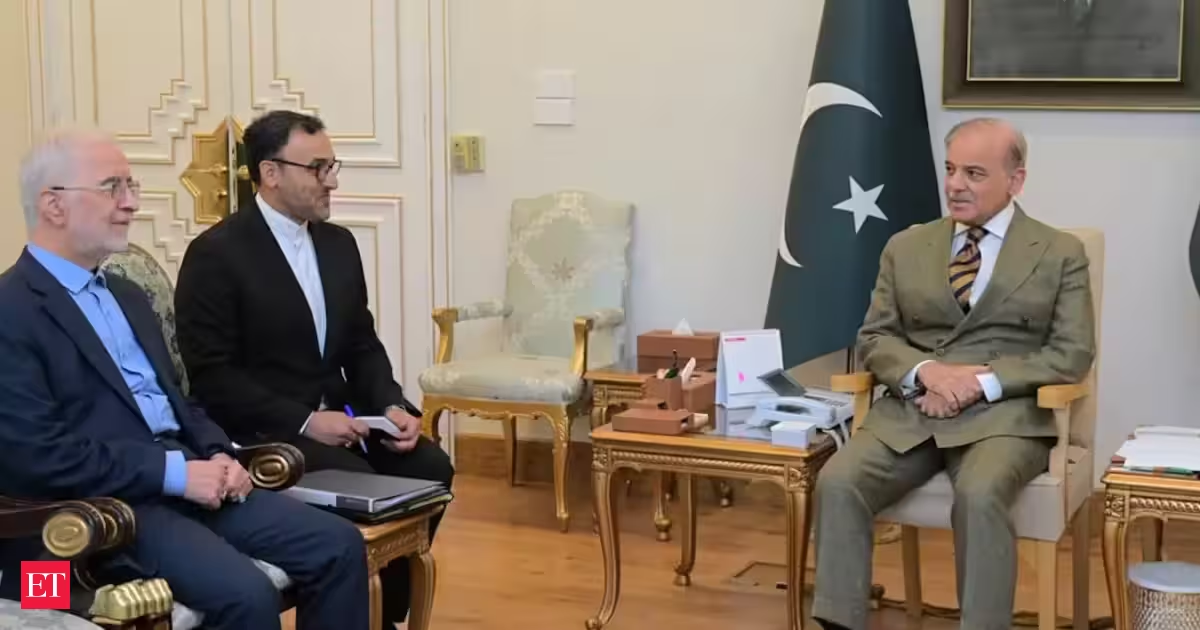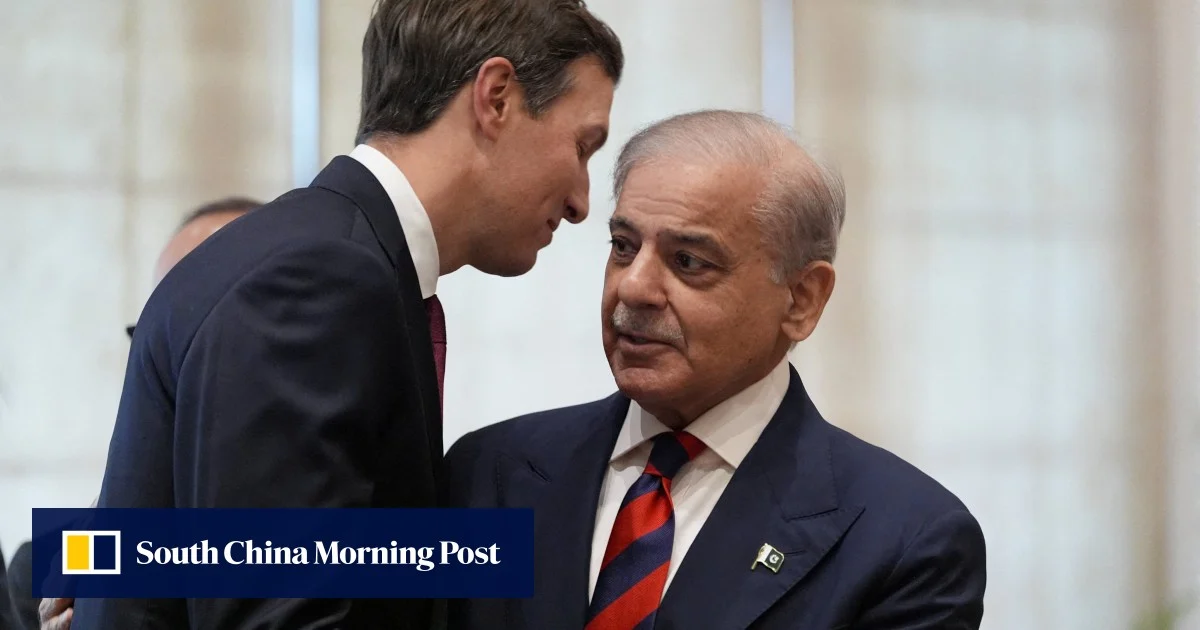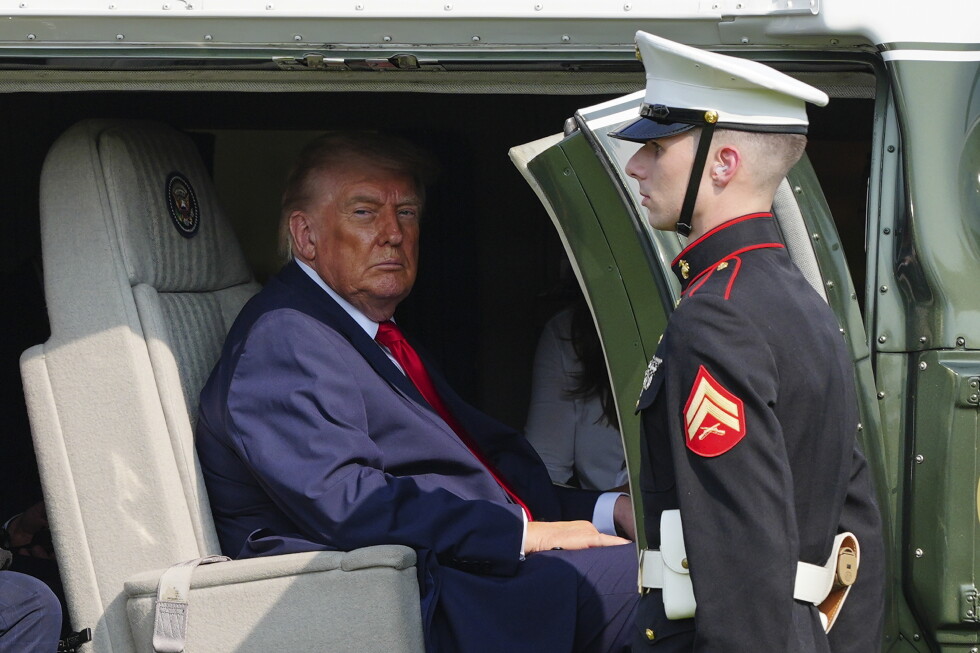
WASHINGTON (AP) — Fighting between the U.S. and Iran has intensified over control of the Strait of Hormuz, but hopes for a possible diplomatic solution have shown stubborn signs of life.Pakistan’s Foreign Ministry on Thursday rejected suggestions that Islamabad had abandoned efforts to bring Washington and Tehran back to the negotiating table after brokering an initial ceasefire agreement last month that has now collapsed. “Let me dispel the impression that Pakistan has done hands up, and this is not the case,” ministry spokesperson Tahir Andrabi said at a news conference, adding that the parties eventually “will have to come to the negotiating table to settle all outstanding issues.” Even the top negotiators for Iran and the U.S. signaled they have not walked away from talks. In a podcast interview with Joe Rogan that aired Wednesday, Vice President JD Vance said the Trump administration is “not going to bomb and bomb and bomb” and noted that “you’ve got to actually be willing to talk and to try to figure out the problem.”“We’re going try to use our military force as one of the many tools that we have to solve the problem,” Vance said, adding that “diplomacy is another tool.”
Mediators from countries that include Pakistan, Qatar and Egypt have been working to resume talks, according to regional officials who spoke on condition of anonymity to discuss the sensitive diplomacy. They noted that neither side has notified Pakistan that it was officially withdrawing or terminating the initial ceasefire agreement.