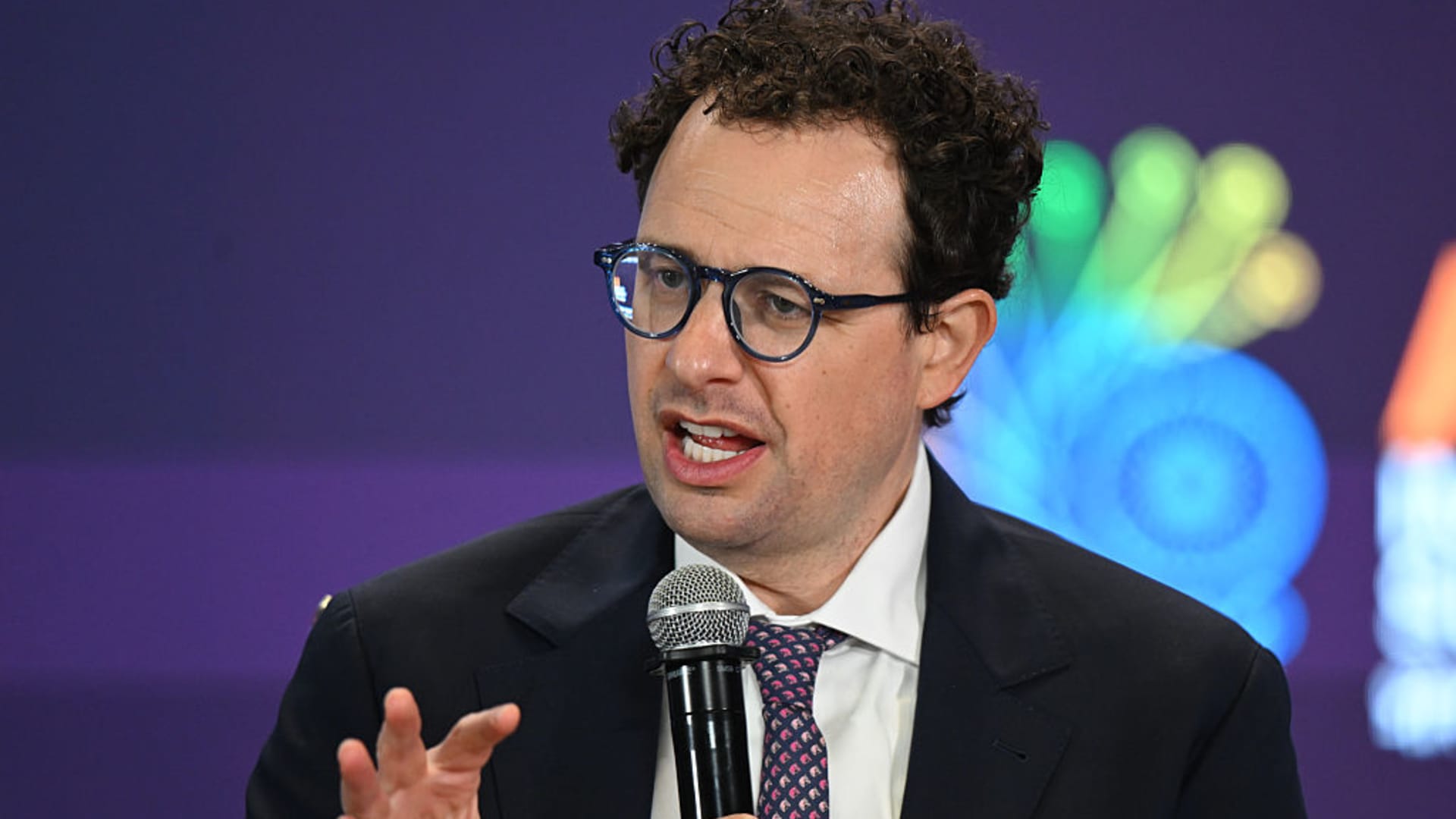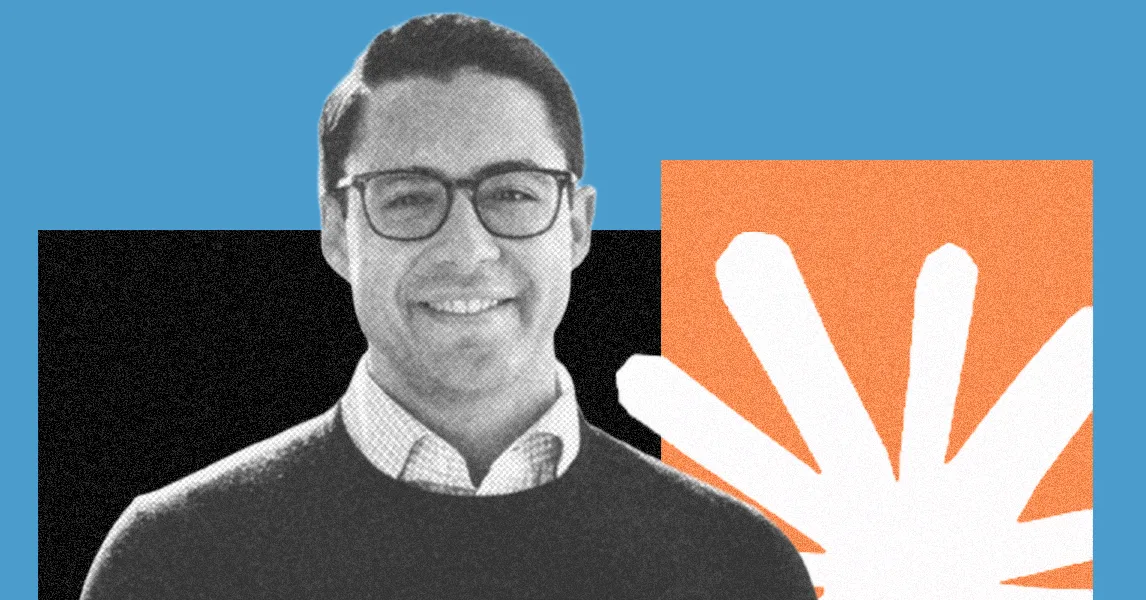
Anthropic threw its support behind the first wave of frontier AI safety laws in the United States last year, securing new transparency requirements in California and New York that much of Silicon Valley fought against, arguing they would stifle the AI boom. But Anthropic says those laws may already be outdated, and the company is now pushing states to adopt even tougher regulations.“The transparency-focused safety bills of 2025 were a really important start, but as the capabilities of AI systems continue to advance quickly—the policy responses need to match,” Cesar Fernandez, Anthropic’s head of US state and local government relations, told WIRED in an interview. “We think that transparency and self reporting are no longer sufficient safety measures for the most powerful AI systems.”Being so pro-regulation is an odd message to come from a startup that is now valued at nearly $1 trillion. But Anthropic is an odd company. As we’ve written before, Anthropic’s leaders believe it needs to build a massive business based on developing and selling access to advanced artificial intelligence to fulfill its founding mission: “to ensure that the world safely makes the transition through transformative AI.”As Anthropic has grown, it’s started endorsing some of the nation's harshest proposed regulations on frontier AI companies. Many of these rules are designed to mitigate catastrophic AI risks, including the possibility that advanced models could contribute to financial disasters or mass deaths.Beyond the self-reporting laws in California and New York, Anthropic has also supported an Illinois measure requiring AI labs to get their safety processes evaluated by third-party auditors. Most recently, the company endorsed a Massachusetts policy that would also require third-party auditing for AI labs—and empower the state's attorney general to seek injunctive relief from companies that don't comply.I sat down with Fernandez this week to understand where the company’s AI policies are heading. Fernandez joined Anthropic earlier this year, after previously serving as head of US state government relations for the sports betting giant FanDuel and as a senior public policy associate at Uber. He helped both companies win policy battles in states around the country. His expertise will likely prove valuable to Anthropic, as Congress continues to stall on passing AI regulation and states are taking the lead.“Dubious” MotivesWhile Anthropic’s pro-regulation agenda has been praised by AI safety groups, labor unions, and other allies of the company, some Silicon Valley leaders interpret its political efforts through a more nefarious lens.David Sacks, the former White House AI czar and current technology adviser to President Donald Trump, has claimed that Anthropic is essentially trying to get cumbersome laws passed to trap smaller AI startups in red tape, thus securing its own position as a leader in the AI race.“Anthropic is running a sophisticated regulatory capture strategy based on fear-mongering,” Sacks wrote in a social media post last year. “It is principally responsible for the state regulatory frenzy that is damaging the startup ecosystem.”Fernandez outrightly denies the accusation, noting that Anthropic has only supported state AI bills that apply to “large AI model developers,” a term defined differently in every bill, but that generally refers to companies that have spent hundreds of millions of dollars on AI development and have more than $500 million in annual revenue. “It’s hard to imagine a startup meeting that threshold,” Fernandez says.But in a world where billions of dollars in capital is now required to develop a competitive frontier AI model, there’s arguably a handful of promising startups that could meet those thresholds soon enough. To name a few, Safe Superintelligence, Thinking Machines Lab, and Mistral have each raised billions of dollars from investors, though their revenue remains far lower than the likes of Anthropic or OpenAI. Of course, these aren’t your run-of-the-mill startups, but they are potential competitors of Anthropic.I think the more defensible version of Fernandez’ argument is that any company large enough to develop a powerful AI model should be subject to the same regulations, because the underlying risks of the technology are the same. Fernandez notes that part of Anthropic’s goal is to “inspire a race to the top developing the most safe and secure AI systems,” which the company thinks encompasses pushing for government legislation.“Our mission is to make sure that this transition to a world with advanced AI goes well for Americans and humanity,” says Fernandez. “If you're an AI model developer that's developing powerful AI systems, there are requirements to be transparent with people on what you're building, the model capabilities, and the risks associated with that model to critical infrastructure in states—all of that should be top priority.”Where Anthropic Draws the LineThere are limits, however, to what Anthropic thinks states should do in the absence of federal regulation. In a policy document Anthropic published last month, the company recommends that governments should have a mechanism to block companies from deploying new AI models if it deems them unsafe. The suggestion is a bit ironic, given that the Trump administration recently told Anthropic to suspend access to its two most powerful AI models for foreign nationals, and the company wasn’t too big a fan of the move.Anthropic thinks the right to block unsafe AI model deployments should be reserved for the federal government, and not state lawmakers—though Fernandez notes it’s an evolving conversation. After the Trump administration sent an export control directive to Anthropic that led it to take its Mythos and Fable 5 models offline for everyone, the company wrote in a blog post that blocking AI model deployments should only happen through a fair, transparent evaluation process.Fernandez wouldn’t say much about Anthropic’s federal policy work, as it’s not his purview, but the company has been busy in that arena, too. Last month, it sent a letter to the US government accusing the Chinese tech giant Alibaba of a distillation attack—essentially extracting information from Anthropic’s models through systematic prompting to develop its own AI tools. Some AI researchers have dismissed the claims as regulatory capture by another means. They argue that Anthropic’s real goal is to persuade the US government to ban open-weight Chinese models, which could prompt thousands of American businesses that rely on them to turn to Anthropic’s enterprise offerings instead. Anthropic CEO Dario Amodei, notably, has warned Congress about the dangers of open source AI in the past.At the state level, Fernandez says that Anthropic hasn’t specifically targeted open source AI models in any of the legislation it’s endorsed. “It’s less of a question of the model construction and more of the model capabilities, and when they rise to a certain level, they should be captured in these state frameworks,” he explains.Whether or not you believe Anthropic’s efforts are sincere, the company is still playing a powerful role in shaping the future of AI policy. Its latest model releases brought the cybersecurity capabilities of advanced AI into the national spotlight. Before that, the company had already spent years warning lawmakers across the country about the catastrophic risks of advanced AI.The concerns about AI raised more often by American voters, such as potentially losing their jobs to the technology, the negative impacts of data centers arriving in their communities, and the effects of chatbots on children, have not inspired a comparable legislative campaign from frontier AI labs. Anthropic and several of its rivals have promised that ordinary taxpayers won’t be stuck paying for data centers, and Anthropic has published proposals for responding to future AI-driven job displacement. But the industry has put considerably less political muscle behind state laws addressing those problems.Asked about that discrepancy, Fernandez says that Anthropic is “eager to engage with lawmakers” on issues beyond catastrophic AI safety risks, and is already “having those conversations throughout the states.”For now, however, those discusscions have not produced the kind of coordinated state-level push Anthropic has mounted around the existential risks posed by frontier models.This is an edition of Maxwell Zeff’s Model Behavior newsletter. Read previous newsletters here.
Here’s Why Anthropic Is Pushing States to Regulate AI Faster
The company endorsed landmark AI transparency laws in California and New York last year, but its head of US state and local policy says they may already be outdated.
1,314 words~6 min read