By
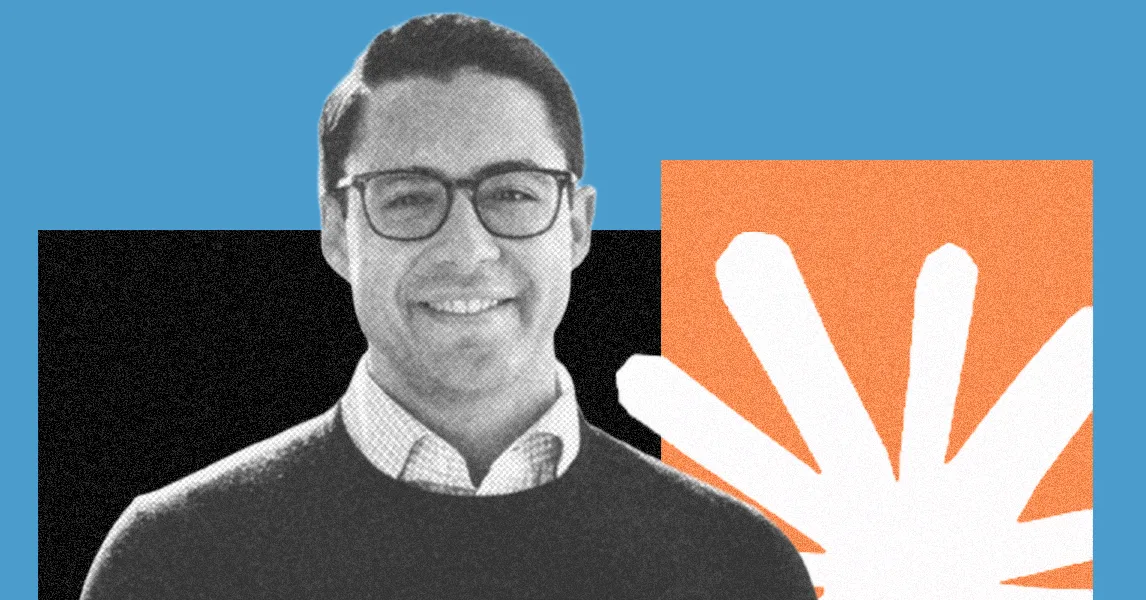
Christine Mui and Brendan Bordelon
Dario Amodei, co-founder and chief executive officer of Anthropic.
Bloomberg/Getty Images
Artificial intelligence giant Anthropic is pursuing a strategy of one-upmanship that encourages states to impose increasingly tougher AI guardrails, rather than align around a single set of regulations.The approach stands in stark contrast to the one favored by the company's archrival, OpenAI, which has pushed state lawmakers toward common ground on regulating the breakthrough technology."While there are some in the industry that think of state policy as a way to create a ceiling for federal legislation, Anthropic is not just looking to support the same bill across the country in every single state," Cesar Fernandez, the company's head of U.S. state and local government relations, said in an interview with POLITICO — which, like Business Insider, is part of the Axel Springer Global Reporters Network — on Tuesday. "We're looking for legislation that meaningfully raises the bar on safety for the most capable AI systems."Fernandez's comments came in response to questions from POLITICO about OpenAI's ongoing campaign to shape states' AI regulations. The ChatGPT maker's top lobbyist, Chris Lehane, has coined the term "reverse federalism" to describe its attempts to bypass a paralyzed Congress and build a national AI framework by mirroring bills state-by-state.The veiled jab at OpenAI is on-brand for Anthropic, whose executives left OpenAI in 2020 over concerns the company wasn't prioritizing safety. Anthropic has consistently pushed for stronger AI safety rules at both the federal and state level — an effort that some critics, particularly those close to the Trump administration and in venture capital, frame as an attempt to hamstring regulators and lock out competitors.In a statement, OpenAI spokesperson Liz Bourgeois defended its approach, saying "reverse federalism, where effective state safeguards shape national standards, helps regulators enforce the law, gives the public clearer protections, and allows developers to focus resources on safety rather than conflicting requirements."The split between OpenAI and Anthropic's approach to statehouses comes at a critical time for AI regulation. With Congress reluctant to act and the White House flip-flopping between a light touch and a heavy hand, the AI industry is increasingly looking to states for regulatory clarity. Whether state legislators ultimately coalesce around a single AI safety framework or work to outdo each other over time will have a massive impact on the final shape of AI rules in the U.S.