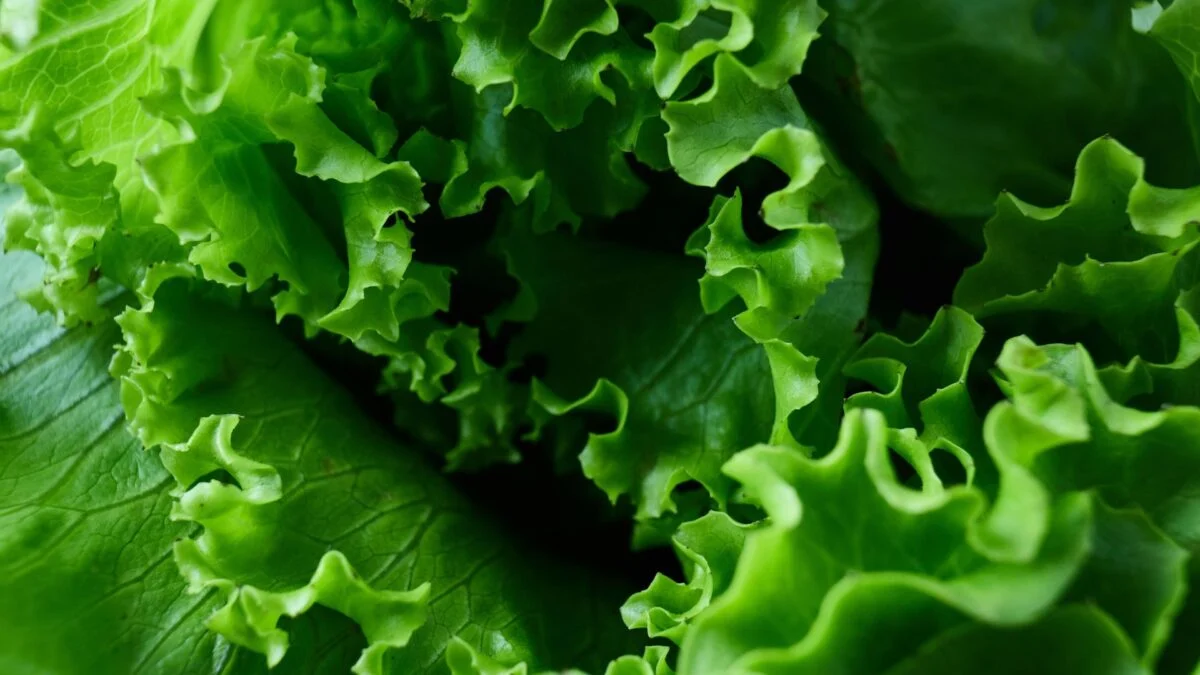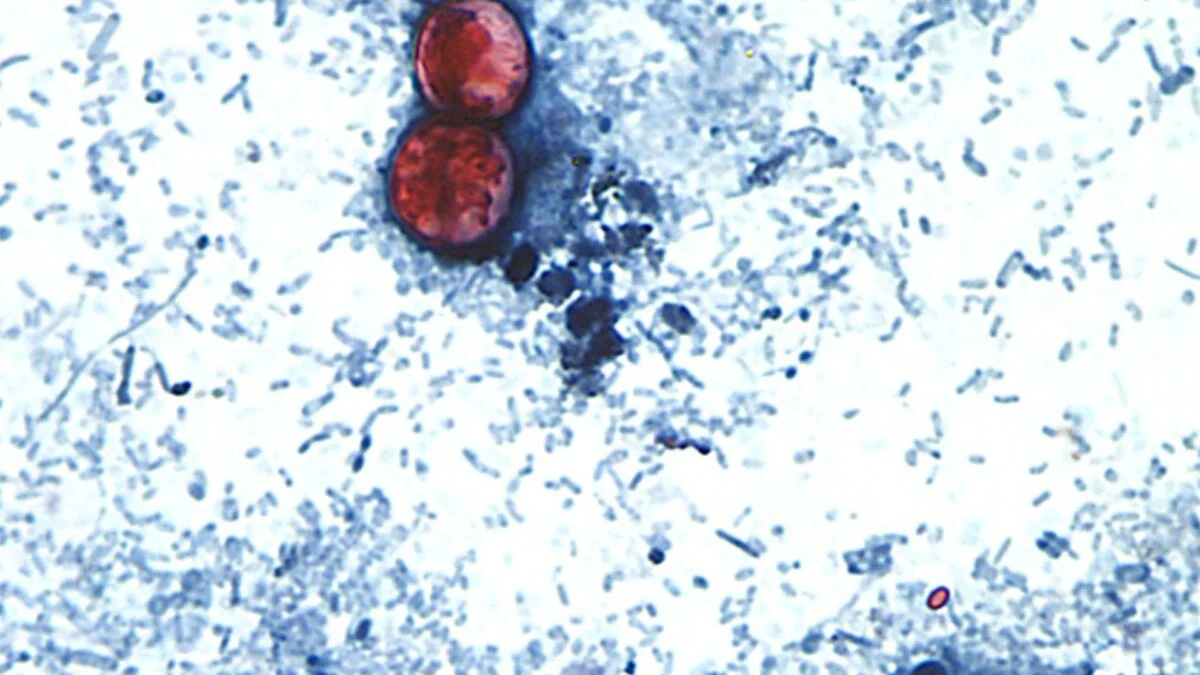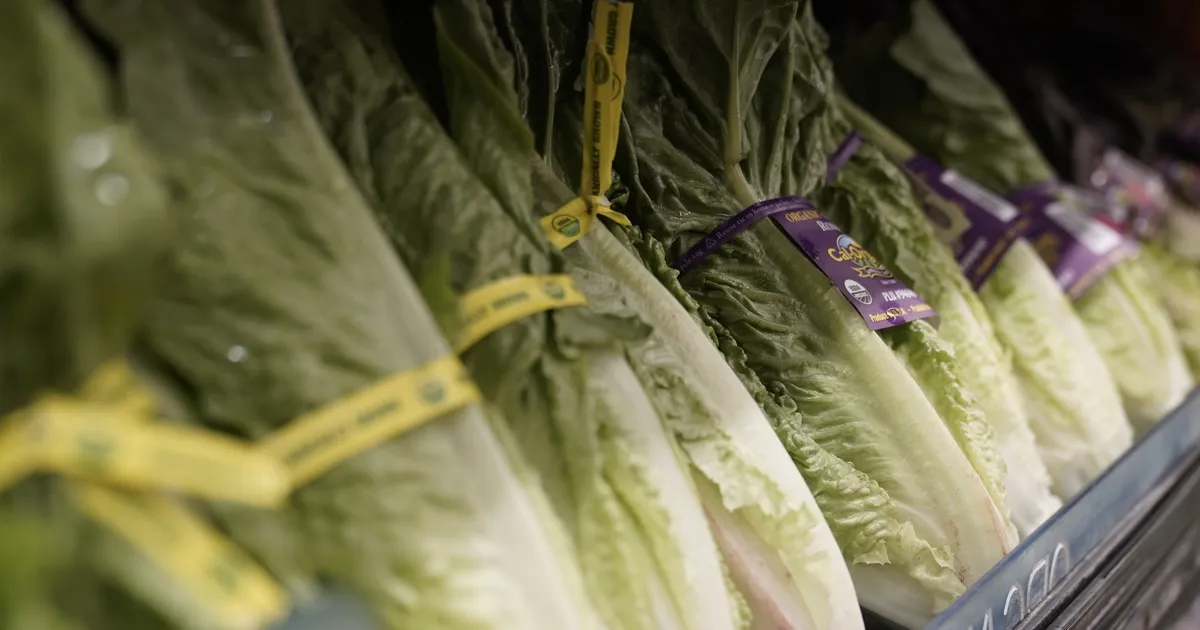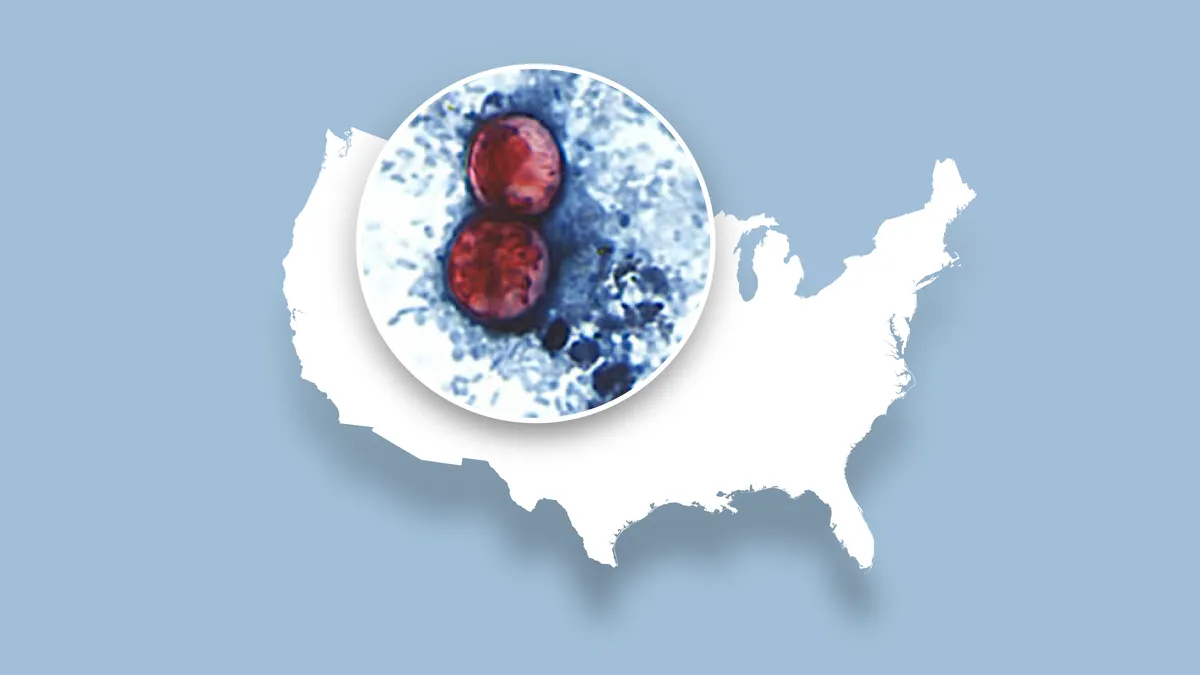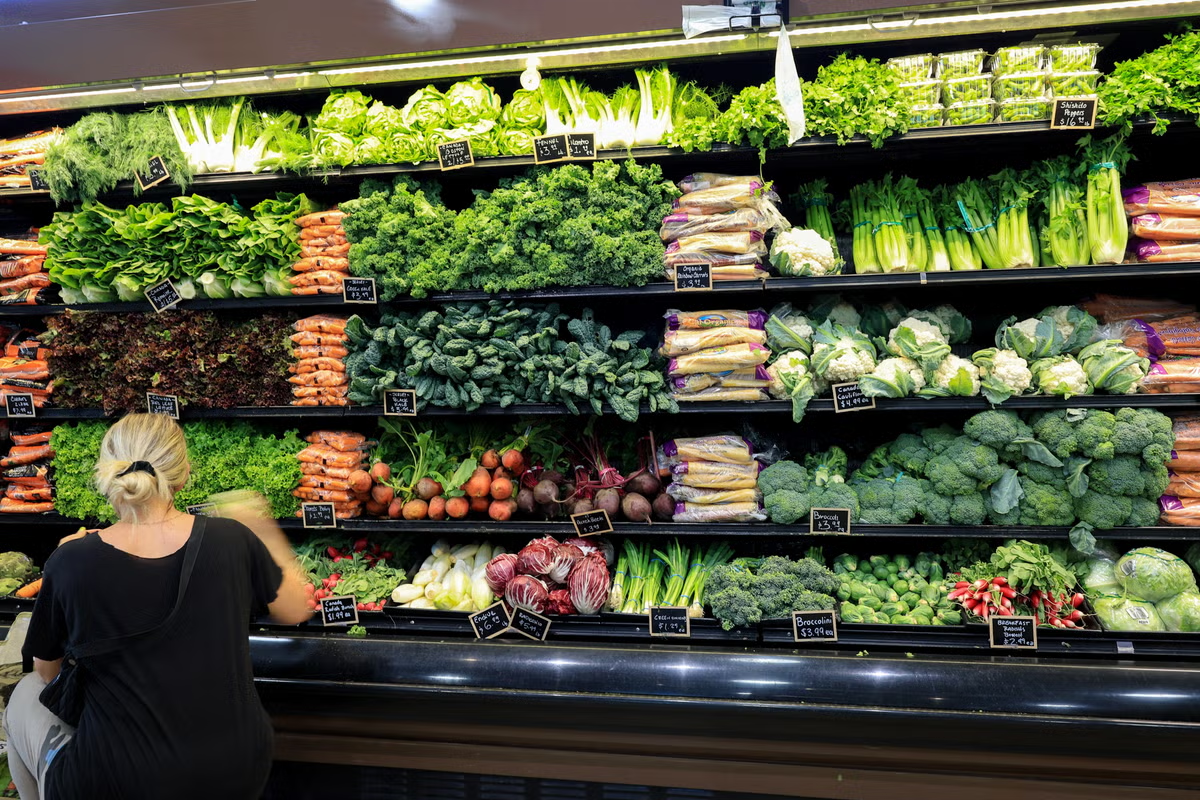
Fear of “explosive” watery diarrhea is on everyone’s minds lately, especially gastroenterologists. As of July 14, the Centers for Disease Control and Prevention said 1,645 people have been sickened by cyclosporiasis across the country, with an additional 5,100 probable cases still being investigated.The CDC urged doctors to be alert for patients with common symptoms of the infection, including the aforementioned watery diarrhea, bloating and nausea.“What’s notable this year is the scale, which is well above the same period last year,” said Dr. Saurabh Sethi, a gastroenterologist and hepatologist in Fremont, California. (Gastroenterologists ― GI doctors ― specialize in diagnosing and treating disorders of the entire digestive system, so this stool-y subject is right up their alley.) Parasitic diseases are diagnosed and treated every day in the U.S., but this recent surge of cyclosporiasis marks one of the largest foodborne outbreaks of its kind in years.“It’s not exactly an ‘exciting’ time as a doctor, more a reinforcement of basic food-safety fundamentals: Thorough washing, cooking when possible, and having a lower threshold for specific parasitic testing in patients with symptoms lasting more than a few days,” Sethi told HuffPost. Since the outbreak is ongoing, we asked gastroenterologists like Sethi for their best tips on riding out the summer of explosive diarrhea.They’re cooking their food when they can.“I’m being extra deliberate about a few things right now,” Sethi said. “First, I’m cooking more of my leafy greens and herbs rather than eating them raw - heating food to 158°F or higher kills Cyclospora, so a quick sauté of spinach or basil is safer than tossing it raw into a salad this season.”The gastroenterologist is also washing all produce, including herbs, thoroughly under running water before use, and being more selective about where he sources berries and leafy greens.Health experts in Michigan — a state hit especially hard by the parasite — are starting to suspect lettuce or salad greens may be to blame.Sethi’s home state of California is not among states seeing a cyclosporiasis surge, so he’s favoring domestic, well-documented supply chains during outbreak months. (This may be a good time to hit up your local farmer’s market.) Longhua Liao via Getty Images“I’m cooking more of my leafy greens and herbs rather than eating them raw - heating food to 158°F or higher kills Cyclospora, so a quick sauté of spinach or basil is safer than tossing it raw into a salad this season,” said Dr. Saurabh Sethi, a gastroenterologist and hepatologist in Fremont, California.They’re being extra careful about cleaning their fruit and veggies.Dr. Kyle Staller, a gastroenterologist and the director of the Gastrointestinal Motility Laboratory at Massachusetts General Hospital, said he’s not eliminating fruits and vegetables from his diet entirely or creating a long list of foods to avoid.“At present, investigators are still working to identify and confirm the food sources involved in the current increase,” he told HuffPost. “Until a specific product is identified and officials provide actionable advice, I would not recommend broadly avoiding entire categories of fruits or vegetables.”Instead of forgoing certain fruits and veggies, Staller is being more deliberate about the same food-safety measures that we should all be practicing routinely.“That means washing my hands with soap and water before and after preparing produce and thoroughly rinsing fruits and vegetables under running water—even products labeled ‘pre-washed,’” he said. For firm produce such as cucumbers or melons, Staller uses a clean produce brush, and cuts away bruised or damaged areas. He also refrigerates cut or peeled produce promptly rather than leaving it sitting on the counter.That said, it’s important to recognize that washing produce reduces risk but cannot guarantee that every Cyclospora organism will be removed. “This is about lowering risk through sensible food handling, not achieving a completely sterile kitchen or becoming afraid of fresh food,” Staller said. Alexander Spatari via Getty Images“This is about lowering risk through sensible food handling, not achieving a completely sterile kitchen or becoming afraid of fresh food,” said Dr. Kyle Staller, a gastroenterologist and the director of the Gastrointestinal Motility Laboratory at Massachusetts General Hospital. Other gastro doctors are making substitutions based on past cyclosporiasis outbreaks.It’s unknown what’s causing the current cyclosporiasis outbreak, but historically, outbreaks have been tied to raspberries, basil, parsley, leafy greens and more. Parsley, snow peas and green onions have also been the source of the infection in the past.With no single food or brand having been implicated yet, gastroenterologist Dr. Wendi LeBrett is thinking in categories, not avoiding one product and making a few substitutions. “I’m using dried herbs in place of fresh herbs, though home grown produce and herbs are also considered safe,” said LeBrett, the founder of the educational site ModernGut. “I’m adding cooked apples and cooked berries to my yogurt and oatmeal and eating veggies air fried, roasted or cooked into soups or curries.”LeBrett is also sticking to fruit that can be peeled: oranges, bananas and watermelon.“This is also a great time to eat more beans!” said LeBrett, who recently posted an Instagram Reel with more of her substitutions.They’re being careful but not freaking out. LeBrett is reminding her patients and social media followers that everyone’s risk differs based on where they live, outbreak cases, personal health and the health of close contacts.“This is not a reason to avoid fruit and vegetables but to make some simple intentional substitutions,” she said. “Once the outbreak source has been identified, we can start to go back to eating all the summer produce we love.”
We Asked Gastro Doctors How They're Riding Out 'Explosive Diarrhea' Summer
GI doctors are trying to dodge cyclosporiasis, too.
908 words~4 min read