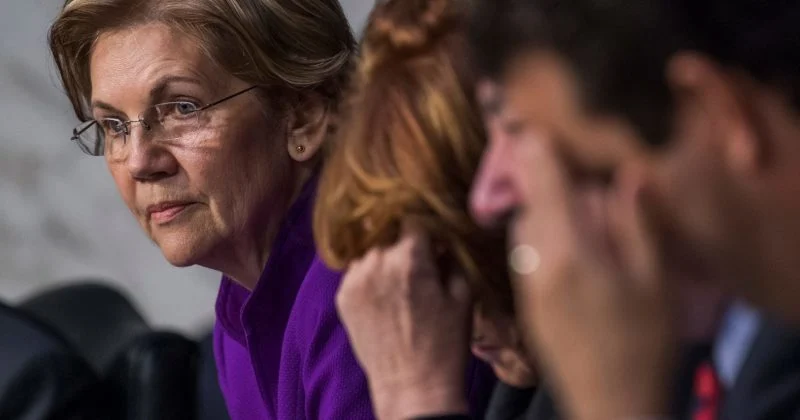
Republican senators, led by Wyoming’s Cynthia Lummis, are pushing to separate the Fed’s supervisory and enforcement functions from its interest-rate-setting responsibilities. The argument: an institution that simultaneously controls the money supply and polices the banks using that money has too much unchecked power.
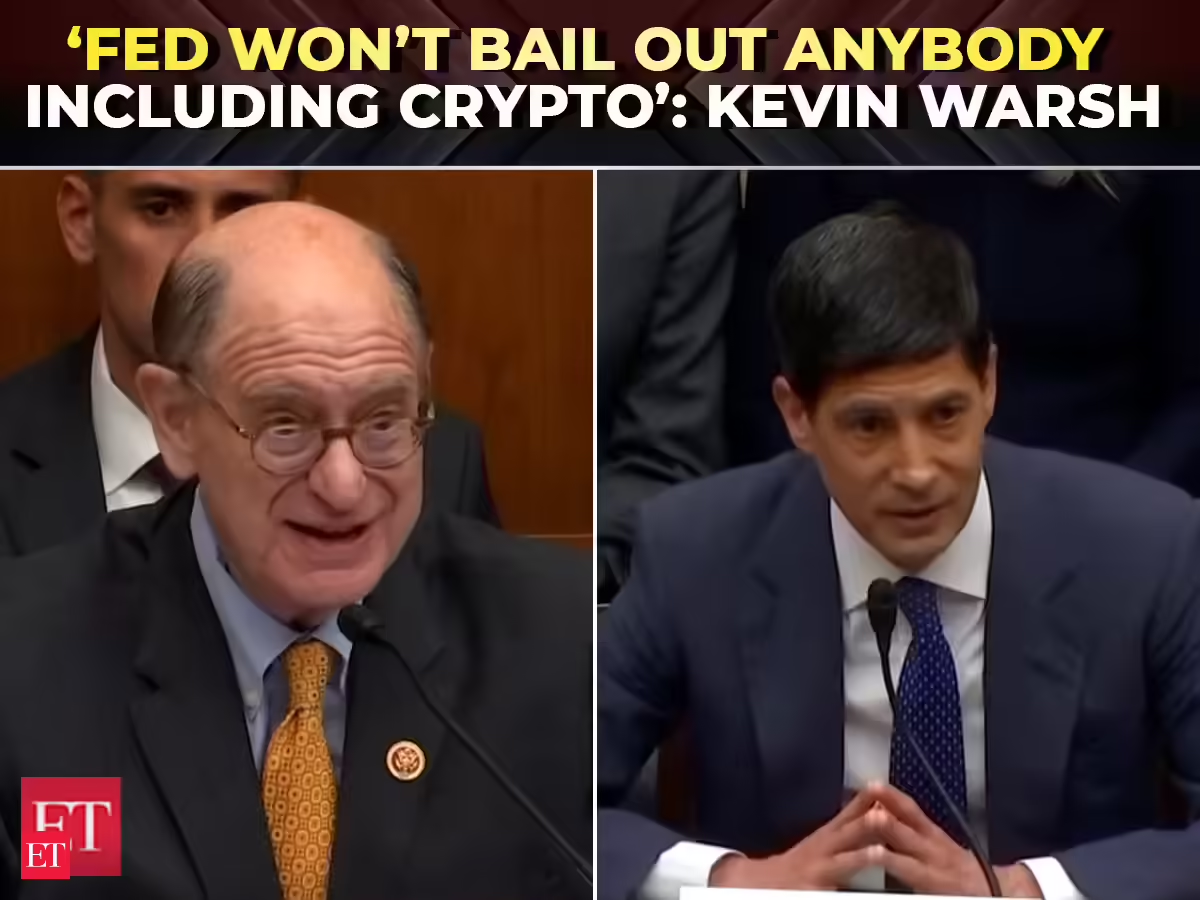
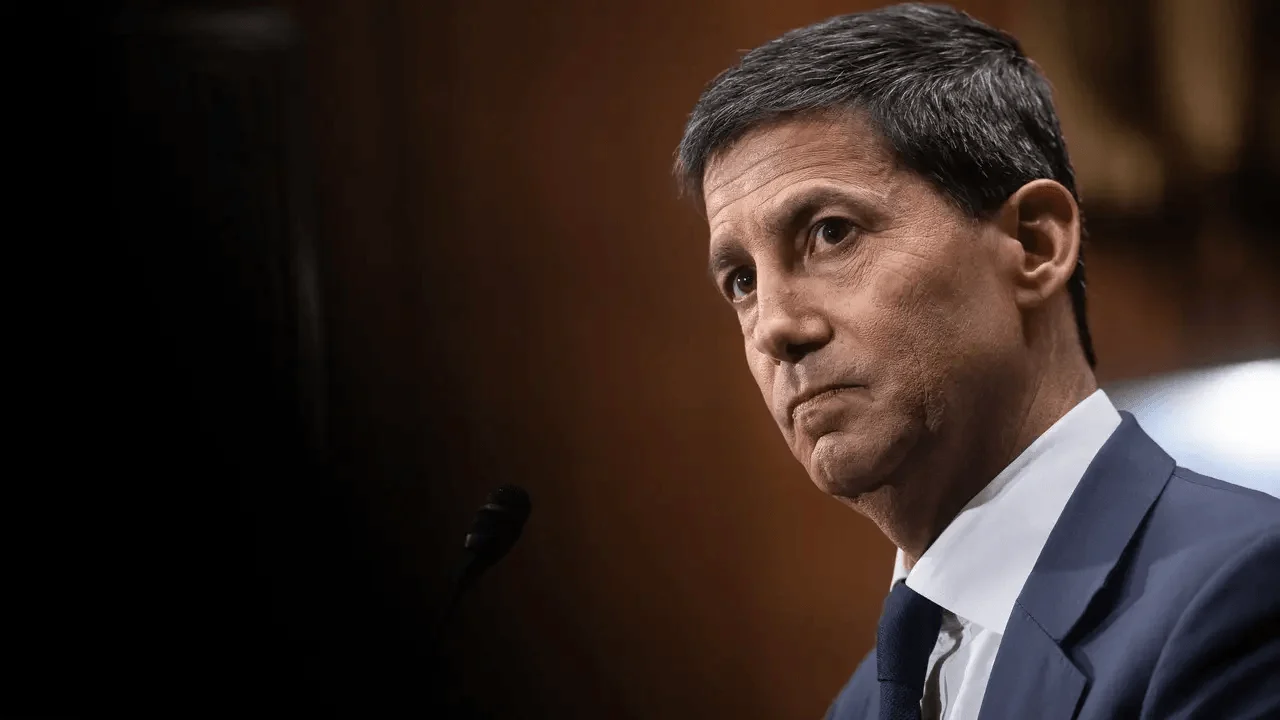
The push gained fresh momentum during newly appointed Fed Chair Kevin Warsh’s recent testimony before Congress. Lummis and allied lawmakers used the hearing to make their case that the Fed’s bank oversight has been plagued by failures and ideological bias. Lummis has pointed directly at the San Francisco Fed’s oversight failures as a contributing factor to SVB’s implosion. The bank’s collapse, the second-largest bank failure in US history, sent shockwaves through global markets and triggered a brief but intense banking crisis.
Warsh has emphasized the importance of collaboration with other regulatory bodies like the FDIC. The legal landscape shifted in June 2026 when the Supreme Court issued a ruling that preserved protections for Fed governors against removal but left the door open for future challenges to the agency’s regulatory reach.
Where crypto enters the picture
Lummis has been one of the most vocal critics of what she calls the Fed’s anti-digital-asset posture. During a June 2025 hearing, she publicly condemned the Fed’s supervisory approach as hostile to crypto innovation. Under the previous regime, the Fed issued guidance in 2022 and 2023 that effectively discouraged banks from engaging with crypto-asset activities, creating an informal barrier that the industry labeled “Operation Chokepoint 2.0.”