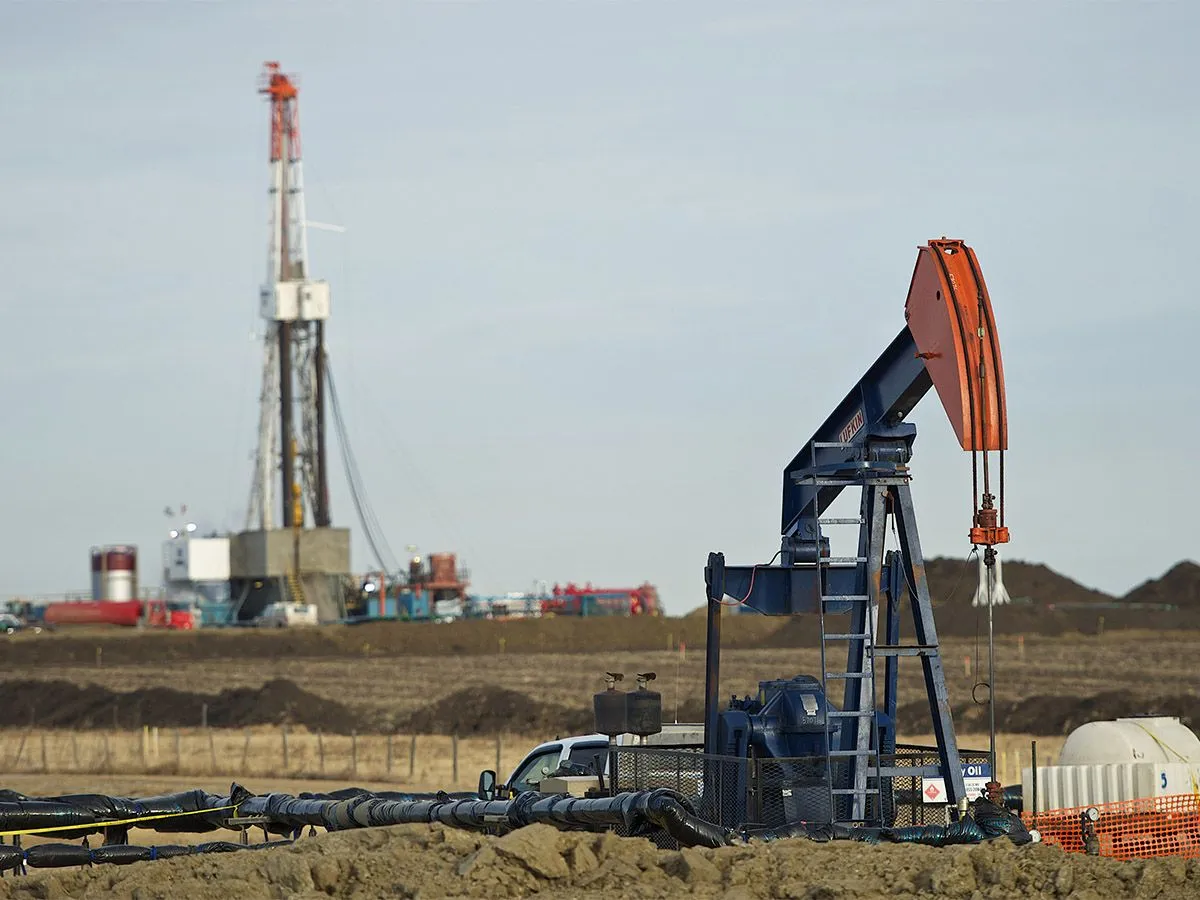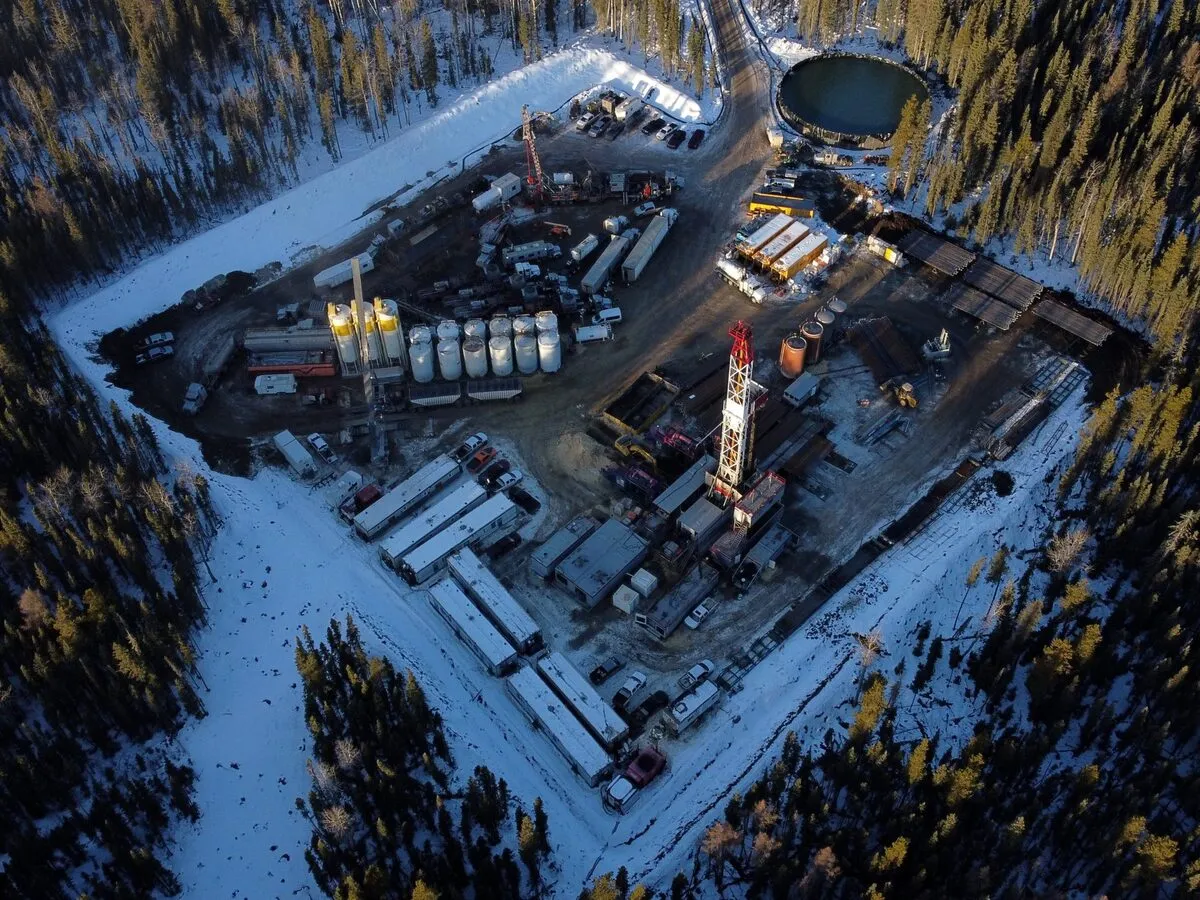
Skip to Content News Archives Economy Energy Oil & Gas Renewables Electric Vehicles Mining Commodities Agriculture Real Estate Mortgages Mortgage Rates Finance Banking Insurance Fintech Cryptocurrency Work Wealth Smart Money Wealth Management Investor Personal Finance Family Finance Retirement Taxes High Net Worth FP Comment Executive Women Puzzmo Newsletters Financial Times Business Essentials More Innovation Information Technology FP500 Podcasts Small Business Lives Told Tails Told Shopping Financial Post Store Obituaries Place a Notice Advertising Advertising With Us Advertising Solutions Postmedia Ad Manager Sponsorship Requests Classifieds Place a Classifieds ad Working Profile Settings My Subscriptions Saved Articles My Offers Newsletters Customer Service FAQ News Economy Energy Mining Real Estate Finance Work Wealth Investor FP Comment Executive Women Puzzmo Newsletters Financial Times Business Essentials HomeOil & GasNewsCanada's forgotten shale gas play reemerges as oil hot spotTotal gas production from the area, Obsidian estimates, is equivalent of between about 10,000 to 13,000 barrels a dayAuthor of the article:Last updated 19 minutes ago You can save this article by registering for free here. Or sign-in if you have an account.The push to drill for oil is part of a broader trend in Western Canada, where companies target liquid-rich areas of shale formations after years of depressed gas prices. Photo by Handout/Yangarra Resources CorpOn the edge of the Canadian Rocky Mountains, companies including Obsidian Energy Ltd. and Yangarra Resources Corp. are breathing new life into a long-dormant gas reservoir — except now they’re drilling for oil.Subscribe now to read the latest news in your city and across Canada.Exclusive articles from Barbara Shecter, Joe O'Connor, Gabriel Friedman, and others.Daily content from Financial Times, the world's leading global business publication.Unlimited online access to read articles from Financial Post, National Post and 15 news sites across Canada with one account.National Post ePaper, an electronic replica of the print edition to view on any device, share and comment on.Daily puzzles, including the New York Times Crossword.Subscribe now to read the latest news in your city and across Canada.Exclusive articles from Barbara Shecter, Joe O'Connor, Gabriel Friedman and others.Daily content from Financial Times, the world's leading global business publication.Unlimited online access to read articles from Financial Post, National Post and 15 news sites across Canada with one account.National Post ePaper, an electronic replica of the print edition to view on any device, share and comment on.Daily puzzles, including the New York Times Crossword.Create an account or sign in to continue with your reading experience.Access articles from across Canada with one account.Share your thoughts and join the conversation in the comments.Enjoy additional articles per month.Get email updates from your favourite authors.Create an account or sign in to continue with your reading experience.Access articles from across Canada with one accountShare your thoughts and join the conversation in the commentsEnjoy additional articles per monthGet email updates from your favourite authorsSign In or Create an AccountorBoth firms are fracking into the sandstone that makes up the Basel Belly River formation in an area southwest of the Alberta’s provincial capital Edmonton called Willesden Green. For the first half of the year, 15 drilling licenses targeting or ending at the formation were granted, the most for that span of time in 14 years, Alberta Energy Regulator data show.The new wave of oil drilling gained attention in early June when Obsidian agreed to buy 35 sections of land in the field from Highwood Asset Management Ltd. for $105 million in cash. The deal included the equivalent of about 2,500 barrels of oil a day of hydrocarbon production, about nine per cent of the company’s total output. A total of about 75 per cent of the production is light oil.Breaking business news, incisive views, must-reads and market signals. Weekdays by 9 a.m.By signing up you consent to receive the above newsletter from Postmedia Network Inc.A welcome email is on its way. If you don't see it, please check your junk folder.The next issue of Posthaste will soon be in your inbox.We encountered an issue signing you up. Please try again“You started to see some initial wells drilled in the Basil Belly River that had good success on the backs of those that we licensed,” Steve Loukas, Obsidian’s chief executive, said in a recent interview with Bloomberg. “Our initial well in the fall of 2024, and we’ve had constructive results that have carried through into 2025 and ultimately 2026.”The push to drill for oil is part of a broader trend in Western Canada, where companies target liquid-rich areas of shale formations including Montney and Duvernay after years of depressed gas prices. Western Canadian gas has traded at an average of about US$1.70 per million British thermal units less than U.S. gas over the past five years, a discount that’s persisted since the start of liquefied natural gas exports off British Columbia last year. At the same time, local oil prices have been supported by the war in the Middle East and the opening of new export pipelines including the expanded Trans Mountain system to the Pacific.Obsidian plans a six-well development program next year to boost the production of the acquired assets to the equivalent of 3,000 barrels a day, Loukas said. Each well can be developed for about $5 million.The uptick in interest in Basel Belly River marks a revival of the formation. Two decades ago, natural gas prices were rising to records of almost US$16 per million British thermal units, and companies including Ember Resources Inc. and Ovintiv Inc., then known as Encana, were tapping into the rock layers for natural gas. More than 1,000 wells were drilled in 2005 that either targeted or terminated at the formation, 95 per cent of them extracting natural gas, according to AER data.Things changed when the U.S. shale revolution took off around 2009, unlocking supplies from Pennsylvania to Oklahoma and sending gas prices tumbling. By 2014, the number of wells drilled in the Basel Belly River formation had dropped to single digits and remained there until two years ago.Combined with Obsidian’s existing production from Basel Belly River, the company’s output could be boosted to 7,000 barrels a day, making up most of the formation’s output in Willesden Green. Total production from the area, Obsidian estimates, is equivalent of between about 10,000 to 13,000 barrels a day. Join the Conversation This website uses cookies to personalize your content (including ads), and allows us to analyze our traffic. Read more about cookies here. By continuing to use our site, you agree to our Terms of Use and Privacy Policy.
Canada's forgotten shale gas play reemerges as oil hot spot
Companies including Obsidian Energy Ltd. and Yangarra Resources Corp. are breathing new life into a long-dormant gas reservoir. Read here
1,075 words~5 min read