Story audio is generated using AI
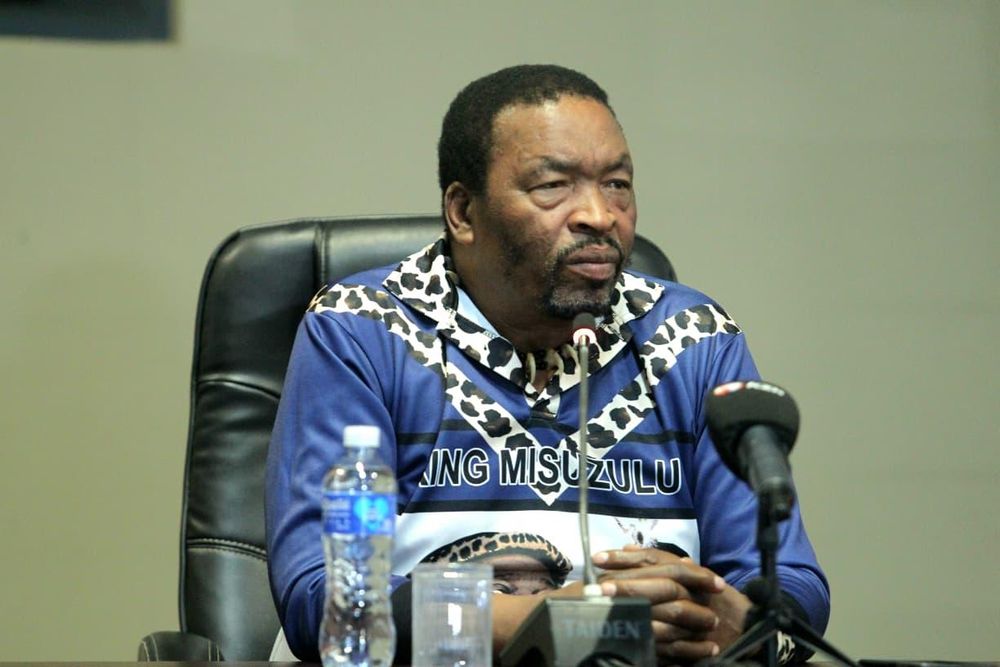
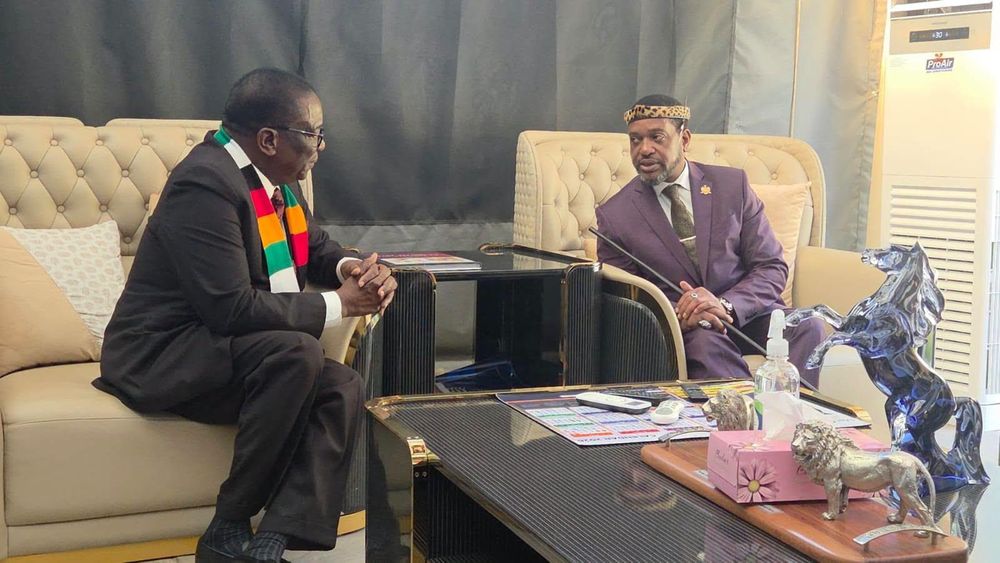
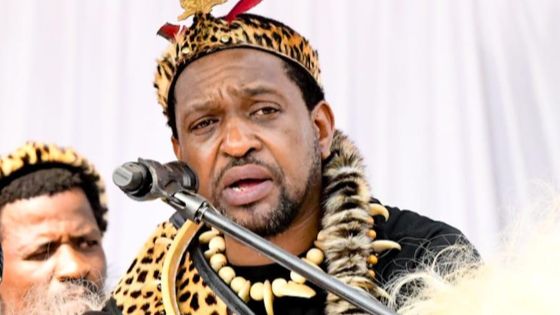
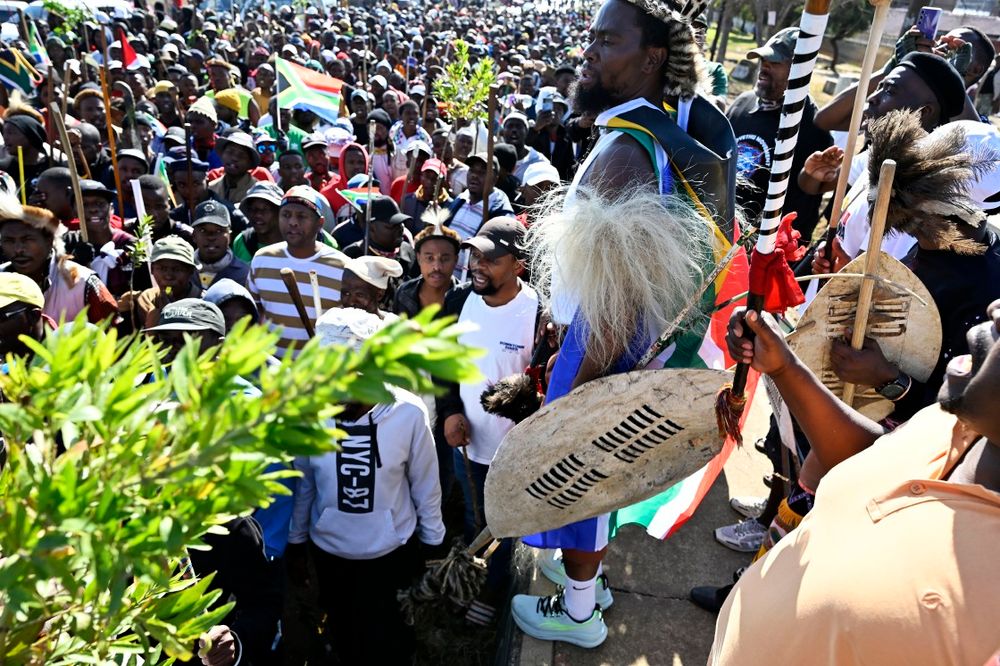
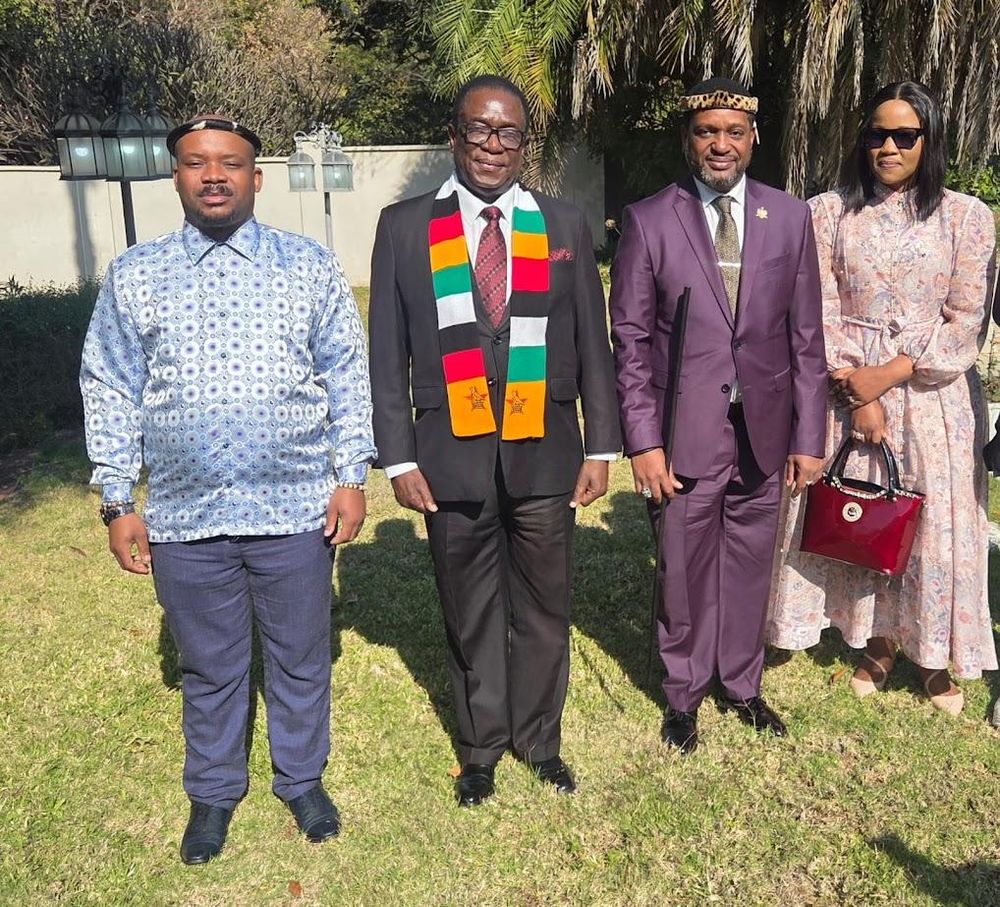
Traditional leaders from South Africa’s Zulu and Ndamase royal households have launched an initiative opposed to illegal immigration. The campaign is aimed at promoting lawful migration, strengthening regional co-operation, and supporting tougher enforcement, while insisting their efforts are intended to complement — not replace — the role of governments in enforcing immigration laws.The initiative follows meetings between President Cyril Ramaphosa and traditional leaders, as well as King Misuzulu kaZwelithini’s recent visit to Zimbabwe to meet President Emmerson Mnangagwa. Among other issues, the two leaders discussed migration, border control, and regional co-operation. While the royal households argue that traditional leaders have an important role to play in preventing community tensions, the Presidency has stressed that immigration enforcement is solely the constitutional responsibility of the state, clarifying that the initiative is not an official government programme.The initiative also marks a notable shift in the Zulu Royal Household’s public messaging on migration. Earlier this year in February, King Misuzulu drew criticism after referring to foreigners as “amakwerekwere”, a derogatory term describing African migrants, and making controversial remarks about undocumented migrants and their relationships with Zulu women, claiming that “they are stealing our girls”. In recent months, however, the king has adopted a more conciliatory tone, urging South Africans not to attack foreigners while maintaining that undocumented migrants should not be in the country unlawfully. The royal household’s latest initiative similarly distinguishes between lawful migration, which it says should be protected, and illegal immigration, which sovereign states have a responsibility to manage. Prince Mpiyakhe Khayalakhe Buthelezi, spokesperson for the Zulu Royal Household, explained that discussions between King Misuzulu and President Mnangagwa focused on developing localised, African-led solutions. The initiative seeks to distinguish clearly between lawful migration, which should be protected, and illegal immigration, which sovereign states have a responsibility to manage.“The principal objective is to develop a co-ordinated African approach to migration that protects the sovereignty of states, respects the dignity of lawful migrants and strengthens regional co-operation,” Buthelezi told Business Day.According to Buthelezi, the Zulu Royal Household supports legal migration but firmly believes those entering South Africa must comply with the country’s laws and possess the necessary legal documentation. He emphasised that enforcing these laws must not be conflated with xenophobia or afrophobia, noting that the long-term vision is an Africa where migration is governed lawfully and humanely.Buthelezi said traditional leaders were not seeking to assume state powers. “Traditional leadership is not intended to assume immigration enforcement functions, which remain the constitutional responsibility of governments and their relevant agencies.”Instead, their role will focus on encouraging respect for the rule of law, promoting peaceful coexistence, supporting civic education on lawful migration, and acting as a bridge between local communities and government institutions. The proposed framework includes establishing a regional platform of traditional leaders from southern Africa, structured engagement with national governments, and collaboration with SADC and the AU.Prince Sivile Mabandla, spokesperson for the Ndamase Royal Household, said the initiative originated directly from traditional leaders.“The objective of the initiative is to show that, as Africans, we are products of migration across the continent,” Mabandla said. He explained that Zimbabwe was deliberately chosen as the first country to engage because it shares a border with South Africa and represents one of the largest regional diaspora communities in the country. While the royal households support legal, orderly migration, they fully recognise every country’s sovereign right to enforce its immigration laws.Mabandla warned that rising migration-related tensions have increasingly become a local community issue. Traditional leaders fear that communities are being mobilised outside of recognised, traditional leadership structures, which risks severe instability.“The risk traditional leaders face is the mobilisation of the masses. If we do not stand up now and regulate the situation, we risk instability,” Mabandla warned. ”The kings are saying: do not mobilise our tribes without us. We want to unite our people.”The Presidency has drawn a clear line between its own consultations and the royal initiative. Presidential spokesperson Vincent Magwenya told Business Day there is “no government-sanctioned process to manage migration that involves traditional leaders”. He described King Misuzulu’s trip to Zimbabwe as a purely private initiative.Magwenya reiterated that the government’s migration strategy centres on strengthening state institutions rather than creating new enforcement structures. He highlighted key pillars of the state’s approach in a media briefing on Wednesday, including boosting the capacity of the Border Management Authority (BMA), deploying additional border personnel, and expanding the use of technology, including drones, to monitor South Africa’s extensive land borders.Magwenya added that Ramaphosa views illegal migration as a regional challenge requiring collaborative diplomacy rather than unilateral blame. He confirmed that Ramaphosa has already engaged the presidents of Malawi, Mozambique, and Zimbabwe to address the “push and pull” factors of migration — such as conflict and economic opportunities — through regional SADC and AU structures.Not all traditional leadership structures are participating in the new regional campaign. Nkosi Xhanti Sigcawu, chairperson of the Amatole Local House of Traditional and Khoi-San Leaders, confirmed his house is not involved.While Sigcawu expressed support for stricter enforcement, he said the responsibility rests squarely with government.“Our position on illegal immigrants is that whoever does not have documentation to be in this country must leave. If you are here illegally, you either return home or you are arrested because we don’t know how you entered this country,” Sigcawu said. ”Borders are not managed by traditional leaders. Law enforcement agencies are not managed by traditional leaders.”Sigcawu argued that while traditional leaders can urge citizens and visitors to travel legally and respect the law, they cannot assume the constitutional responsibilities of the state. He called on the government to take stronger action against illegal immigration and any officials facilitating unlawful entry.Migration expert Prof Loren Landau, director of the Southern African Migration Programme at the University of the Witwatersrand, noted that the Zulu Kingdom has a long history of being outspoken on these issues. However, Landau pointed out that when traditional authorities or local leaders step in to handle migration, it often reflects a fragmented political landscape.“Where the state — through SAPS or the military — is unable or unwilling to govern, alternative bodies will step in,” Landau said.He argued that while border control is strictly a national government mandate, traditional leaders can make a positive contribution by using their local legitimacy to promote social cohesion rather than division, helping communities navigate what it means to preserve cultural identity in an increasingly diverse and highly mobile society.While the royal households, the state and migration experts differ on the role traditional leaders should play, there is broad agreement that migration requires greater regional co-operation and that illegal immigration should be addressed through the rule of law rather than community vigilantism.Business Day