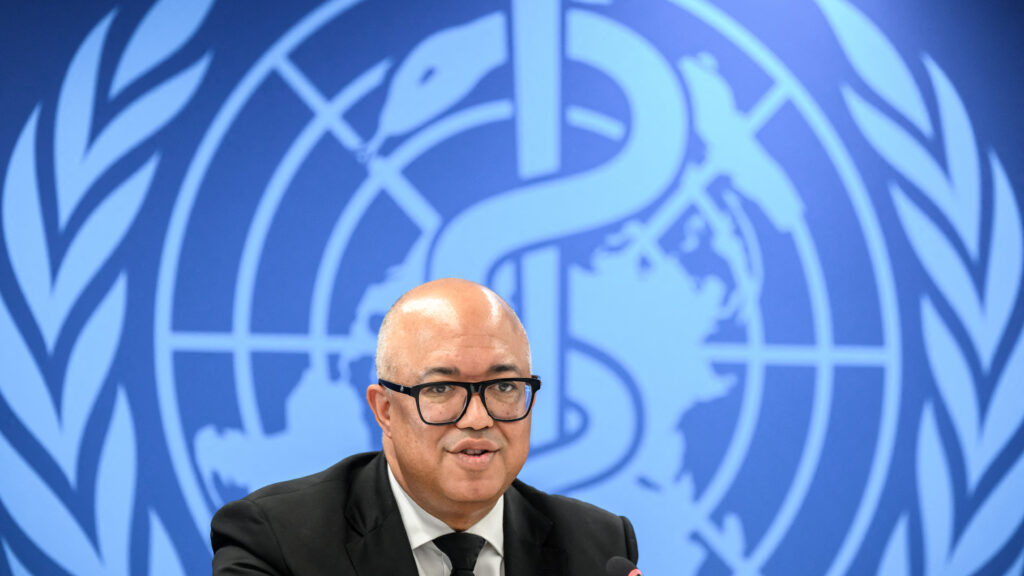
The government of Uganda has gone quiet on an outbreak of the deadly Marburg virus that it reported late last month, with the World Health Organization acknowledging Thursday it has made repeated requests for updated information on the status of the investigation into how it started and how far it may have spread.
“We’ve sent several additional requests for information, and we’re still waiting to hear from them specifically on the outcomes of the investigation that we know that they’re carrying out,” Chikwe Ihekweazu, executive director of the Geneva-based agency’s Health Emergencies Program, said during a new conference.
Ihekweazu said the WHO has formally filed a request for updates through the International Health Regulations, a treaty that requires countries to inform each other, through the WHO, of disease threats that could cross borders.
“We’ve sent frequent and repeated requests to the government of Uganda, and we’re waiting on them to respond to the IHR request that we’ve sent to them,” he said.
Marburg is a viral hemorrhagic fever caused by a virus that is related to the family of Ebola viruses. It causes disease that is similar to Ebola, and can have an equally high case fatality rate, though Marburg outbreaks have never reached the scale — thousands of cases — of the largest Ebola epidemics. The largest on record was in Angola in 2004-2005, when 252 cases were recorded, 227 of them fatal.