There is a certain irony in a party that pioneered all-women shortlists back in 1993 still not having managed, more than three decades later, to put a woman in charge of it.
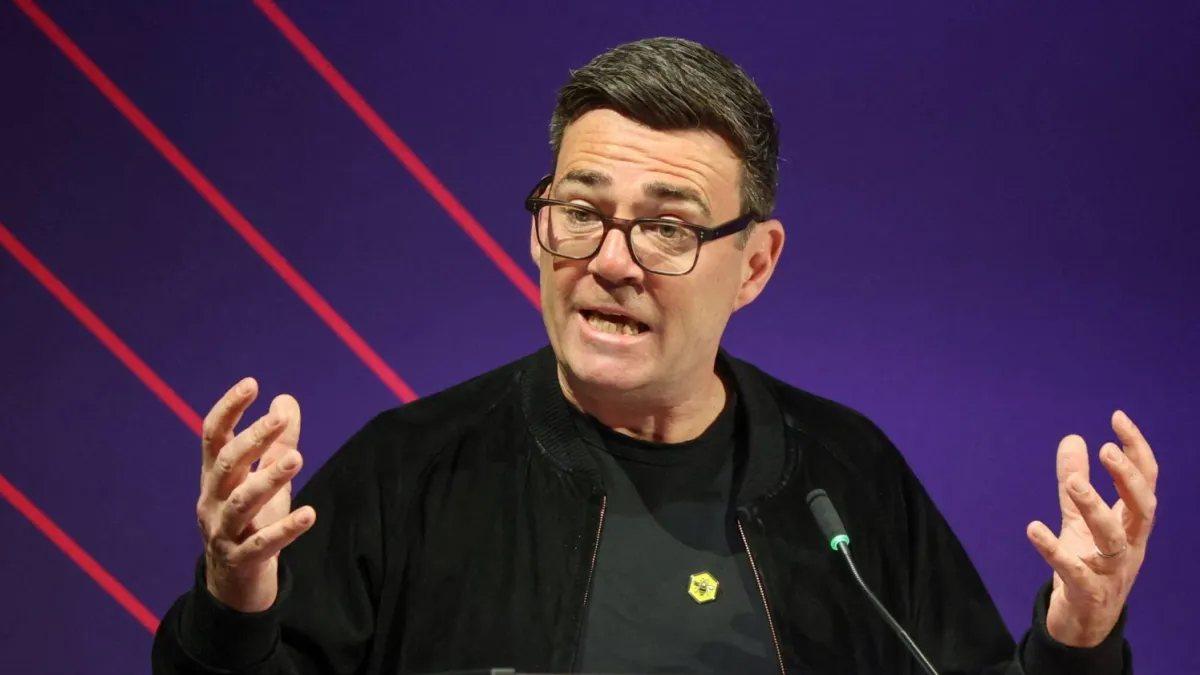
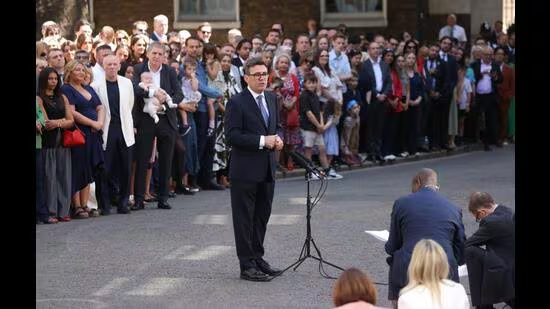
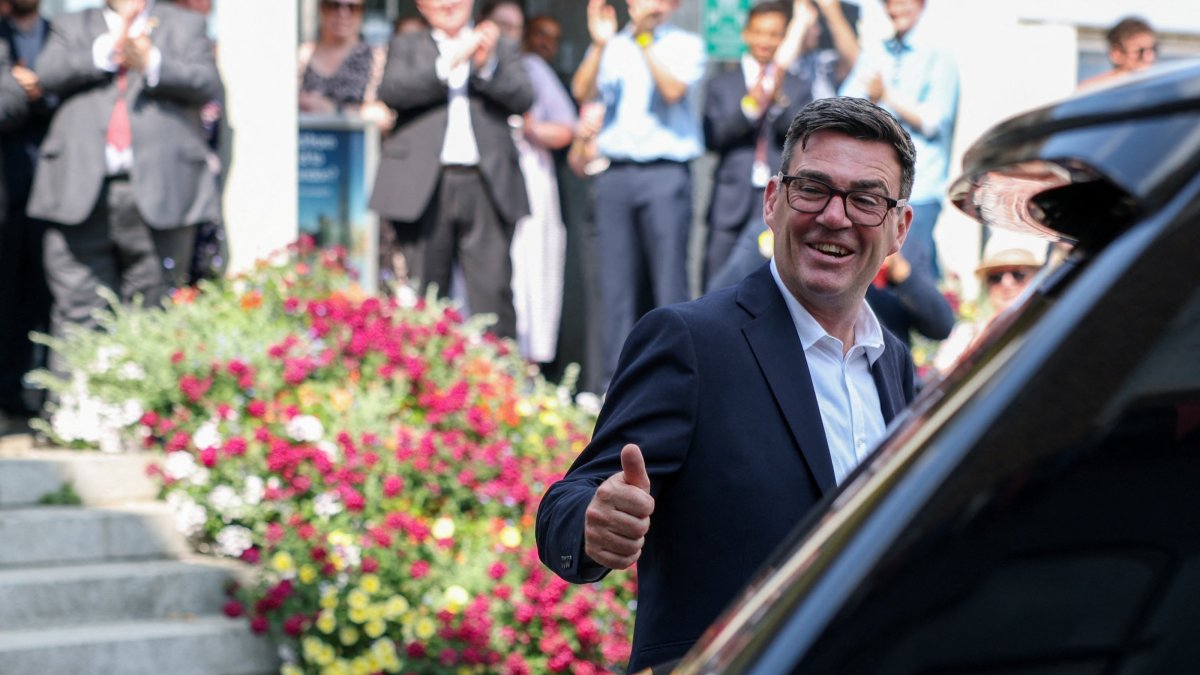
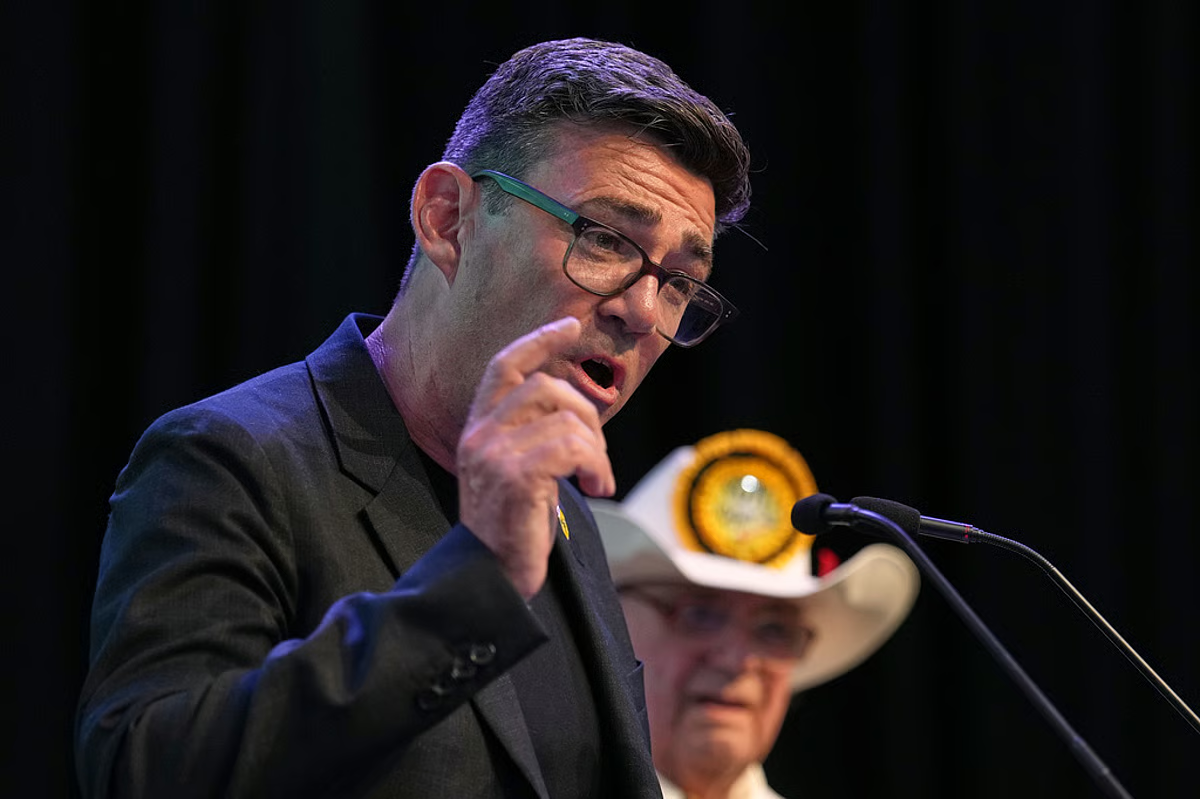
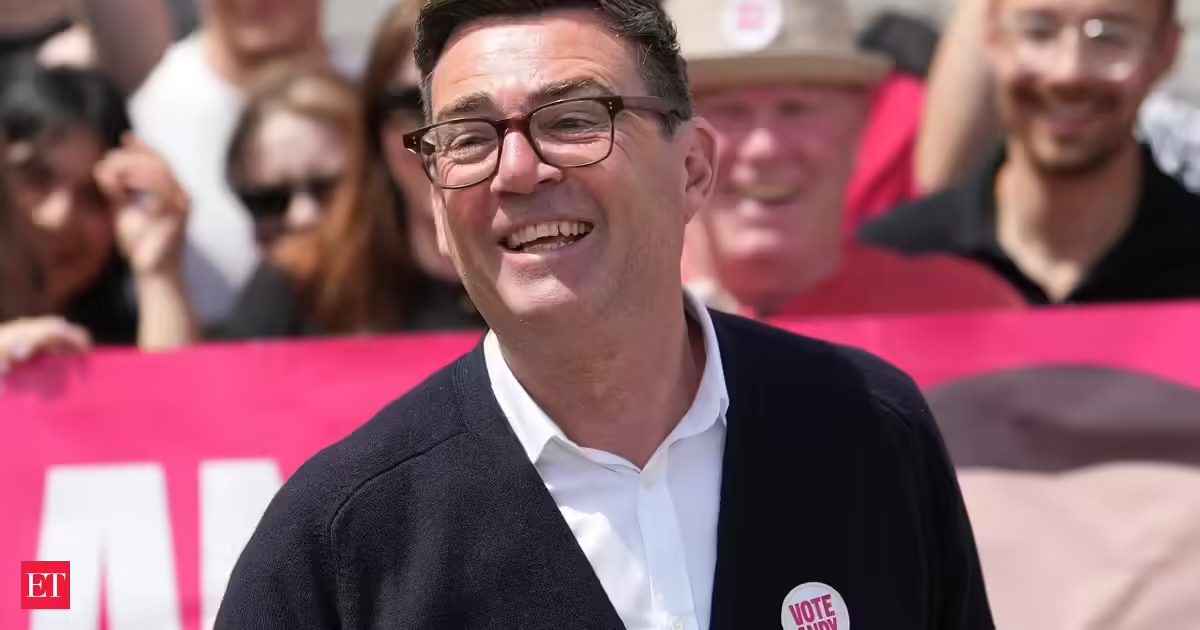
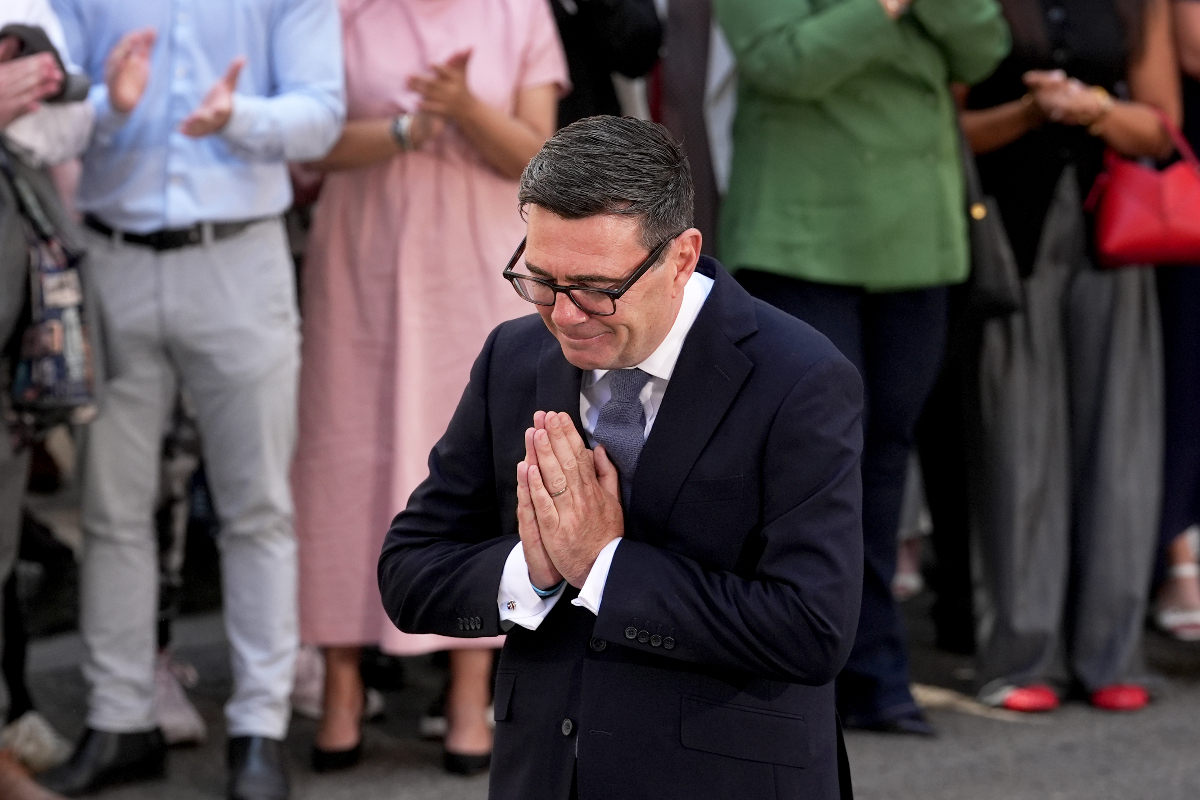
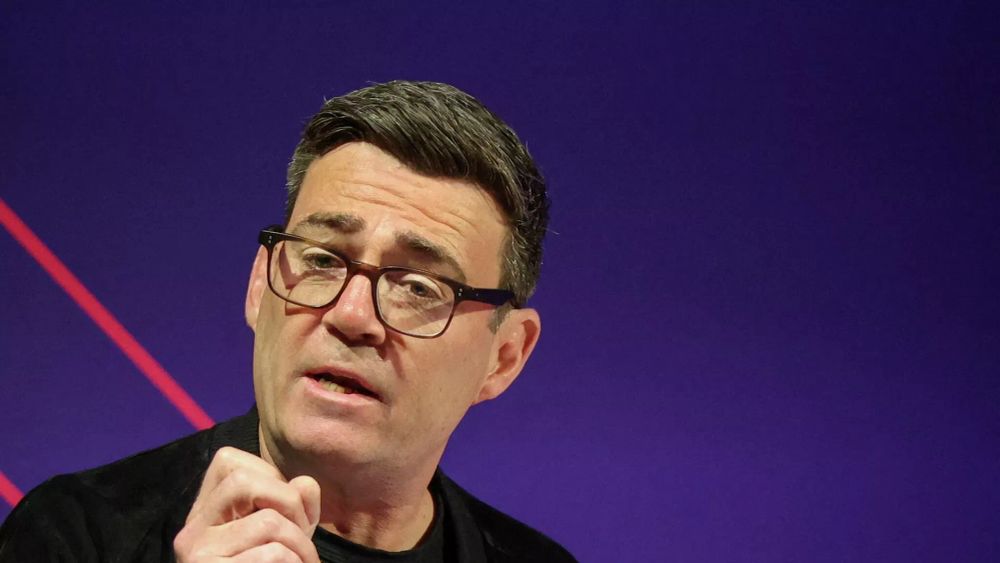
There is a certain irony in a party that pioneered all-women shortlists back in 1993 still not having managed, more than three decades later, to put a woman in charge of it. Andy Burnham is about to become Britain's prime minister without ever having had to beat a female rival for the job, because, as it happens, no female rival with a serious chance has ever gotten that close. That fact alone should tell you the "boys' club" complaints landing on his desk this week aren't sour grapes from a few disgruntled backbenchers. They're a symptom of something structural.
Labour's parliamentary party is 46% women. Rachel Reeves runs the Treasury, Yvette Cooper runs the Foreign Office, Shabana Mahmood runs the Home Office, three of the four great offices of state, bar the top job itself, are already held by women. On paper, this looks like a party that solved its representation problem years ago.
But representation and power turned out to be two different things, and that's precisely the distinction Jess Phillips was drawing when she said the quiet part out loud: giving someone a seat at the table and then ignoring them when they talk isn't equality, it's furniture. You can hit every diversity metric in the report and still run a government where the real decisions get made in a WhatsApp group of men who went to university together, or in this case, played five-a-side together on a Blair-era Sunday league team calling itself Demon Eyes. Polly Billington's jab about not wanting to "organise a reunion" of that squad wasn't really about football. It was about watching a familiar cast of male faces which circles back into relevance the moment a new leader needs advice, while women who've spent a decade in cabinet apparently don't rate the same phone call.