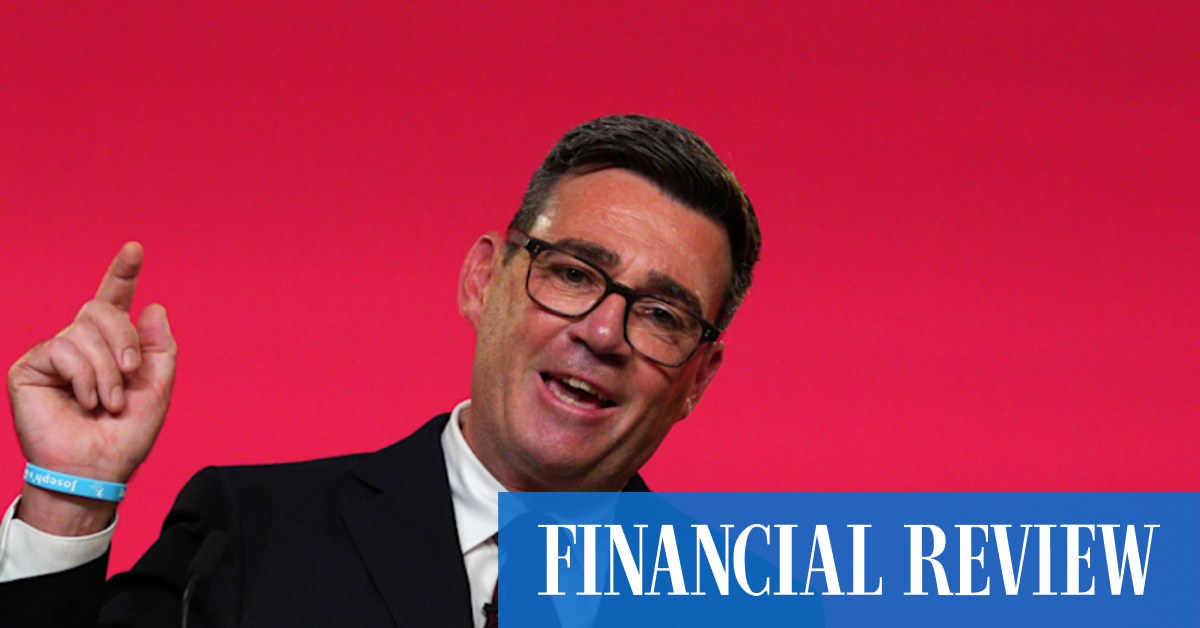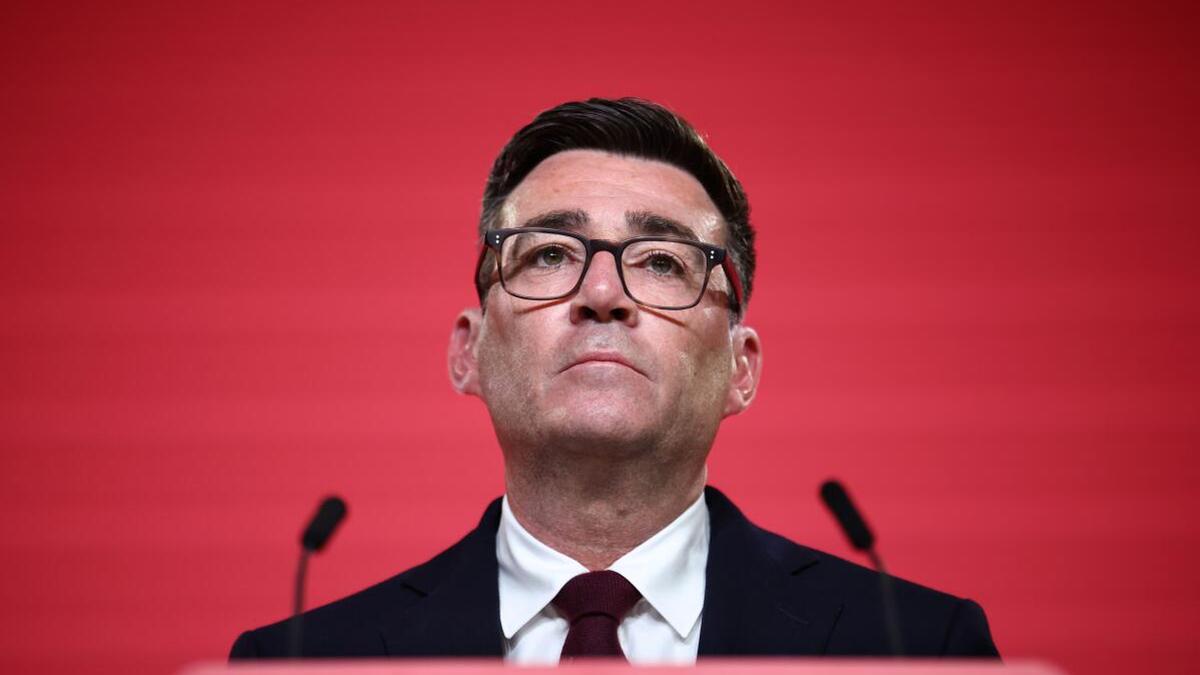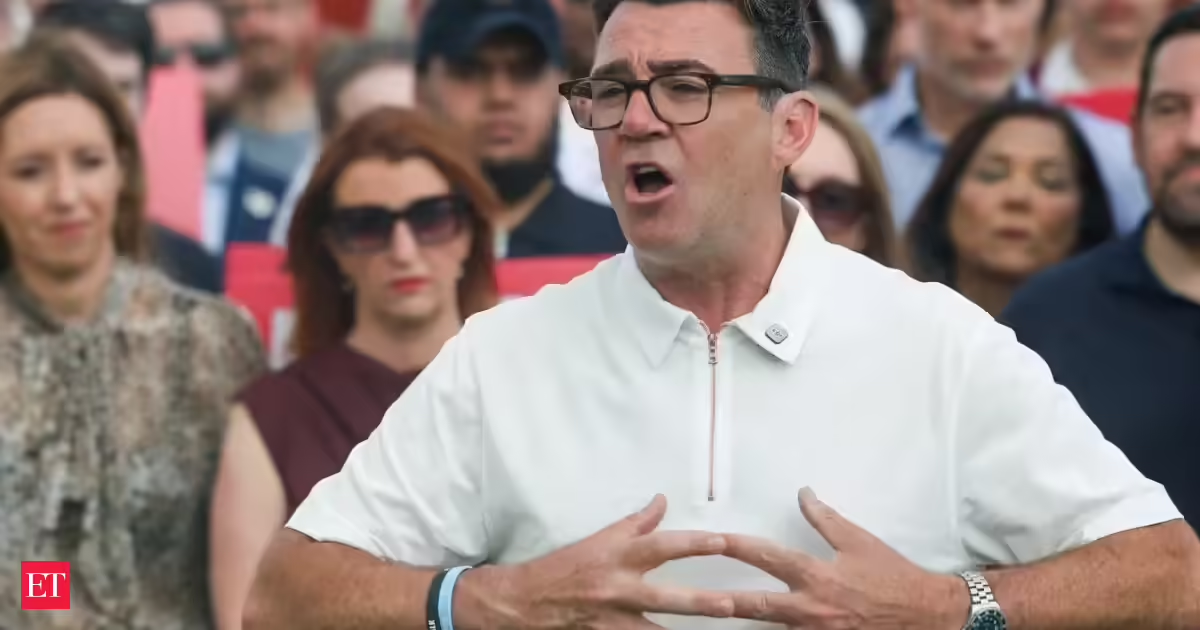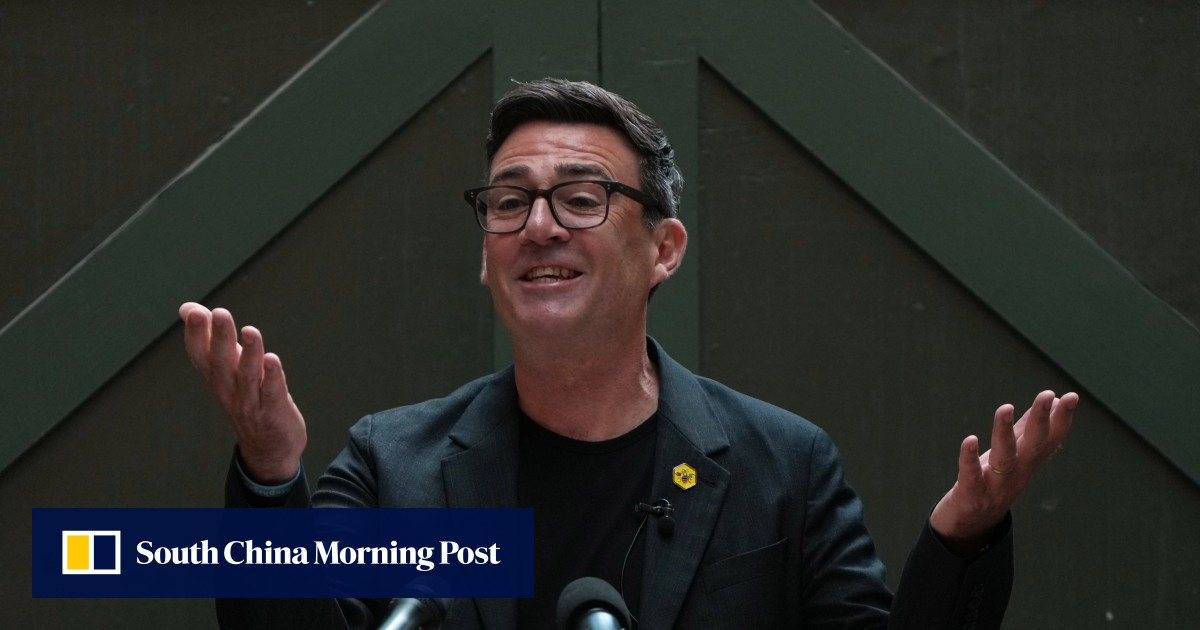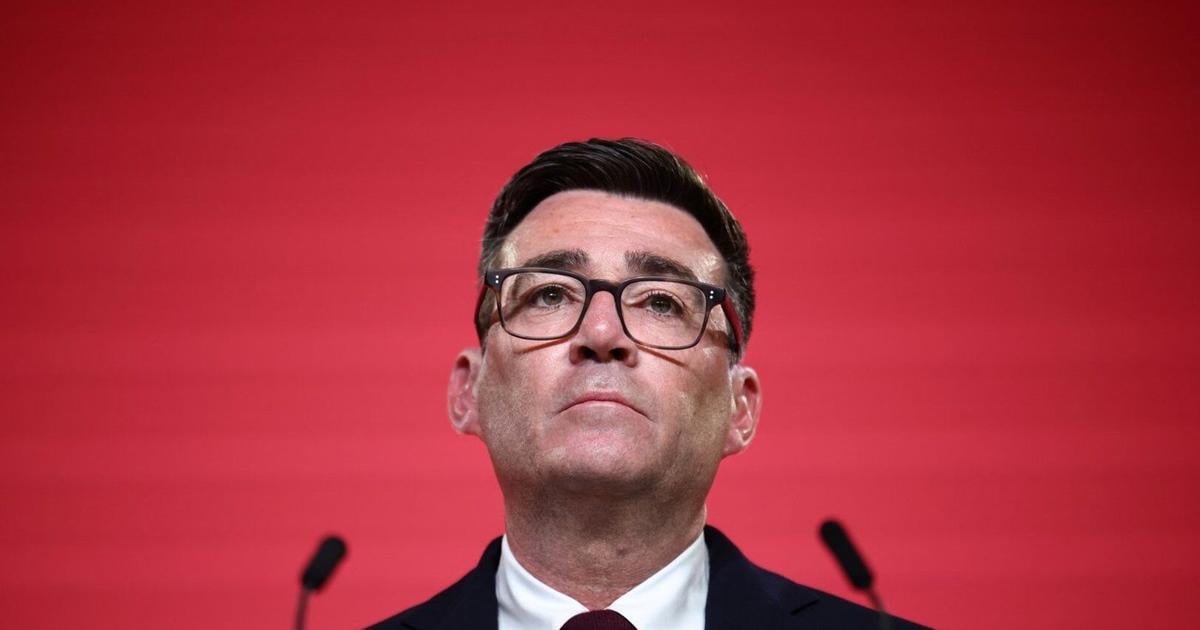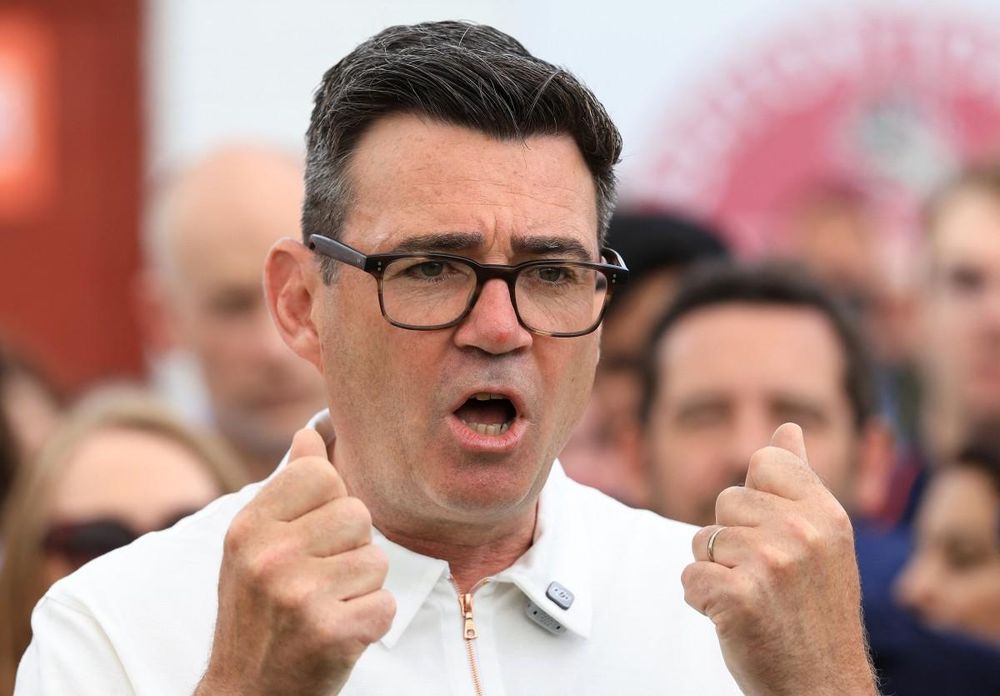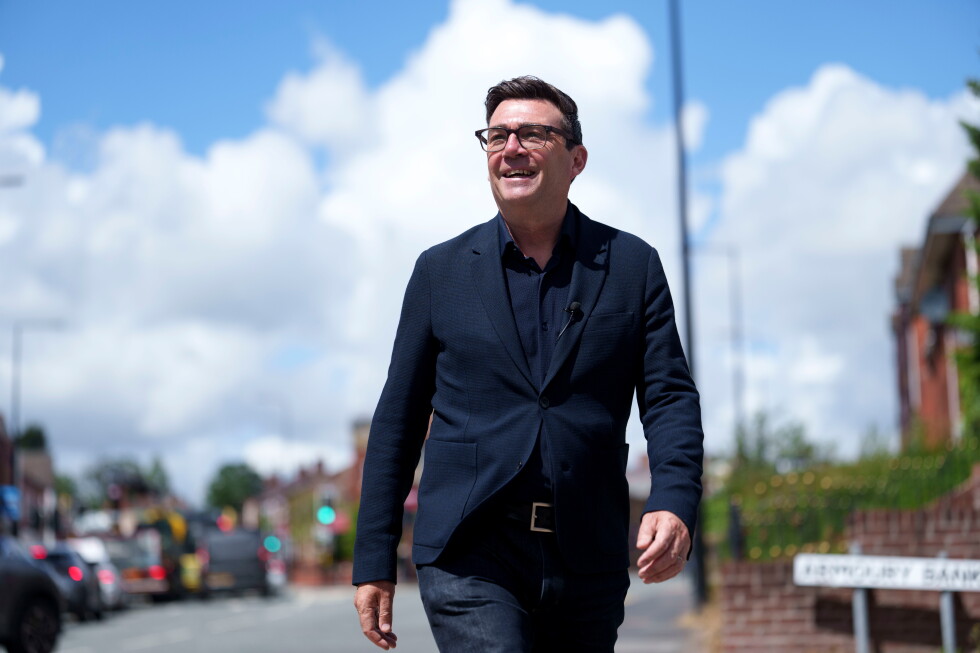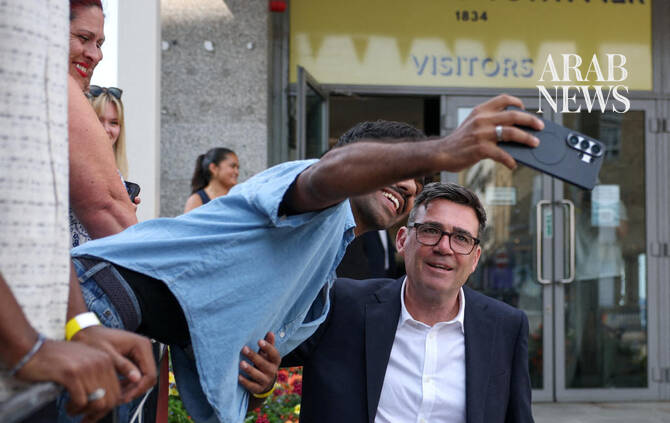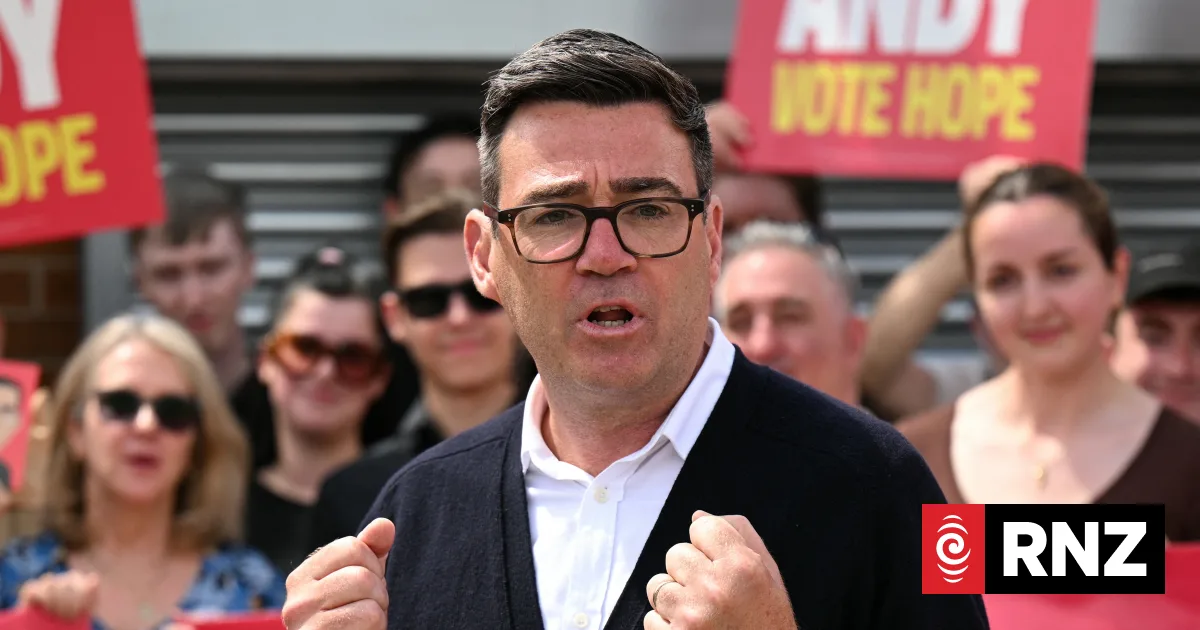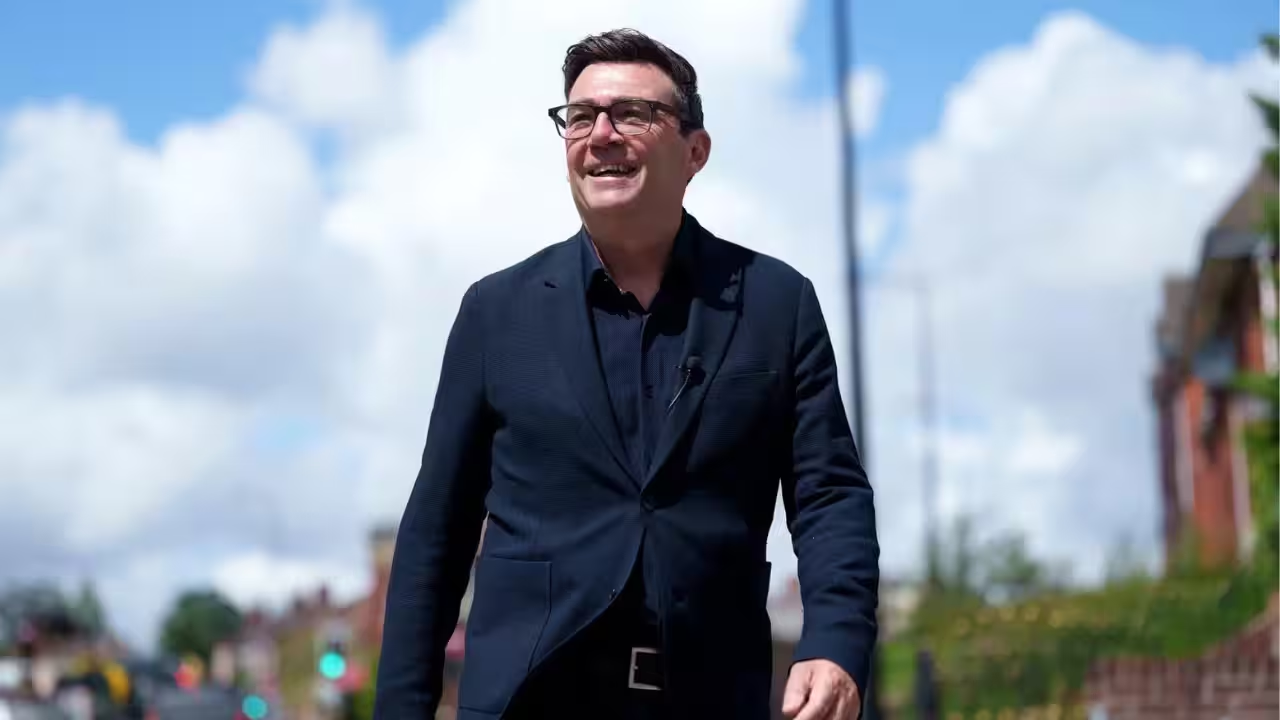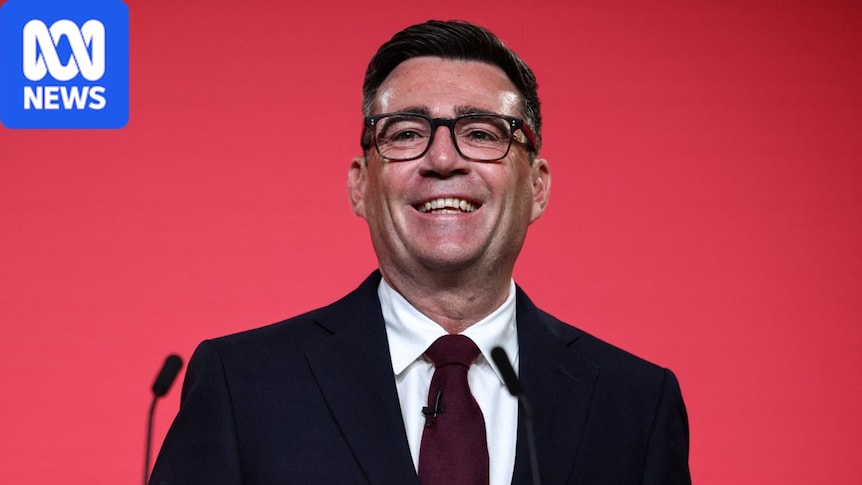
Andy Burnham will become Britain's seventh prime minister in 10 years next week after winning a Labour leadership contest in which his only challenger, an Australian, received just one vote.The vacancy at the top was sparked after unpopular incumbent PM Sir Keir Starmer resigned last month, two years after leading the party to a landslide general election victory.Mr Burnham was elected unopposed, sort of. British-Australian MP Catherine West was put forward by a colleague as an option to stand against him, but did not even vote for herself.Under Labour's rules, prospective leadership candidates must have the backing of at least 20 per cent of the party's lower house MPs to be considered viable.Labour has 403 MPs, meaning would-be challengers needed at least 81 to be considered.Voting opened on July 9 and by the time it closed on Wednesday evening, local time, Mr Burnham had 379 backers, and Ms West had one.Ms West grew up in Sydney but moved to the UK in 1998. She has represented the north London constituency of Hornsey and Friern Barnet since 2015.She did not nominate herself, and voted for Mr Burnham. However, she was put forward as a candidate by the MP for Bermondsey and Old Southwark, Neil Coyle, after it became mathematically impossible for her to get to 80 votes.Around two dozen Labour MPs, including Sir Keir, did not vote.While Sir Keir had been under pressure for months, backbencher Ms West in May became the first MP from within his own party to publicly call for him to resign.After being confirmed as Labour's new leader, Mr Burnham delivered a speech central London on Friday, local time."I don't need to say commiserations to Catherine West, because she backed me too. Thanks Catherine," he said.It is not clear why Mr Coyle decided to nominate Ms West. He had earlier this month declared on social media he would not vote in the contest.On Monday, in line with British tradition, Mr Burnham is expected to be invited to form a government during a private audience by King Charles III.Burnham wants 'to build a new politics'Mr Burnham is a former long-time MP and served as a minister in the Brown and Blair governments.He twice stood unsuccessfully for the Labour leadership and left national politics in 2017 to become the Mayor of Greater Manchester.The 56-year-old resigned from that role earlier this year and returned to Westminster via a by-election in June, and during his campaign openly declared he would challenge the PM if elected to the Commons.In his speech on Friday, Mr Burnham promised to work tirelessly in his new job, and bring Labour together again."I will work to build a new politics. The country is crying out for it," he said."We might enjoy the point scoring against others. The public don't. How can politicians point fingers when living standards are falling? And politics as a whole isn't working for them."It infuriates them and makes them switch off."Mr Burnham said he had not decided on who would make up his cabinet, amid speculation in the British media about who could be in line for promotions or demotions.He repeated his assertion that Britain "took a series of wrong turns in the 1980s", which was a decade defined by Margaret Thatcher's Conservative government."Over four decades, political and economic power drained away out of our communities in every region and nation of the UK," Mr Burnham said on Friday."If local places don't control something as basic as a bus service, how can they connect people to opportunity and turn things around?"He also went on to say he would be a "pro-business" PM, and attempt to decentralise power as much as he could.
Burnham to become next UK PM after Australian candidate gets one vote
Andy Burnham will be Britain's seventh prime minister in 10 years next week after winning a Labour leadership contest in which his only challenger, an Australian, received just one vote.
609 words~3 min read