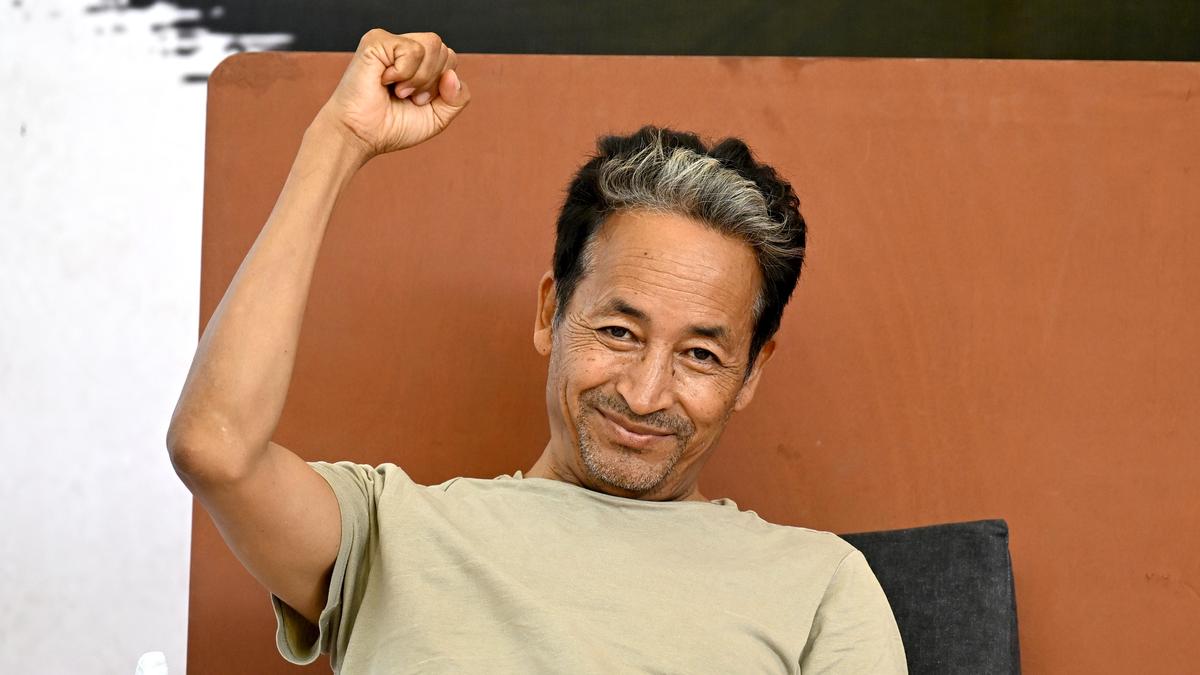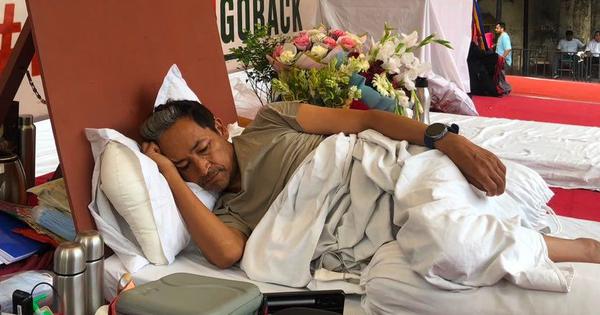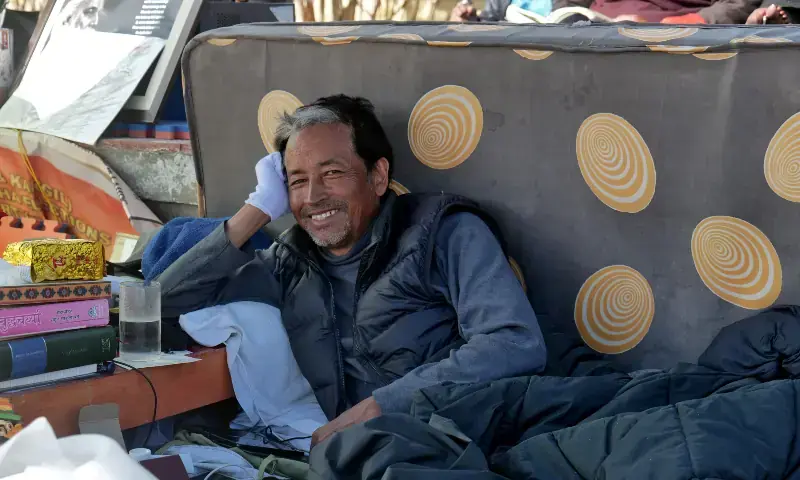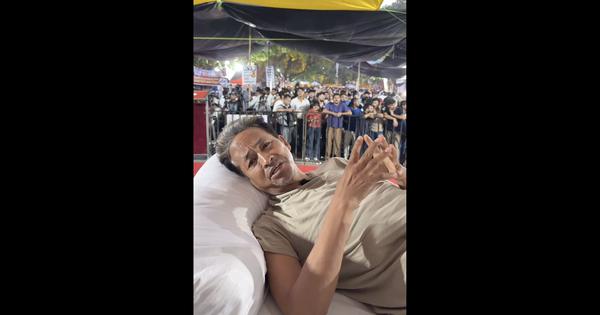
Indefinite fast by someone protesting a government action or decision cannot be perceived as a threat to public order.
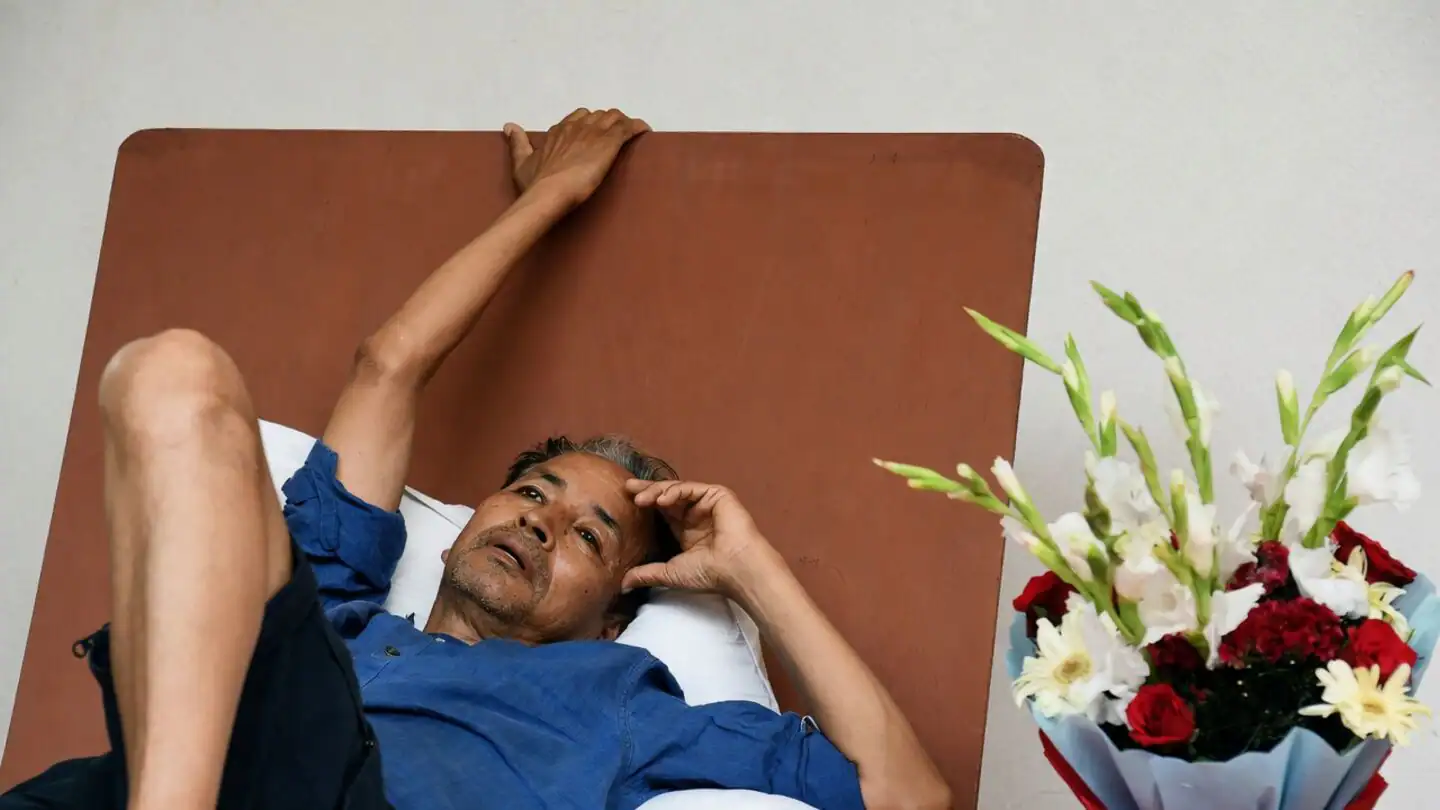
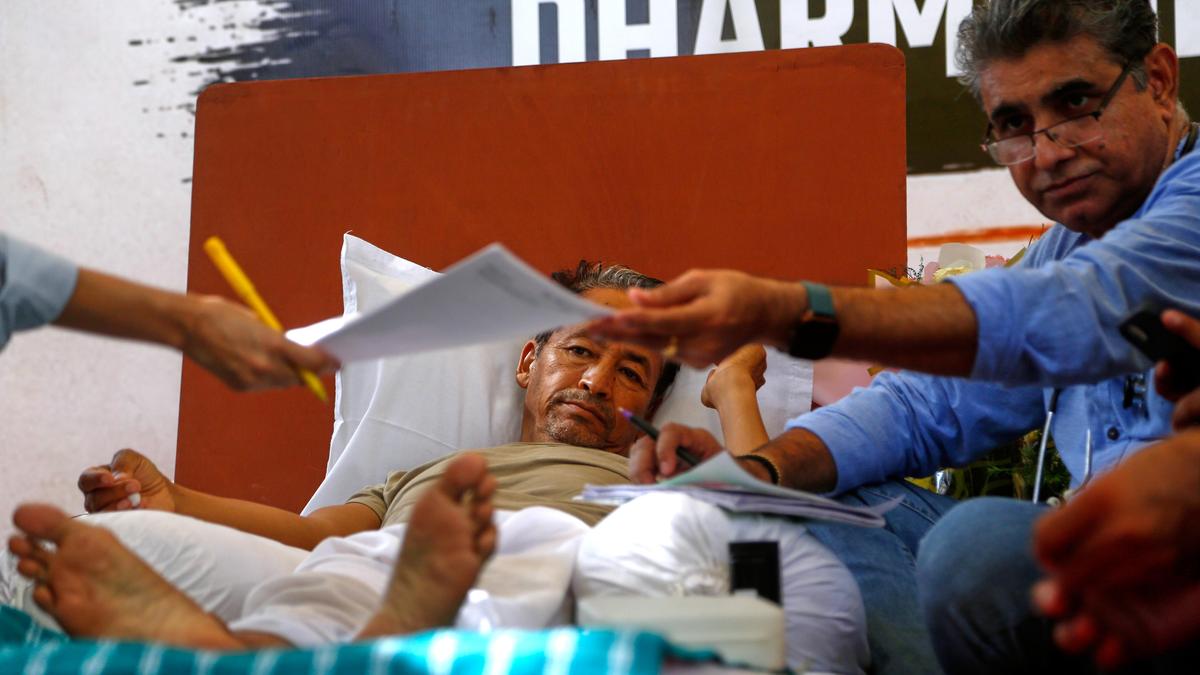
Multiple Supreme Court judgments and orders highlight the state’s paternalistic duty of care to preserve the life of a person on a hunger strike without disrupting his right to dissent.Yet the government has reacted to activist Sonam Wanghuk’s ongoing fasting at Jantar Mantar with silence for the past 19 days even as an alarmed Delhi High Court asserted on July 16 that the “life of any citizen is precious”.A series of orders of a Supreme Court Bench headed by Justice Surya Kant (currently the Chief Justice of India) had similarly stressed the constitutional duty and responsibility of the state to ensure that no harm was caused to the life of a person on an indefinite fast.The orders were passed during periodic hearings held in the case of Punjab farmer leader Jagjit Singh Dallewal during the latter half of the year 2024. The septuagenarian Dallelwal’s hunger protest against the controversial farm laws had crossed 20 days. The court highlighted that both the Union of India and the State of Punjab must take into consideration the age, medical health issues and the fact that Dallewal was a prominent citizen.The Bench had held that it was the “bounden duty of the State of Punjab, the Union of India and other stakeholders to take all necessary measures to provide immediate adequate medical aid to Jagjit Singh Dallewal without forcing him to break his fast unless it is imperative to do so to save his life”.In the apex court judgment in the suo motu case of ‘In Re: Ramlila Maidan Incident’, the court narrated instances of the then UPA government reaching out to Baba Ramdev to dissuade him from going on a hunger strike against corruption in 2011.“extra mile”The judgment recorded that the then Prime Minister had gone the “extra mile” to dissuade Baba Ramdev.“On May 4, 2011, Baba Ramdev had written a letter to the Prime Minister stating his intention to go on fast to protest against the government’s inaction against bringing back the black money. This was responded to by the Prime Minister on May 19, 2011 assuring him that the government was determined to fight with the problem of corruption… and asking him to drop the idea of going on a hunger strike till death,” the judgment recorded.The same judgment also narrated how four senior Ministers of the UPA government had met Baba Ramdev at the airport when he arrived in Delhi on June 1, 2011 to persuade him against the hunger strike. They had later held a meeting with Baba Ramdev at The Claridges in the national capital.The Supreme Court has consistently discouraged the Executive from taking a hostile view of persons who wants to express their stand by fasting. The court have held that state cannot disrupt the right of expression unless there was a “genuine threat or reasonable bias of communal disharmony, social disorder and public tranquility”.Hunger strikes are neither unconstitutional nor barred under any law. Indefinite fast by someone protesting a government action or decision cannot be perceived as a threat to public order.“It is a form of protest which has been accepted, both historically and legally in our constitutional jurisprudence… It draws its source from the Satyagraha of Mahatma Gandhi.,” the Supreme Court emphasised the duty of the state to reach out and save a life.Published on July 16, 2026