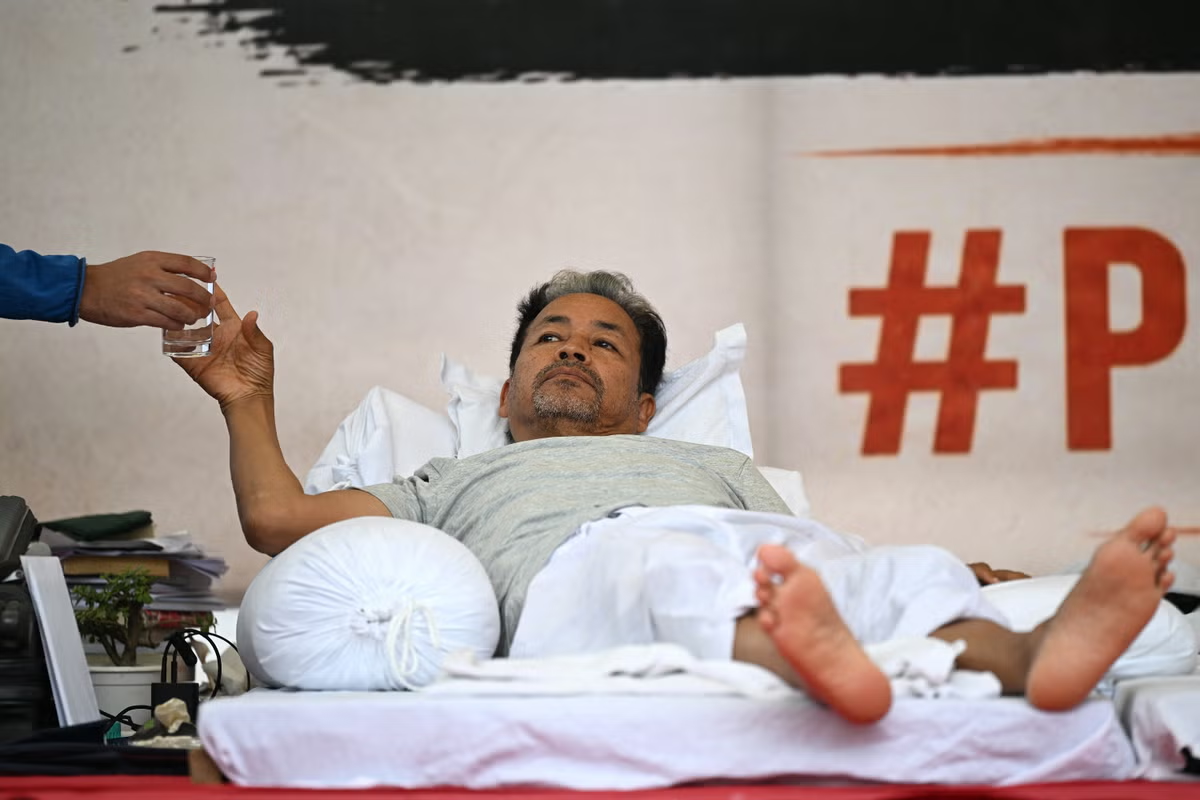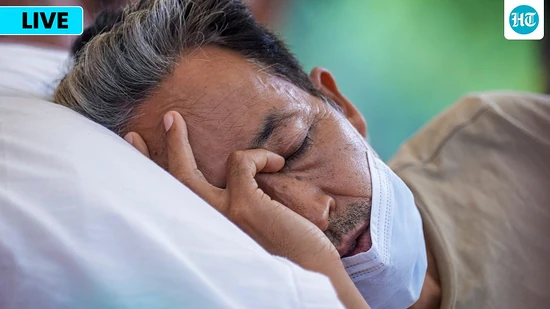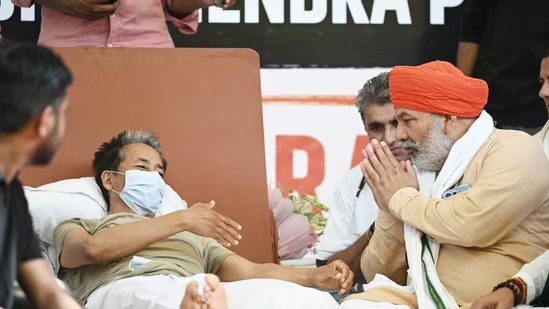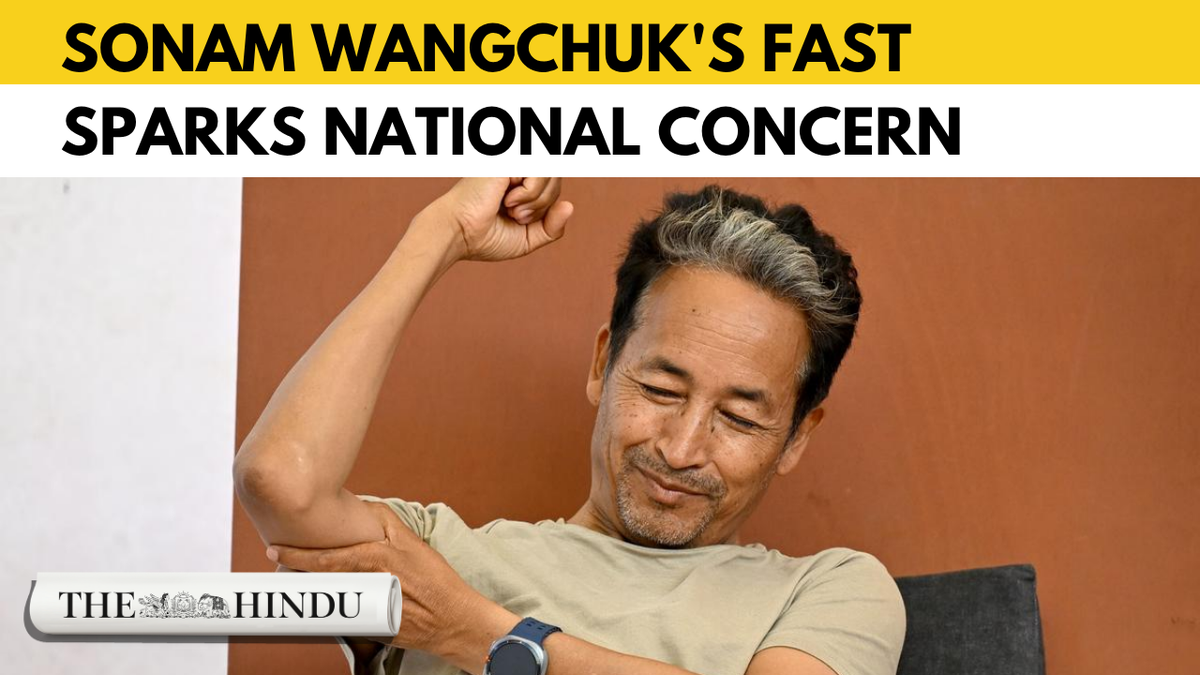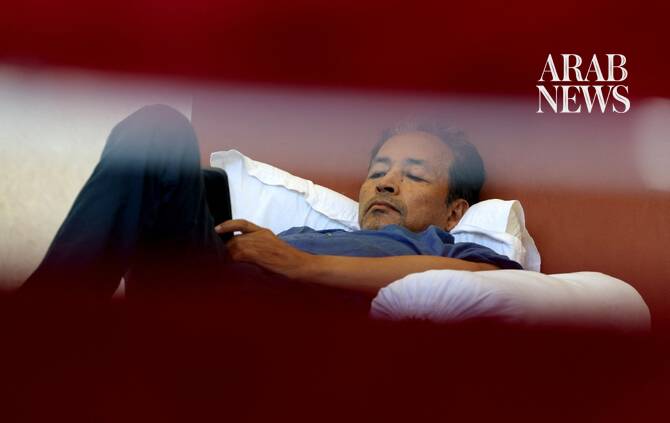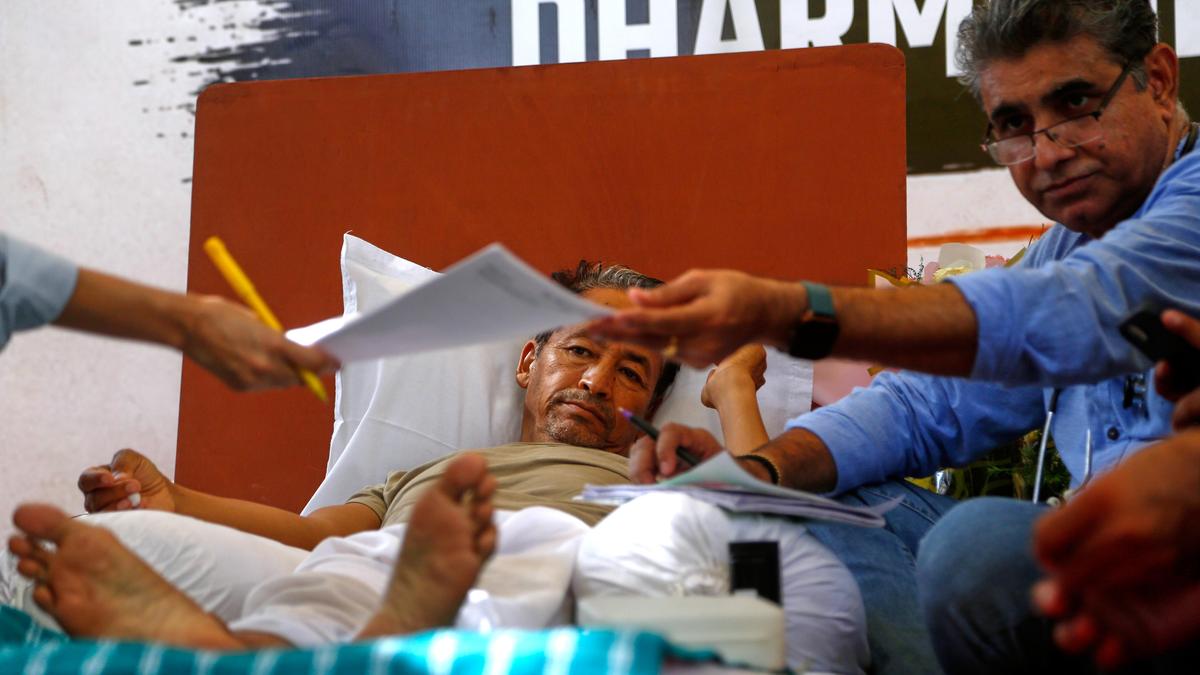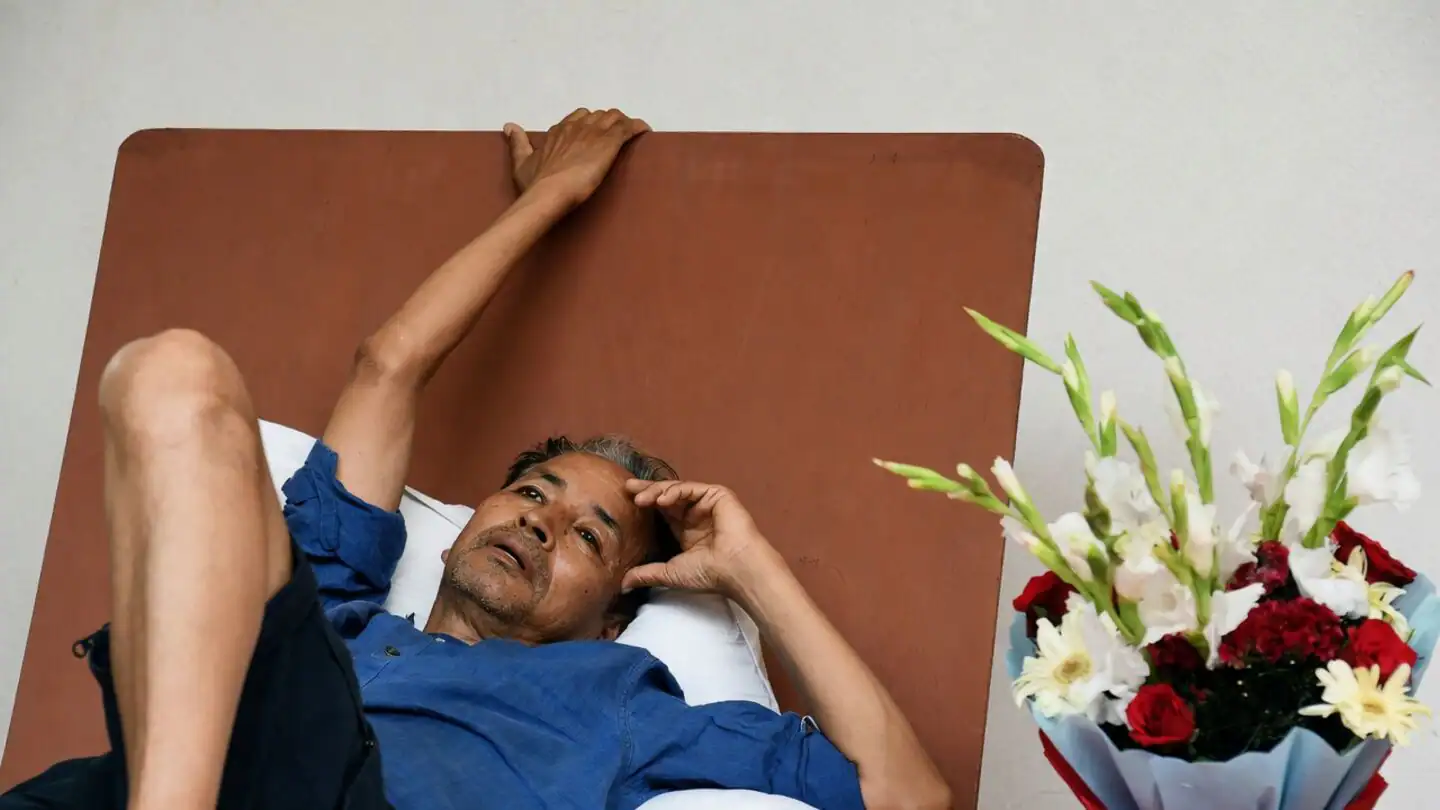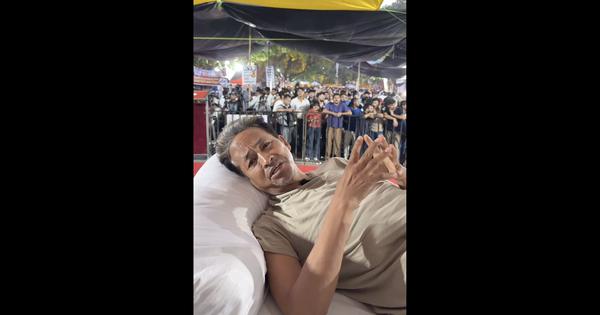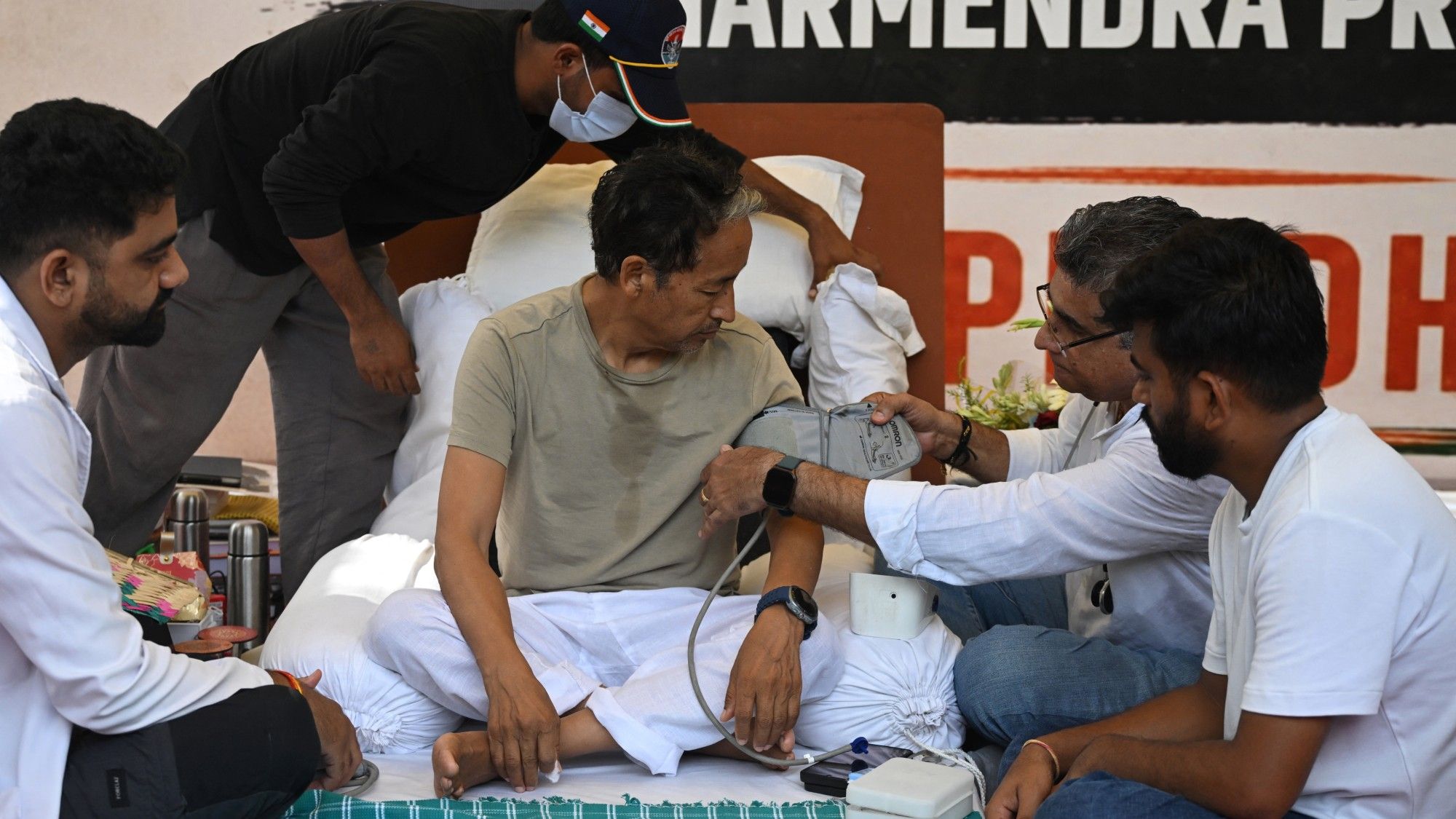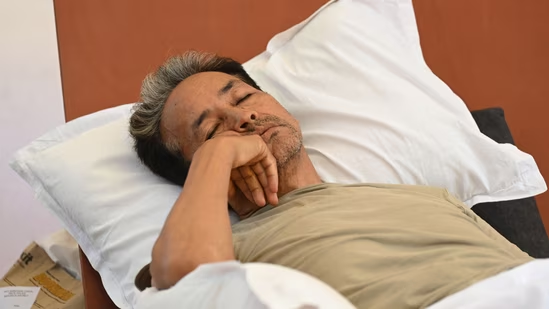
SynopsisSonam Wangchuk's hunger strike has now reached its nineteenth day, sparking serious health concerns as the situation worsens. In response, the Delhi High Court has mandated daily health checks and necessary medical assistance. The government's disregard for the pressing exam system crisis reflects a severe lack of proactive governance, obstructing fruitful dialogue and peaceful protest for change.Protests like hunger strikes are a double-edged sword: they possess moral leverage, but can trap protesters in a corner where finding a dignified path to call it quits becomes difficult. Sonam Wangchuk - supporting Cockroach Janta Party's demand for the resignation of Union education minister Dharmendra Pradhan over alleged irregularities in exams like NEET - faces this dilemma. As his indefinite fast crosses 19 days, the strategic space has narrowed significantly.Responding to an urgent PIL, Delhi High Court directed GoI to ensure Wangchuk's health is monitored daily and that immediate medical intervention is provided. Wangchuk's fast has reached a critical stage where his health is failing rapidly. Yet, he refuses to capitulate. The PIL argues that state inaction amounts to abetting suicide, highlighting how maximalist demands leave little room for constructive engagement. There is nothing wrong with such intense, peaceful protests. They are well within the democratic tradition of expressing dissent. However, there always needs to be a tactical Plan B, especially when there is every possibility that the state will simply not respond.So far, GoI has sidestepped its duty to act as the state's representative that listens to dissent that a robust democracy demands. While it may have won a cynical tactical game by allowing the protest to exhaust itself, it has literally offered no statesmanship. By effectively pushing the massive exam system crisis down the road to next year, GoI has chosen cold, unyielding stonewalling. This refusal to engage, more than holding successful elections, gives you an inkling of the quality of a democracy. Ultimately, democracy is a partnership, and state indifference abdicates that responsibility. ...moreElevate your knowledge and leadership skills at a cost cheaper than your daily tea.Subscribe Now
An unlistening state speaks for itself - The Economic Times
Sonam Wangchuk's hunger strike has now reached its nineteenth day, sparking serious health concerns as the situation worsens. In response, the Delhi High Court has mandated daily health checks and necessary medical assistance. The government's disregard for the pressing exam system crisis reflects a severe lack of proactive governance, obstructing fruitful dialogue and peaceful protest for change.
338 words~2 min read