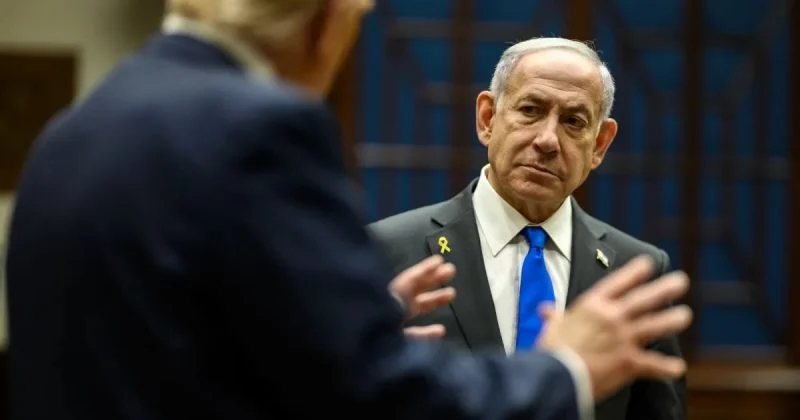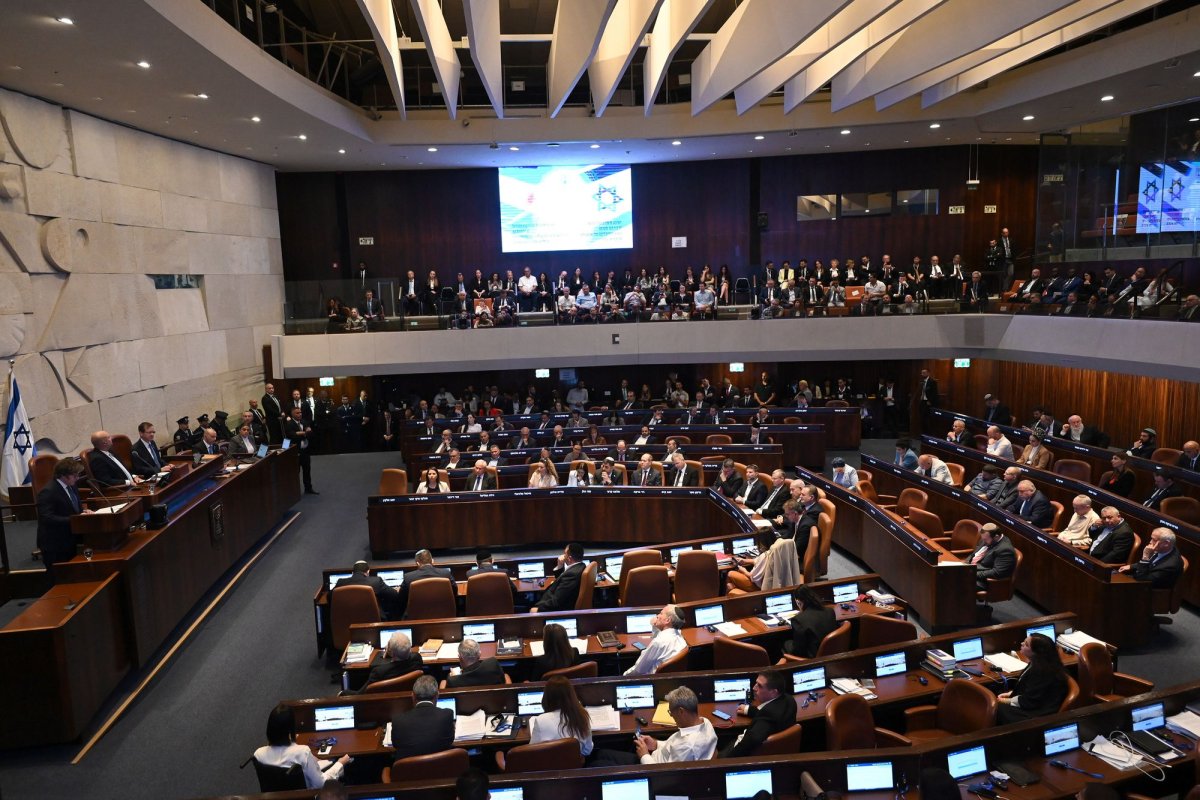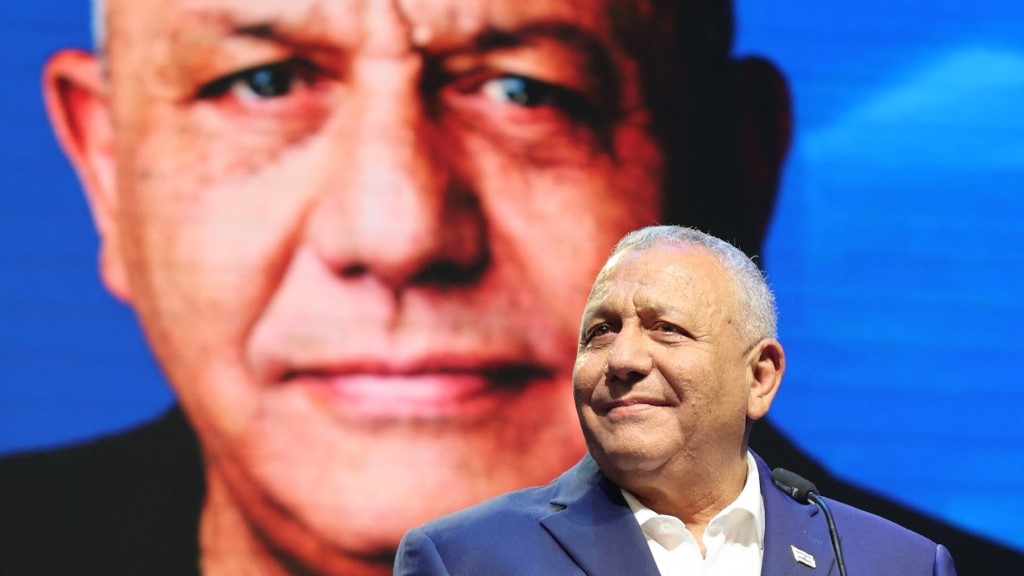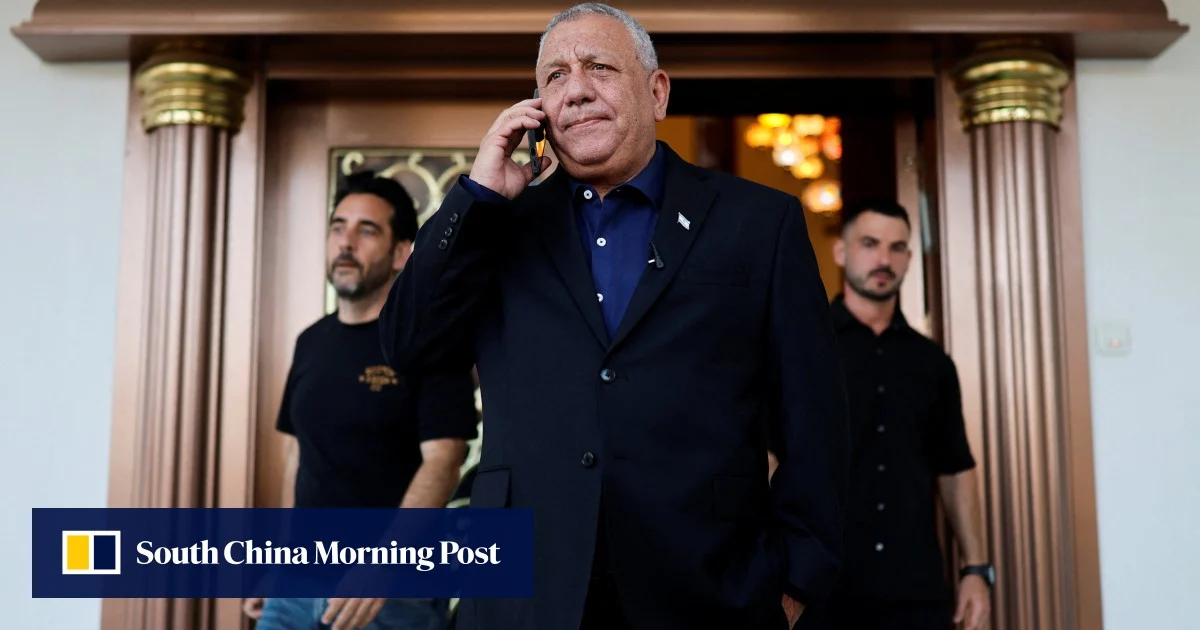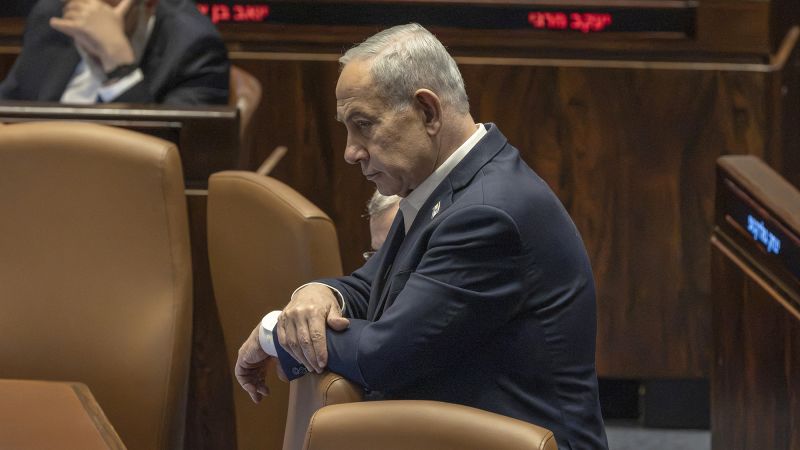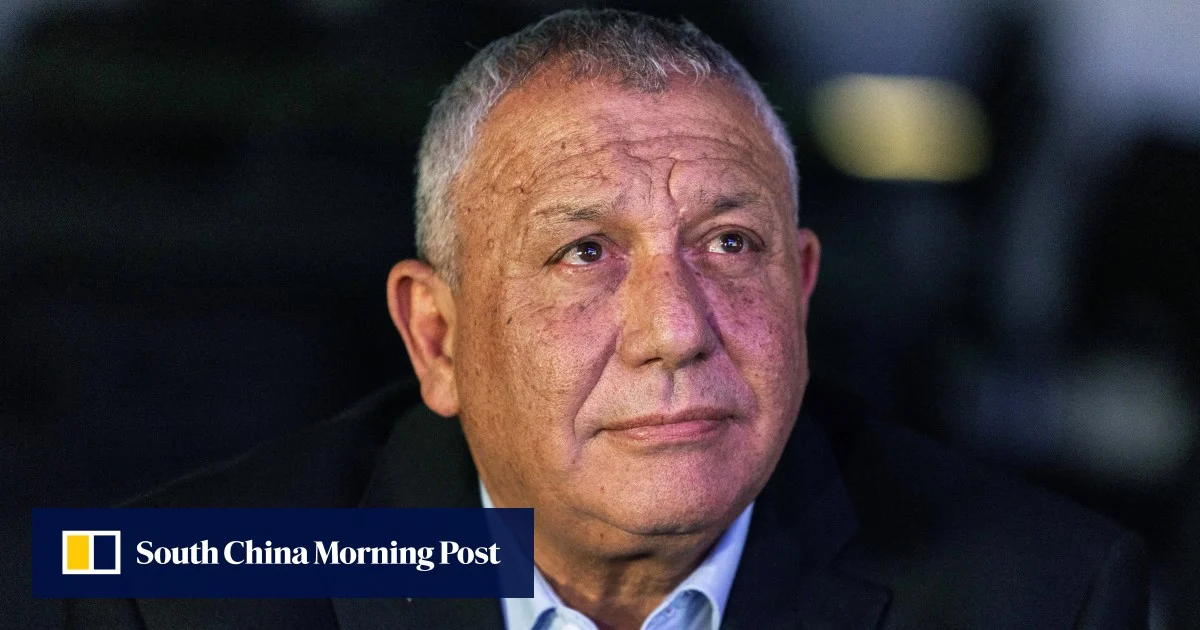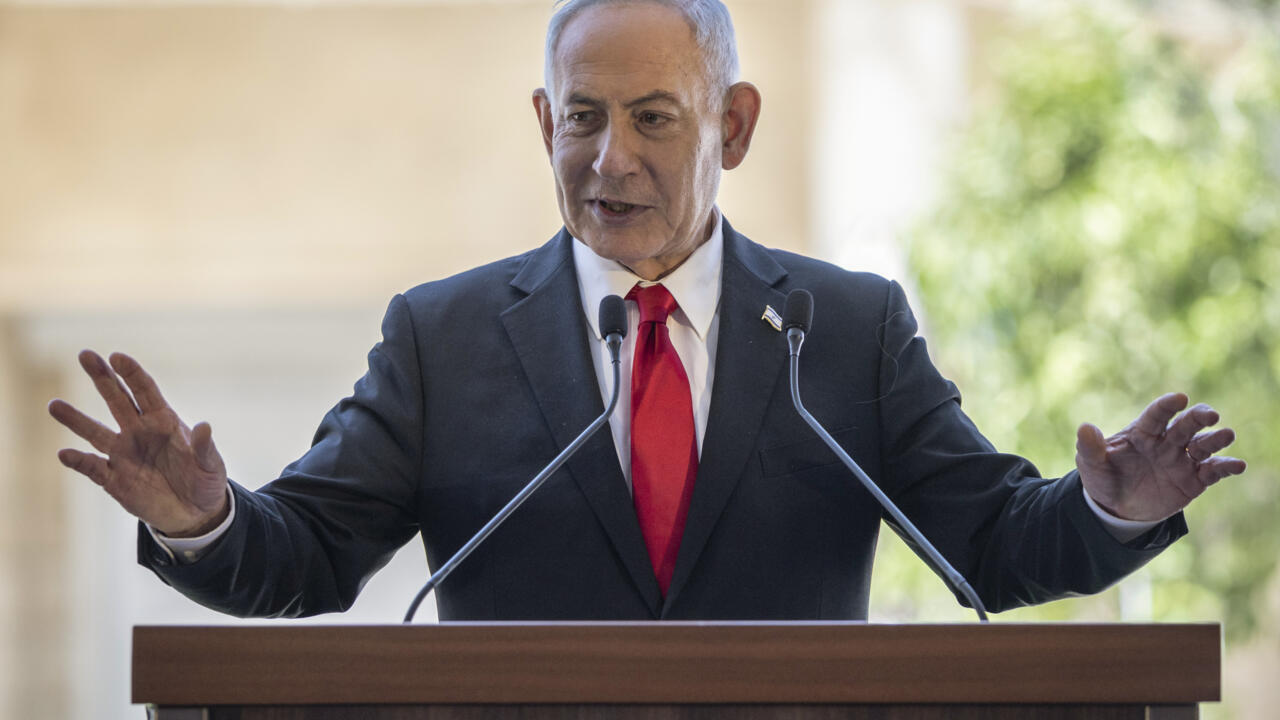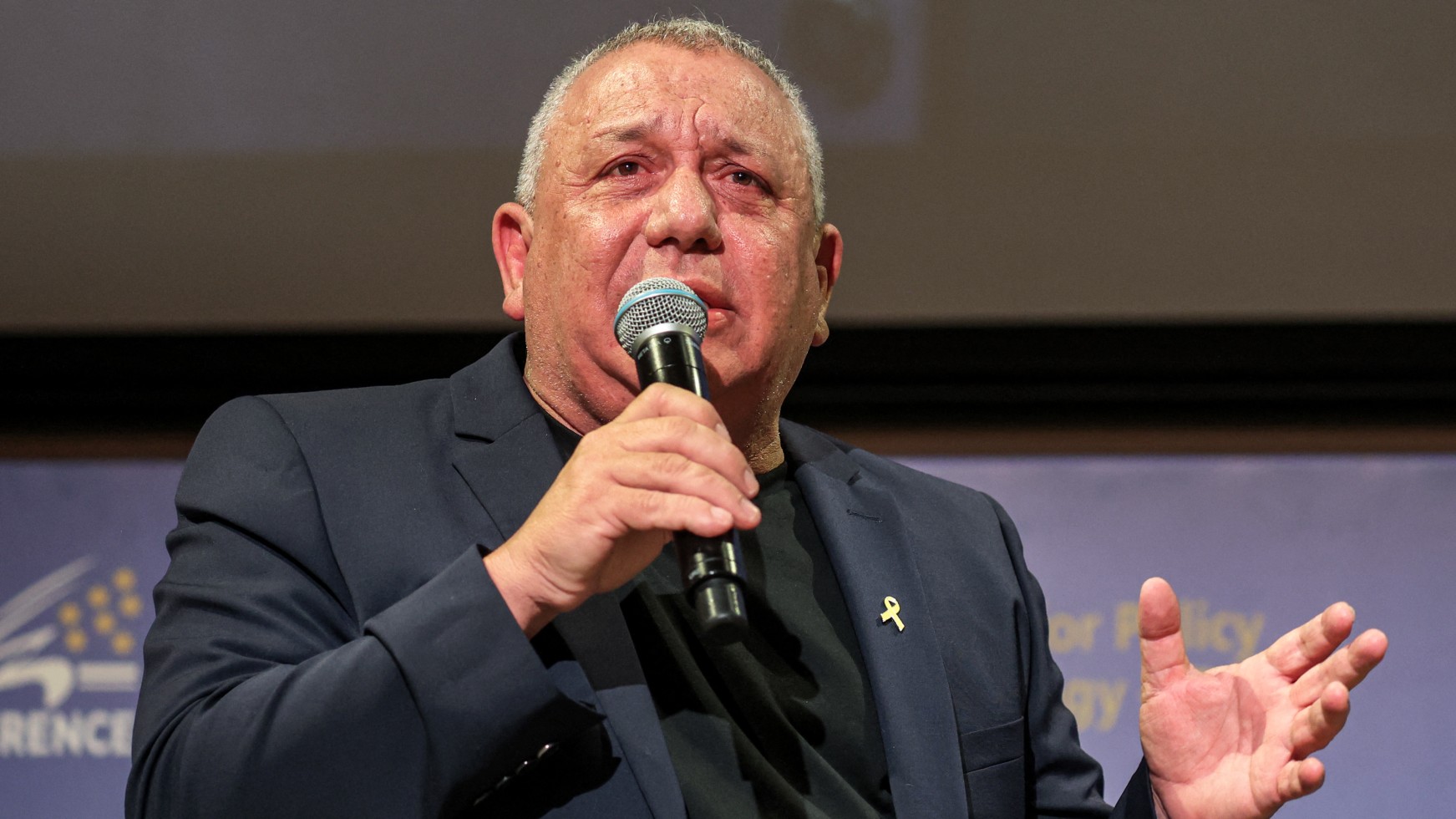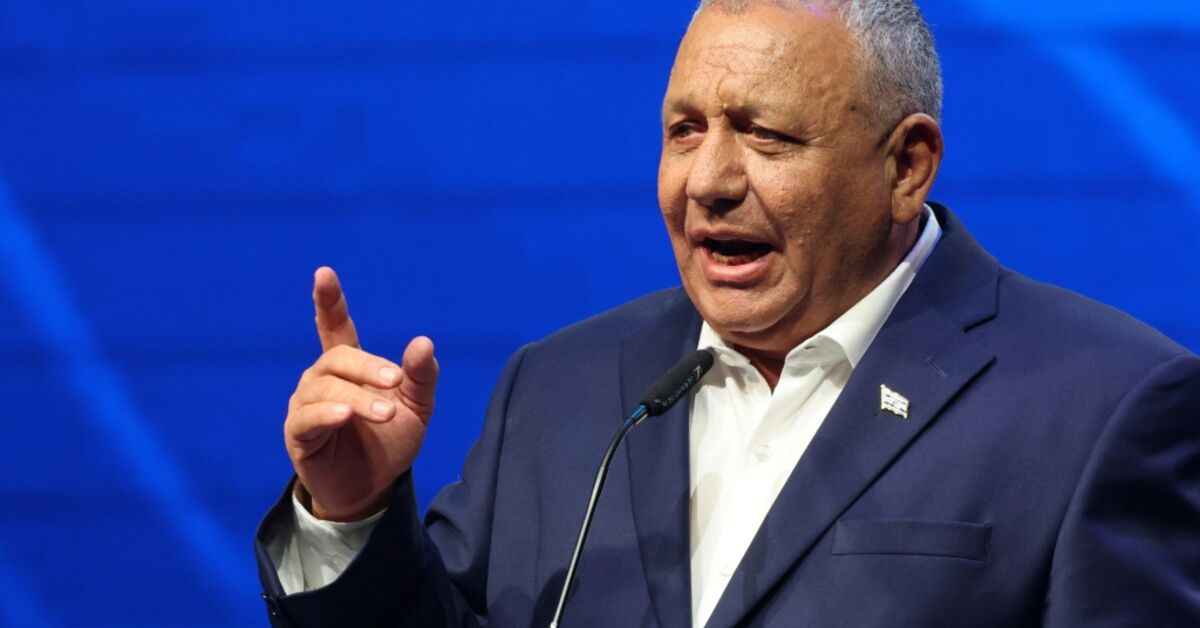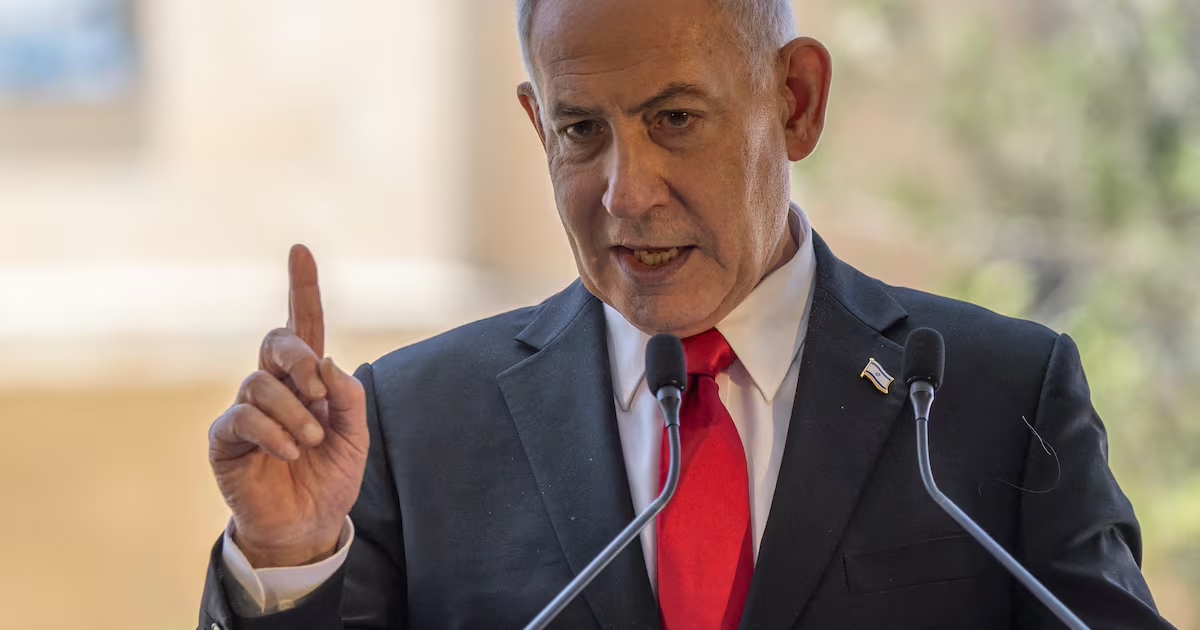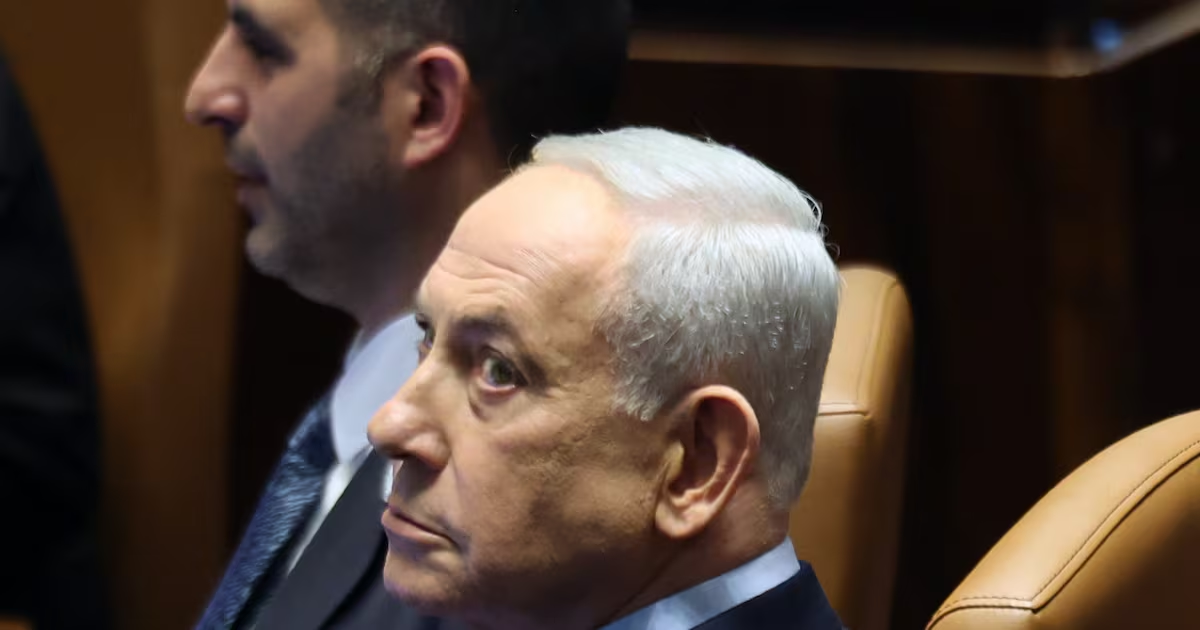
Israeli prime minister Binyamin Netanyahu’s government has passeda string of controversial laws weakening the judiciary and benefiting religious parties in a bid to strengthen the coalition before October’s general election.The legislation forms part of deals with ultra-Orthodox parties to ensure they will remain part of his right-wing religious bloc when negotiations begin on forming a new coalition after the vote.Some of the legislation is deeply unpopular with much of the Israeli public and could alienate some voters.Israel’s longest-serving premier, Netanyahu (76) is being challenged by Gadi Eisenkot and others. The former head of the armed forces has emerged as Netanyahu’s main rival and has taken a lead in the polls.Israel's former army chief of staff Gadi Eisenkot in 2022. Photograph: Jack Guez/AFP via Getty Images A contentious law that seeks to significantly weaken the attorney general’s power to influence and have oversight over the government was passed on Wednesday. It carries forward a core piece of the pre-war judicial overhaul that sparked widespread protests in 2023.The arrest of ultra-Orthodox men who refuse to enlist in the Israel Defense Forces (IDF) has been frozen despite pleas from the army that they are desperately short of combat troops following almost three years of war in the Gaza Strip and, more recently, in Lebanon. In parallel, a Bill was passed enshrining Torah study as a “fundamental value” and mandatory military service for regular soldiers was extended to 32 months.Local council heads denounced the moves as a “severe blow to national resilience and the cohesion of Israeli society.”The Knesset gave final approval overnight on Wednesday to legislation allowing gender-segregated classes in master’s and doctoral programmes, despite warnings that the measure could exclude women, weaken academic standards and harm the quality of medical training.The deans of Israel’s nine medical schools sent lawmakers a strongly worded letter warning that applying the legislation to medicine and health professions could severely damage the quality of care and endanger public health.On Thursday, the Knesset was expected to pass a Bill that would significantly expand government control over the broadcast media by restructuring media regulation.Critics say the proposal will disadvantage mainstream news channels which the government claims have a left-wing bias, while benefiting the pro-government Channel 14.In other last-minute moves before Friday’s parliament recess, more funds were allocated for settlements in the occupied West Bank and the ultra-Orthodox; the head of the Shin Bet security agency agreed to a request from Sara Netanyahu, the prime minister’s wife, and recommended extending a security detail to the Netanyahu family for at least five years, even if Netanyahu loses the election; and funds were diverted from the Arab sector budget and transferred to the Shin Bet.
Israeli government passes disputed laws to shore up support for Netanyahu before election
Former head of armed forces Gadi Eisenkot has emerged as PM’s main rival and has taken a lead in the polls
443 words~2 min read