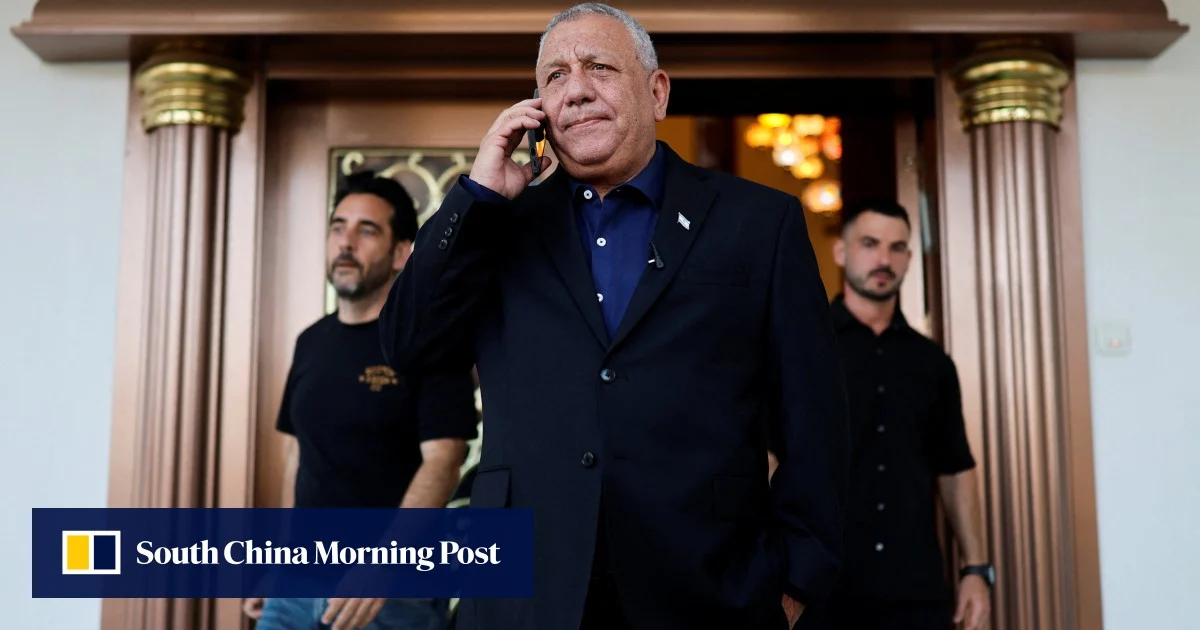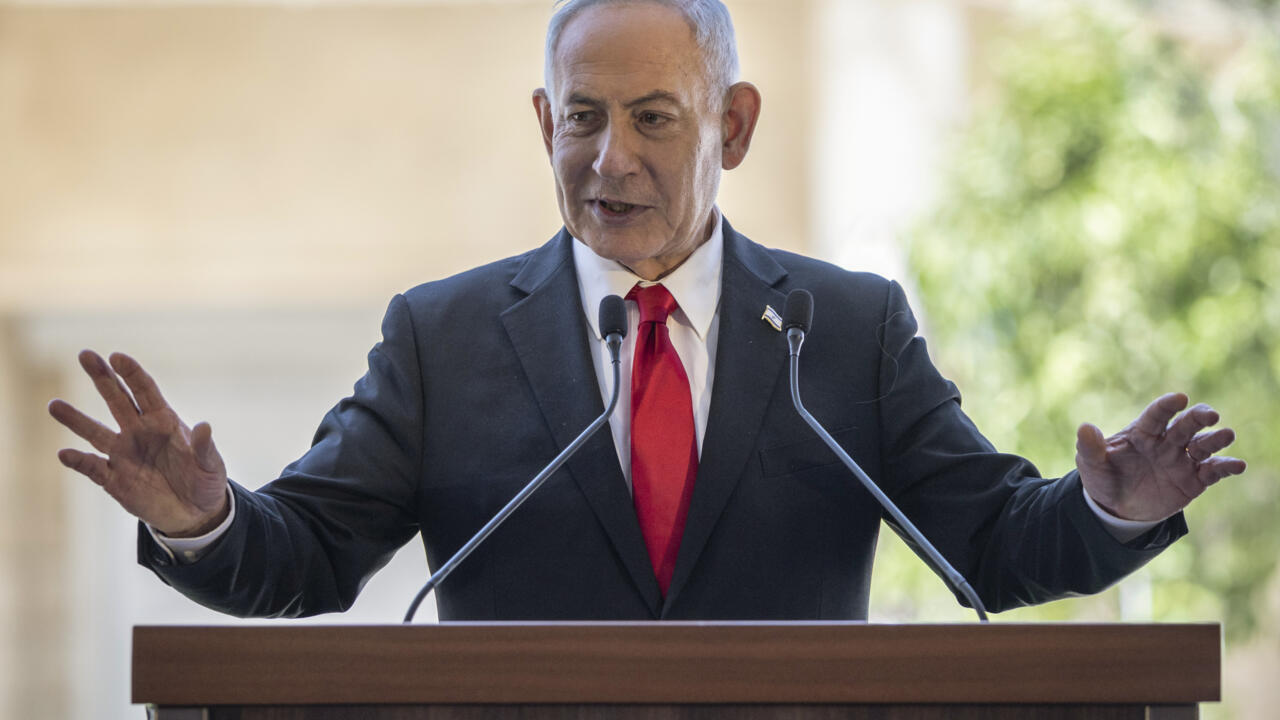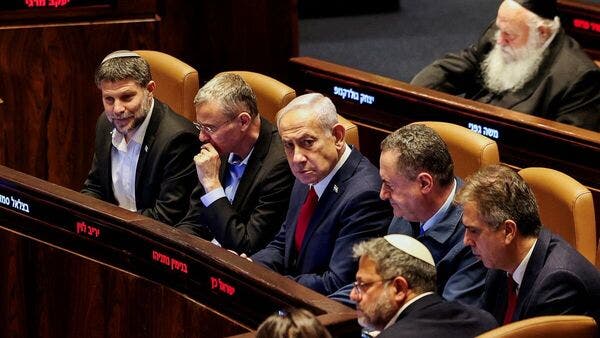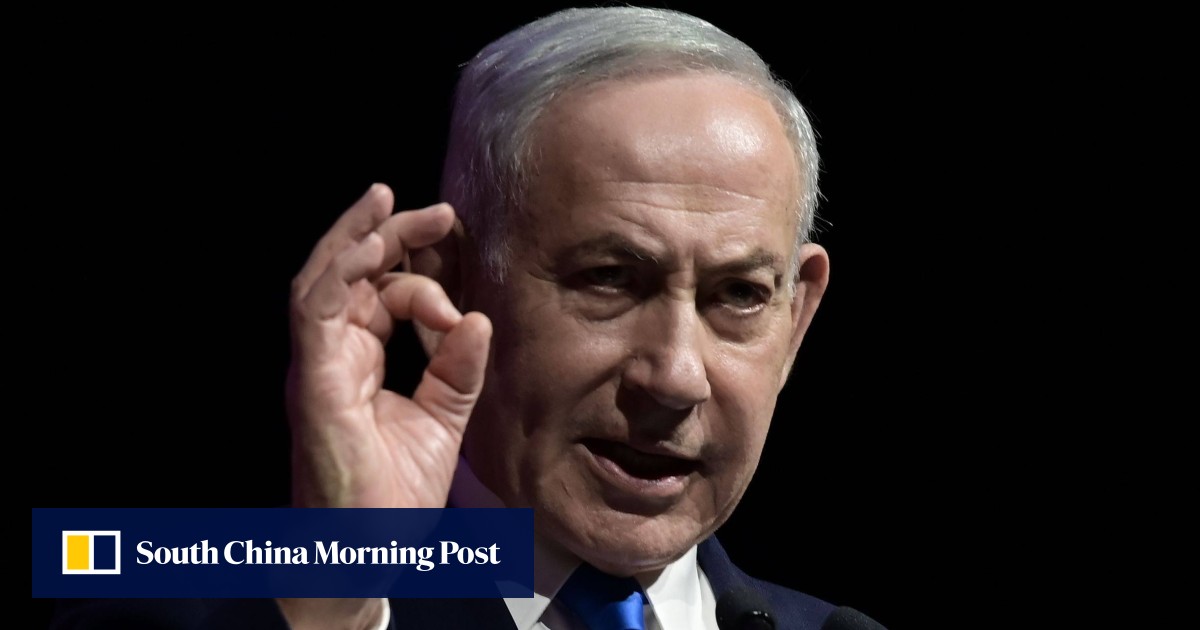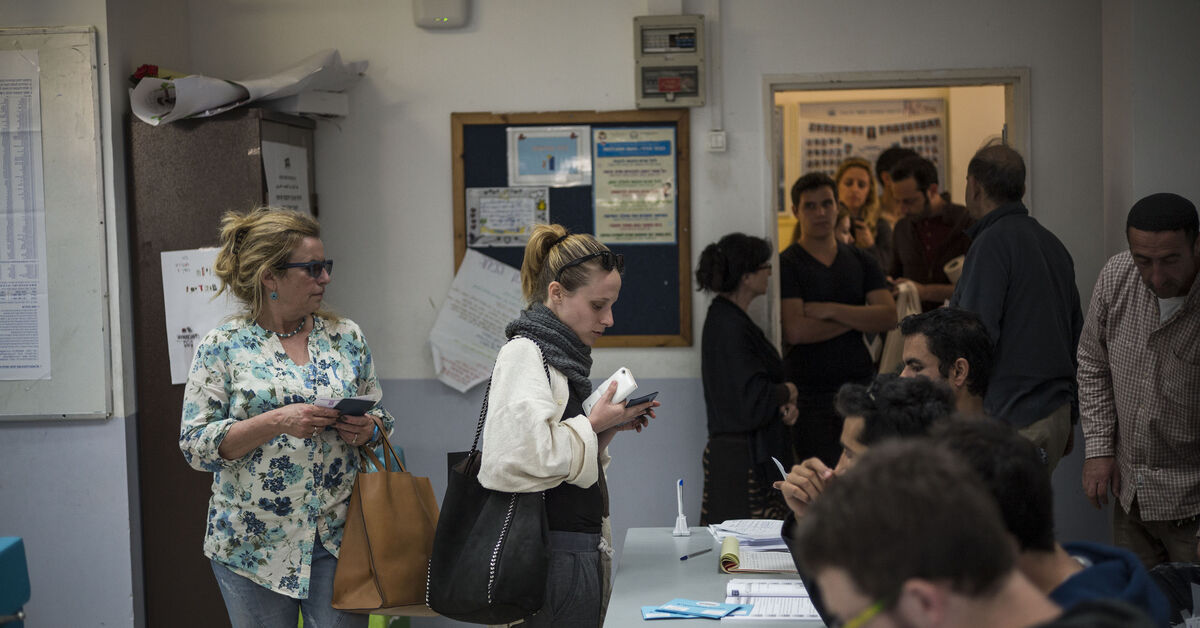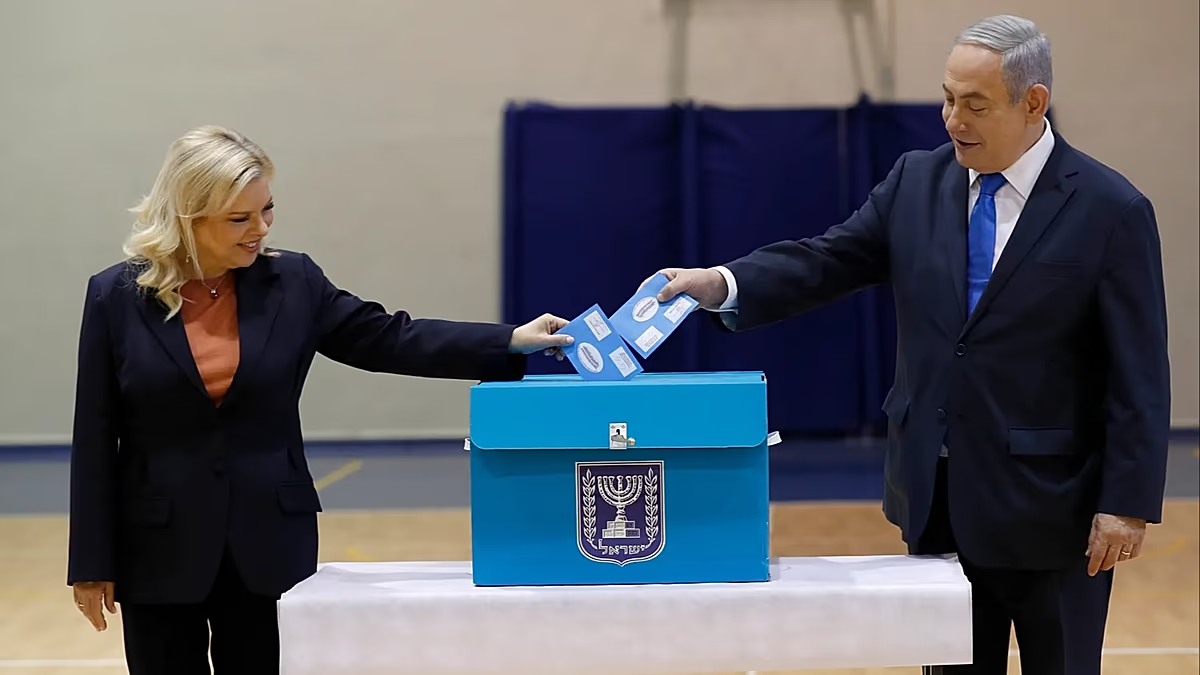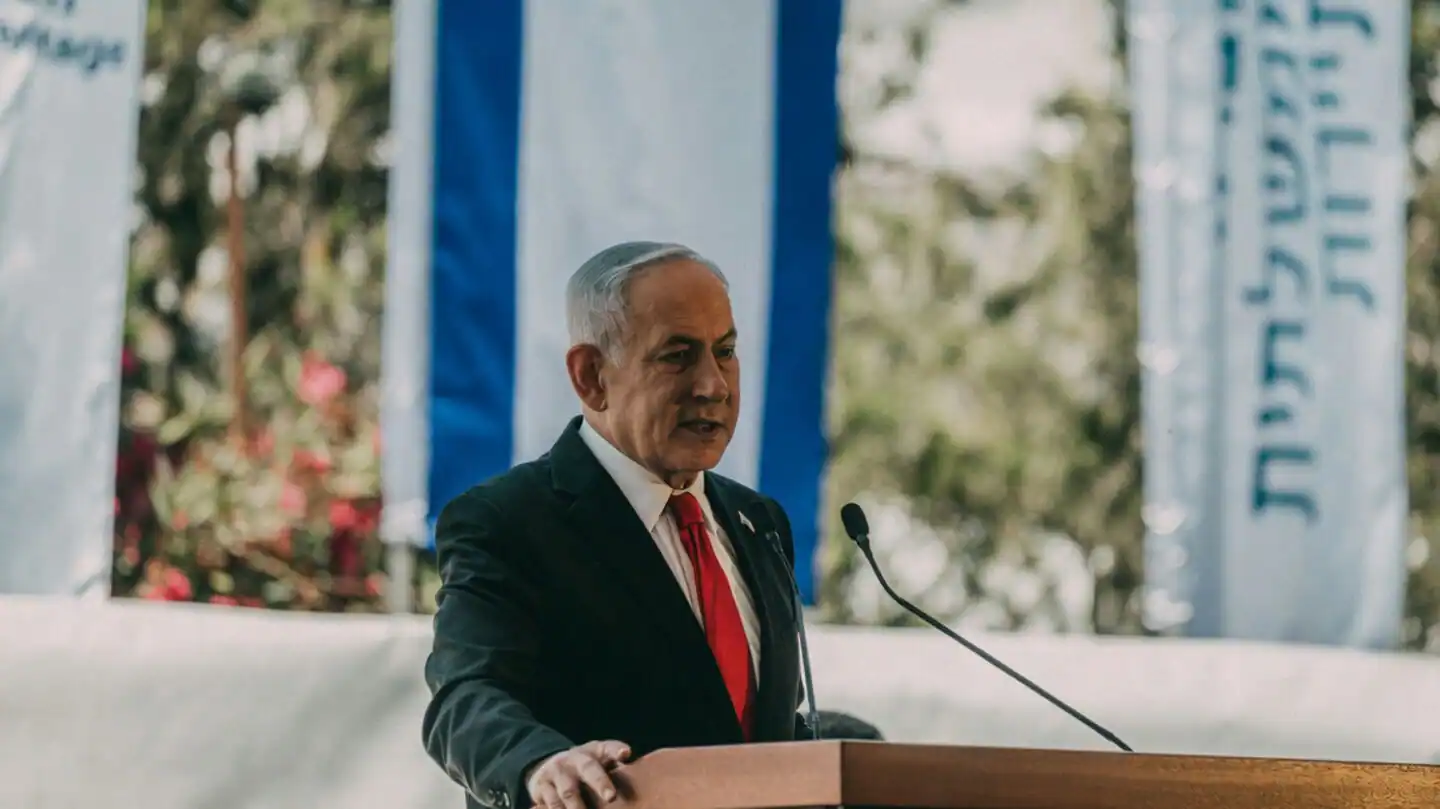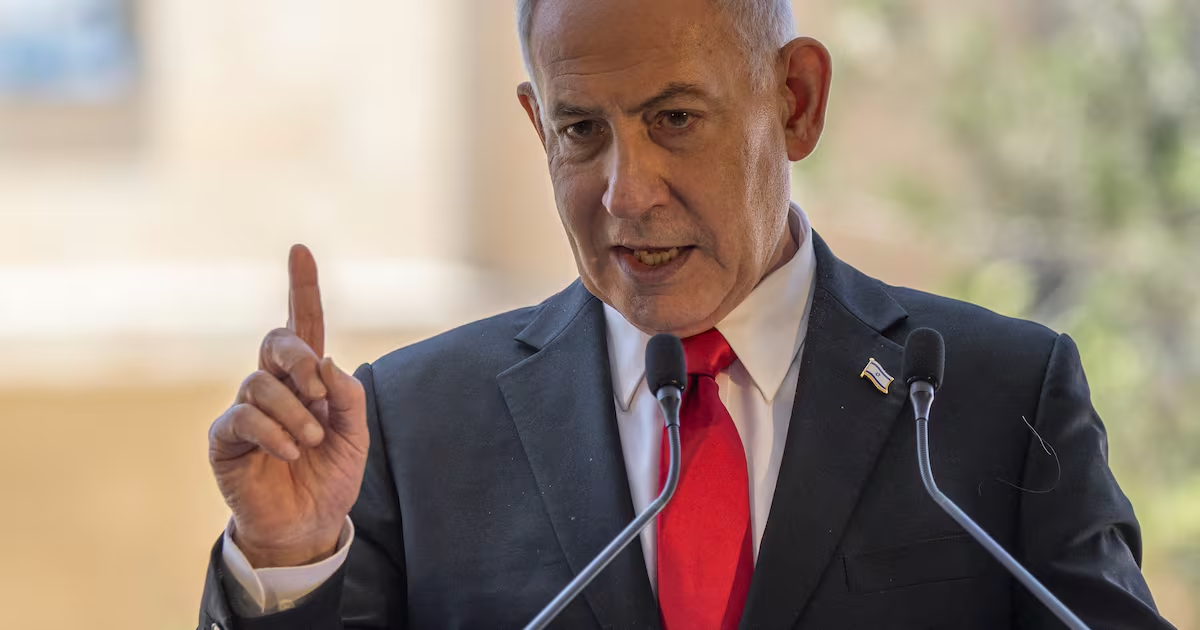
Israel will hold a general election on October 27th. The vote will take place on the last possible date allowed by law, allowing prime minister Binyamin Netanyahu’s coalition – comprised of right-wing and religious parties – to complete its four-year term.These will be the first elections to be held on schedule in Israel since 1988, making the current government the first to complete its full term since 1973.Before the Knesset parliament dissolves at the end of this week, the coalition is working to ensure the passage of a number of controversial Bills aimed at appeasing the parties’ electorate.One planned measure will grant immunity to men from the ultra-Orthodox Jewish community who avoid enlisting in the military.Netanyahu hopes such legislation will guarantee that the ultra-Orthodox parties remain loyal to him after the election.Another Bill would weaken the role of the attorney general by dividing it between a legal adviser and a government-appointed state prosecutor. There are also measures aimed at increasing government control over radio and television regulatory bodies. Critics say the proposed changes would benefit right-wing broadcasting outlets at the expense of Israel’s mainstream channels and public broadcaster Kan, which the coalition accuses of bias against Netanyahu.Polls show that a majority of Israelis want Netanyahu (76), Israel’s longest serving prime minister, out of office.Former military chief Gadi Eisenkot’s new centrist party, Yashar (Hebrew for straight or upright), has gradually emerged as the largest opposition party, and has a lead of one seat over Netanyahu’s ruling Likud, based on recent polls.The fault line in Israeli politics is not between right and left but between the pro- and anti-Netanyahu camps. Those opposed to Netanyahu come from parties across the political spectrum.Polls show that neither bloc can achieve a majority without the co-operation of at least one of the two Arab parties projected to gain Knesset representation. Some right-wing parties in the anti-Netanyahu bloc say they will not sit in a coalition with an Arab party and would prefer a “broad-based Zionist coalition” without Netanyahu.Much will depend on whether new parties, particularly right-wing lists based on current and former politicians,emerge before the election to attract enough voters from the Netanyahu bloc to clinch a 61-seat coalition for an anti-Netanyahu alliance.Netanyahu says he intends to form a “broad-based national government”.Many Israelis hold the prime minister personally responsible for the October 7th, 2023, Hamas-led attack on southern Israel, in which some 1,200 Israelis were killed.At least 73,000 Palestinians have been killed in Israel’s subsequent years-long war in the enclave, with almost 2 million Gazans displaced.The October election will take place less than three weeks after Israelis mark the third anniversary of that traumatic day.
Israel sets date for general election as public support for Netanyahu falls, polls show
PM’s right-wing coalition working to ensure passage of several controversial Bills aimed at appeasing electorate
439 words~2 min read