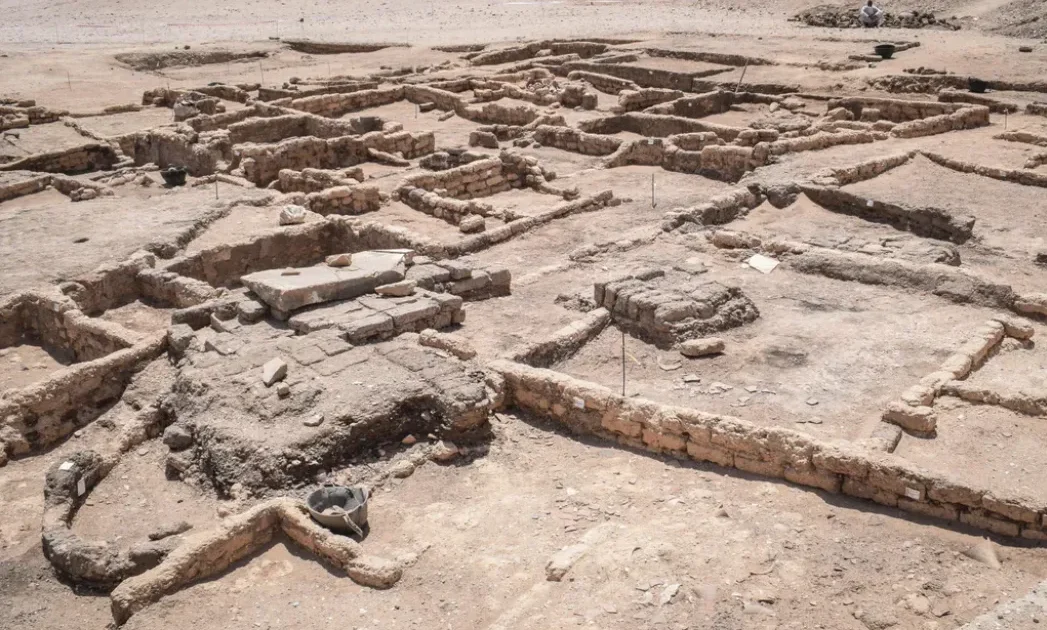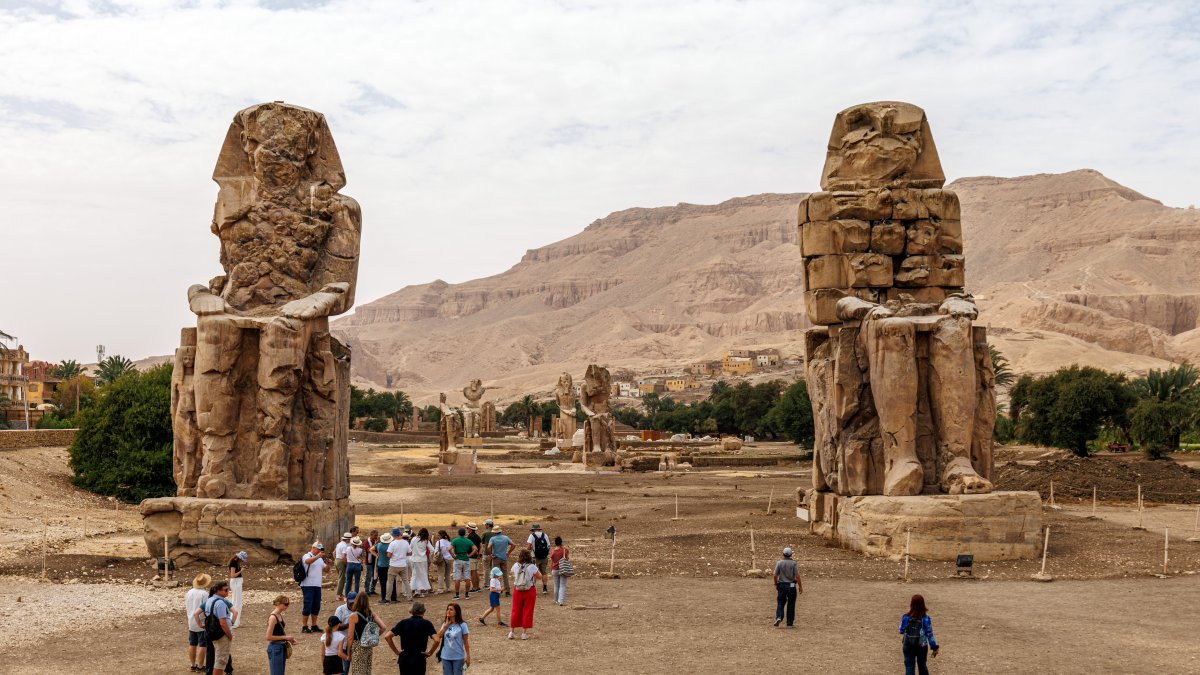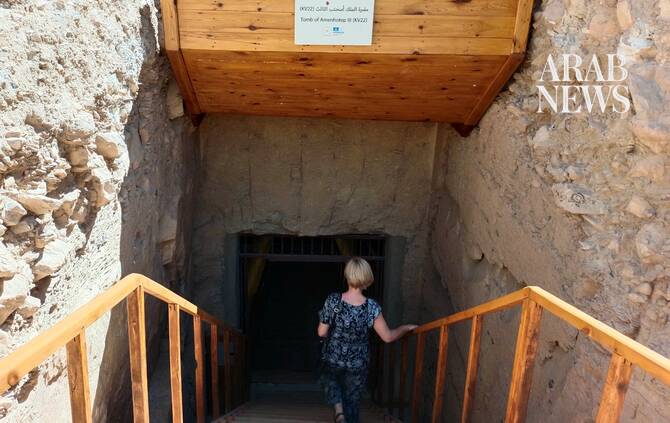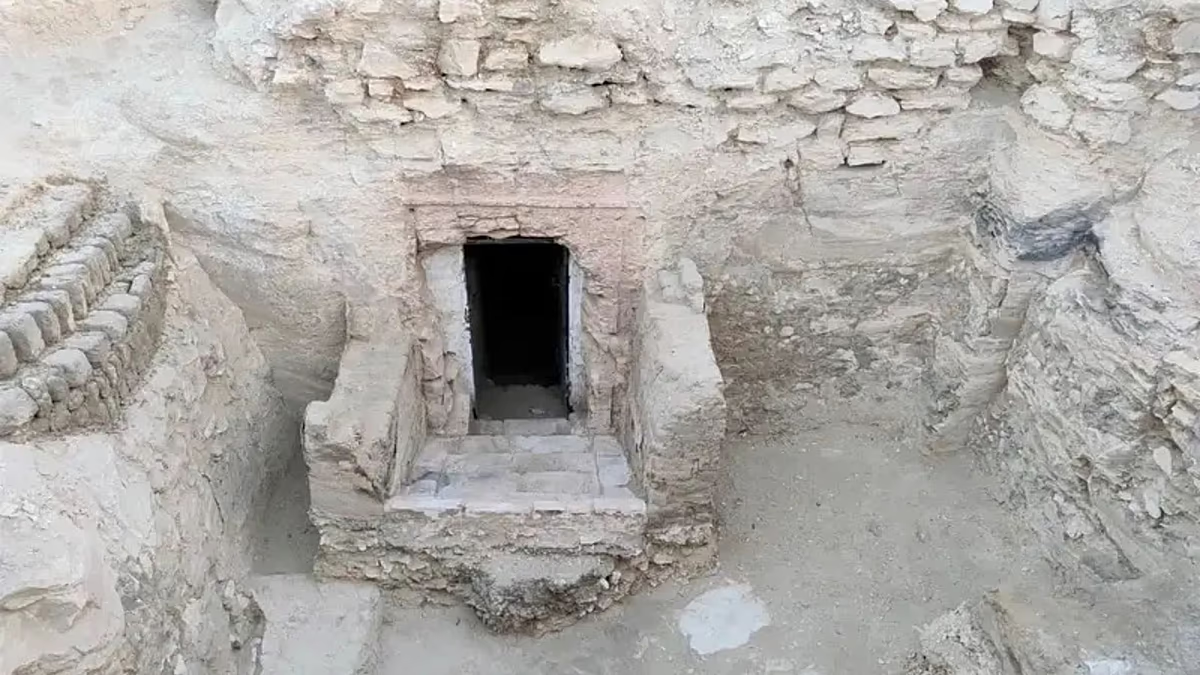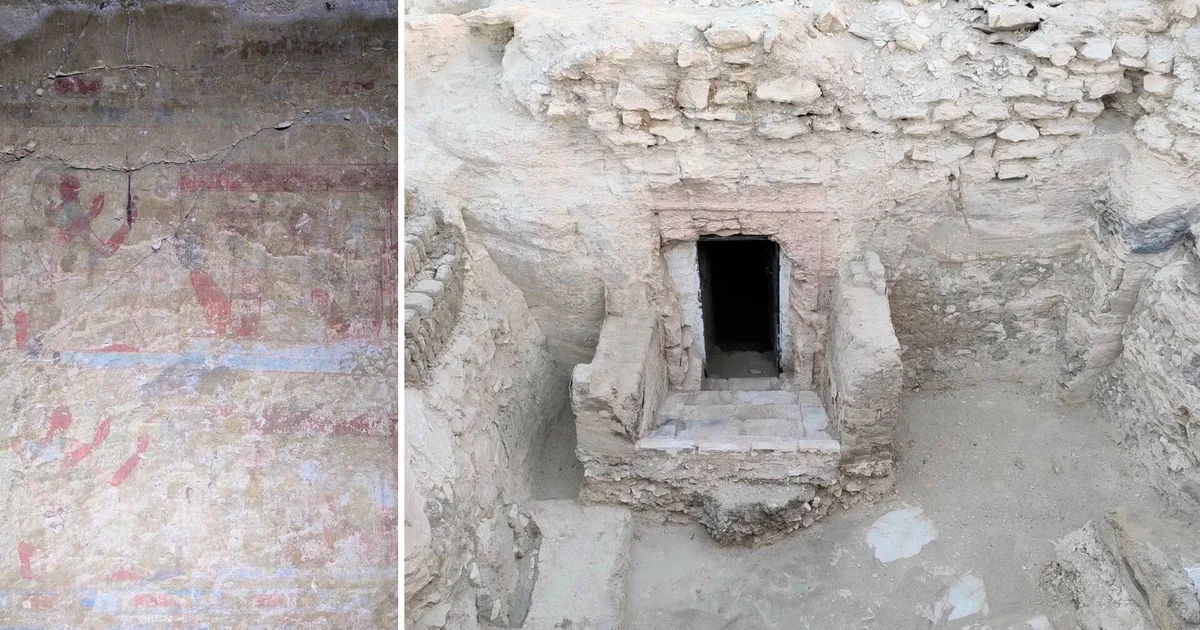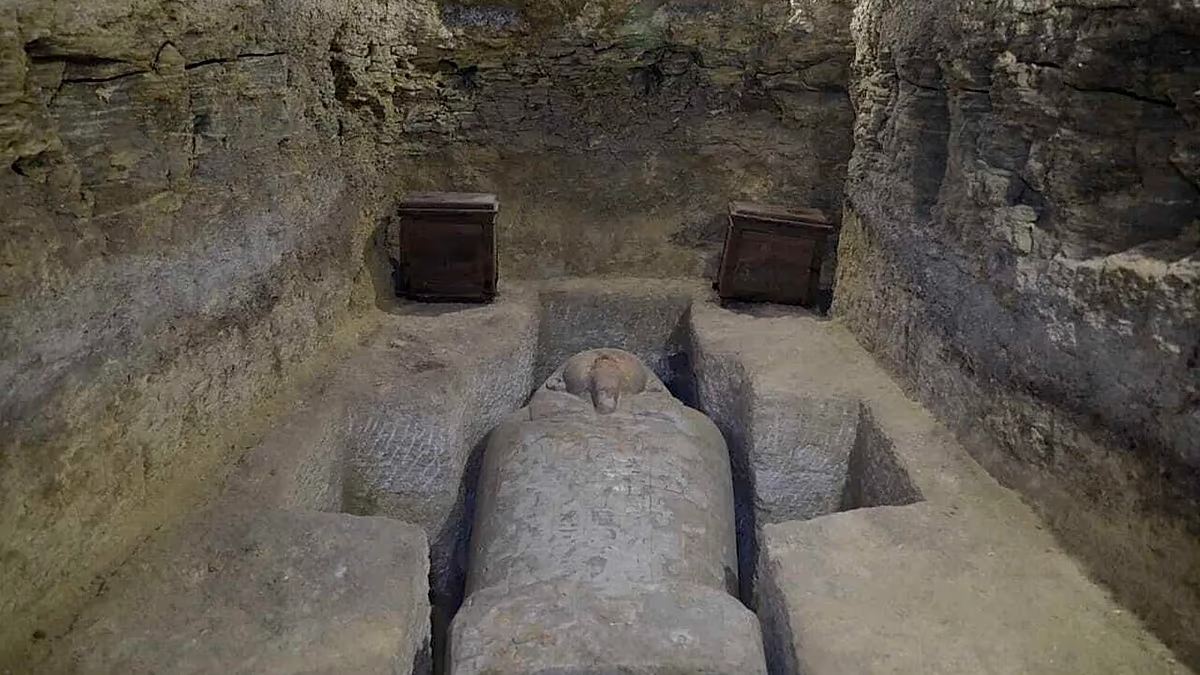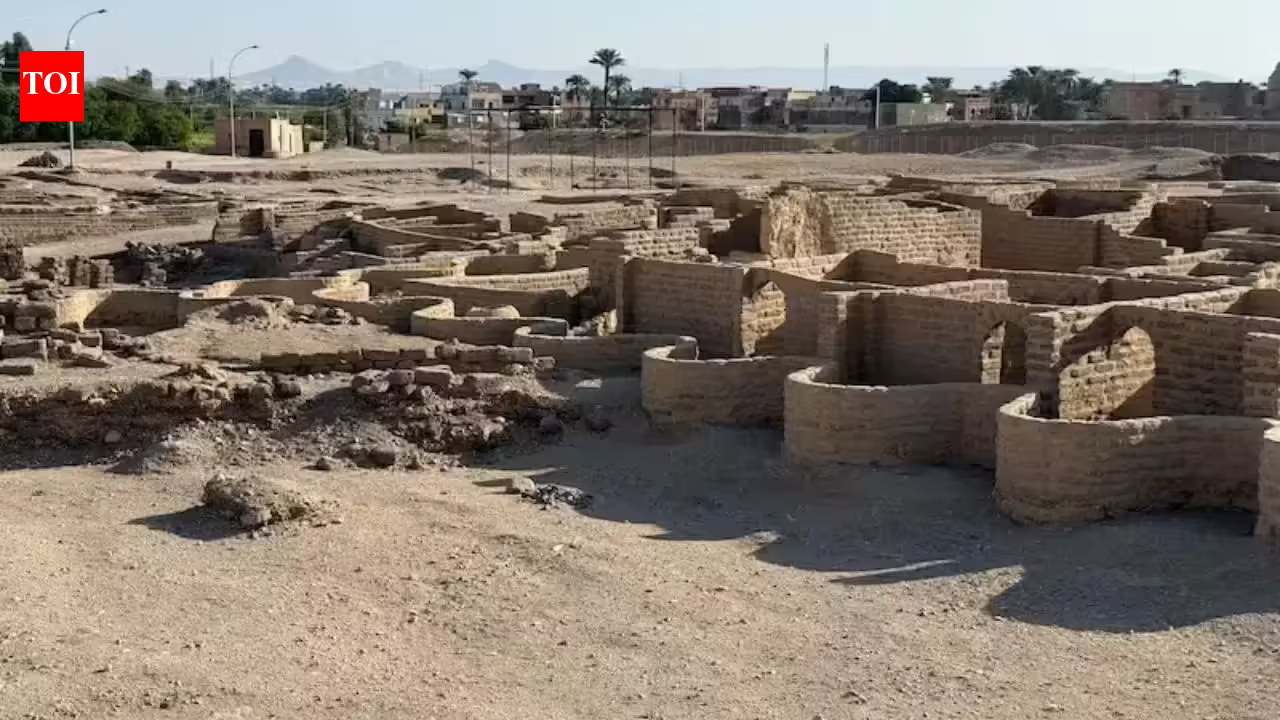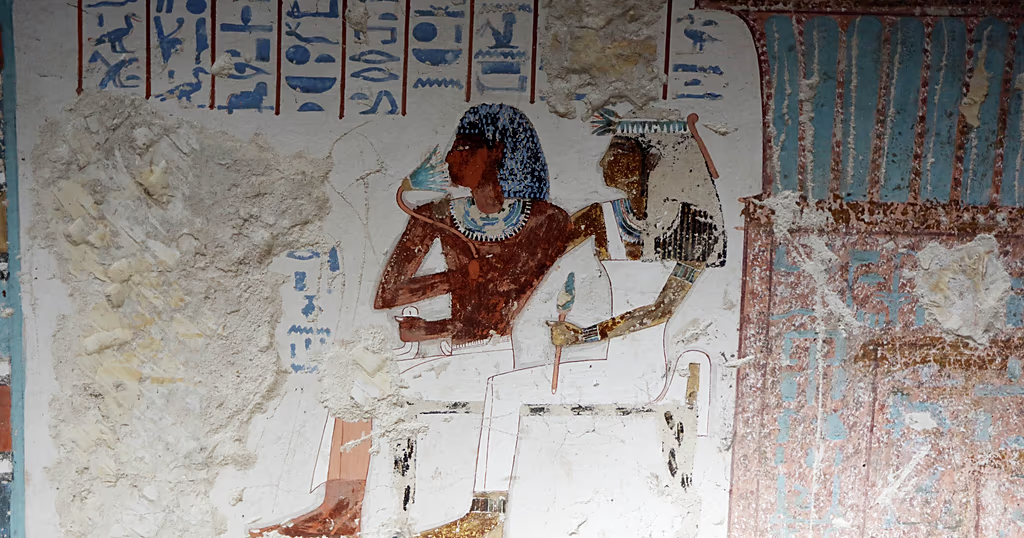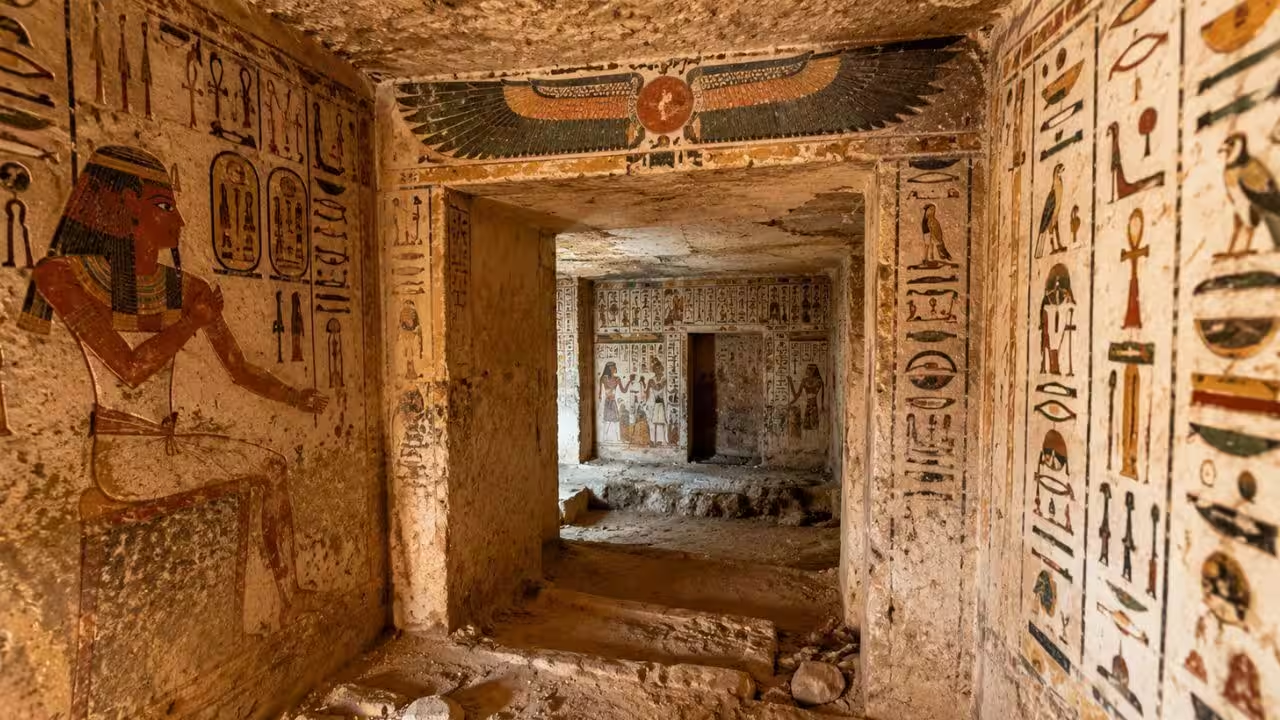
PC: AI GeneratedFor more than 100 years, archaeologists searched the hills near Luxor in the hope of finding a lost royal tomb from ancient Egypt. In February 2025, that search finally came to an end. A joint Egyptian-British archaeological team announced that it had found the tomb of King Thutmose II, the last missing royal tomb of Egypt's Eighteenth Dynasty.According to Egypt's Ministry of Tourism and Antiquities, this is the first royal Egyptian tomb to be discovered since King Tutankhamun's tomb was found in 1922. Egypt's Supreme Council of Antiquities has described it as one of the most important archaeological discoveries of this century.How archaeologists finally found the lost tomb near LuxorThe discovery was made by a joint team from Egypt's Supreme Council of Antiquities and the New Kingdom Research Foundation. The British side of the project was led by Dr Piers Liserland.At first, the team believed the tomb may have belonged to one of the wives of the Thutmosid kings. Dr Mohamed Ismail Khaled, Secretary-General of Egypt's Supreme Council of Antiquities, said this was because the tomb is close to the burial places of the wives of King Thutmose III and Queen Hatshepsut's original tomb, which had been prepared before she became pharaoh.Everything changed when archaeologists found broken alabaster vessels with inscriptions carrying the name of King Thutmose II. The inscriptions described him as the "deceased king" and also mentioned his wife and half-sister, Queen Hatshepsut. This confirmed that the tomb belonged to Thutmose II and suggests that Hatshepsut herself arranged his burial.What was found inside the tombThe tomb shows both what once existed inside it and what was lost long ago. According to Egypt's official monuments authority, the tomb was badly damaged by floods soon after King Thutmose II was buried. Water entered the tomb and damaged many of its original contents.The tomb has a corridor covered with white plaster that leads through the main passage to the burial chamber. The burial chamber floor is about 1.4 metres lower than the corridor.Dr Liserland said the tomb's design is quite simple and believes it became the model for the royal tombs built later during the Eighteenth Dynasty. The discovery helps scientists understand how the design of royal tombs developed over time.Who was King Thutmose II and why is this discovery importantKing Thutmose II ruled ancient Egypt from about 1493 BC to 1479 BC as the fourth pharaoh of the Eighteenth Dynasty. He was the son of Thutmose I and his secondary wife, Mutnofret. During his reign, Egypt carried out small military campaigns in Nubia and Sinai. Today, however, he is best known because of Hatshepsut. Many historians believe she held much of the real power while he ruled. After his death, she became pharaoh and placed her own name on many of his monuments.The Museum of Fine Arts in Budapest says the Eighteenth Dynasty was one of ancient Egypt's greatest royal families, known for its military strength, impressive monuments and a long period of stability and prosperity.According to Egypt's official antiquities authority, finding this tomb completes the search for all the known royal tombs of the Eighteenth Dynasty.Dr Liserland said archaeologists will continue exploring the area to find out where the rest of the tomb's contents were moved after the ancient floods. It is one of the most important discoveries in this century because it was one of the tombs we were not able to locate since the discovery of King Tut.After lying hidden for more than 3,500 years, and after more than a century of searching, the lost royal tomb of King Thutmose II has finally been found.
Egypt's lost royal tomb of King Thutmose II found near Luxor: The first pharaoh's tomb discovered since Tutankhamun in 1922
For more than 100 years, archaeologists searched the hills near Luxor in the hope of finding a lost royal tomb from ancient Egypt. In February 2025, that search finally came to an end.
600 words~3 min read