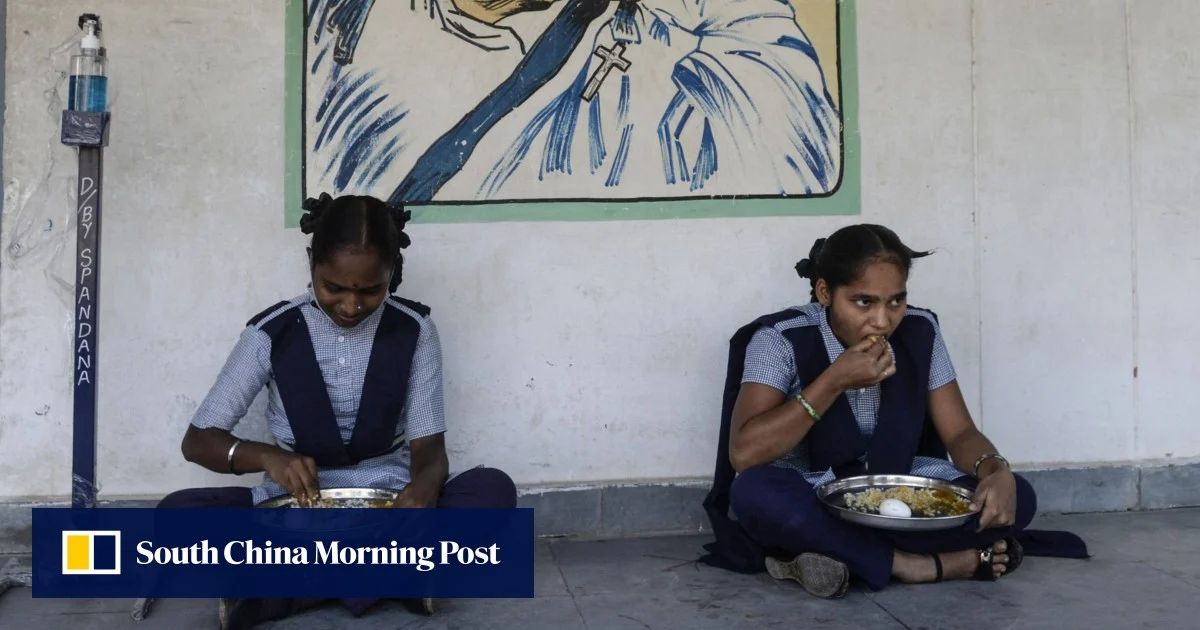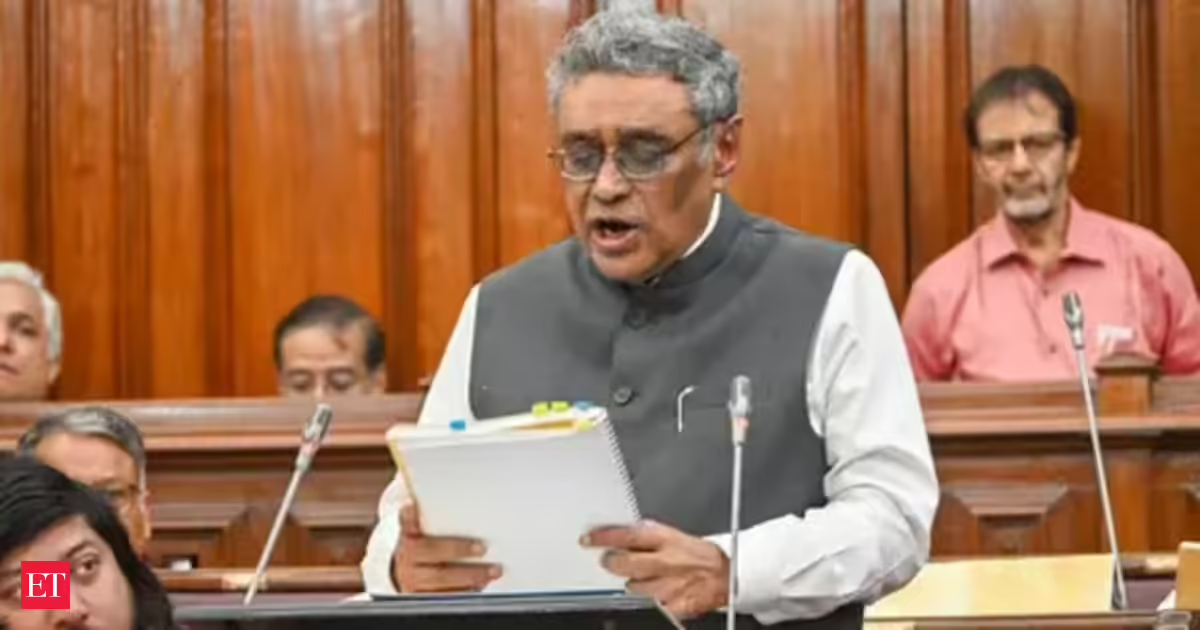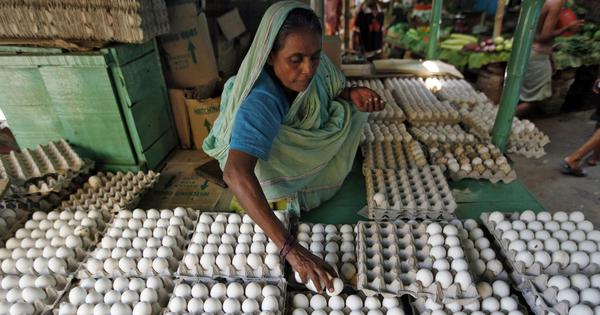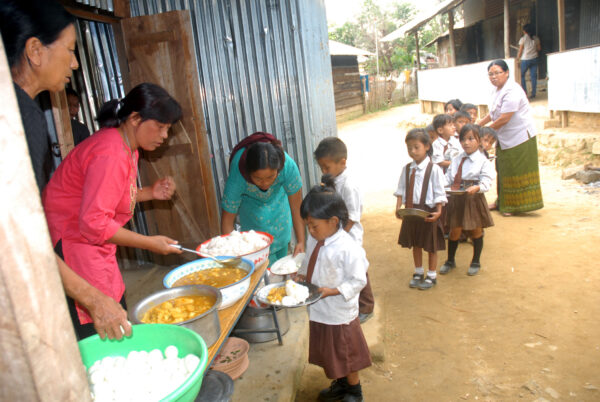
A major controversy recently erupted in the Indian state of West Bengal, where a Bharatiya Janata Party (BJP) government recently came to power after state assembly elections. The new government, whose base of support includes traditionalist Hindus, moved to drop eggs from the midday meal program in the state capital of Kolkata.
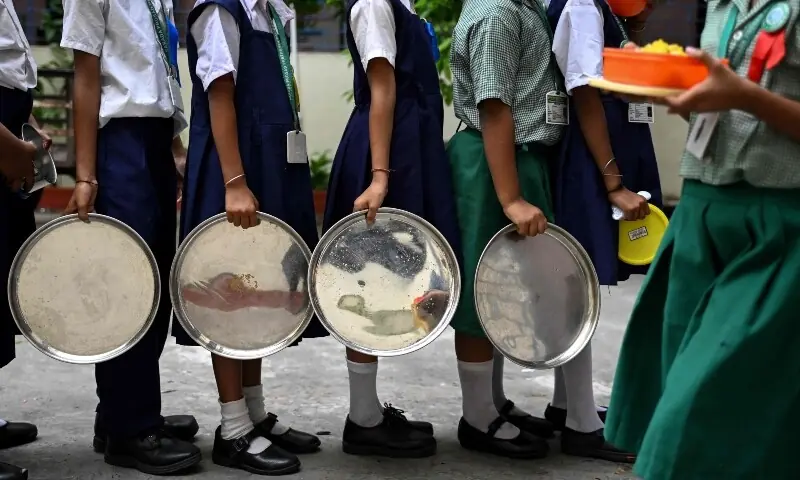
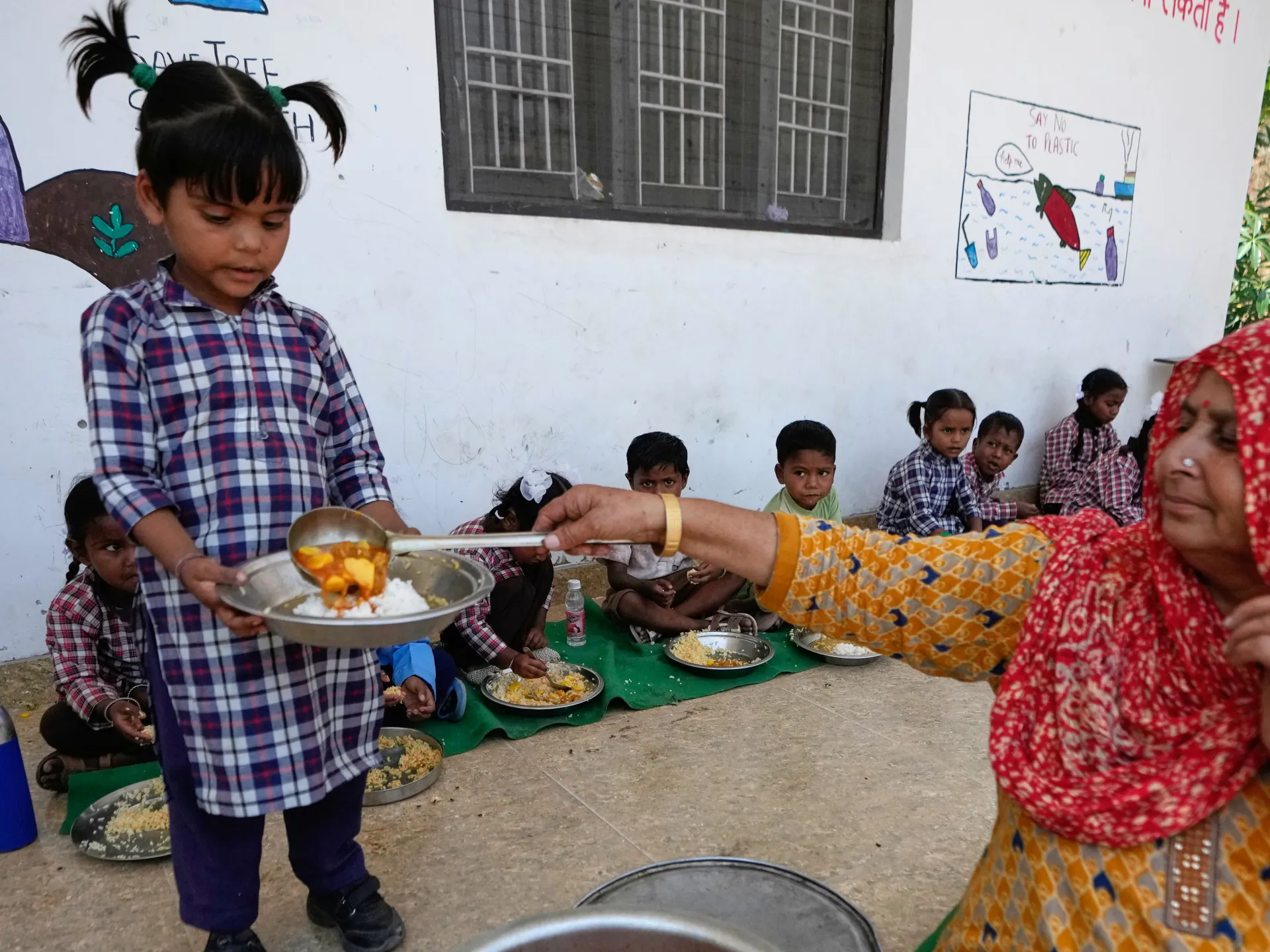
The midday meal program is a scheme that provides free lunches to children in government schools, a policy that has helped reduce malnutrition in India, a country with a large number of poor and hungry children. Protein is considered vital for growing children and eggs are considered a cheap, affordable, and tasty way of providing protein.
The government instead proposed to award the contract for meal preparation for those schools to the Vaishnavite organization, the International Society for Krishna Consciousness (ISKCON), a group that promotes a vegetarian diet. While ISKCON is known for the quality of its products, its catering services still do not provide options for those wishing to eat eggs or meat.
Many traditional schools of Hindu, Jain, and Buddhist thought, including Vaishnavism, advise their followers to eat a sattvic diet, a diet that is said to promote clarity of mind and peace through avoidance of pungent foods, such as onions and garlic, as well as meat and eggs. Many such groups believe that eating eggs is akin to eating embryos or aborted animals. Furthermore, different jatis, or caste groups, have their own dietary traditions. While there are a multiplicity of such traditions — for example, most groups of Brahmins do not eat meat, but some eat goat or fish — more prestigious jatis tend to follow sattvic diets, which do not include eggs. Interestingly, 96 percent of Kolkatans are non-vegetarian.