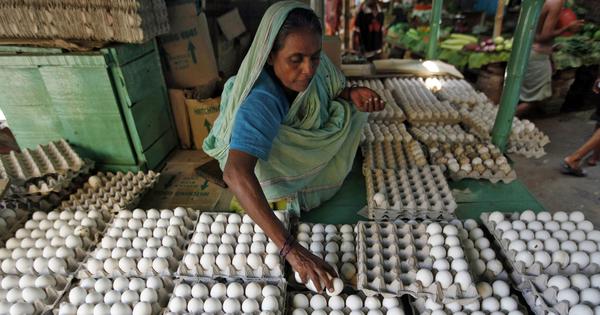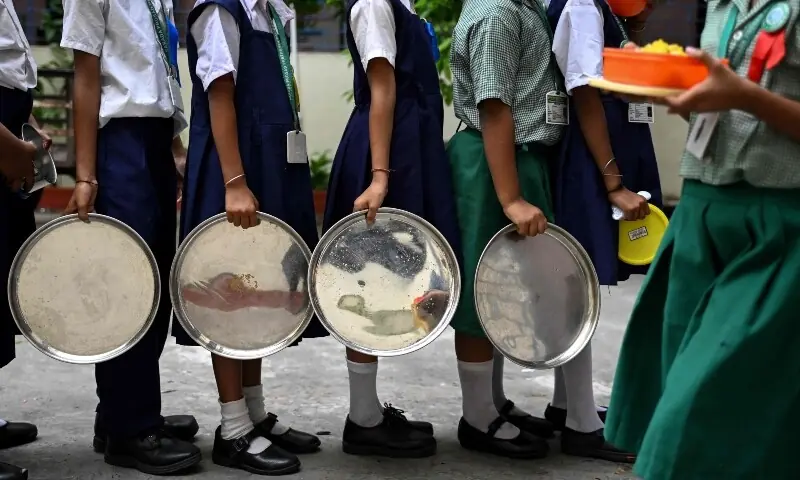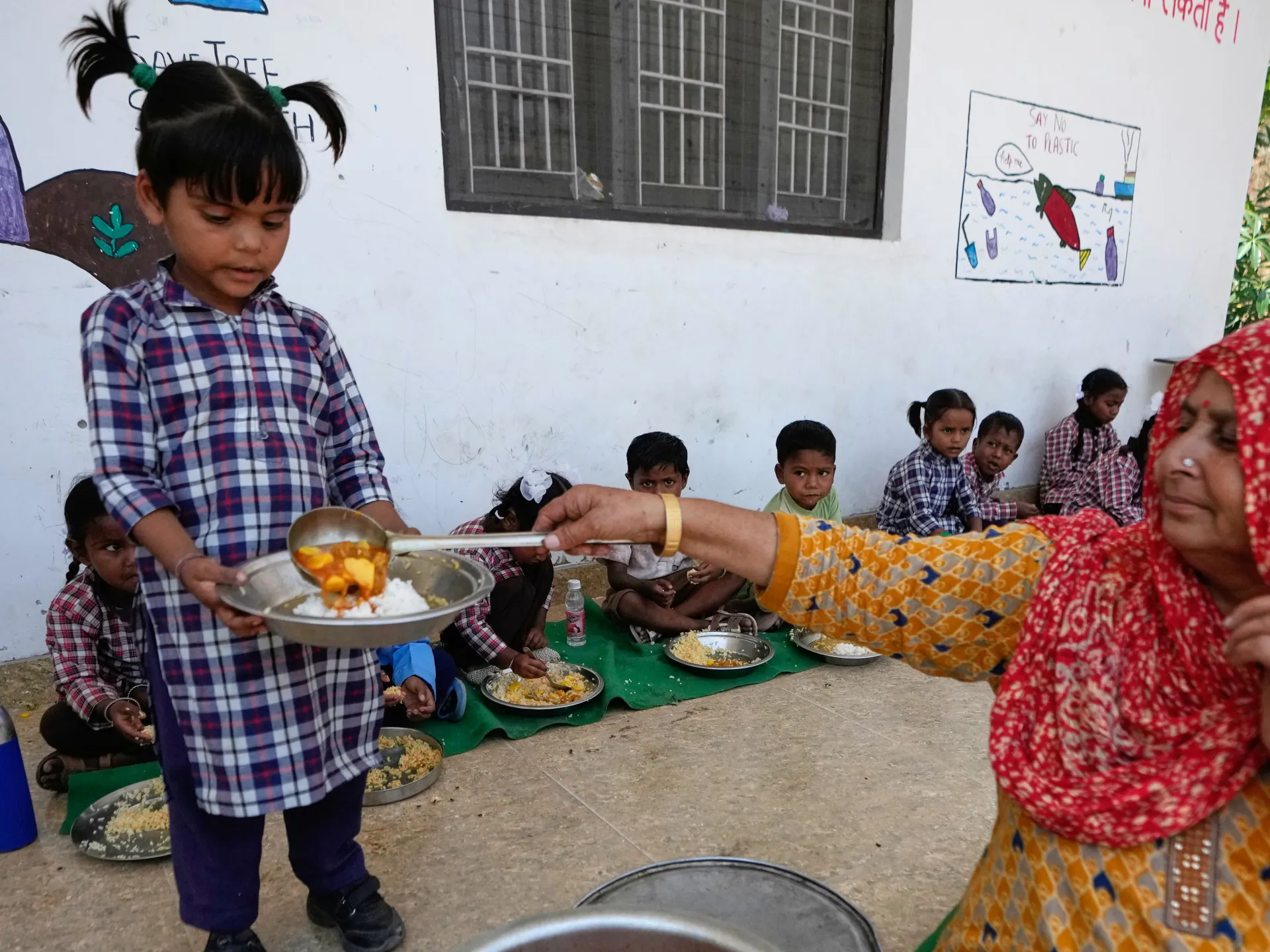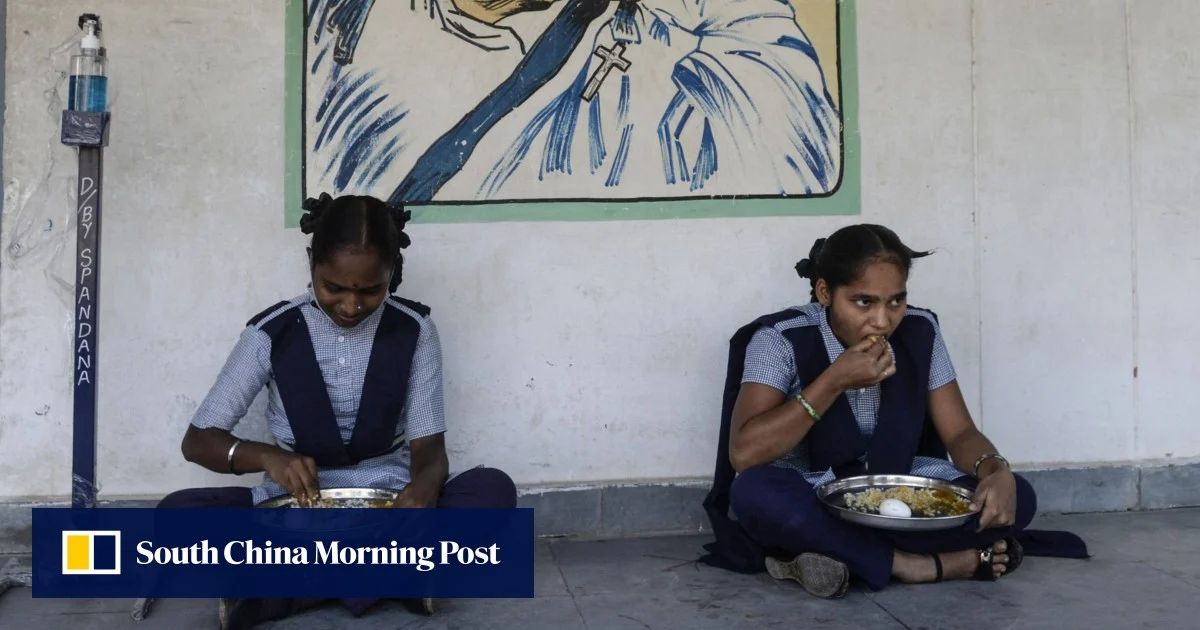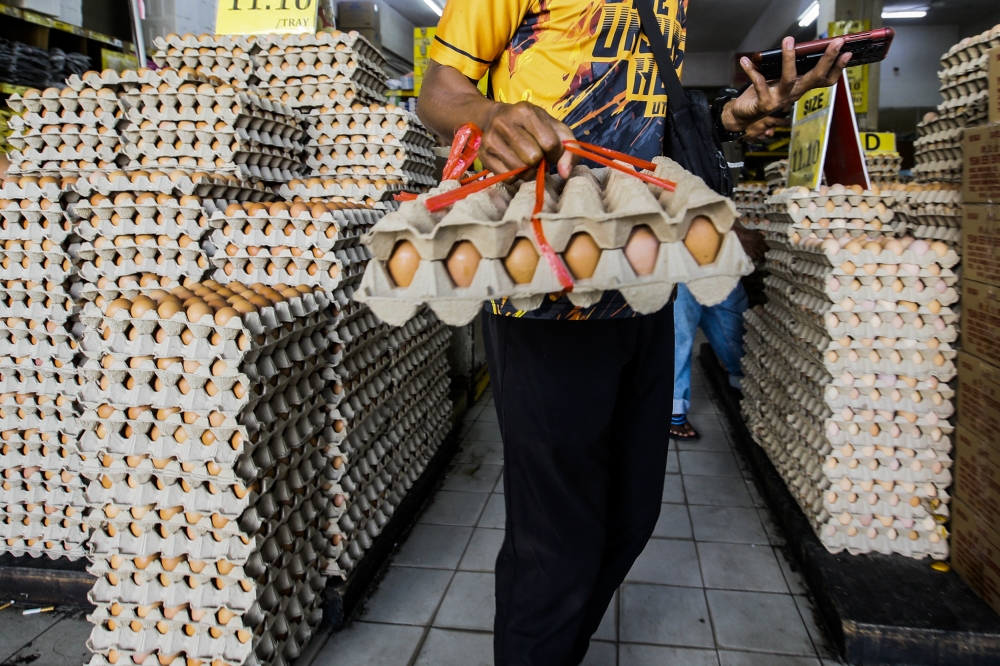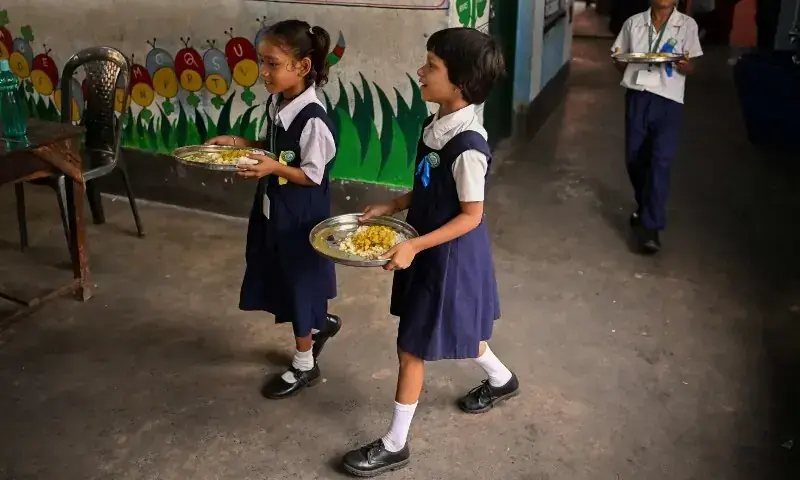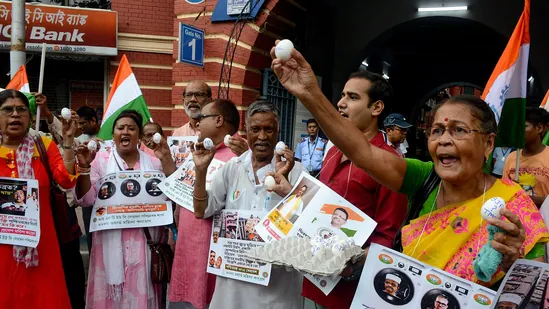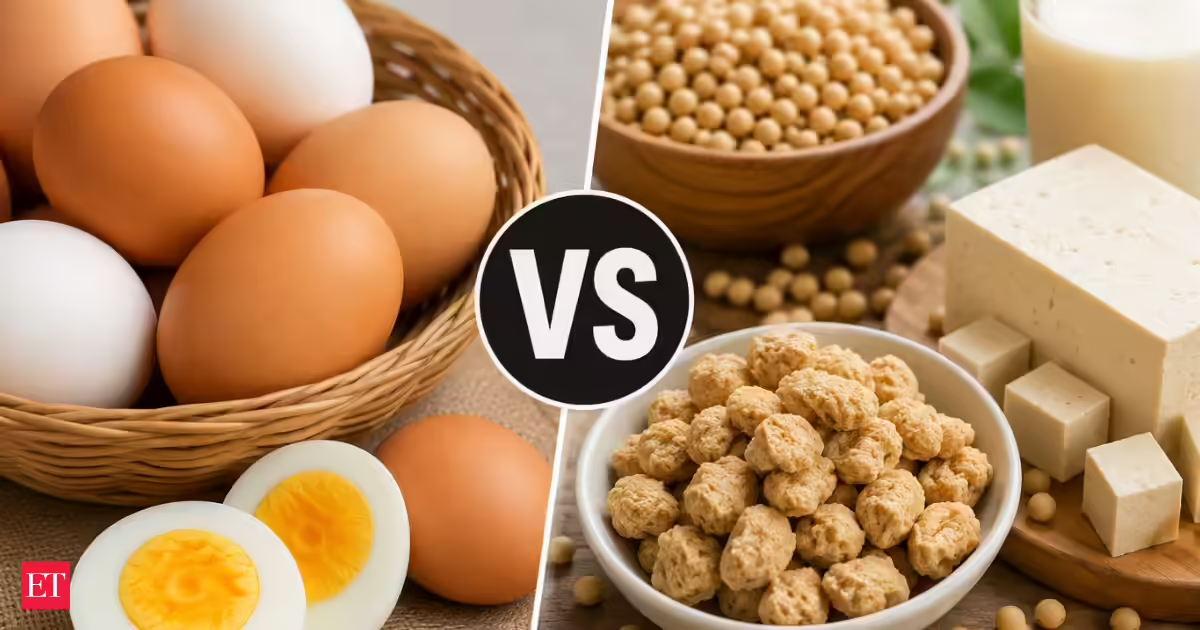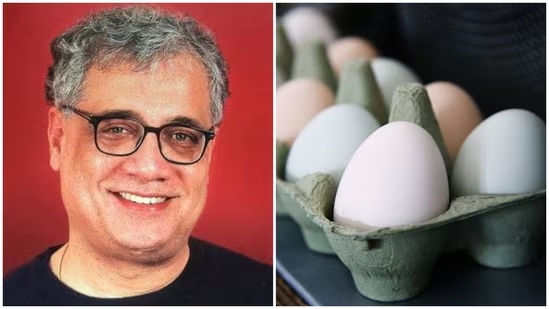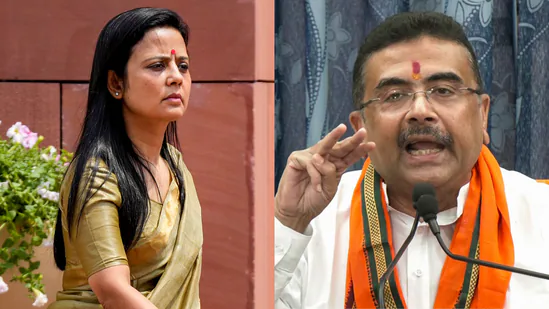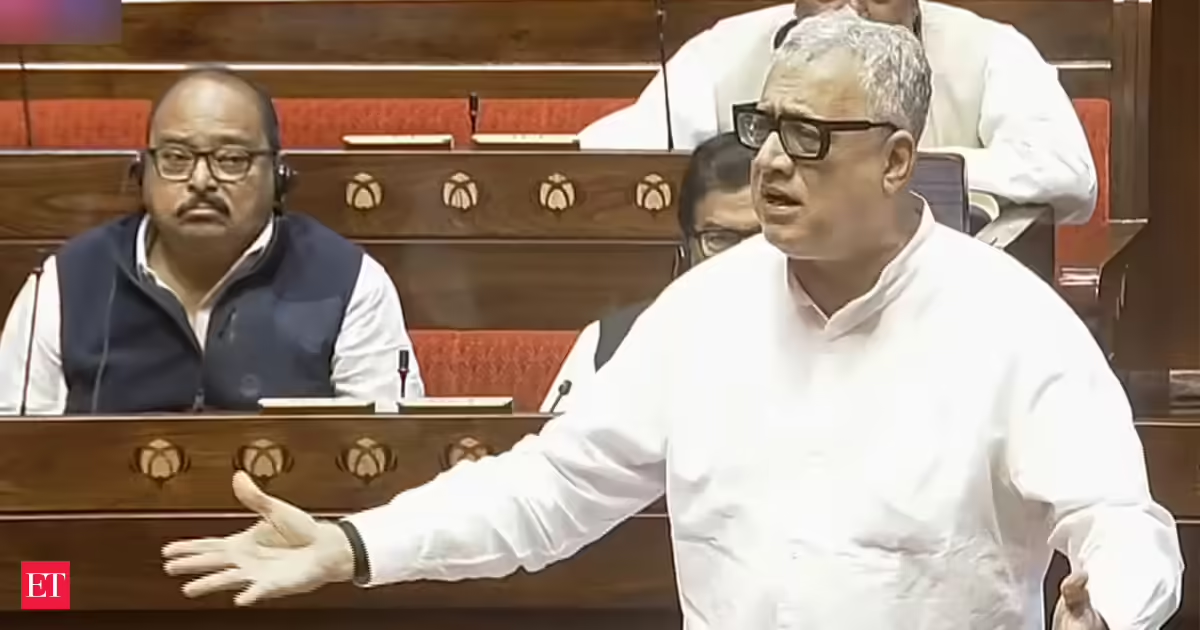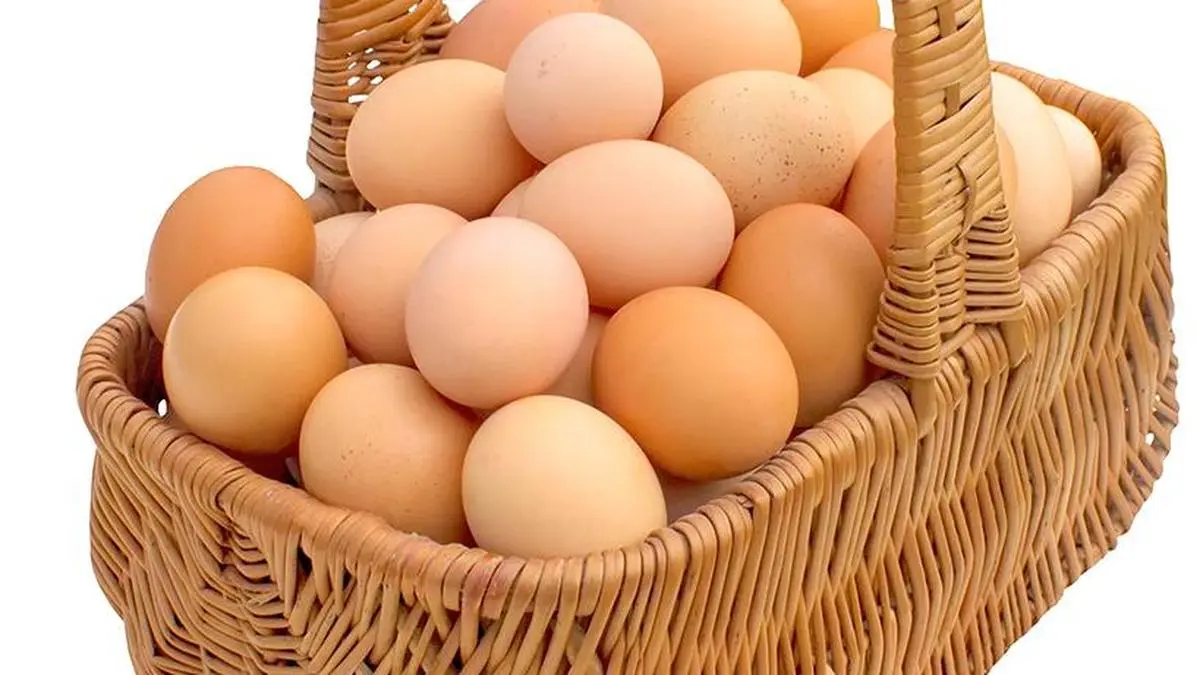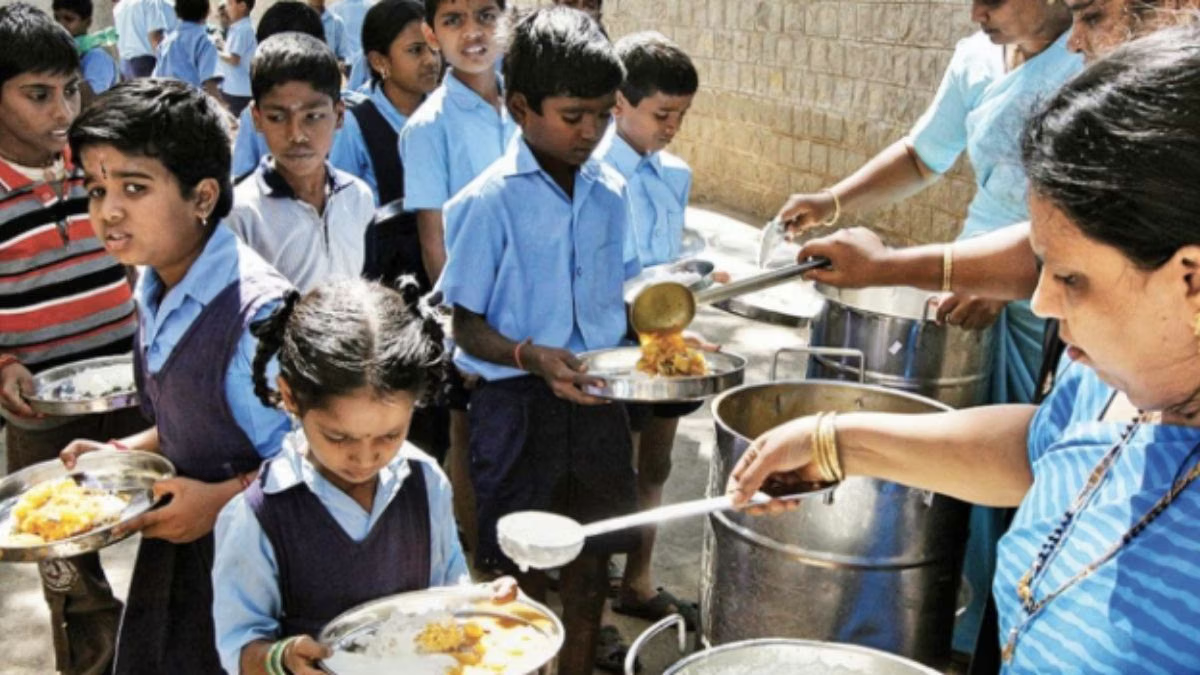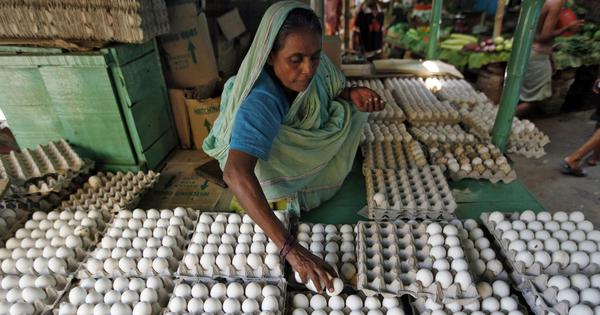
The latest debate over eggs being dropped from school midday meals in West Bengal reflects yet another attempt to ideologically reshape India’s diverse food habits while disregarding the health of children from poor families.Earlier in June, the new West Bengal government, now ruled by the Bharatiya Janata Party, said it would hand over the preparation of school meals to the International Society for Krishna Consciousness, or ISKCON, a Hindu religious organisation.A spokesperson of the organisation said eggs will be replaced with alternatives such as soybeans, rajma and paneer. Hindutva supporters say the alternatives provide adequate nutrition. But others, including Opposition leaders, have criticised Hindutva supporters for redefining what Indians should eat according to ideological preferences rather than nutritional needs or cultural realities.Other Indian states had dropped eggs from their midday meal programmes long before West Bengal. In 2015, the BJP government in Madhya Pradesh refused to include eggs in school meals. In 2025, Maharashtra withdrew government funding for eggs and millet-based sweet dishes in school midday meals.Since the BJP came to power at the Centre in 2014, debates over food have moved well beyond questions of diet or health. Beef bans have devastated the livelihoods of Muslims, Dalits, and communities dependent on cattle trade and leather industries. Vigilante violence in the name of cow protection has claimed numerous lives and spread fear across several states. University hostels have seen conflicts over “non-vegetarian” food. Festivals have become occasions for policing dietary practices. Malnutrition, food diversityUnlike disputes over adult dietary choices, this concerns children, many of whom depend on school lunches as the most nutritious meal they receive each day. Should ideological commitments override scientific evidence when India faces a serious malnutrition crisis?The findings of India’s latest National Family Health Survey, released in May, shows that many children are wasted, or too thin for their height, and stunted, or too short for their age due to poor nutrition. At least 19% of children under the age of five surveyed were wasted while 29.3% were stunted. In Bengal, 20.3% of children under the age of five were wasted and 22.4% were stunted. A child deprived of adequate nutrition is more likely to carry those disadvantages throughout life.School feeding programmes were aimed at breaking this cycle. The Mid Day Meal Scheme started in 1995 and was later rebranded as PM POSHAN in 2021-2022, For children from poor households, particularly in rural areas and urban slums, the school lunch is often the only balanced meal of the day.Eggs are among the cheapest and most efficient sources of protein and other nutrients. The plant-based alternatives that ISKCON proposes are nutritious but imperfect substitutes that are more expensive, take longer to cook and may also not be widely accepted by children. Nutrition is about affordability, accessibility, consistency and acceptability, and eggs satisfy all four conditions. The West Bengal government should examine why it is replacing an inexpensive, scientifically-proven source of protein in a programme aimed at improving child nutrition.A plate containing a child’s midday meal at a government-run upper primary school in Ghugudipada village in Nayagarh district of Odisha in September 2024. Credit: Reuters.Malnutrition is also a national security issue. Malnourished children will grow into a weak future workforce, reducing economic productivity and increasing healthcare costs, limiting development goals. The government aspires to build an “atmanirbhar” or self-reliant India, yet compromises on one of the most simple and effective nutritional interventions available.There is also the irony in dropping eggs from school meals when meat is widely consumed in Bengali society – at least 98% of Bengalis are reportedly non-vegetarians. Meat and fish have been part of festive celebrations cutting across communities.Yet, Hindutva supporters claim vegetarianism is an authentic expression of Hindu identity despite the enormous diversity of dietary practices among Hindus. Millions of Hindus across eastern, southern, and northeastern India consume fish, meat, and eggs without seeing any contradiction with their faith.In the caste-based beliefs of purity and pollution, meat and eggs are “impure” unlike vegetarian food. But Dalits, Adivasi and tribal communities and Other Backward Classes have depended on affordable animal protein for nutrition and survival. When governments remove affordable animal protein from public welfare programs, it is the poorest families who suffer.Religion and foodFinally, public nutrition programmes paid for taxes must serve all citizens, irrespective of religious beliefs or dietary philosophies. A democratic state should accommodate food diversity rather than be decided by the ethics of one religious organisation.School meals must reflect the Constitution’s promise that there will be no discrimination and that public policy advances social justice rather than religious orthodoxy. Every child should receive food based on nutritional science and public health, not on the dietary preferences of those who happen to hold political power.The debate over eggs in West Bengal is a test of whether the most vulnerable children will become casualties of political symbolism a majoritarian ruling party or receive the nutrition they need to grow and thrive.Ashok Swain is a professor of peace and conflict research at Uppsala University, Sweden.
Eggs to go off school menus, West Bengal’s Hindutva agenda will deprive children of vital nutrition
In a state where meat is widely consumed, a crucial protein source is being replaced by ‘vegetarian’ alternatives to suit ideological demands.
842 words~4 min read