Taiwan has few embassies and no seat at the United Nations. On a good night at the ballpark, however, it can hold the world’s attention.
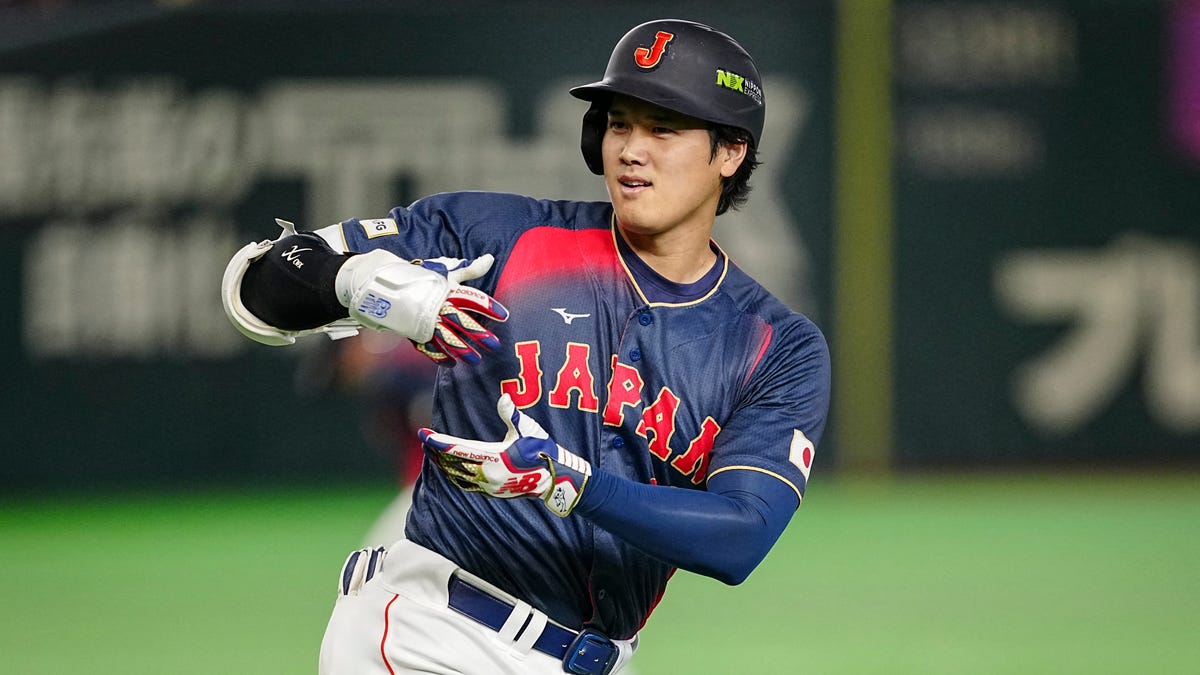
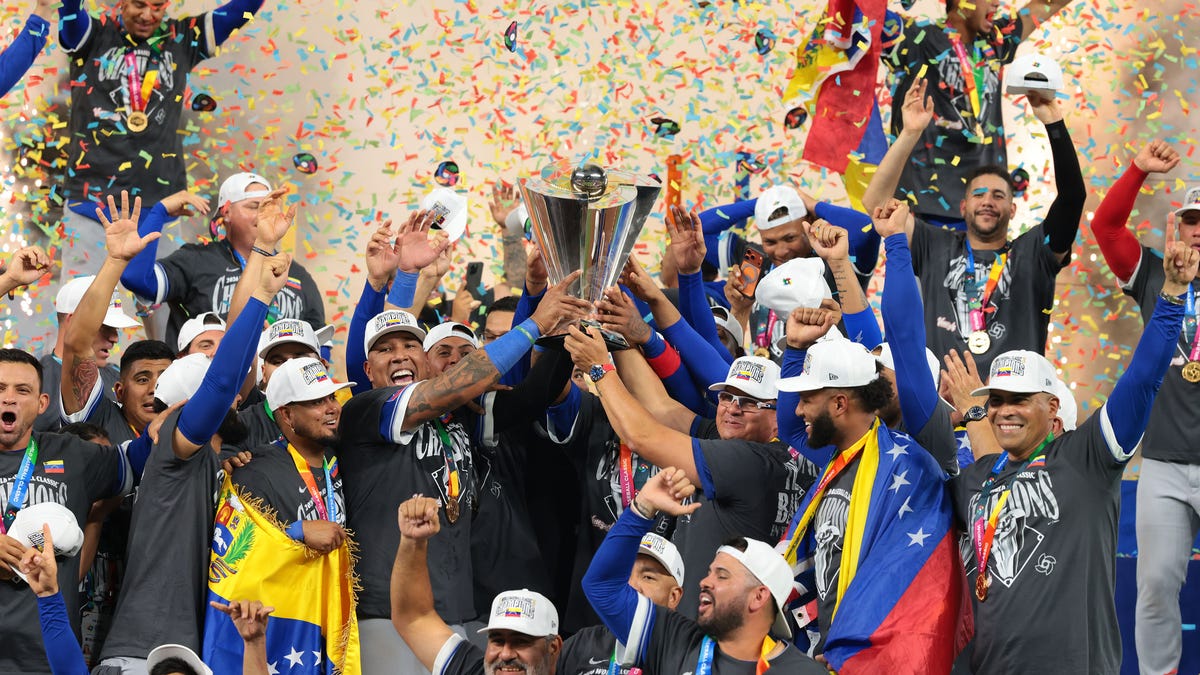
That was what happened on November 24, 2024, when Taiwan defeated Japan 4-0 in a sold-out Tokyo Dome and won the WBSC Premier12. It was Taiwan’s first title at a top-level international baseball tournament. Captain Chen Chieh-hsien supplied the decisive hit, a three-run home run, while four Taiwanese pitchers limited Japan to four hits. The loss ended Japan’s 27-game international winning streak.
Back in Taiwan, the result was treated as more than a sporting success. President Lai Ching-te and Vice President Hsiao Bi-khim described the players as national heroes, and crowds welcomed the team home with a parade through central Taipei. Taiwan soon climbed to second place in the WBSC men’s world ranking, behind Japan. It retained that position after the 2026 World Baseball Classic.
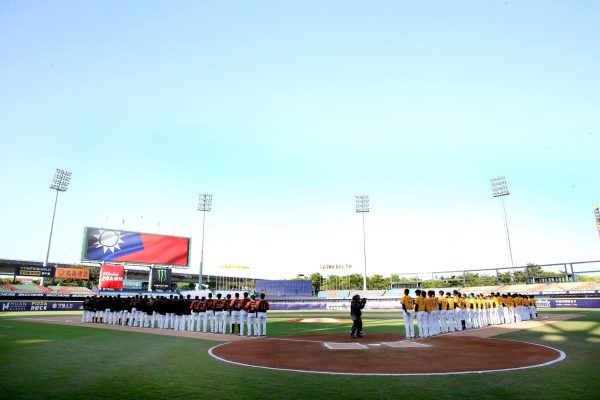
Yet the name engraved on the trophy was not Taiwan. It was Chinese Taipei. The name symbolizes the political conditions under which Taiwanese athletes enter international competition.
Taiwan has formal diplomatic relations with only 12 partners and is excluded from bodies such as the United Nations and the World Health Organization. International sport therefore offers something that conventional diplomacy often cannot: a stage on which Taiwan can appear before a global audience as one team representing one society.