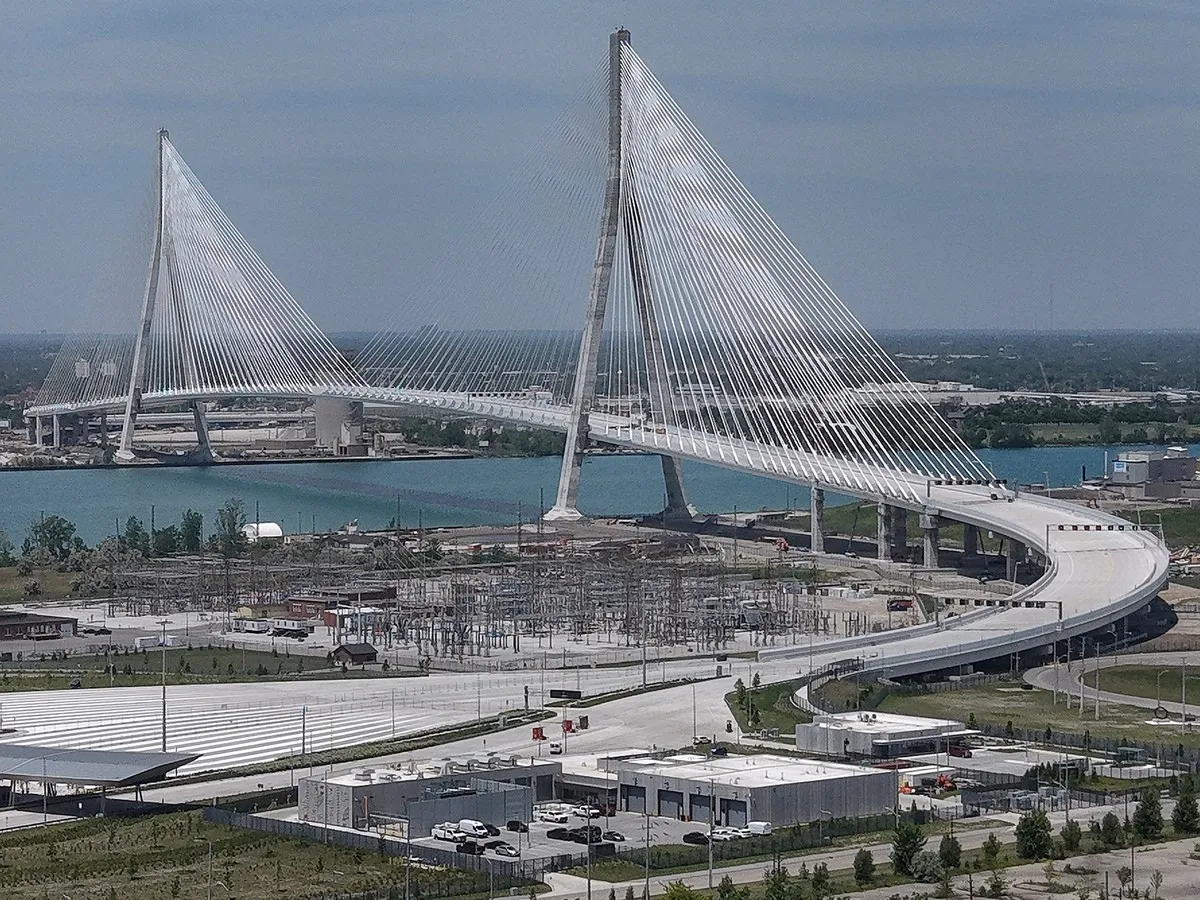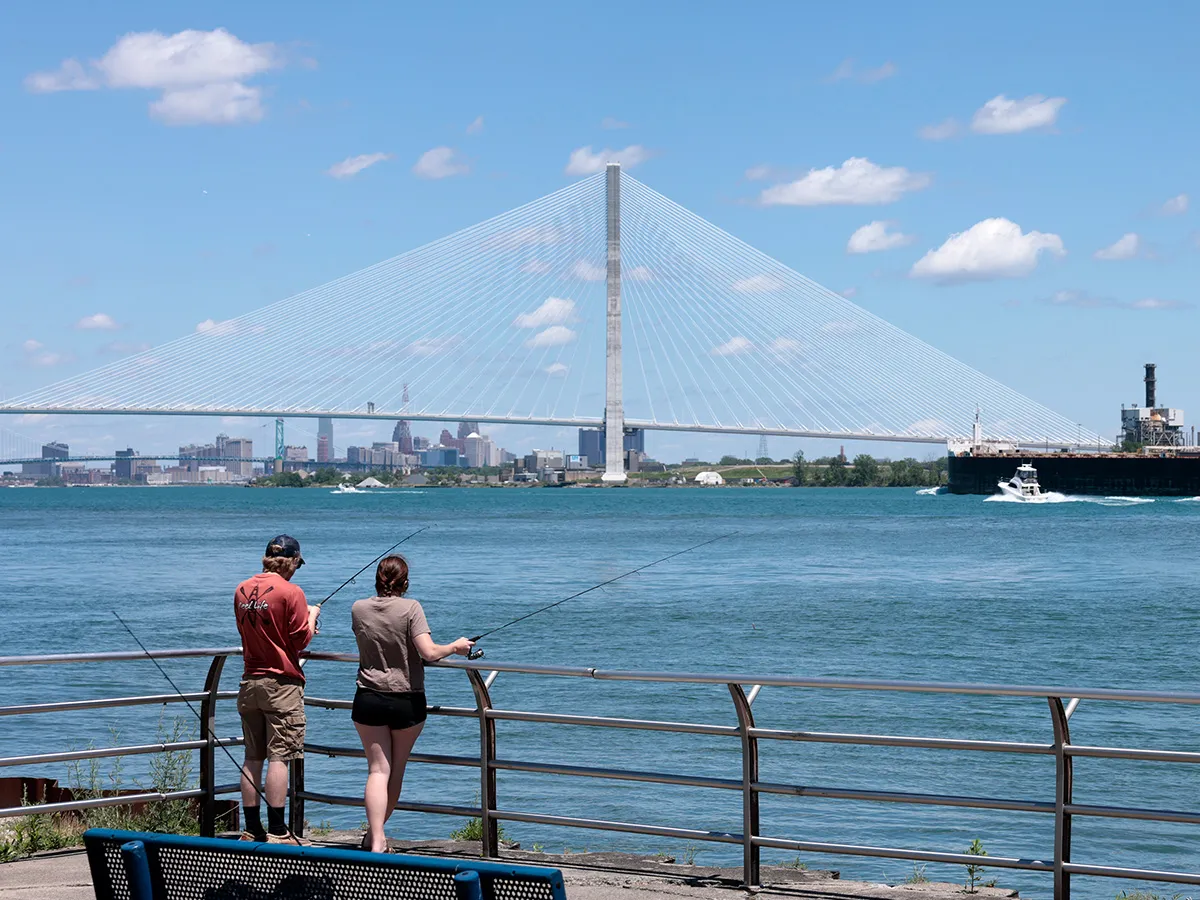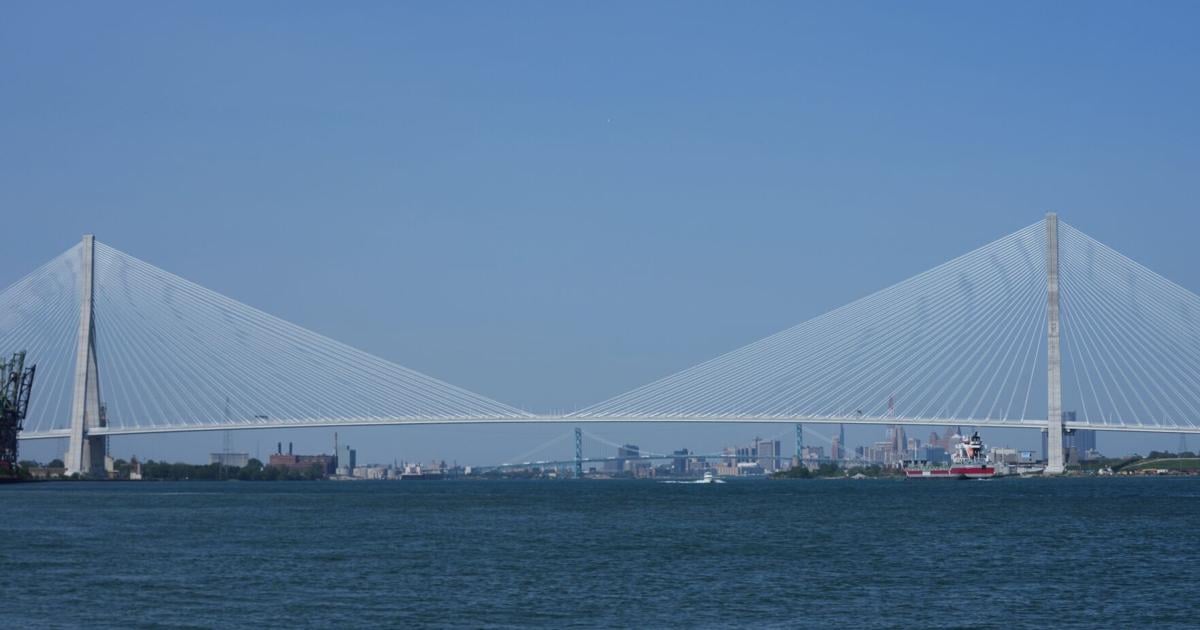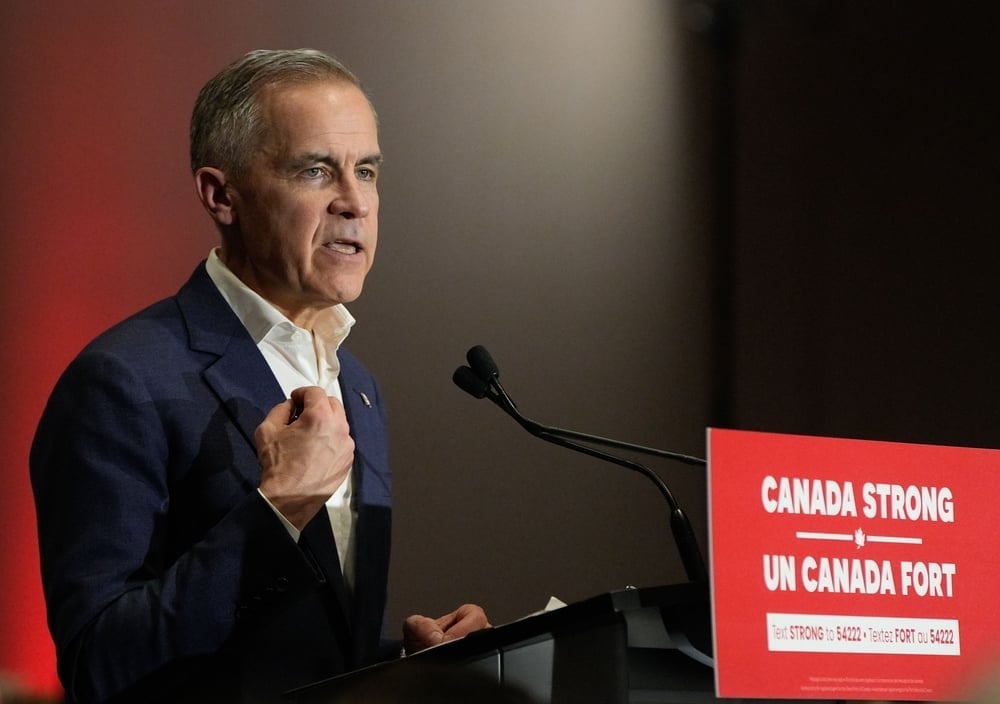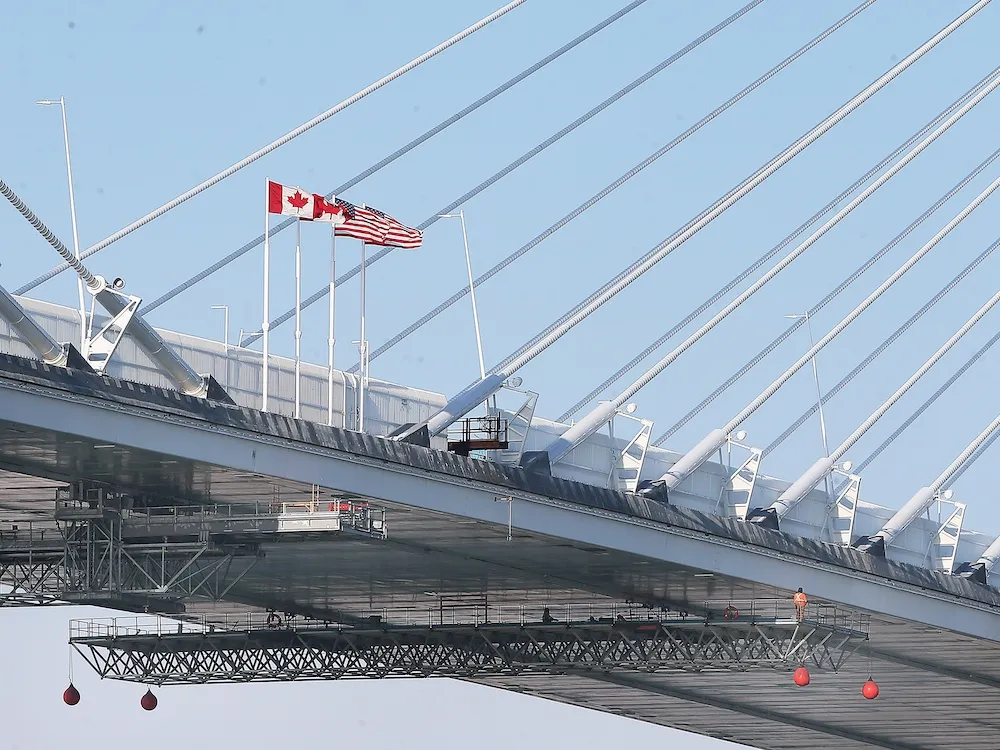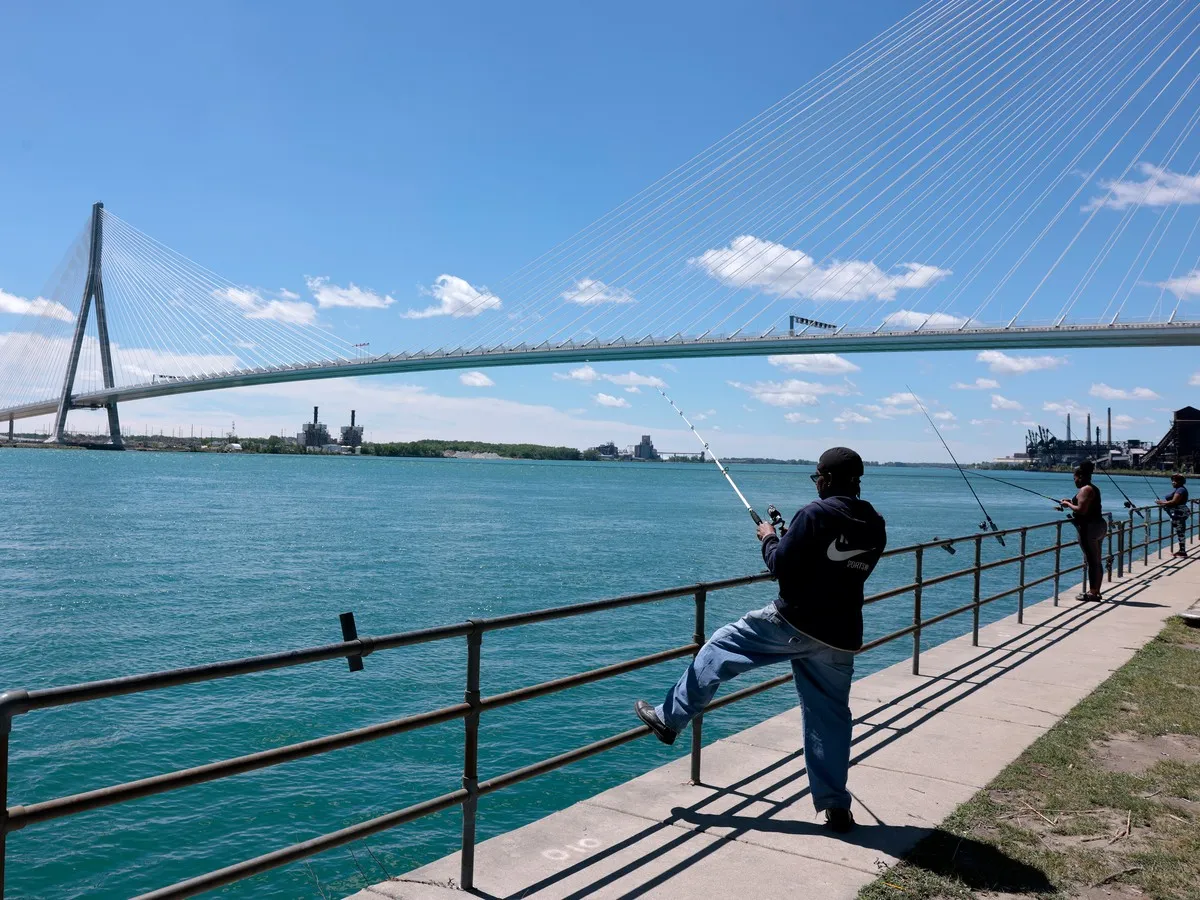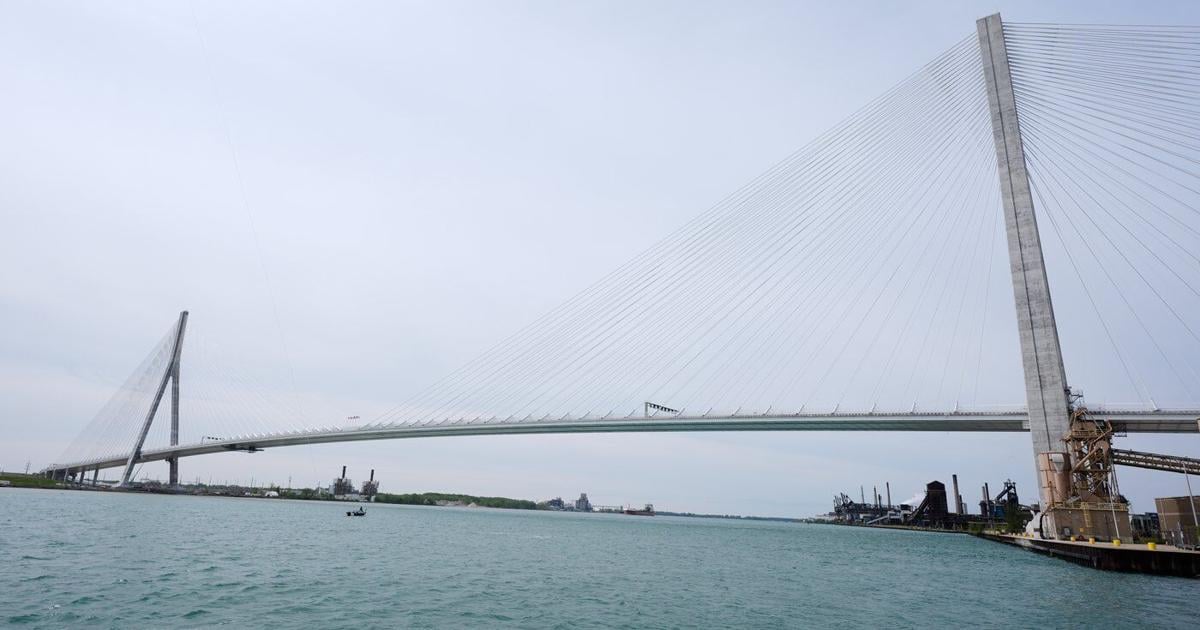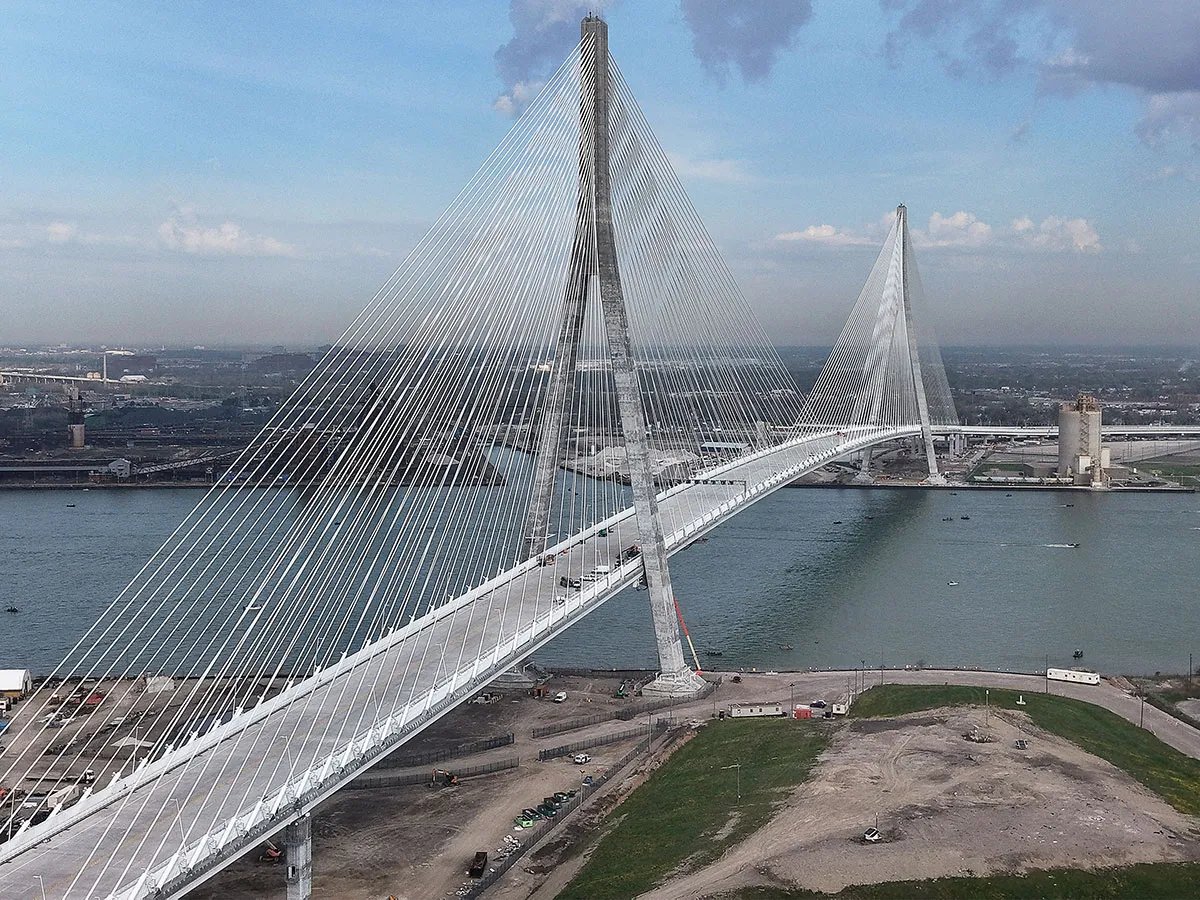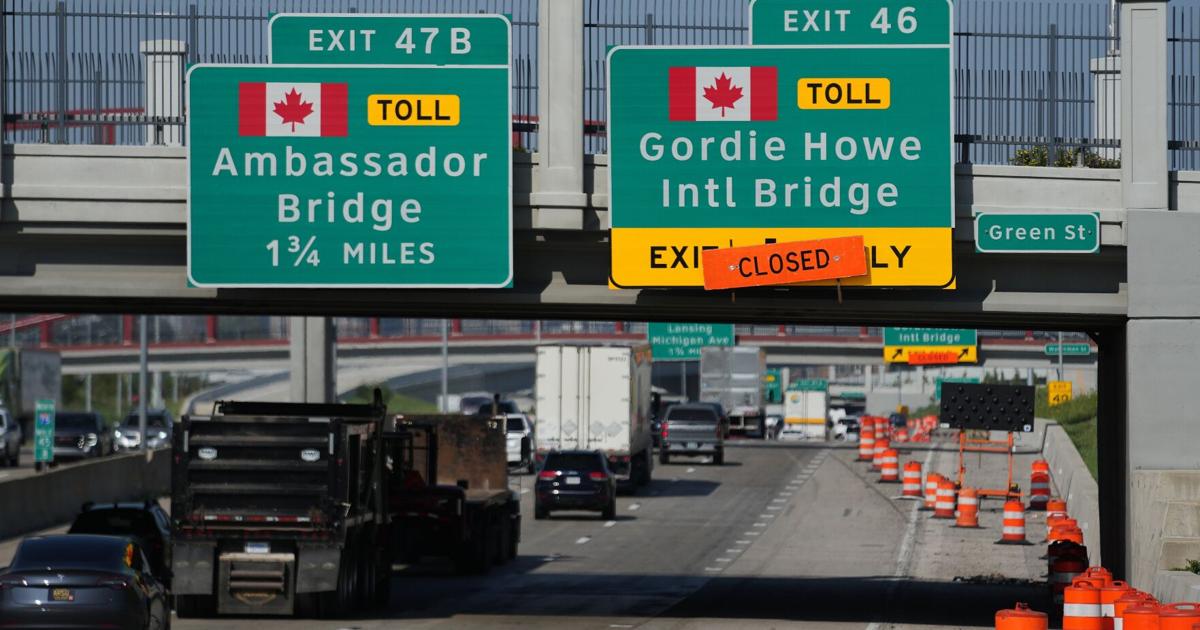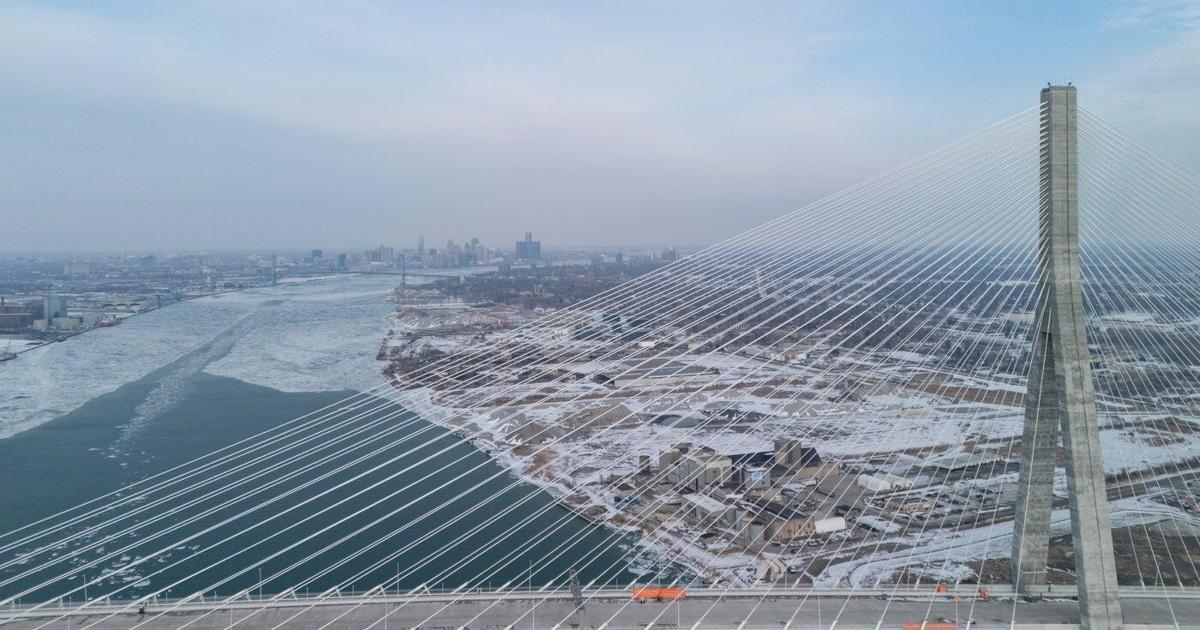
Skip to Content News Archives Economy Energy Oil & Gas Renewables Electric Vehicles Mining Commodities Agriculture Real Estate Mortgages Mortgage Rates Finance Banking Insurance Fintech Cryptocurrency Work Wealth Smart Money Wealth Management Investor Personal Finance Family Finance Retirement Taxes High Net Worth FP Comment Executive Women Puzzmo Newsletters Financial Times Business Essentials More Innovation Information Technology FP500 Podcasts Small Business Lives Told Tails Told Shopping Financial Post Store Obituaries Place a Notice Advertising Advertising With Us Advertising Solutions Postmedia Ad Manager Sponsorship Requests Classifieds Place a Classifieds ad Working Profile Settings My Subscriptions Saved Articles My Offers Newsletters Customer Service FAQ News Economy Energy Mining Real Estate Finance Work Wealth Investor FP Comment Executive Women Puzzmo Newsletters Financial Times Business Essentials HomeNewsEconomyCanada, U.S. contradict each other on financial terms of Gordie Howe bridge dealA profit-sharing deal was agreed to that permits a new bridge connecting Michigan and Ontario to open later this monthAuthor of the article:Last updated 30 minutes ago You can save this article by registering for free here. Or sign-in if you have an account.The Gordie Howe International Bridge is set to open on July 27. Photo by Jeff Kowalsky /BloombergThe United States and Canada are presenting different accounts of a profit-sharing deal President Donald Trump agreed to that permits a new bridge connecting Michigan and Ontario to open later this month.Subscribe now to read the latest news in your city and across Canada.Exclusive articles from Barbara Shecter, Joe O'Connor, Gabriel Friedman, and others.Daily content from Financial Times, the world's leading global business publication.Unlimited online access to read articles from Financial Post, National Post and 15 news sites across Canada with one account.National Post ePaper, an electronic replica of the print edition to view on any device, share and comment on.Daily puzzles, including the New York Times Crossword.Subscribe now to read the latest news in your city and across Canada.Exclusive articles from Barbara Shecter, Joe O'Connor, Gabriel Friedman and others.Daily content from Financial Times, the world's leading global business publication.Unlimited online access to read articles from Financial Post, National Post and 15 news sites across Canada with one account.National Post ePaper, an electronic replica of the print edition to view on any device, share and comment on.Daily puzzles, including the New York Times Crossword.Create an account or sign in to continue with your reading experience.Access articles from across Canada with one account.Share your thoughts and join the conversation in the comments.Enjoy additional articles per month.Get email updates from your favourite authors.Create an account or sign in to continue with your reading experience.Access articles from across Canada with one accountShare your thoughts and join the conversation in the commentsEnjoy additional articles per monthGet email updates from your favourite authorsSign In or Create an AccountorThe White House and the government of Prime Minister Mark Carney last Friday announced an agreement to open the Gordie Howe International Bridge after the U.S. delayed it. Canada will fund a regional development agency by sharing a portion of net toll profits from bridge traffic, which Commerce Secretary Howard Lutnick had been seeking.Since then, however, both governments have offered only limited details that have painted different pictures of the terms.SUBSCRIBER EXCLUSIVE: FP West: Energy Insider brings you behind the oilpatch’s closed doors with exclusive insights from insiders every Wednesday morning.By signing up you consent to receive the above newsletter from Postmedia Network Inc.A welcome email is on its way. If you don't see it, please check your junk folder.The next issue of FP West: Energy Insider will soon be in your inbox.We encountered an issue signing you up. Please try againCarney told a Canadian television network that debt costs would be factored into the calculation of the bridge’s profit. That’s important because Canada paid the entire $6.4 billion construction cost. Annual interest on that amount would be hundreds of millions of Canadian dollars. Deducting interest would reduce the profit and, therefore, the U.S. share.“We are sharing after Canada is paid back. So we get the revenues, then the servicing of the cost of the bridge and paying the debt of the bridge. And then what’s left over, there’s a split of that for 15 years,” the prime minister told CTV News on July 12.A U.S. official, however, contradicted Carney’s account and said that neither loan interest nor depreciation would be included in the calculation. That view suggests fewer expenses to offset the revenue and, thus, a larger share for the U.S. The official spoke on condition they not be identified discussing private matters.At this point, there’s no sign the discrepancy will jeopardize the bridge’s planned opening on July 27.On Tuesday, Carney’s spokesperson, Audrey Champoux, did not provide a specific answer when asked to clarify whether debt service costs are deducted before the U.S. share of toll profits is calculated.“Canada and the United States agreed upon half of net profits being directed to the economic development fund for a period of 15 years, creating an incentive for both countries to make the bridge profitable,” she said, adding: “As the prime minister said, we expect these net profits to be a small portion of total bridge revenue.”A spokesman for the U.S. Commerce Department, Benno Kass, said the U.S. is “pleased to have reached an agreement with Canada on the Gordie Howe International Bridge that ensures the United States will participate in setting tolls and receive an equal share of net bridge revenues.”Neither country has published the text of the deal. Champoux said that “officials in both countries are working to finalize the specific legal and administrative details of this arrangement.”The bridge, which connects Detroit with the industrial heartland of the province of Ontario, became another flashpoint between the two countries after Lutnick intervened to stop a planned opening last month. Its development was years in the making. Yet to make it a reality, Canada agreed to finance it upfront.That original agreement — which was between Canada and the state of Michigan, and not the U.S. government — spelled out that Canada would be allowed to recoup all of its costs, which was expected to take decades. After that, revenue would be split with Michigan, which shares ownership of the bridge with Canada.But Trump said in February that he was unhappy with those terms, and Lutnick stepped in to block a plan to hold an opening ceremony in June. Negotiations led to last week’s side deal.Carney told CTV that with current traffic estimates, “there’s not going to be a lot of net to split” and said “it’s a good deal for Canada.”Trump himself claimed victory and confirmed that the bridge would open.“The new deal is great, and fair. Thank you and congratulations to the Canadian Government. May we both have many years of success with this wonderful new development,” he said in a social media post on Saturday.Part of the Canadian government’s reason for renegotiating the terms is that the Gordie Howe bridge, named for the Canadian-born hockey star who played for the Detroit Red Wings, is expected to smooth trade between the two nations.Currently, the major commercial bridge that connects Detroit with southern Ontario in the privately-owned Ambassador Bridge. The region is particularly important for the automotive industry, with large volumes of parts and vehicles moving back and forth.While trade flows between the U.S. and Canada have been disrupted by Trump’s tariffs, they’ve hardly collapsed. The two nations exchanged about US$880 billion of goods and services last year, down about five per cent from 2024, according to the U.S. Bureau of Economic Analysis.In the short term, traffic on the new bridge may be lighter than originally envisioned, in part because many Canadians are boycotting U.S. travel to protest the tariffs and Trump’s anti-Canadian rhetoric. On Tuesday, the president reposted a fake image showing himself in the Oval Office surrounded by other world leaders. In the image, there’s a map of North America to his left with the US stars and stripes imposed over Canada and Greenland.A local investment agency in the Windsor, Ont., region has estimated that 400 commercial vehicles would use the bridge each hour. A four-axle commercial truck would pay a minimum of US$27.60 to cross it.—With assistance from John Harney. Join the Conversation This website uses cookies to personalize your content (including ads), and allows us to analyze our traffic. Read more about cookies here. By continuing to use our site, you agree to our Terms of Use and Privacy Policy.
Canada, U.S. contradict each other on financial terms of Gordie Howe bridge deal
Mark Carney and the U.S. government are presenting different accounts of a deal agreed to that allows the new bridge to open. Read on.
1,397 words~6 min read