Verifying a thousand signatures on a blockchain typically sounds like a recipe for a massive gas bill. On Cardano, it is becoming a routine operation.
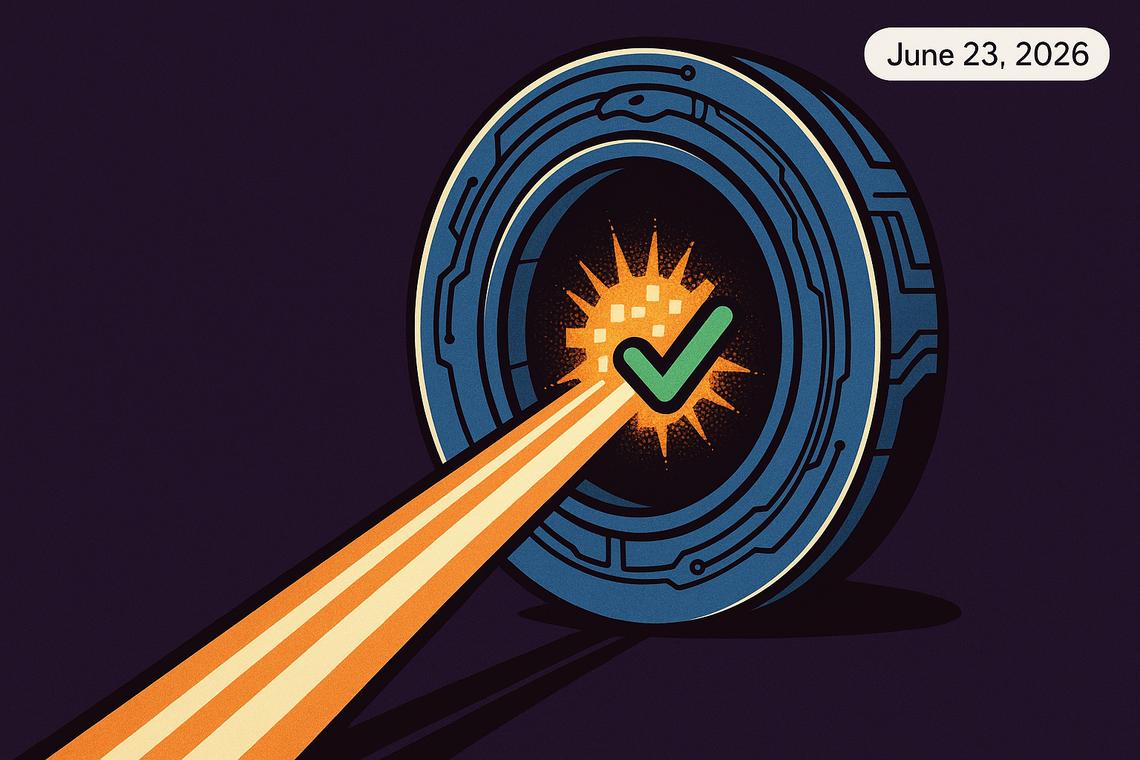
The Cardano Foundation has highlighted how Plutus smart contracts can now verify thousands of signatures natively using BLS12-381 elliptic curve cryptography, without routing the computation through external services or sacrificing cost predictability.
What BLS12-381 actually does
BLS12-381 is a specific elliptic curve used in cryptography, most famously deployed by Ethereum’s beacon chain for validator signatures. The curve has a useful property: signatures created with it can be aggregated.
In English: instead of verifying one thousand individual signatures one by one, you can compress all one thousand into a single proof and verify that instead. The math checks out, and the on-chain cost stays flat regardless of how many signers were involved.