As A.I. outpaces regulation, the most useful governance lesson may come from an ordinary group of citizens who weighed the risks of genetic engineering in 1976. Unsplash+
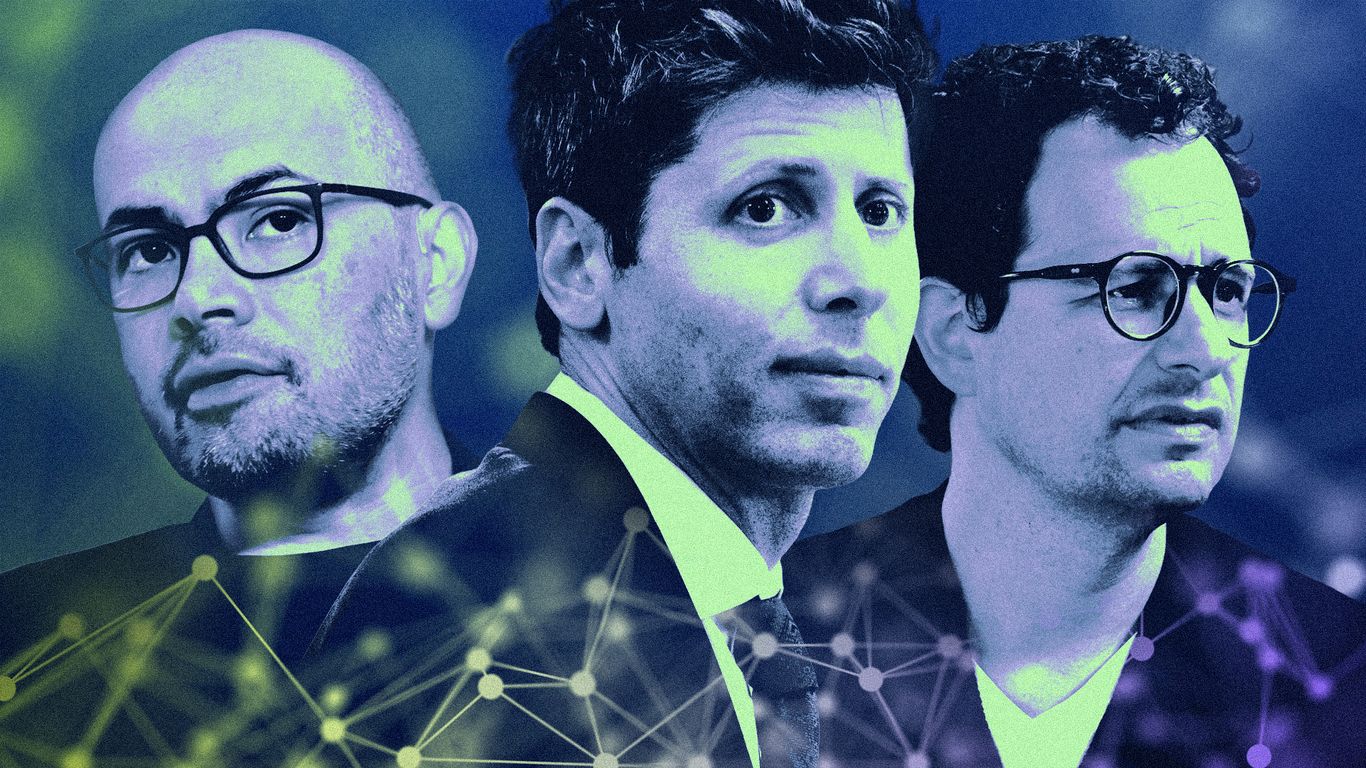
Some of the most powerful people building A.I. are now asking, in effect, to be stopped. Leading firm Anthropic recently conceded that “if it were possible to effectively slow the development of this technology to give ourselves more time to deal with its immense implications, we think that would likely be a good thing.” It is a remarkable admission. The architects of the future are telling us they cannot see clearly into the world they are making.
They have reasons to worry, and so do we. In the space of a few months, we have seen frontier models shut down due to national security concerns, watched the most powerful cyberweapon in history brought into being, witnessed an upheaval in the labor market that economists are still struggling to map and learned of the genuine mental-health toll exacted by A.I. systems engineered to be addictive, in some cases with tragic consequences. Meanwhile, A.I. has begun to improve itself, refining its own code in a process of recursive self-improvement that carries the unsettling possibility of runaway development. Even the recent papal encyclical Magnifica Humanitas warned that a technology built for profit rather than human flourishing risks becoming a new Tower of Babel: a monument to ambition that ends in confusion and collapse.