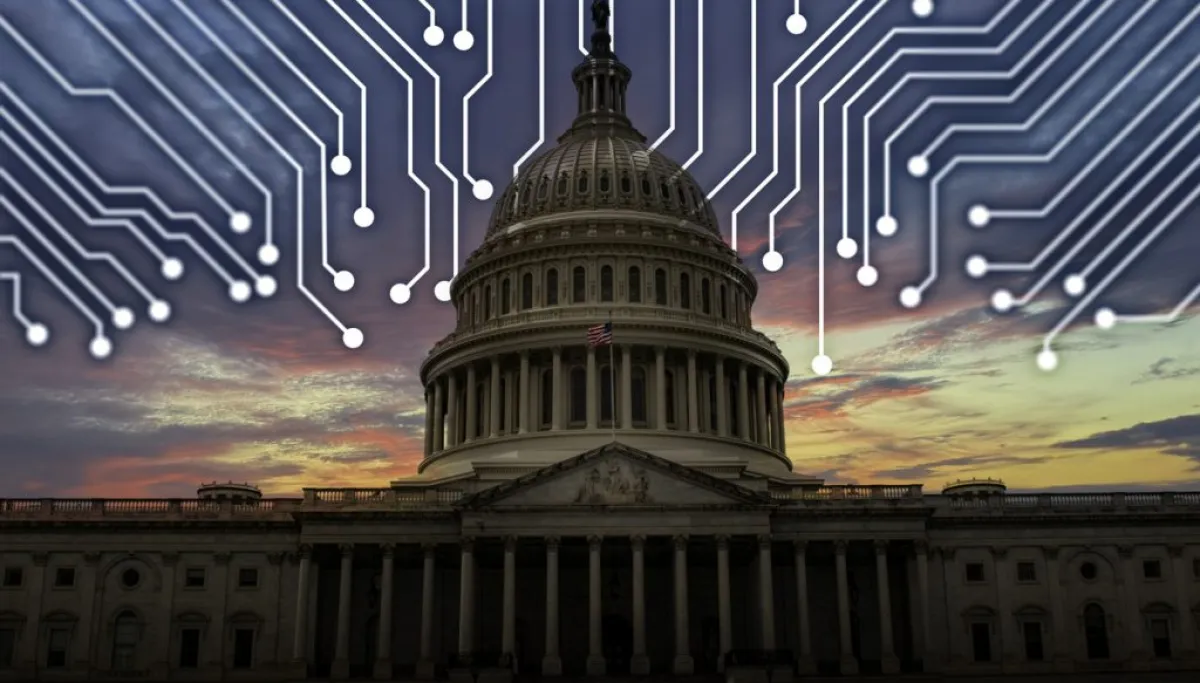
The federal government recently ordered Anthropic to cut off access to Fable 5 — the most capable model it had ever released to the public — days after launch. The stated reason was national security. Anthropic disputes that the flagged technique is dangerous, noting rival models can do the same and that the government has shown almost none of its evidence. Set aside who is right. The world’s leading AI developer and the U.S. government are in a public standoff over whether a single product is too dangerous to sell — and we have no neutral way to settle it.That is the uncomfortable truth beneath the AI debate. However fast or slow you think we should move, we can’t actually measure the speed at which we’re moving. We rely almost entirely on what developers — racing to justify billions in investment — choose to tell us about what they’re building. A few independent labs are chipping away, but we’re nowhere near the science serious oversight needs. We are flying blind.This is why the Great American AI Act, the bipartisan bill from Reps. Jay Obernolte (R-CA) and Lori Trahan (D-MA), matters. It builds on a model for regulating complex, fast-moving technologies that my colleagues at Fathom and I developed a decade ago: the Independent Verification Organization, or IVO. The idea is already advancing in the states — through bills, study measures, and pilots from California to Connecticut — and now enters the national conversation.
The uncomfortable truth behind AI debate — and a bipartisan solution
The Great American AI Act from Obernolte and Trahan builds on a model for regulating complex, fast-moving technologies that my colleagues and I developed.
TL;DRAI
U.S. government blocked Anthropic's Fable 5 over security concerns with no neutral verification mechanism in place. The Great American AI Act proposes Independent Verification Organizations to conduct independent crash tests on frontier models, establishing mandatory external oversight.
656 words~3 min read