Show Caption
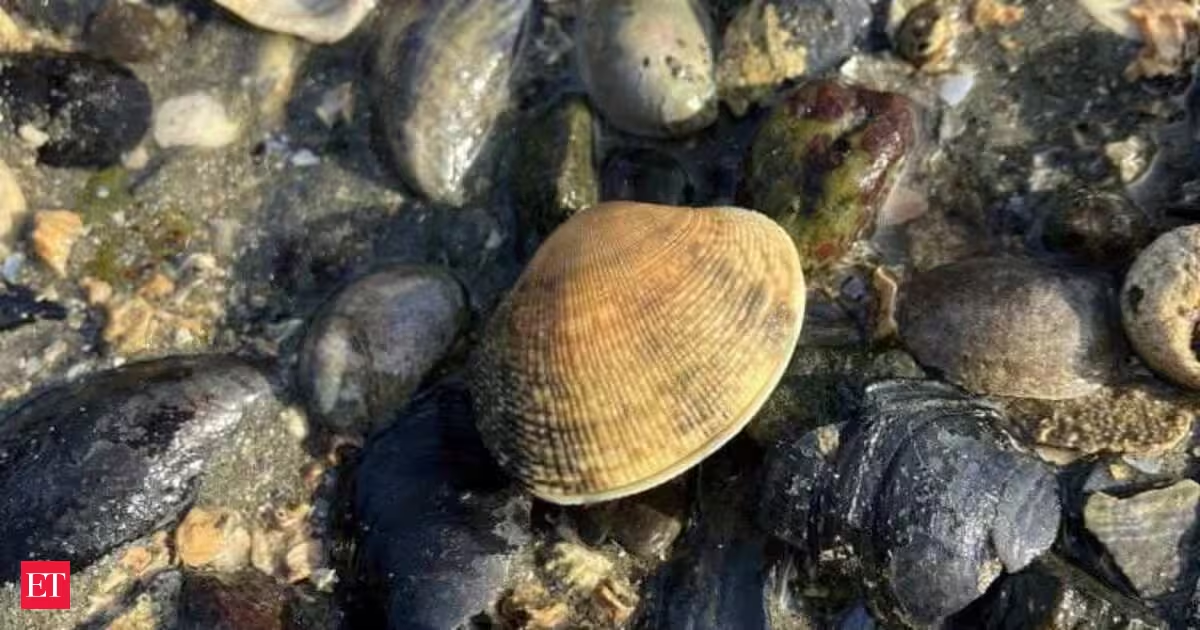
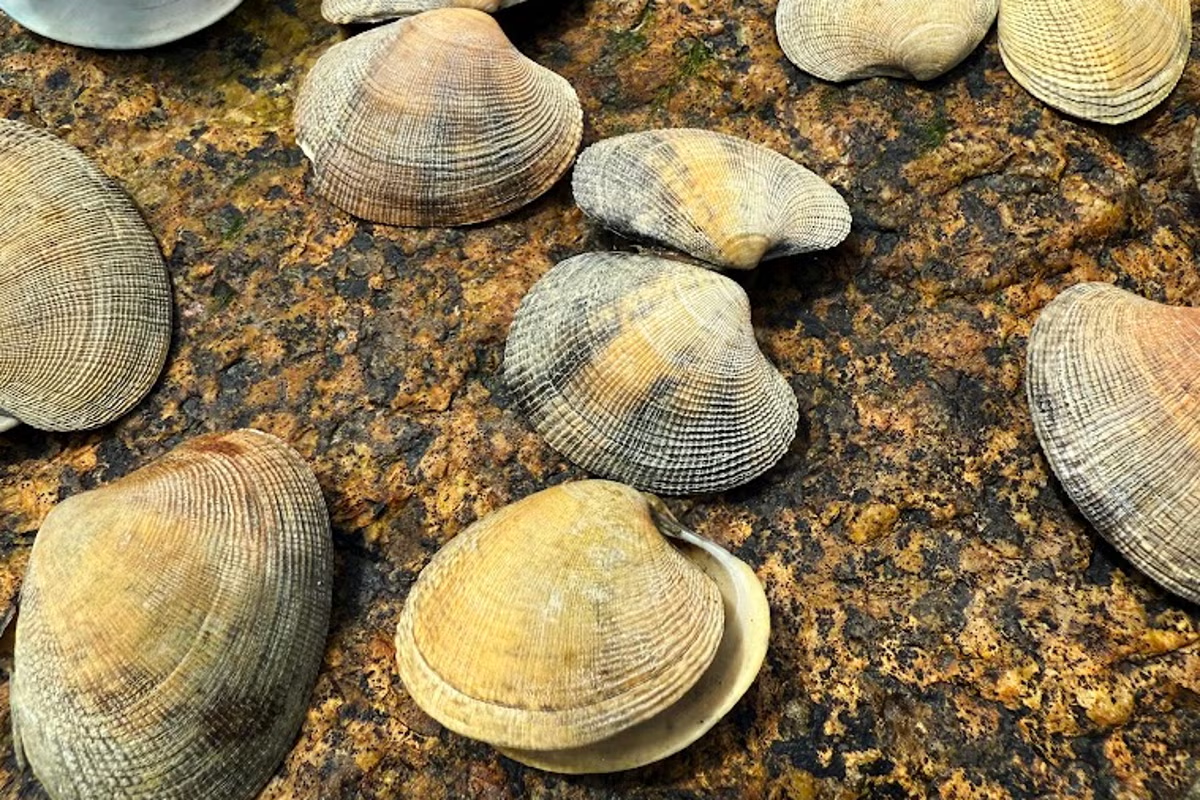
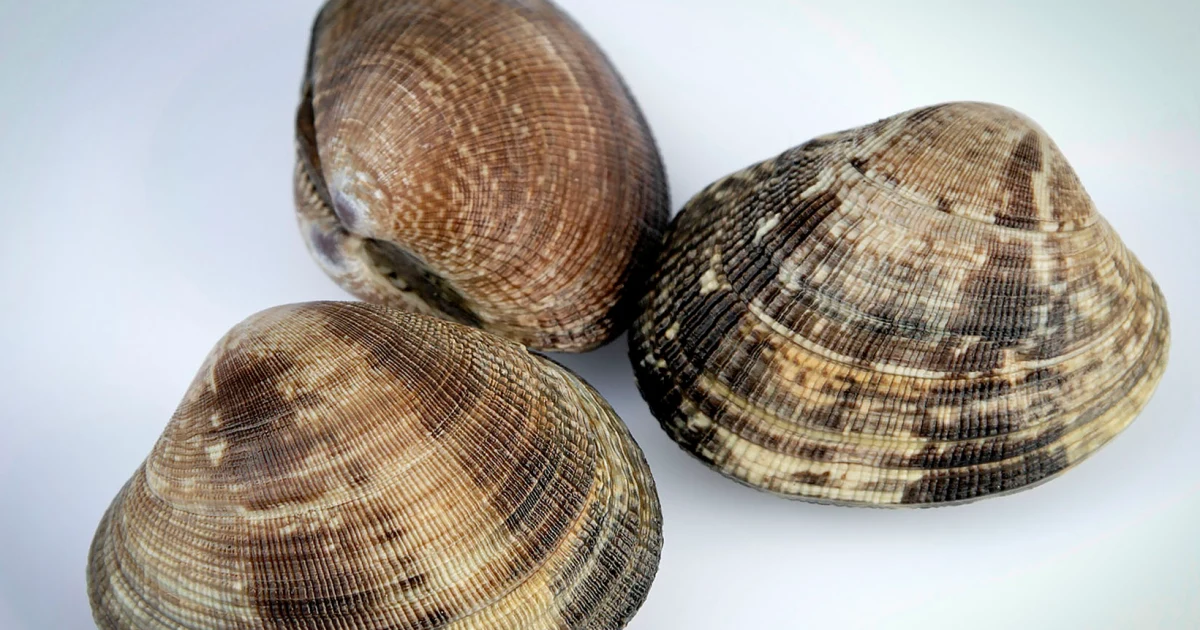
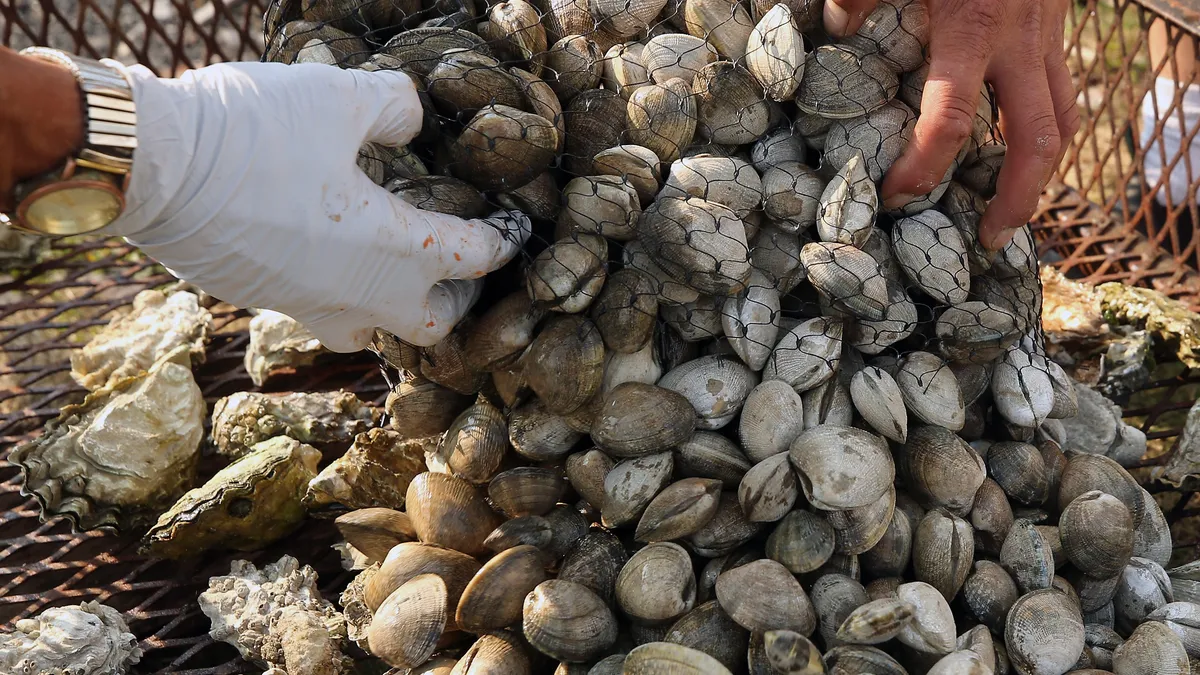
A clam prized on seafood menus around the world has become New England's newest marine invader.Scientists have confirmed that invasive Manila clams are reproducing along the Massachusetts coast, marking the first established populations ever documented in the northwestern Atlantic. The discovery closes the last major gap in the species' Northern Hemisphere range and gives researchers a rare chance to watch an invasive species gain a foothold in a new ecosystem."Given that Manila clams are everywhere else in the Northern Hemisphere, it was only a matter of time before they showed up here," marine scientist Aly Putnam, a postdoctoral researcher at the University of Massachusetts Amherst, told NBC Boston.Researchers from UMass Amherst, Massachusetts Institute of Technology Sea Grant and the Center for Coastal Studies found live Manila clams and evidence of reproduction at multiple sites from Boston Harbor to Cape Cod. Scientists are now racing to determine how far the species has spread and whether it could compete with native shellfish or alter coastal habitats.Native to waters stretching from Russia's Sakhalin Islands through Japan and southern China, Manila clams have spread around the world through both accidental and intentional introductions. The species now supports a global aquaculture industry worth an estimated $7 billion, according to Fox Weather, but scientists warn expanding populations can crowd out native shellfish and reshape coastal ecosystems.A discovery sparked by a text messageThe confirmation emerged from two parallel investigations. In the summer of 2025, Putnam received a text from El Fernekees Hartshorn, a recent University of Rhode Island graduate who had worked with her on invasive species surveys. Hartshorn sent a photo of a clam and suggested it might be a Manila clam. Putnam and colleague Carolina Bastidas of MIT Sea Grant were on Spectacle Island in Boston Harbor at the time and began searching. They found shells "in abundance," according to UMass Amherst.Digging at sites in Quincy and Boston yielded dozens of tiny live clams – evidence of recent reproduction. Meanwhile, researchers with the Center for Coastal Studies, led by Owen Nichols, had been hearing reports from clammers in Provincetown of "weird clams" since 2023, NBC Boston reported. Their investigation uncovered female Manila clams that had also reproduced.The efforts merged when marine invasive species expert James T. Carlton told both groups they needed proof of live clams, not just shells that could have come from someone’s meal. After researchers dug up living Manila clams, they confirmed the species had taken hold in Massachusetts waters.Manila clams ecological risks and possible benefitsAccording to Fox Weather, scientists remain unsure how the clams reached New England waters or how quickly they may spread. Their arrival adds to a growing list of invasive marine species affecting the Atlantic, including jellyfish with painful stings, which were recently documented along the Jersey Shore.Still, researchers say the species could offer some ecological benefits. Manila clams can serve as a food source for seabirds, crabs and other predators, potentially easing pressure on native shellfish such as softshell clams."We do need more research to understand the Manila clam’s potential effects on the shellfishing industry and ecological communities," Bastidas said in the UMass Amherst article. "There could also be positive impacts."Putnam said the discovery is only the first piece of the puzzle, with researchers now focused on how the clams could reshape New England's coastal waters."Finding the species is only the beginning," she said. "Now we are working to understand its distribution, if these populations are expanding, and how these clams interact with other species."For now, the biggest unanswered question is whether the Manila clam will become just another resident of the Atlantic Ocean or the next ecological headache for the U.S.This story was updated with new information.Reporter Anthony Thompson can be reached at ajthompson@usatodayco.com, or on X @athompsonUSAT