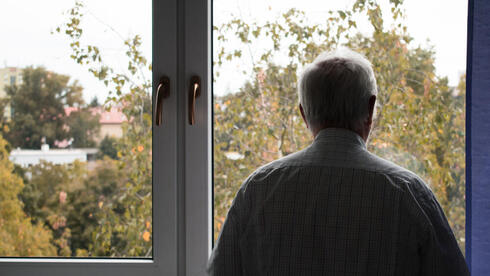
You spot one grey hair in the mirror, and you are instantly doing the mental math of how 'old' you are allowed to feel at 27. Or a birthday rolls around and someone jokes that it’s all downhill from here, and it hurts worse than it should. Most of us have bought into the idea that aging is something to brace for.Here's a stat that goes against that: people who feel good about getting older might live almost 7.5 years longer than those who don't. In a 2002 study published in the Journal of Personality and Social Psychology, Yale researcher Becca Levy and colleagues found such a gap in a group of 660 adults followed for up to 23 years. This deserves a pause, for millennials and Gen Z still think of old age as something distant and worth dreading.What the study actually didIn 1975, 660 adults, 338 men and 322 women, all 50 or older, in a small Ohio town answered questions about how they viewed ageing, as part of a survey later known as the Ohio Longitudinal Study of Aging and Retirement. One statement they responded to was whether they agreed that "as you get older, you are less useful." Researchers then looked at the next 23 years of national death records to see who was still alive.People with more positive views about aging lived, on average, about 7.5 years longer than those with more negative views. That gap held even when researchers adjusted for age, gender, socioeconomic status, functional health, self-reported health, and loneliness. According to that same study, the researchers found that part of the difference was because of what they called the "will to live," or how strongly someone felt their life was still worth living.That one gray hair doesn't have to mean what you think it means. Image Credits: ChatGPTThe "beats exercise" headline needs a caveatYou may have seen this study summarized as “positive thinking beats exercise and not smoking.” That framing comes from Yale itself. According to a 2002 Yale news release, the 7.5-year figure was placed next to the survival benefits of low blood pressure, healthy weight, not smoking, and regular physical activity.It’s a catchy comparison, but one that needs to be handled delicately. The smoking and exercise figures were not derived from this same group of 660. They were from different studies with different subjects and methodologies. Lining them up side by side provides a rough sense of scale, not a controlled apples-to-apples contest. None of this means permission to skip the gym because you’ve decided to feel great about turning 40 someday. Whatever your views on aging, exercise, not smoking, and healthy blood pressure are still doing measurable, well-documented work for your body.Why this doesn't prove attitude causes longevityThis is the detail that gets lost most often. The study found a link, not a proven cause-and-effect relationship. Perhaps those with health problems that had not yet manifested themselves in 1975 simply felt worse about aging because their bodies were silently struggling. That could produce the same statistical pattern even if attitude caused nothing at all. Researchers did take health into account early in the study, which helps rule this out somewhat, but a single questionnaire from decades ago can’t capture everything a body is doing below the surface.Positive views on ageing were linked to nearly 7.5 extra years of life. Image Credits: ChatGPTIt isn't just one lonely findingThe reason this research stays relevant is that it hasn’t remained isolated. The Berlin Aging Study, published in the Psychology and Aging journal, which followed adults between the ages of 70 and 100 for 16 years, found that those who had more positive perceptions of their own aging had a lower risk of death even when controlling for age, health status, and socioeconomic status. They added that as people approached death, they tended to become less satisfied with their aging and report feeling older.Levy herself has spent decades studying this question and later compiled much of her work in the book “Breaking the Age Code.” Another Yale-affiliated study, ‘Stereotype Embodiment,’ also found that people with more positive views of their own aging tended to do better over time on measures such as memory and walking speed.Most of this research is observational. It’s good for finding patterns among large groups of people, but it can’t tell any person what their own outlook will do for their own lifespan.The real takeaway for younger readersThe statements researchers actually measured weren't about smiling through birthdays. They had more to do with questions on whether someone still felt useful, or still felt they had a place. That distinction is important in a culture saturated with "anti-aging" messages that frame getting older as something to fight off, rather than move through.The research isn’t asking anyone to be relentlessly joyful about turning 60. It suggests that constantly absorbing the idea that ageing is nothing but decline might have a price. You still need sleep, exercise, good food, and real medical care to live well, but according to this research, the stories we carry about what it means to grow older may be worth paying attention to as well.
A Yale researcher asked 660 adults what they thought about aging; the answers predicted lifespans more than 20 years later
A Yale study reveals how positive perceptions of aging can lead to nearly 7.5 years longer life expectancy. Discover the impact of mindset on longevity and overall health.
858 words~4 min read