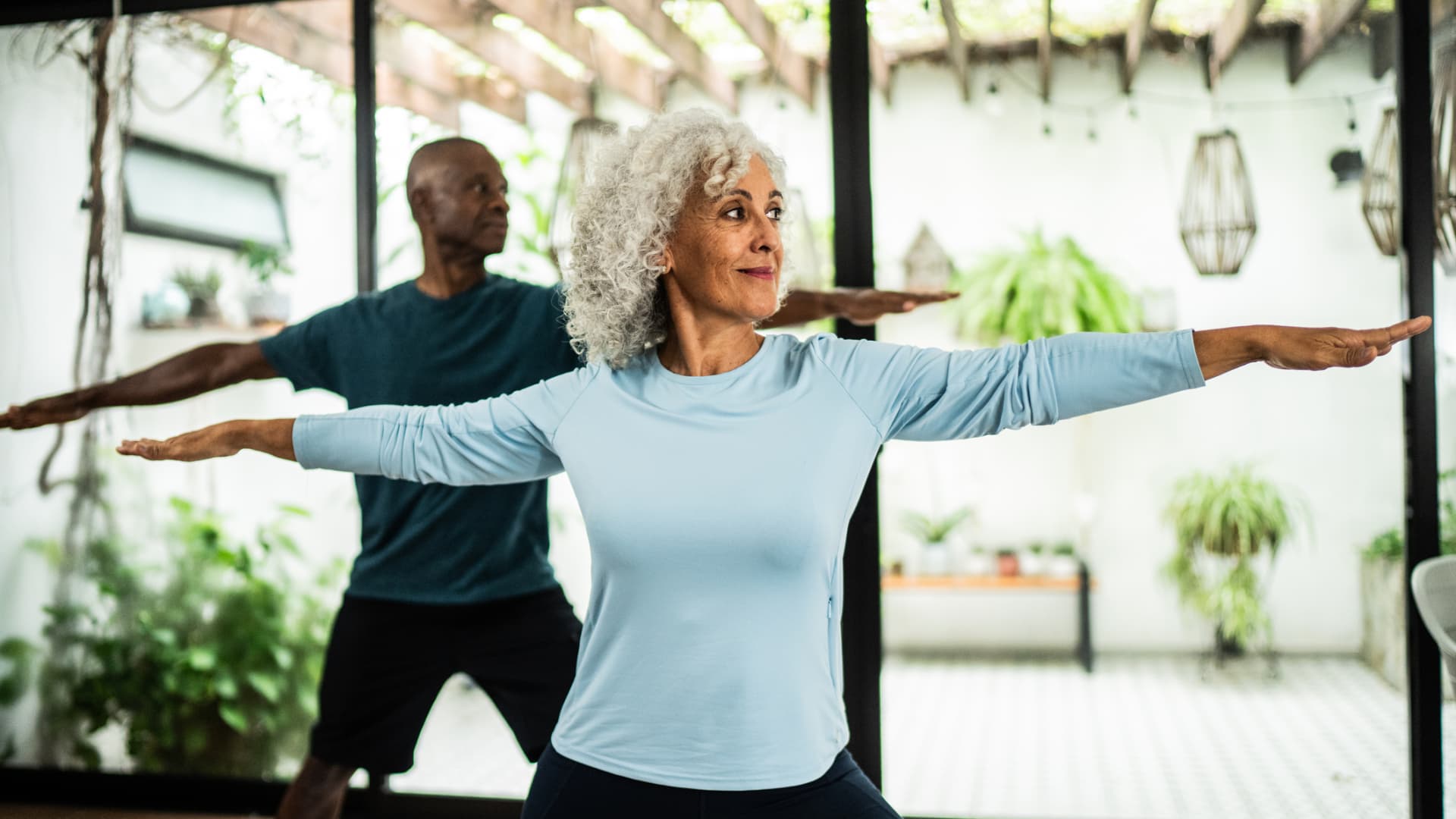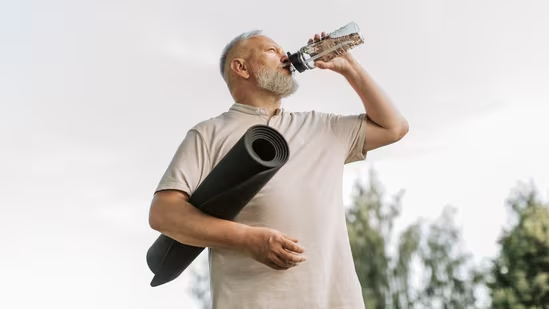
The pursuit of a longer, healthier life has fuelled a surge in biohacking trends, longevity supplements and complicated wellness routines, all promising to help you live into your 90s. But while the internet is full of quick fixes, experts say your lifespan is often influenced by far simpler factors. Everyday measures of strength, cardiovascular fitness and mobility can offer valuable clues about how well you're ageing, and improving them may do more for your long-term health than the latest longevity fad.Staying on top of your fitness game is important for a longer lifespan. (Pexel)Also Read | Is olive good for your heart? Heart surgeon Dr Jeremy London shares how it affects risk of heart attacks and strokeDan Go, a high performance health and fitness coach with over 20 years of experience, has shared five lesser-known signs that may indicate you're on track to live to 90 or beyond, highlighting simple markers of strength, cardiovascular health and overall fitness that are closely linked to longevity.In an Instagram video shared on July 13, the fitness coach highlights, “Studied 1,000+ people who lived past 90. Five patterns predicted longevity: Not what you think. Not genetics. Not supplements. Not even perfect diet. The survivors had habits nobody talks about. Small things. Daily things. Boring things that compound over decades.”Walking speedAccording to Dan, your walking speed can be a strong indicator of your cardiovascular fitness. He explains that people who naturally walk at a faster pace tend to age more slowly and, as a result, may have a longer life expectancy.The fitness coach highlights, “This is a sign of cardiovascular function. A pace over 1 m/s (2.2 mph) predicts longer life. A stride of over 2.7 mph shows mortality risk drops dramatically. Fast walkers age more slowly.”Resting heart rateDan explains that a lower resting heart rate is often a sign that your heart is functioning efficiently and your body's stress response is well regulated. For those with a higher resting heart rate, he recommends increasing aerobic exercise.He notes, “A low RHR means your heart is efficient and your stress response is balanced. Under 70 bpm is solid. Under 60 bpm is elite longevity territory. If you’re above 80 to 90, it’s a sign that you need to build your aerobic engine.”Sit-and-rise testBeing able to sit down on the floor and stand back up without using your hands for support is a simple indicator of strength, balance and mobility. According to the fitness coach, nearly two-thirds of age-related injuries are caused by falls, making it essential to preserve muscle strength, stability and mobility as you age.Dan explains, “Sitting on the floor and standing back up without using your hands is a display of strength, balance, mobility, coordination, and independence as you age. By age 85, roughly two thirds of all injury-related deaths are due to falls. Only one in eight adults can do this.”Bar hangs (grip strength)One of the lesser-known predictors of longevity is grip strength, and research suggests that being able to perform even a 60-second dead hang may reflect a healthy, well-functioning musculoskeletal system. According to Dan, weaker grip strength has been linked to accelerated ageing.He notes, “Grip strength is so predictive of longevity that researchers call it ‘the sixth vital sign’. A 60-second dead hang signals a thriving musculoskeletal system. At 90 seconds, you’re well above average. A weak grip correlates with accelerated ageing.”One-mile run timeThe fitness coach points out that being able to run a mile in under 10 minutes at any age is a strong indicator of cardiovascular fitness. Because running performance reflects the combined health of your heart, lungs and muscles, a faster mile time has been associated with a lower risk of long-term mortality.Dan explains, “If you can run a mile under 10 minutes at any age your cardiovascular system is in good shape. Under eight minutes puts you in longevity-athlete status. Faster mile times strongly predict lower long-term mortality. It’s a snapshot of your fitness level.”He concludes, “Your body is always giving you signals about how well you’re ageing These five markers reveal the truth long before blood tests or scans. Improve them, and you don’t just add years to your life, you add life to your years.”Note to readers: This article is for informational purposes only and not a substitute for professional medical advice. It is based on user-generated content from social media. HT.com has not independently verified the claims and does not endorse them.Dan Go is a prominent fitness and high-performance health coach with over 20 years of experience, who helps busy professionals lose fat, build muscle, and optimise their longevity without sacrificing their careers. He shares practical, science-backed lifestyle protocols across his coaching platform and social media.
Health coach Dan Go shares 5 signs that indicate you're on your way to live till 90 or older
A longer and healthier life often starts with simple habits and the decisions you make every day. Dan shares five signs that indicate you're on the right track. | Health
782 words~4 min read