Over the past two years, the scaled deployment of humanoid robots has become a shared concern across technology and investment circles. Although the industry’s output value is widely expected to grow significantly in the foreseeable future, it is still searching for answers on cost, supply chain quality, and, most critically, how to define real user scenarios.
After a change in control at Swancor Advanced Materials in November 2025, the company, which had originally focused on industrial materials, adopted a two-pronged strategy centered on new materials and embodied intelligence.
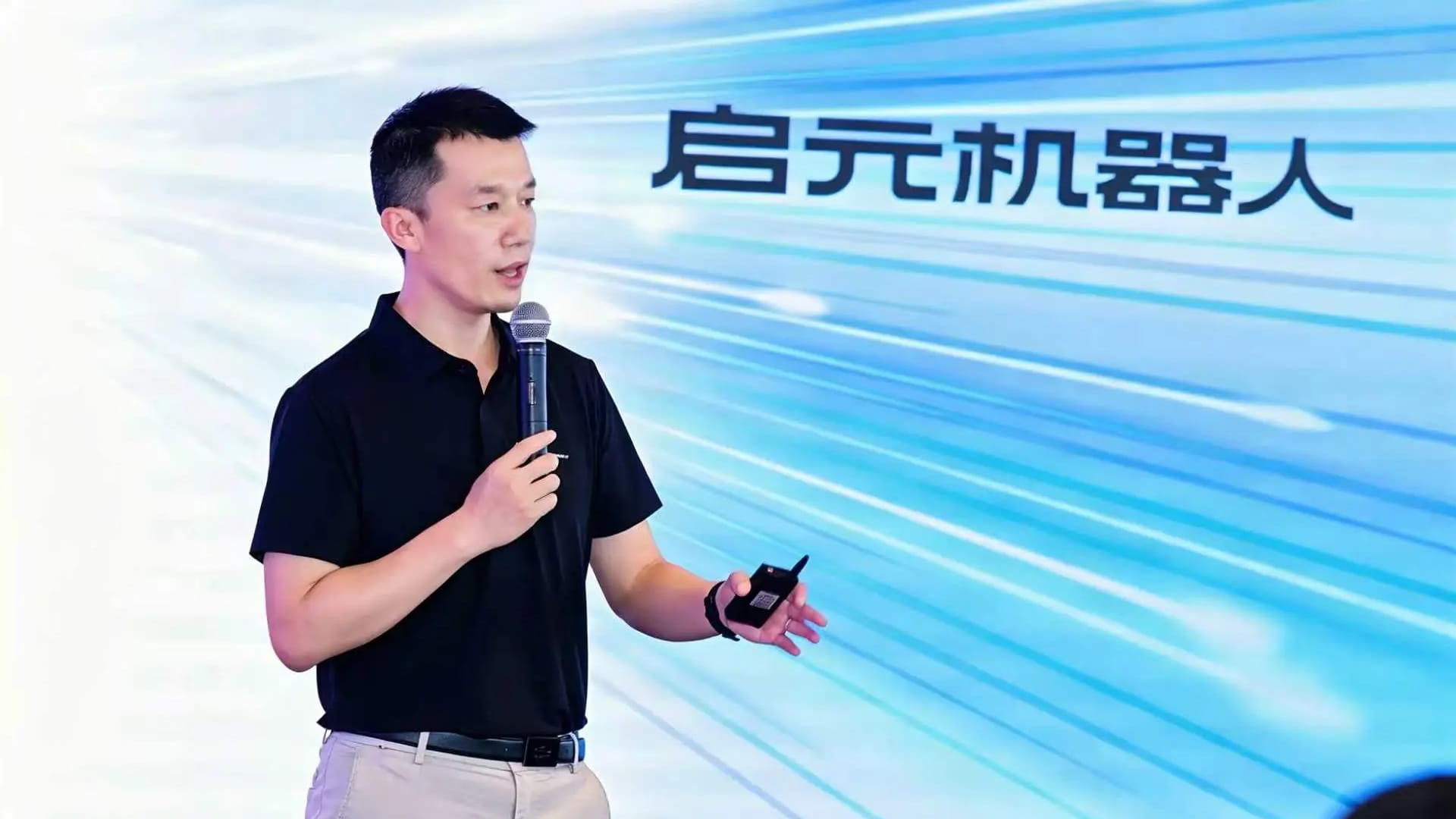
The shift reflects the acquirer’s ambitions in consumer-grade robotics. On December 31, 2025, Swancor announced that it would enter the personal robot market under the Swancor Qiyuan brand, while also launching the Qiyuan Q1 personal robot.
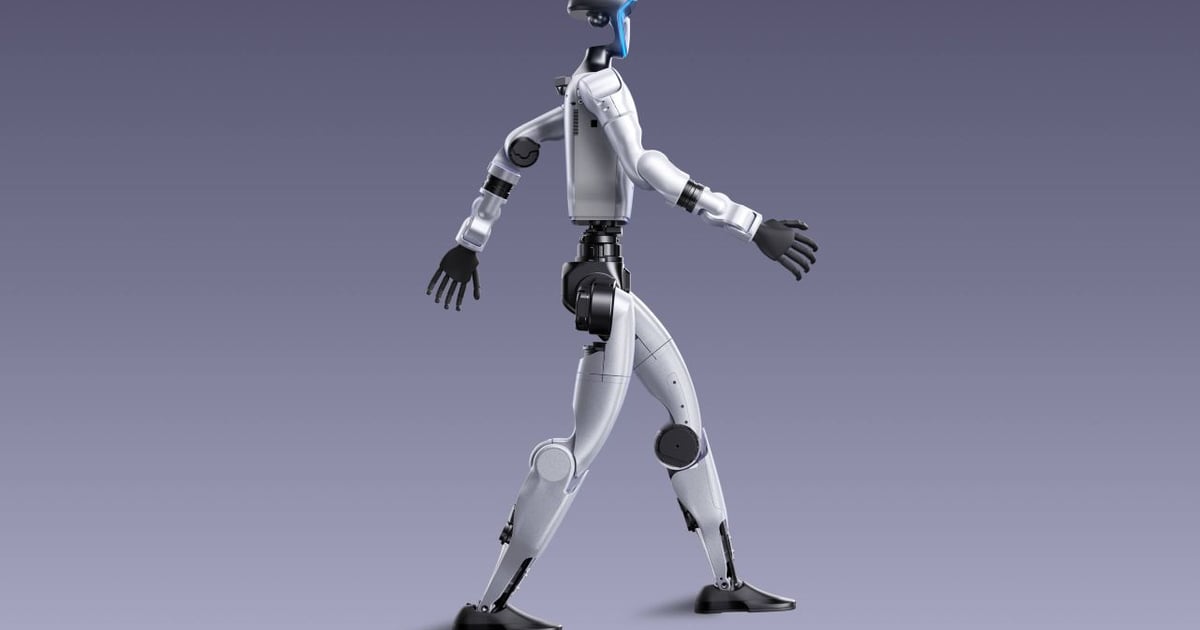
In the official promotional video, the Qiyuan Q1 stands 88 centimeters tall. It can run and jump, folds up to fit inside a backpack, and is described by the company as the world’s smallest full-body force-controlled humanoid robot. The Q1 also supports open software development kit (SDK) and hardware development kit (HDK) interfaces, uses a modular structural design, and allows 3D-printed shells and customized appearances, making it a flexible development and modification platform.