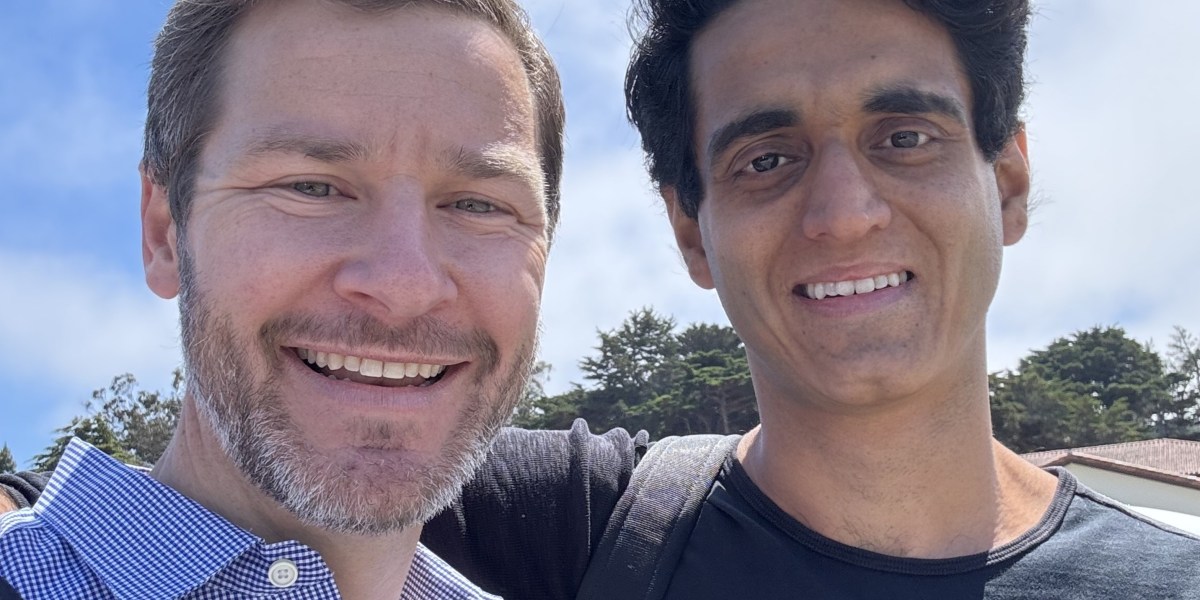
In 2017, Nishith Khandwala was a Stanford computer science student with an idea—that you could take existing radiology scans, and use AI to check them at scale and detect heart disease and heart attack risk early.
For years, he and classmate David Eng developed the project—but even when it worked, they hit a wall. Hospitals more or less shooed them away, and it seemed like it might be time to move on. But in 2020, Khandwala’s father had a heart attack.
“The cardiologist told us: ‘There was actually a scan in the past that showed he had an increased risk of heart disease, I think we could have caught this earlier,’” said Khandwala, now CEO of Bunkerhill Health. “Can you imagine? Think about the millions of patients for whom you could prevent those kinds of heart attacks. The key thing though was: We weren’t unique in having a great idea. Great ideas are everywhere, we just don’t translate them into reality.”
Bunkerhill—which Khandwala cofounded with Eng in 2019—takes its name from a single-season 2010s CBS TV show that was decisively panned, but had a central, sticky idea: that medicine can iterate faster. The startup, then, deploys AI agents to handle the tasks that hospitals most need to solve, from long wait times to missed follow-ups to paperwork backlogs. Bunkerhill doesn’t suggest use cases so much as hospitals ask if the company’s agents can solve a problem.