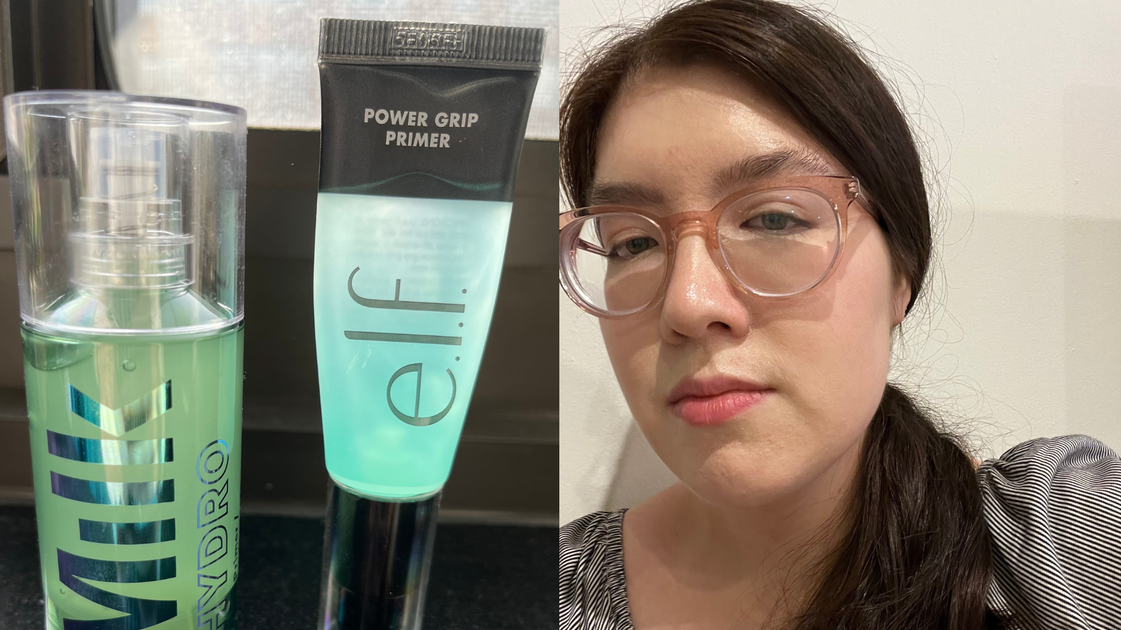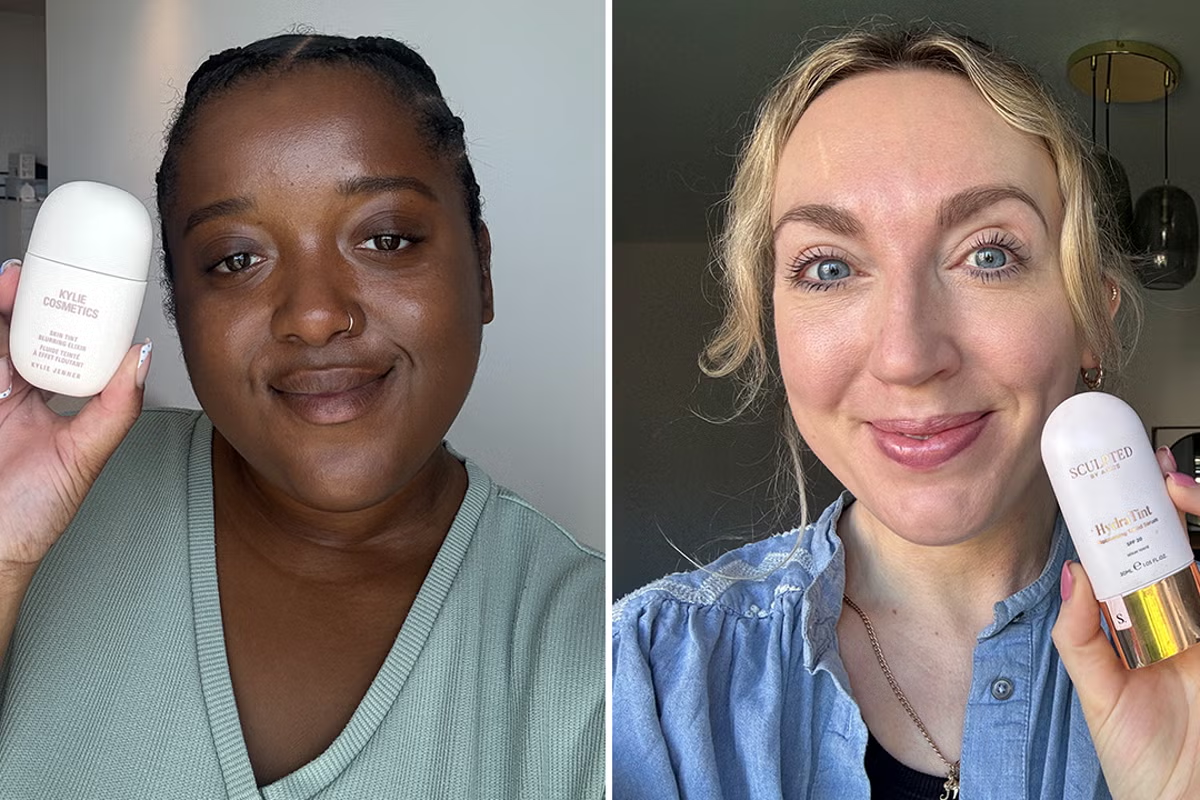
Your questions on skin tints answeredWhat is the best skin tint?Milk Makeup's hydro grip gel tint takes the crown for best skin tint thanks to its rare ability to balance glow, coverage and longevity in equal measure. Sabrina found it delivered enough pigment to soften hyperpigmentation while still looking convincingly like skin. It also retained its radiance throughout the day, without becoming overly shiny on combination skin. The lightweight feel and buildable finish make it an easy recommendation for most skin types, while those seeking something more targeted may prefer Lisa Eldridge's seamless skin enhancing tint for oily skin or Vieve skin nova complexion balm for a more nourishing, thirst-quenching feel. And, if you’re on a strict budget, Vanese found Nyx’s buttermelt glaze to be a great pick at sub-£15, offering a skin glow and added UV protection.How we tested skin tintsTo ensure our recommendations worked for more than one complexion, I called on a trio of additional expert reviewers to test the best skin tints across our different skin tones and types, including between us, oily, combination and dry complexions. At 42, Helen was also able to assess how select formulas performed around fine lines, texture and loss of elasticity. Over several weeks, we wore the included tints alongside our usual skincare and make-up routines, paying close attention to comfort, finish and longevity. We assessed:Coverage: We considered how effectively each tint blurred redness, pigmentation and uneven tone while still allowing our natural skin to shine through. Finish: We evaluated whether the formulas looked radiant, dewy, satin or matte, and whether the finish remained flattering throughout the day. Longevity: We monitored fading, oxidisation, separation and how well each tint took to our skin types. Texture and consistency: We assessed how easily products spread across the skin, whether they blended seamlessly and how much product was needed per application. Shade range: We considered the number of available shades and how inclusive each range was. Compatibility: We tested how well the formulas layered with our skincare and make-up. Comfort: We noted whether the formulas felt lightweight and breathable or became heavy, greasy or drying after prolonged wear. Who should use a skin tint?According to Arthur, skin tints are “ideal for anyone who wants light coverage and a more natural finish”. They can work particularly well for people who simply want to soften redness, brighten the complexion or create a healthy glow without the look and feel of traditional foundation.“They're also a great option for those who dislike the feeling of traditional foundation or prefer a more skin-focused approach to beauty,” she says.Does a skin tint make a difference?“Absolutely,” says Arthur. “While the difference is usually subtle, a good skin tint can instantly make the skin look fresher, healthier and more even-toned.”Rather than masking the complexion, she explains that skin tints are designed to enhance it. “Many people find that a skin tint gives them enough coverage to feel more confident without looking like they're wearing obvious makeup.”Is it good to wear a skin tint every day?“In most cases, yes,” Arthur tells me. “Many skin tints are formulated with hydrating and skin-supporting ingredients, making them suitable for daily use.”She also points out that the most important considerations are choosing a formula that suits your skin type and ensuring it is removed properly at the end of the day. “If the formula is non-comedogenic and paired with a good skincare routine, there's generally no reason why a skin tint can't be worn daily.”Is a skin tint better for mature skin?“For many people with mature skin, skin tints can be a fantastic option,” confirms Arthur. “Heavier foundations can sometimes settle into fine lines, texture and creases, whereas a lightweight skin tint tends to move more naturally with the skin.”She adds that many formulas contain hydrating ingredients that help create “a fresher, more radiant appearance”, making them increasingly popular among those seeking a more natural-looking finish.How do I choose a skin tint?Arthur recommends starting with your skin type and the finish you'd like to achieve. “If your skin is dry, look for hydrating formulas containing ingredients such as hyaluronic acid, squalane or ceramides. If you're oily or blemish-prone, opt for lightweight, non-comedogenic formulas that won't feel heavy on the skin.”She also advises considering whether you prefer a dewy, radiant or natural finish and, whenever possible, testing shades in natural daylight. “The best skin tint should look like healthy skin, not obvious makeup.”Why you can trust IndyBest reviewsAs a senior shopping writer, Lucy Smith has covered all manner of make-up topics, including the best bronzers and the best mascaras. She also regularly speaks with MUAs (like Tori Arthur, above), to support her reviews.Sabrina Sahota is IndyBest’s deputy editor and also tests beauty products around the clock. Alongside Lucy and two other testers, she reviewed best foundations, as well as contributed to the team’s best blush guide. She also oversees a large portion of cosmetics content from the wider team, making her a bonafide expert on the topic.Vanese Maddix has been reviewing products for IndyBest for a number of years now and joined Lucy for the team’s round-up of the best concealers – to name but one of her many tests. With almost a decade of writing under her belt here at The Independent, it’s hard to find beauty products Helen Wilson-Beevers hasn’t tested, with her guides to the best foundations for dry skin and the best tinted moisturisers just a small sample of her work.Read more: Best BB creams, tested
12 best skin tints for a natural, radiant finish, tested on four skin tones
Expect lightweight coverage and undetectable blurring
913 words~4 min read