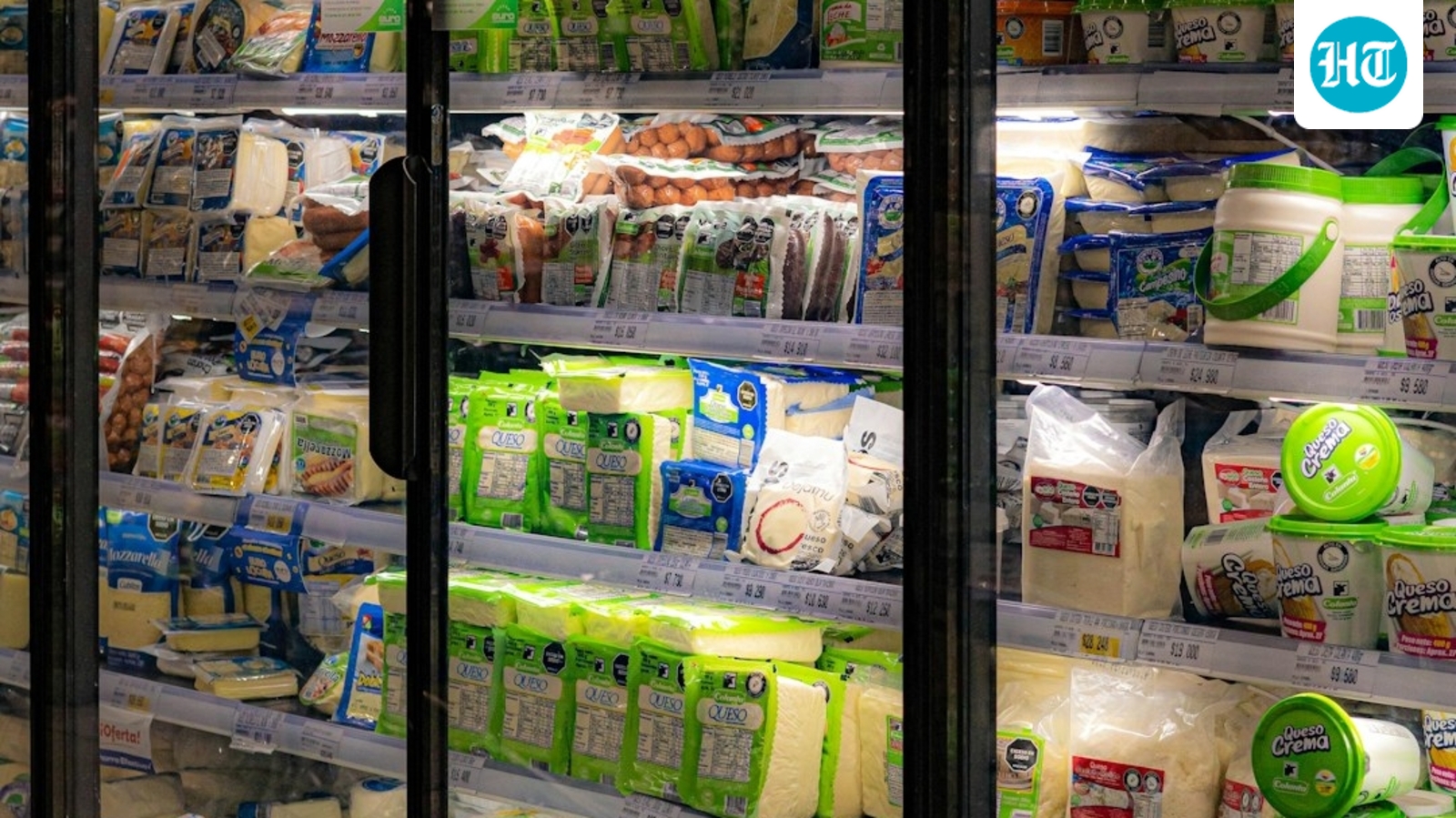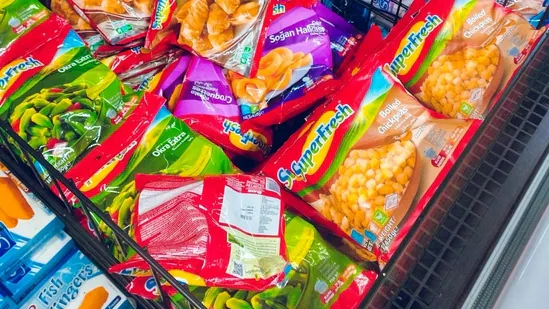
Dr Sankaran rates frozen items from best to worst, highlighting certain popular foods that contain Group 1 carcinogens, increasing health risks. Frozen foods are often found in people's homes because they are convenient and easy to make. While consuming them once in a while to reduce your workload is fine, eating frozen foods daily can harm your health. Therefore, it is important to know what you are putting inside your body.An oncologist evaluates various frozen foods and assigns them health scores based on their nutritional risks. (Unsplash)Also Read | Psychotherapist shares the everyday habits that can help you stop overthinking and feel more at peaceOn July 15, Dr Arrjun Sankaran, an oncologist and cancer surgeon, shared a video expressing his views on frozen food, the risks they pose to our general health, and rating some popular frozen food items commonly found in our kitchens.Frozen foods: Are they healthy?In the video, the oncologist evaluated various frozen foods and assigned them health scores based on their nutritional risks. He warned against processed meats and pre-fried goods, noting that these products often contain carcinogens or harmful chemical additives such as acrylamide.Additionally, he highlighted that frozen ready-made meals and breads often contain high levels of sodium, preservatives, and refined flours, which can negatively affect the immune system and blood sugar levels. However, he noted that frozen produce, like fruits and vegetables, is highly recommended as a nutritious and safe alternative when fresh options are unavailable.Here's Dr Sankaran's rating for these popular frozen items from worst to best:1. Frozen sausages: 2/10He described it as the worst because it is a proven group 1 carcinogen.2. Frozen fries: 2.5/10According to the oncologist, these are pre-fried in the factory before being frozen; if consumed, they should only be air-fried, as deep-frying them again increases the risk of acrylamide, a Group 2A carcinogen.3. Frozen nuggets: 3/10Their refined-flour coating is high in salt and ultra-processed, meaning they should be eaten only occasionally.4. Frozen ready meals: 3.5/10According to the incologist, frozen ready meals or heat-and-eat curries remain fresh for months due to a preservative called PBHQ, which an EWG study linked to immune cell effects, and they also contain high amounts of sodium.5. Frozen parathas or pizza bases: 4/10They taste fresh because they contain maida, emulsifiers, and preservatives; they also have a high glycemic load, which rapidly spikes blood sugar.6. Frozen peas or vegetables: 8/10They receive a much higher rating because, while fresh is ideal, frozen is a good option if fresh produce is unavailable.7. Frozen berries or fruit: 8.5/10Similar to vegetables, fresh is best, but frozen serves as a safe alternative, according to Dr Sankaran.Note to readers: This article is for informational purposes only and not a substitute for professional medical advice. Always seek the advice of your doctor with any questions about a medical condition.This report is based on user-generated content from social media. HT.com has not independently verified the claims and does not endorse them.Dr Arrjun Sankaran is a Hyderabad-based oncologist and cancer surgeon focusing on modern cancer surgery and Improved quality of life beyond treatment.Krishna Priya Pallavi is a journalist with over 9 years of experience, covering health, fashion, pop culture, travel, wellness, entertainment, festivals, mental health, art, decor, fitness, and sex and relationships. She is an alumna of the Indian Institute of Mass Communication (IIMC), Dhenkanal, and holds an undergraduate degree in Journalism and Mass Communication from Guru Gobind Singh Indraprastha University, Delhi. Her strong academic foundation informs her analytical and detail-oriented approach to storytelling, helping her uncover stories where none seem to exist.
Think frozen foods are safe for daily consumption? Oncologist Dr Arrjun Sankaran rates popular foods from worst to best
Dr Sankaran rates frozen items from best to worst, highlighting certain popular foods that contain Group 1 carcinogens, increasing health risks. | Health
811 words~4 min read