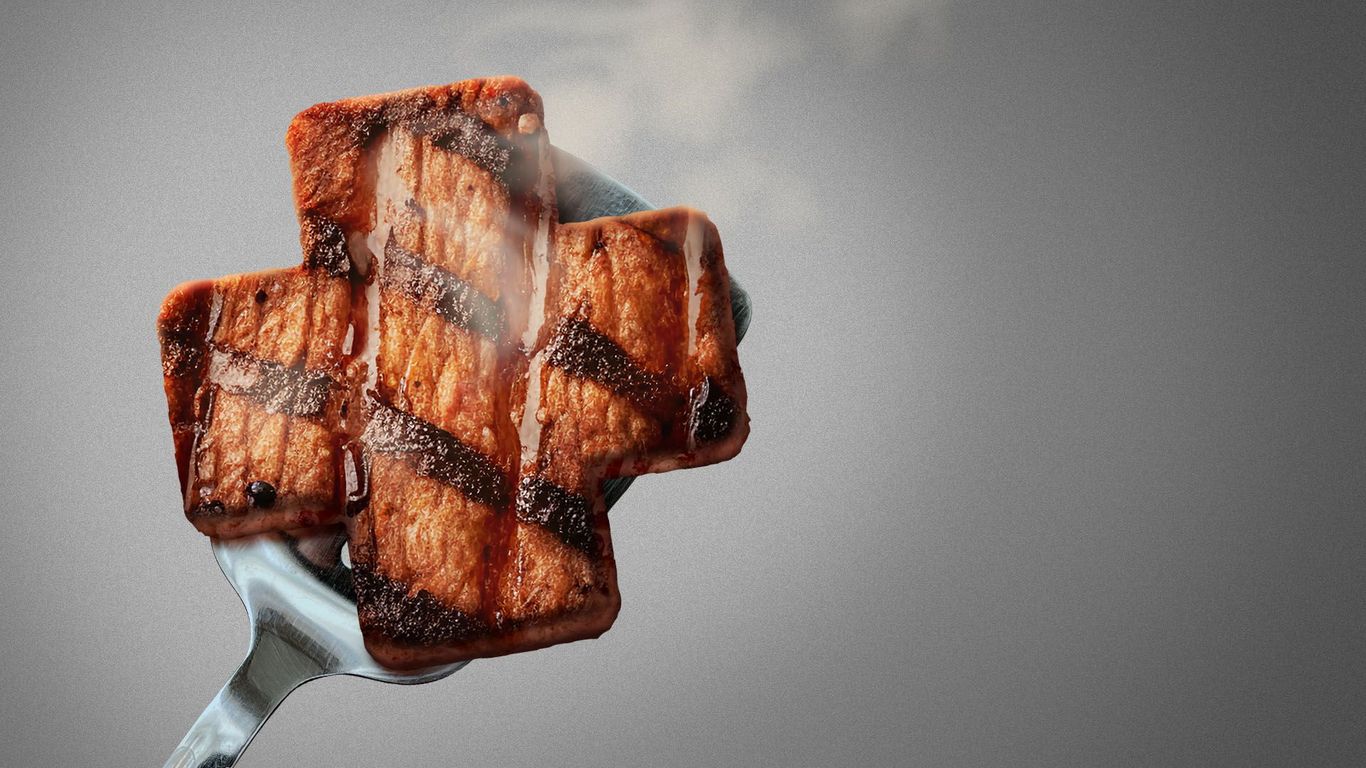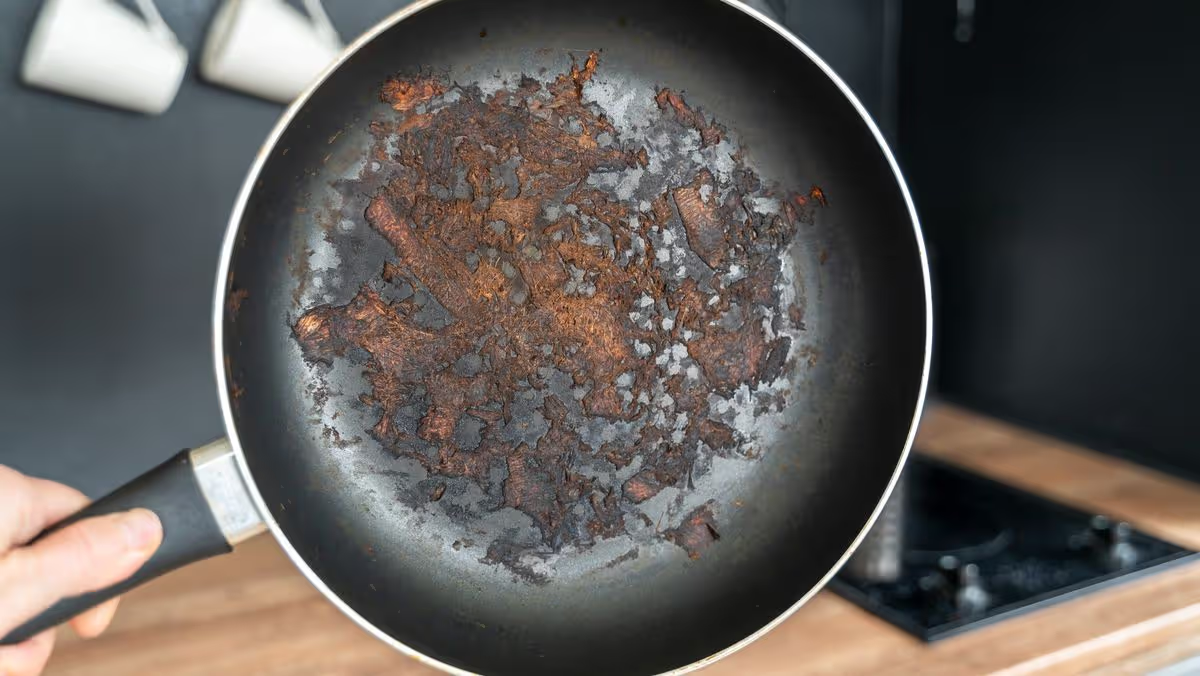
More people are paying close attention to what they eat, often tracking calories, exercising daily, and filling their plates with foods that seem naturally healthy, including fruits and vegetables. Yet even nutritious foods can carry hidden chemical concerns. Some contaminants can enter food from the environment, while others can form during high heat cooking methods such as heating, smoking, grilling, roasting, and frying.
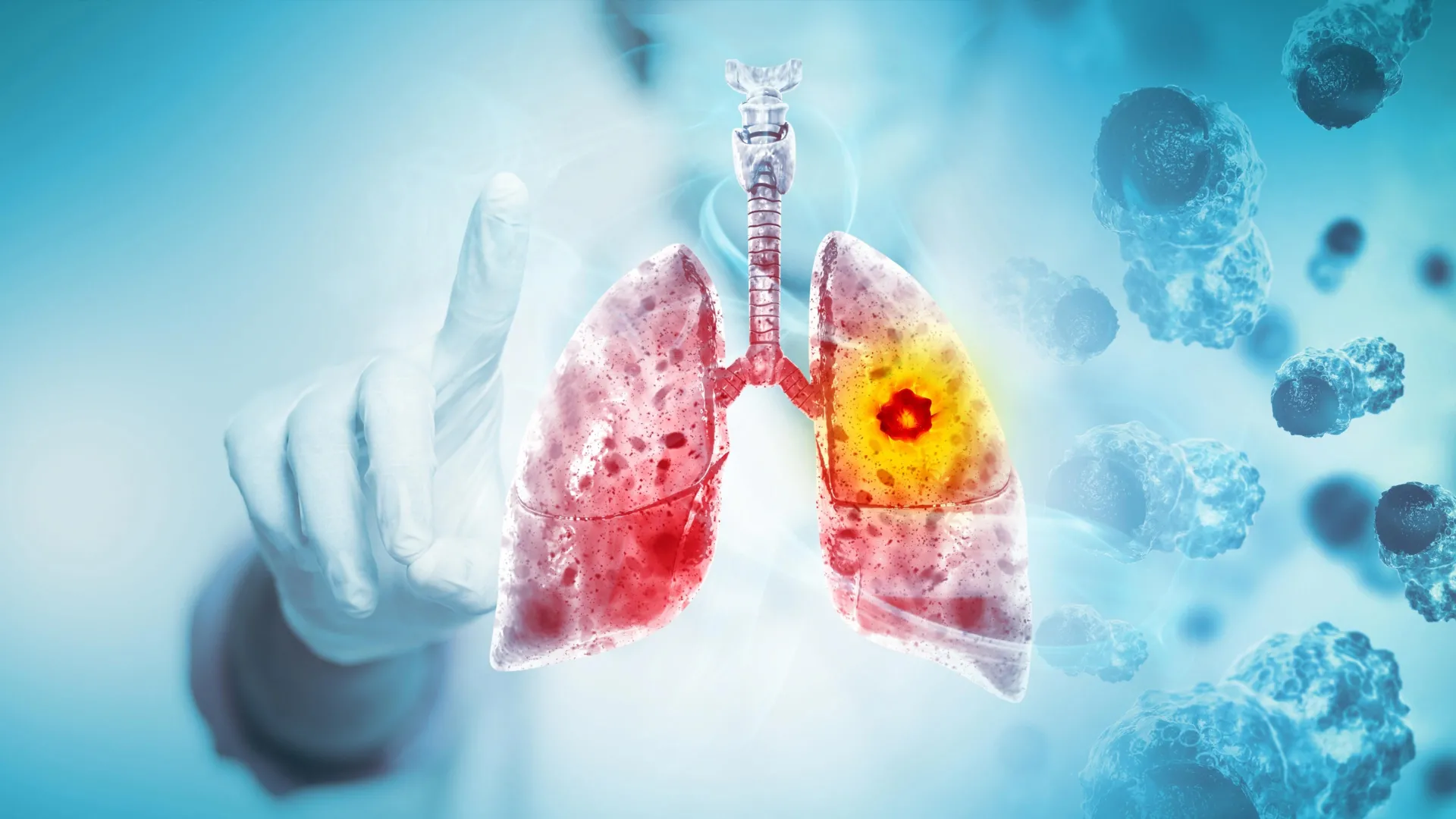
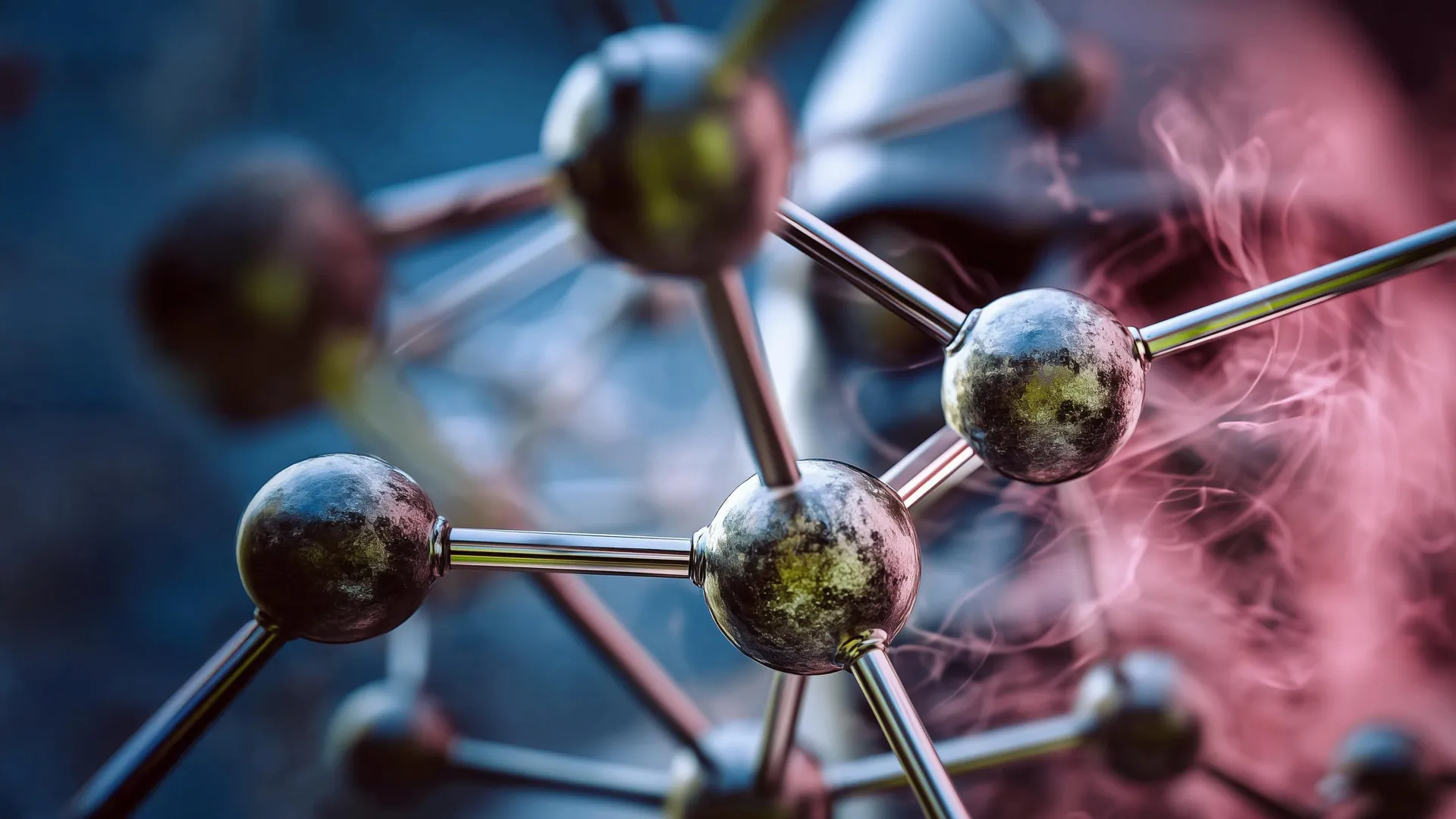
Among the compounds of concern are polycyclic aromatic hydrocarbons, or PAHs (hydrophobic organic compounds comprising multiple fused aromatic rings). Some PAHs are known for their cancer causing potential, which makes reliable food testing an important part of protecting public health.
A Hidden Food Safety Challenge
Detecting PAHs in food is not simple. Conventional extraction methods, such as solid phase extraction, liquid liquid extraction, and accelerated solvent extraction, can be affordable, but they often require lengthy preparation, heavy hands on labor, and chemical intensive procedures that are not ideal for workers or the environment.
To solve these problems, scientists have been turning to a streamlined method known as QuEChERS (Quick, Easy, Cheap, Effective, Rugged, and Safe). The approach is designed to speed up sample preparation, reduce chemical use, improve recovery rates, and make food contaminant testing more practical for routine safety checks.