July 16th, 2026
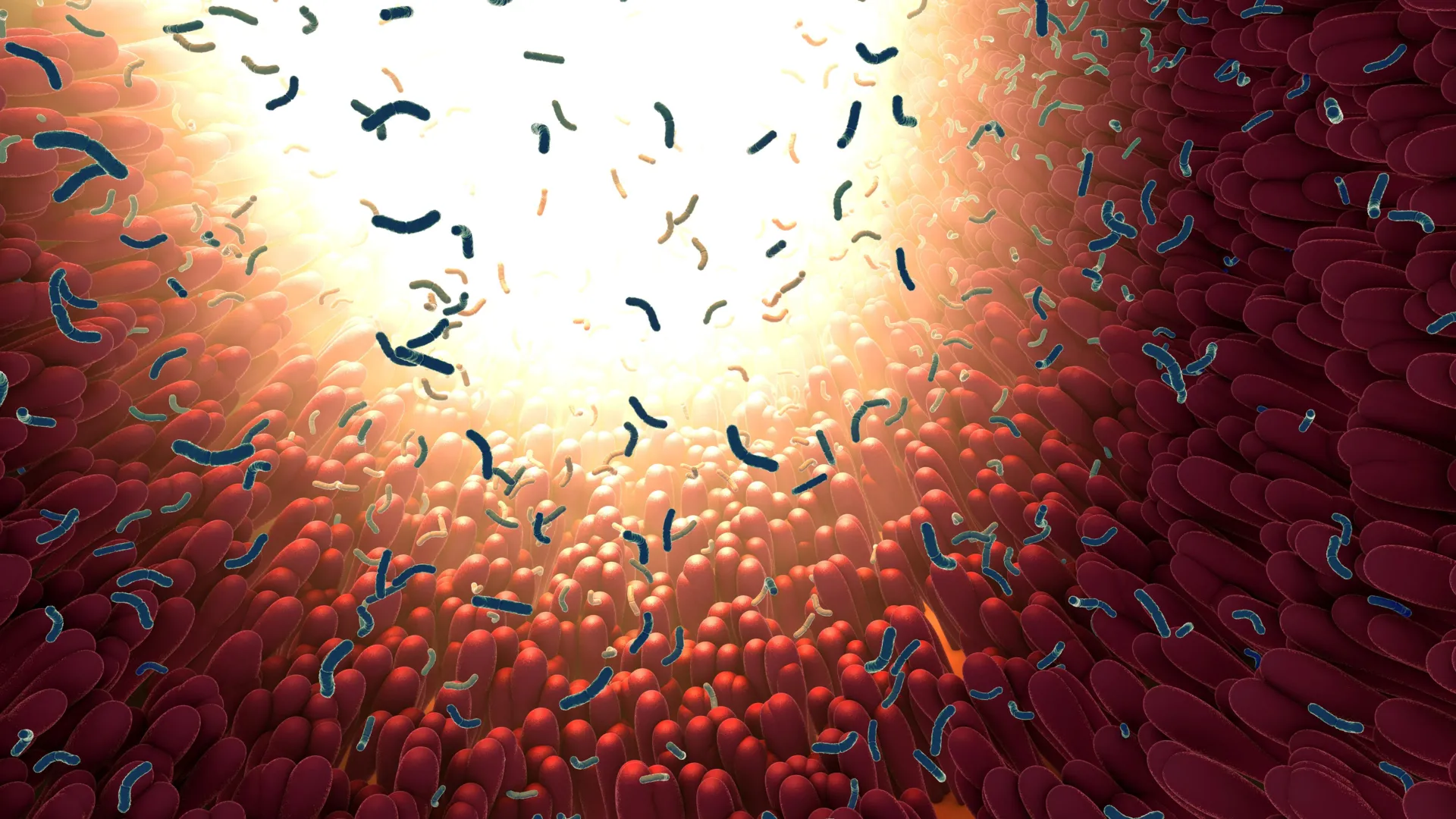
The composition of the gut microbiome changes with age in ways that negatively impact health. There is enough variance in this process of change that correlations can be observed between specific species and metrics of overall composition on the one hand and risk or status of disease on the other. Researchers are building a growing body of knowledge regarding such correlations, and in many cases have found mechanisms indicating that a poor composition of the gut microbiome is a contributing factor in the development and progression of age-related disease. This is a matter of which metabolites are produced by the gut microbiome and in what amounts; some metabolites are necessary for health, others are harmful or provoke chronic inflammation. This work is the first step towards the development of therapies that can alter the composition of the gut microbiome in specific, tailored ways in order to improve health and slow the progression of aging.
Although commonly used tools, such as the Fried Frailty Phenotype, the Rockwood Frailty Index and the Clinical Frailty Scale, capture specific aspects of frailty, existing indices often fail to encompass its full functional, psychological, and physiological dimensions. The Charlson Comorbidity Index (CCI), while widely adopted for mortality risk stratification, is disease-centric and lacks sensitivity to the broader construct of frailty. To better capture this multidimensional nature, we developed the Frailty Mortality Index (FMI), a composite measure integrating functional and psychosocial aspects in addition to comorbidities. Specifically, the FMI is defined by anthropometrics (age and weight), physical function (walking speed and chair stand), current smoking, mental quality of life (QoL) survey, hospital stay duration, and the CCI.