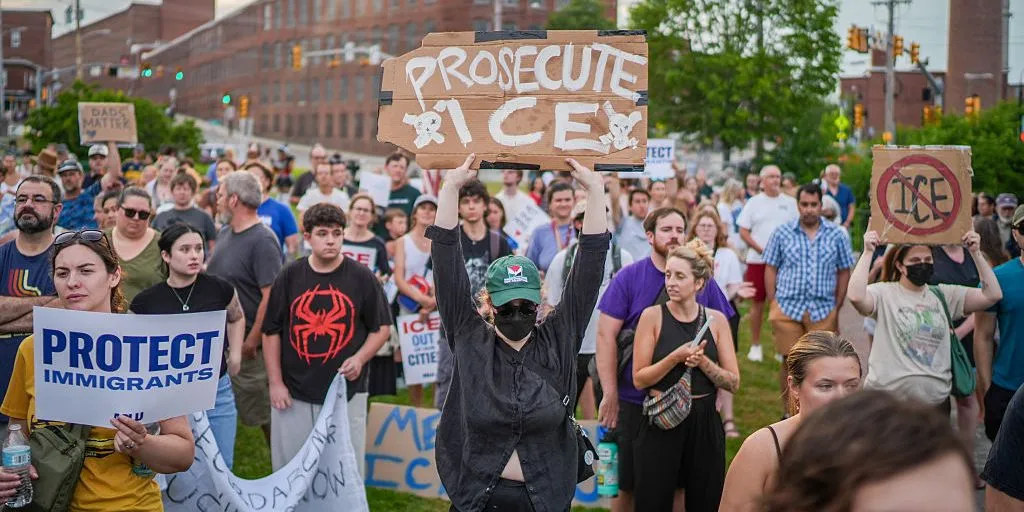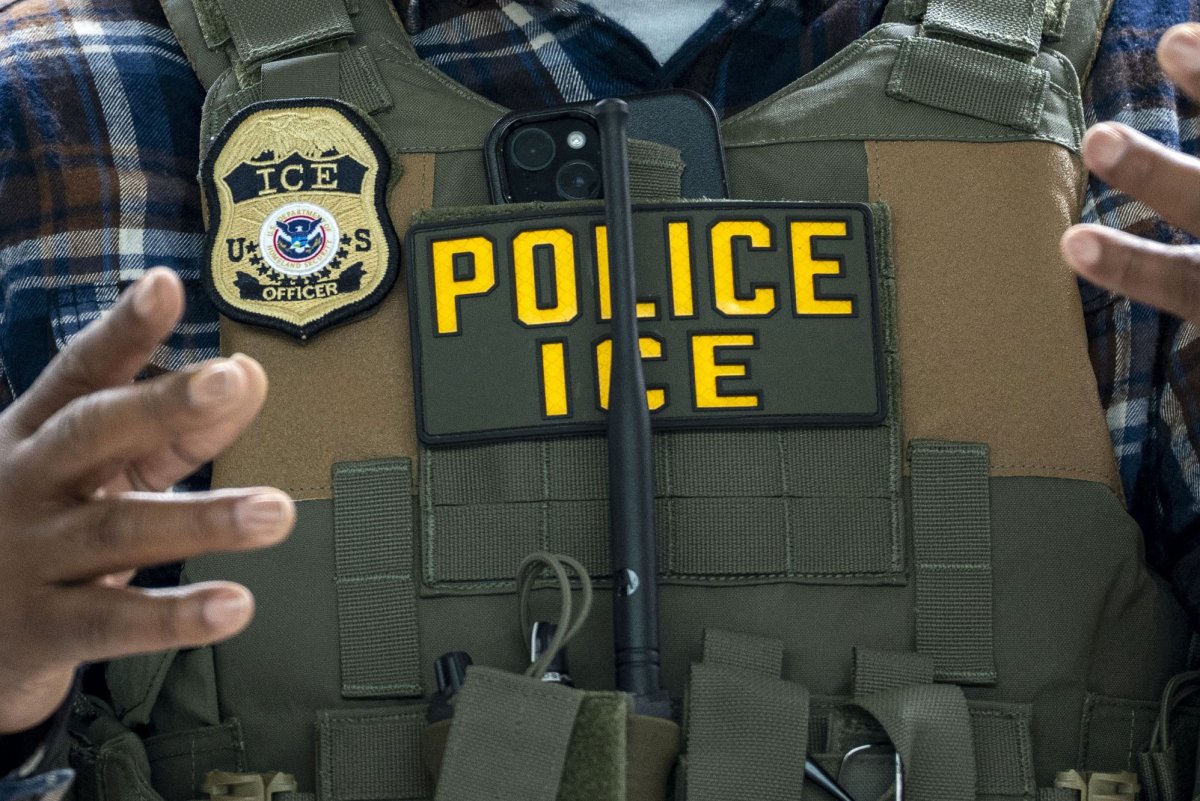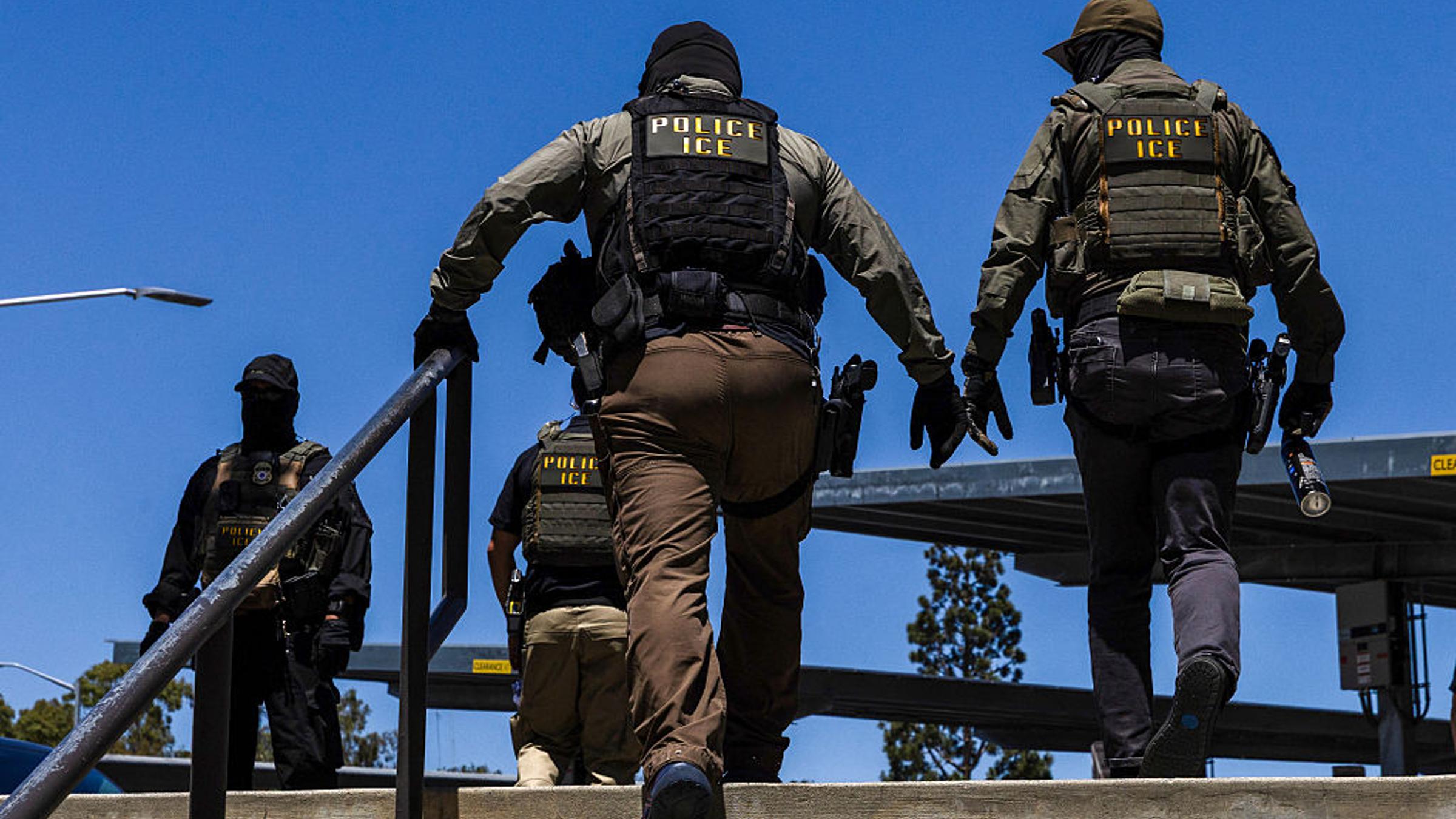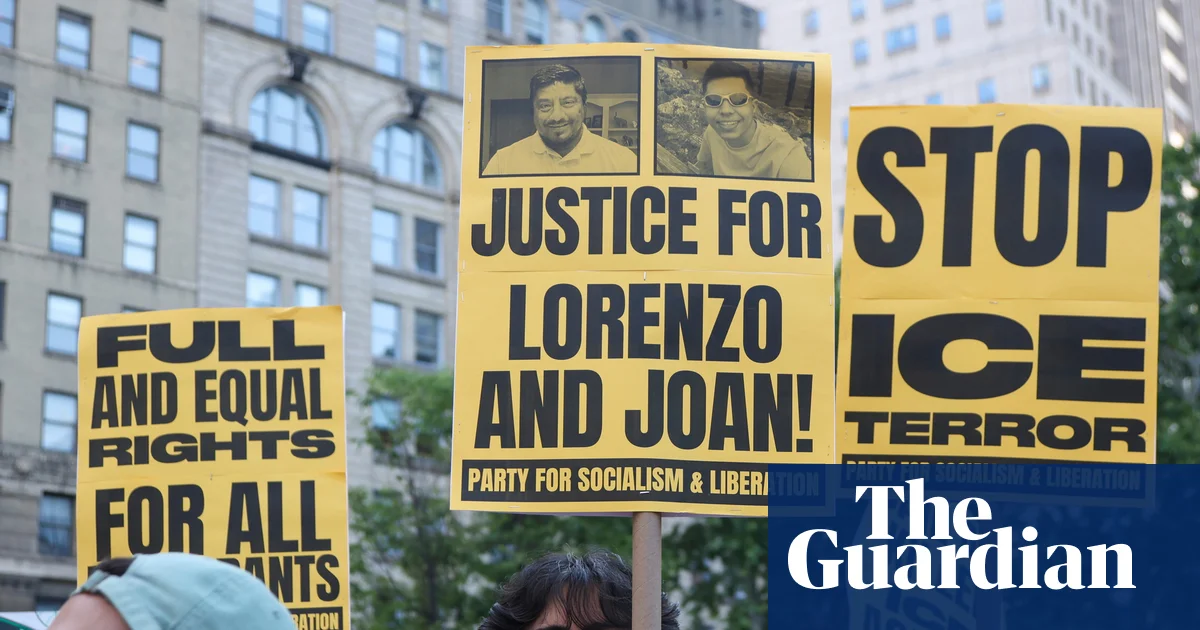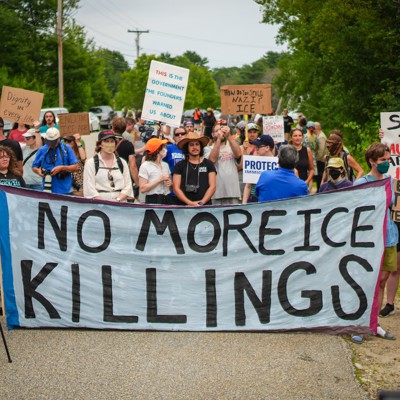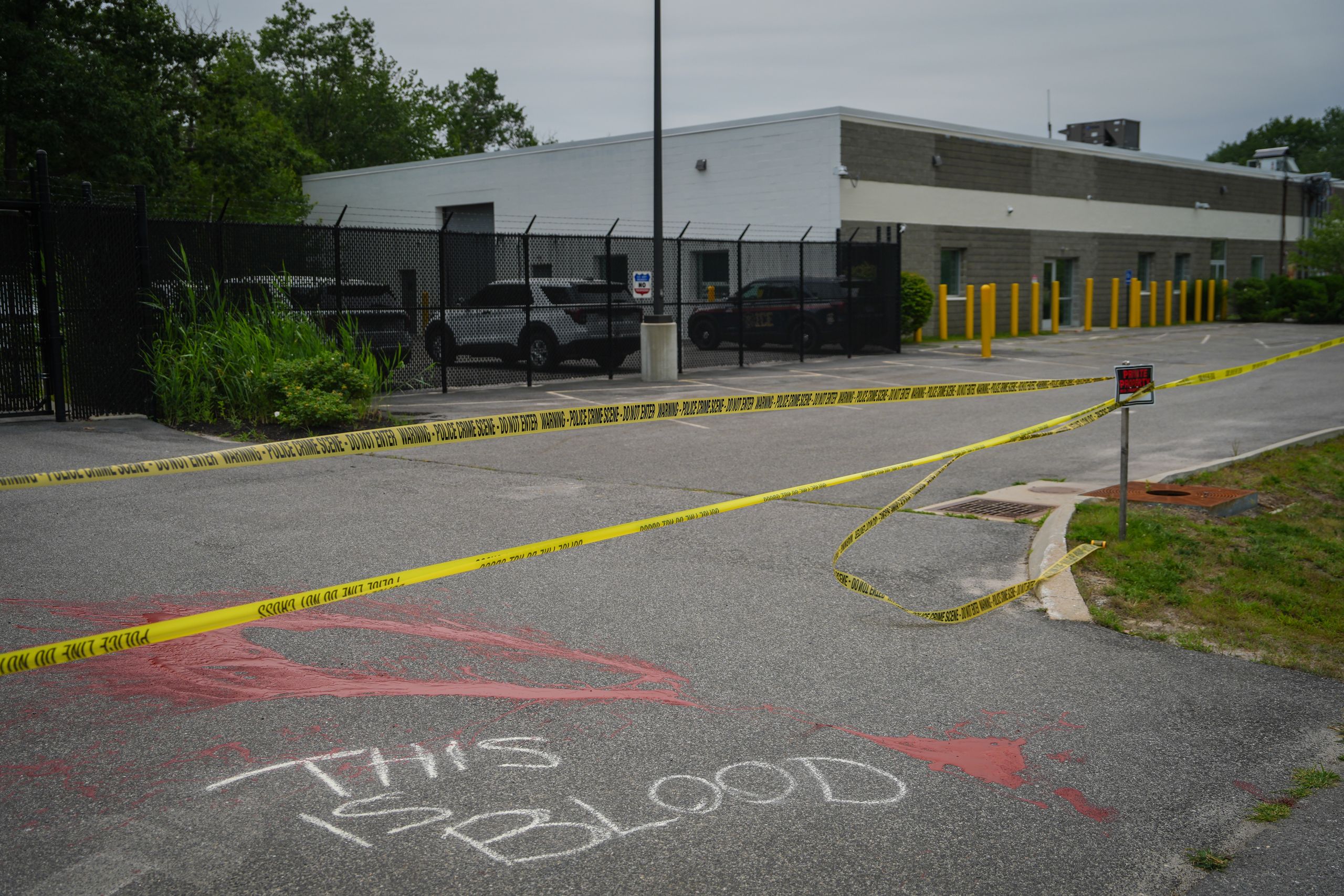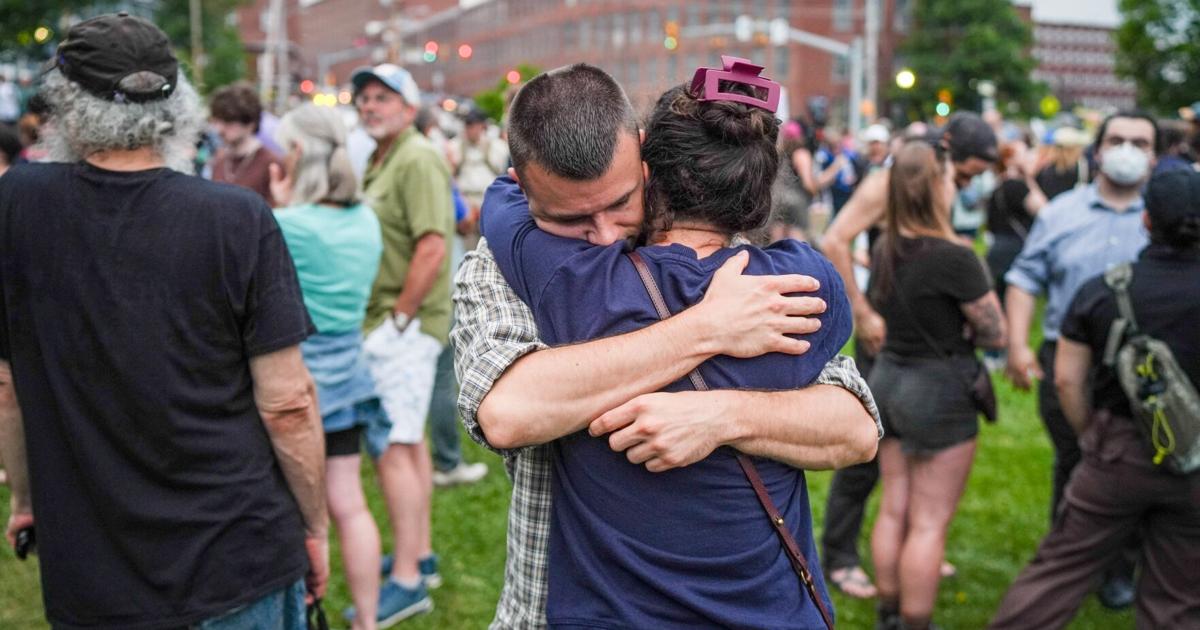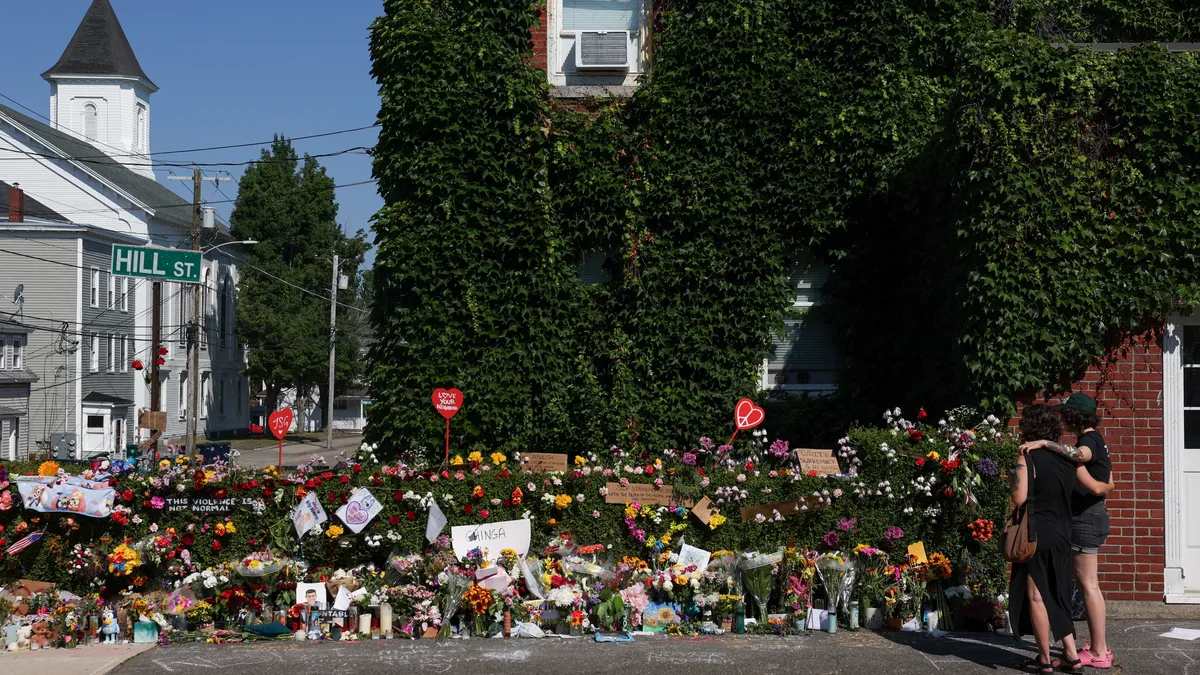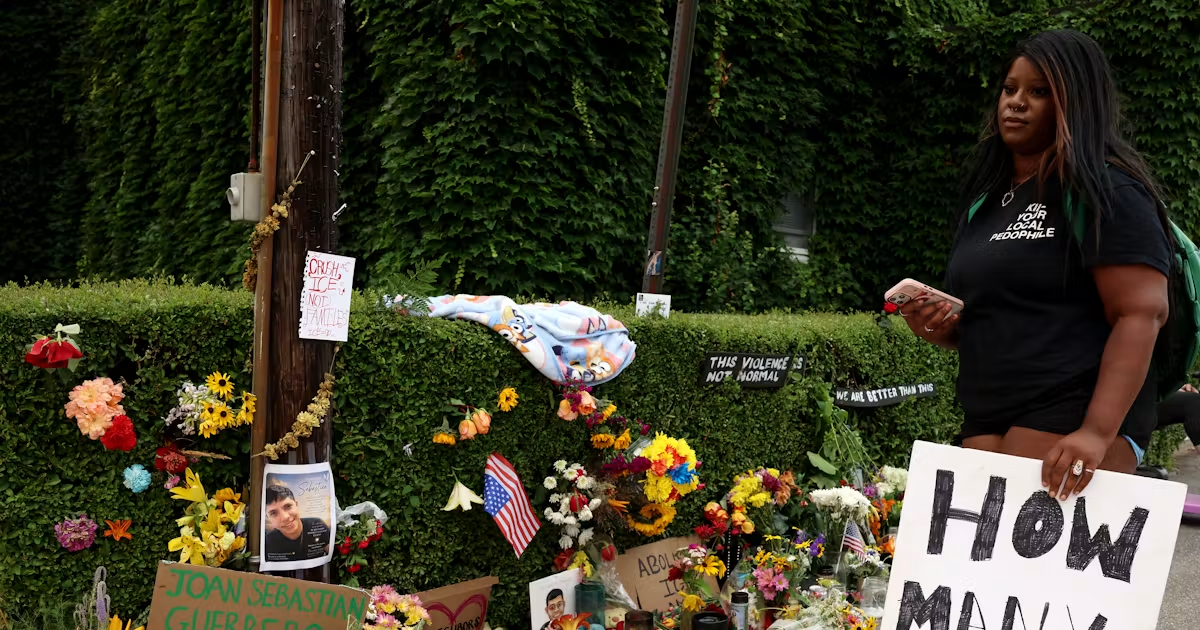
Two years into Donald Trump’s campaign of mass deportations, Immigration and Customs Enforcement roundups so often result in violence that if you look away from social media or the news for a few hours, you may miss another death.On Monday, ICE agents killed Joan Sebastián Durán Guerrero, a 26-year-old man from Colombia, after stopping his car in Biddleford, Maine. Durán Guerrero was the second person shot and killed by immigration enforcement agents in one week: Last Tuesday, in Houston, Texas, also in the course of an apparent traffic stop, an agent killed Lorenzo Salgado Araujo, a 52-year-old father from Mexico who had lived in the United States for decades.Department of Homeland Security officials offered only a slight variation in their excuses for taking these lives. Initially, they claimed that both Durán Guerrero and Salgado Araujo had “weaponized” their vehicles against agents. This type of rationalization has become painfully routine in immigration enforcement. The only new thing about these excuses was how quickly they were doubted and discounted by the media and the public alike. Three men who had been with Salgado Araujo refuted the administration story within days, even as they were held in immigration detention, facing deportation themselves. After ICE killed Durán Guerrero, the official story landed amid months of lies; within hours, on the pavement where his life was ended and the evidence was still visible, someone chalked the words, “This is blood.”As if sensing it was not going to be able to victim-blame the agency out of responsibility, DHS issued a directive later on Tuesday, suspending “all ERO initiated enforcement vehicle stops until further notice.” (ERO stands for Enforcement and Removal Operations, a part of ICE.) That same day, in St. Augustine, Florida, another man was dead after an ICE “encounter.” In this case, four people fled their car when they spotted ICE. A truck hit and killed one of them, a 28-year-old man from Mexico, while he was running away. His name has not yet been released. Early Wednesday morning, the president showered praise on ICE, telling agents in a Truth Social post that they were doing “a GREAT job, one that has to be done,” and that “we CANNOT give up” the agents’ key tactic, the “TRAFFIC STOP!” He threatened, “Once we do, we are playing right into the criminal’s hands.” He instructed, “go back and do your very important job.” He soothed, “Remember, you are loved and respected in America.” The directive was dead; ICE business was barely altered.There are no shortage of policies or practices Trump has attempted to overturn by posting to his vanity social media site—which, if you have understandably forgotten in all that has happened over the past six years, exists because he fomented a riot at the Capitol, in an attempt to overturn the results of the 2020 presidential election, and was banned from the social media platforms Twitter and Facebook. The “love” and “respect” with which Trump is rewarding ICE, however, after what may be the most lethal week of the agency’s 23-year existence, communicates the standards to which ICE is held just as surely as rolling back a directive.With this response to a rare policy change in the wake of multiple ICE killings, Trump again has indicated that ICE agents are his people. The message is of a piece with his regard for the Proud Boys (“stand back and stand by … because somebody has got to do something about antifa and the left,” he said in a presidential debate). It is of a piece with his regard for “the Second Amendment people” (during his first campaign, he pondered aloud what they might be able to do to his opponent). The president thrills not only to what he wants, but how far his supporters will go to get it for him. “I can tell you I have the support of the police, the support of the military, the support of the Bikers for Trump,” Trump told Breitbart in 2019. “I have the tough people, but they don’t play it tough—until they go to a certain point, and then it would be very bad, very bad.”The Trump administration has tried before to appease public opposition after immigration agents killed people, such as after the deaths of Renee Good and Alex Pretti in Minneapolis earlier this year. The administration’s mass deportations figurehead, Greg Bovino, commander-at-large for Immigration Operations, was sent packing from the Twin Cities, taking his Reich-styled great coat (even German media agreed that was his look) with him. Tom Homan, the White House’s “border czar,” was sent in to unconvincingly act like the kinder face of mass deportations. But all this was window-dressing: ICE continued arresting, detaining, and deporting immigrants, and Minneapolis remained under siege.Bovino, meanwhile, relieved of official duties, has been able to say what remained largely unspoken during his tenure. Now purportedly considering a run for the presidency in the 2028 race, he was a featured speaker at a recent “remigration” conference in Portugal, and he has repeatedly called for about one-third of the United States population be deported—100 million people. With the euphemism “remigration,” they mean ethnic cleansing, remaking the country by removing people deemed to have no value. This attraction to what had once been a fringe white nationalist concept did not emerge when Bovino became a free agent. During the 2024 campaign, Trump pledged to institute remigration in the United States, and in his second term, he launched an Office of Remigration. Bovino may be gone, but the people who elevated him and who worked for him remain, issuing orders from the White House and holding guns on the streets.Such rhetoric may be shocking, even considering that anti-immigrant policing and detention has been violent in the United States for nearly as long as we have had anti-immigrant laws. Americans have been primed to accept that violence, because at all levels of law enforcement in this country, officers enjoy impunity both for racial profiling and for killing people. What has changed, what has escalated, is that the White House is now openly telling us that this not a broken system but a system it permits and prefers. Our everyday lives are now occupied by a secretive law enforcement agency that is empowered to round up people profiled as immigrants based on their race or ethnicity, a form of racial profiling given license by the Supreme Court. These are federal agents who kill and face no consequences, and are led by people pushing an ethnic cleansing campaign. These killings are simply part of that job.
ICE’s Violence Is No Accident. It’s Part of the Job.
After ICE agents killed a man in Maine, the Department of Homeland Security suspended traffic stops, then reversed course. But the official policy is just optics, anyway: Agents know what they’ve been hired to do.
1,091 words~5 min read