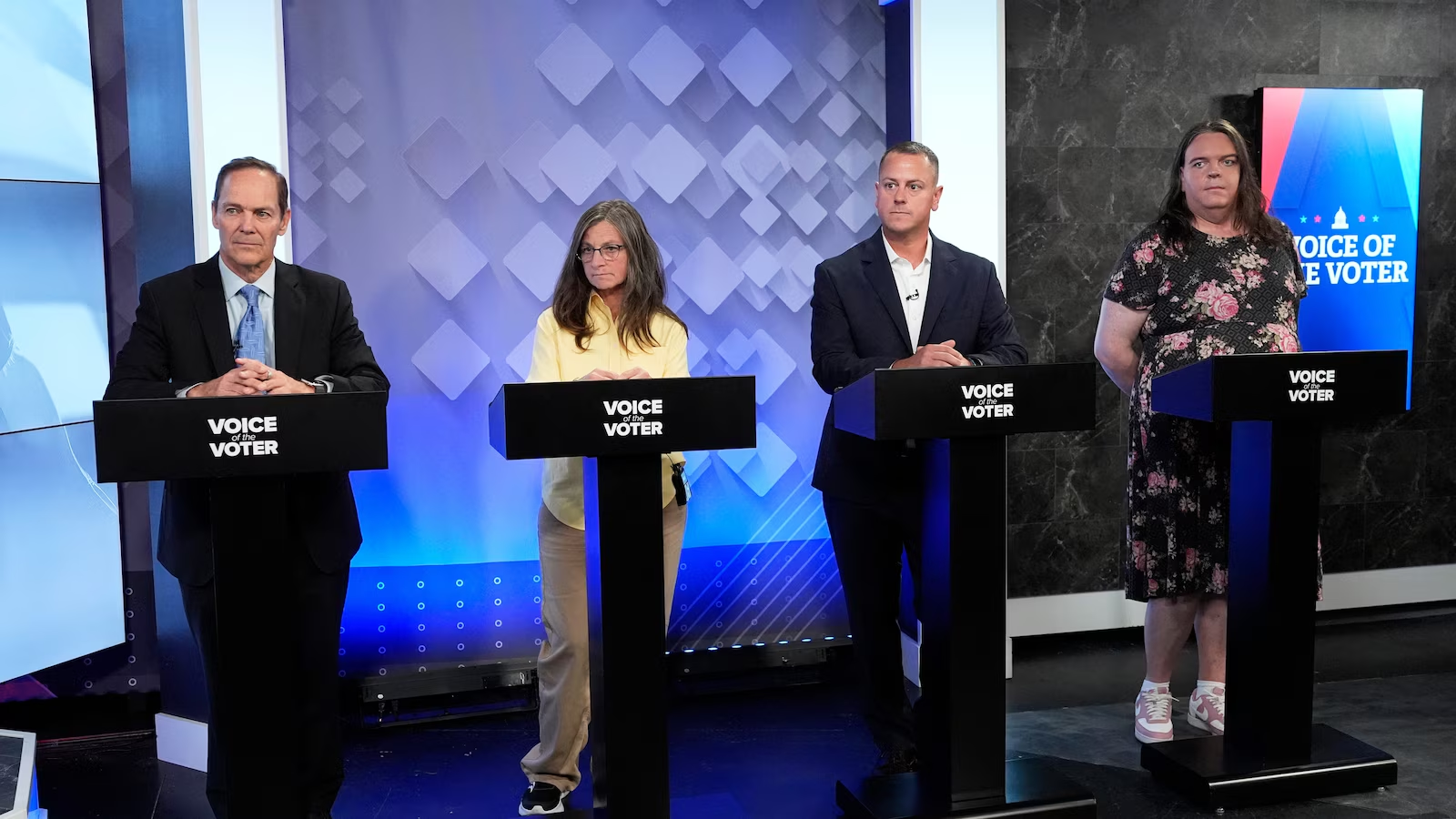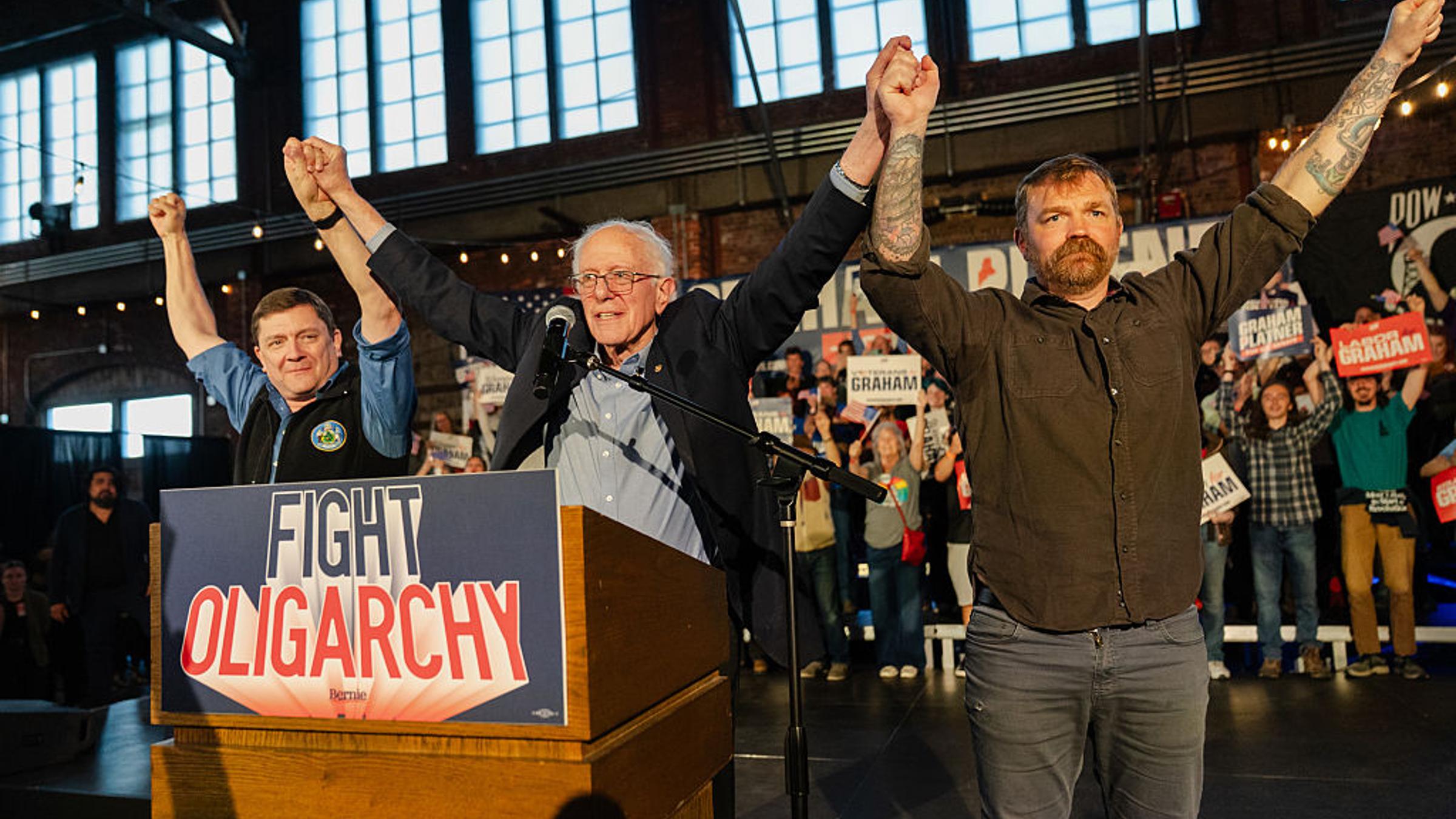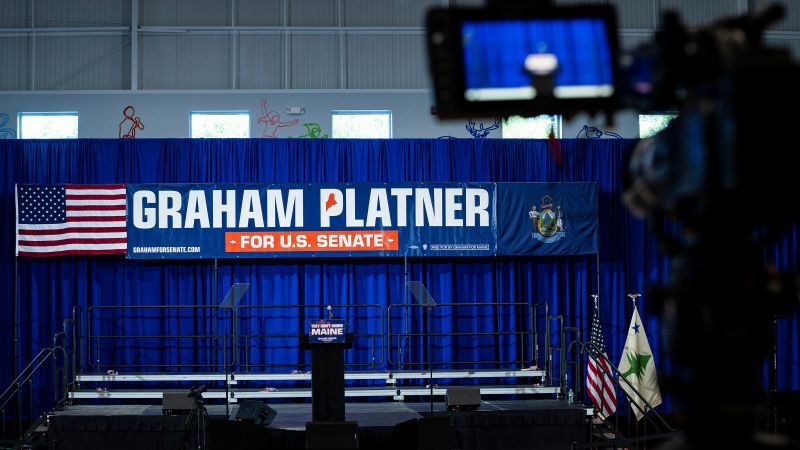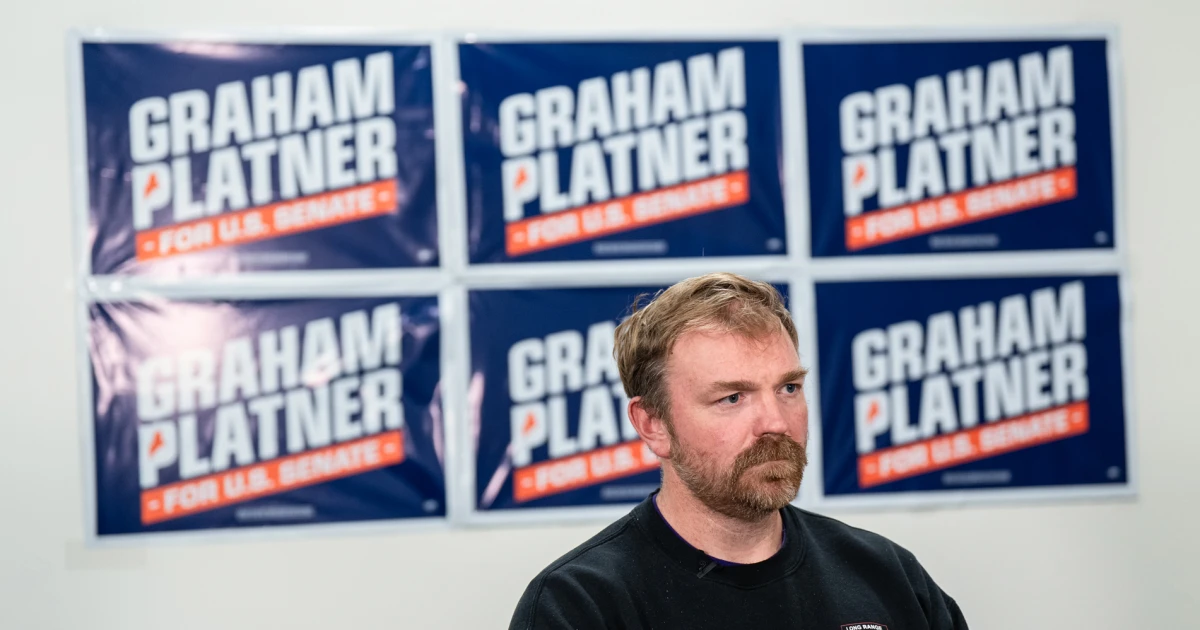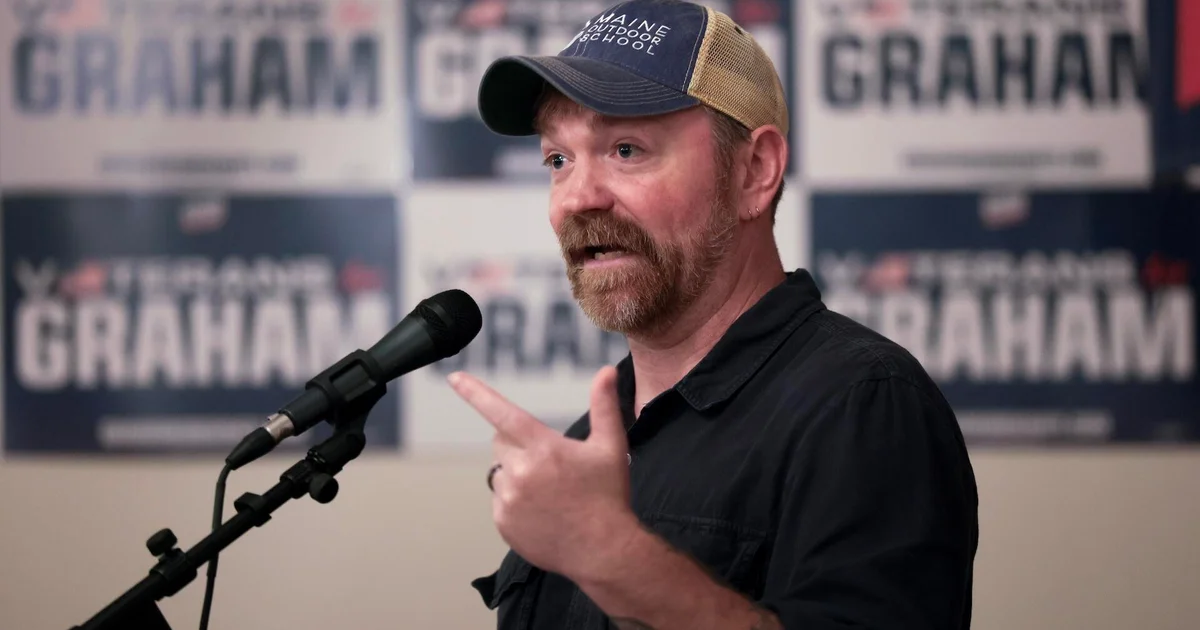
Maine Democrats are racing to reunify a fractured party after Graham Platner‘s abrupt withdrawal from the Senate race, with eight candidates competing to inherit the progressive coalition he built while navigating an unusually compressed nominating process that will determine who takes on Sen. Susan Collins (R-ME) this fall.What would normally unfold over several months has instead become a frantic two-week sprint. Democrats will gather on July 25 in Bangor to select a replacement nominee just two days before Maine’s deadline to certify a candidate for the general election. The compressed timeline leaves the eventual winner only a matter of months to mount a statewide campaign against one of the Senate’s most entrenched incumbents.National Democratic leaders have largely stayed out of the contest as the replacement battle unfolds. Senate Minority Leader Chuck Schumer (D-NY), who had urged Platner to withdraw, said this week he will not endorse a candidate before the July 25 convention, leaving Maine Democrats to settle the race themselves.
“It’s going to be a really difficult position for any nominee since there’s not a lot of time and Susan Collins is a tough competitor,” a national Democratic strategist said on the condition of anonymity. “It would almost be easier if Democrats in Maine had already united behind a candidate, but they still need to do that and Democrats only have a matter of months to get the voters on board. I think we are better off without Platner as the nominee, but it’s still not an ideal position to be in.”Former Maine Senate President Troy Jackson has quickly emerged as the preferred candidate of organized labor and much of the state’s progressive movement. Since entering the race, he has secured endorsements from the Maine AFL-CIO, national grassroots organization Our Revolution, Rep. Ro Khanna (D-CA), who campaigned for Platner during the primary, and dozens of current and former Maine lawmakers. Jackson also has long-standing ties to Sen. Bernie Sanders (I-VT), who endorsed his unsuccessful gubernatorial campaign earlier this year.During a virtual town hall hosted by Our Revolution on Monday, Jackson sought to reassure disappointed Platner supporters while urging them to stay focused on the movement rather than any one candidate.“You poured your hearts, your time, and your energy into building this movement, alongside another candidate in Maine, and I know that there’s real pain, anger, and disappointment,” Jackson said. “But look, this movement has always been bigger than one person.”But Jackson is far from the only Democrat seeking to consolidate Platner’s coalition.Secretary of State Shenna Bellows has emerged as a landing spot for several lawmakers and local activists who previously supported Platner, while former public health official Nirav Shah has emphasized policies that are further to the left than those that defined his gubernatorial campaign and has quietly courted former Platner organizers, according to a person familiar with the outreach. Shortly after launching his campaign, Shah wrote on social media, “I want all former Platner supporters to know: you have a place in this campaign.”Former congressional candidate Jordan Wood, meanwhile, has argued Democrats need a nominee who can definitively move beyond the Platner controversy. Wood, who recently ended his Senate campaign to run for Maine’s open 2nd Congressional District seat, has emphasized that he publicly urged Platner to withdraw months before the candidate ultimately exited the race after scrutiny over his past Reddit posts and a chest tattoo depicting a Nazi symbol.“It is very important that who we nominate out of the convention at the end of the month be able to very quickly separate themselves from that candidate,” Wood said Monday. “Republicans are going to try throughout November to just sow distrust about our nominee, about our party, and there needs to be a way to cleanly separate from that.”The field also includes Dan Kleban, founder of Maine Beer Company, who briefly sought the Democratic Senate nomination last year before backing Gov. Janet Mills (D-ME); David Costello, who finished third in last month’s Democratic Senate primary; former state Rep. Elizabeth Dickerson; and social worker Paige Loud, who ran for the Democratic nomination in Maine’s 2nd Congressional District earlier this year.While candidates are competing for endorsements, they are also engaged in a quieter contest to shape the electorate that will ultimately choose the nominee.Democrats in each of Maine’s 16 counties will meet this weekend to elect roughly 500 delegates who will attend the party’s July 25 convention, where a total of 601 delegates will vote to select the replacement nominee. If no candidate wins a majority on the first ballot, delegates will continue voting in successive rounds, with the last-place finisher eliminated after each vote until someone secures a majority.The delegate battle has already become a campaign unto itself. Shah has urged supporters to “apply to become a Shah delegate,” while Our Revolution has begun organizing activists on Jackson’s behalf.“This is the perfect opportunity for us to show the establishment that we can organize and win within the system that they created,” Our Revolution Executive Director Joseph Geevarghese said during Monday’s town hall.Even as candidates compete for Platner’s supporters, many activists are attempting to preserve the policy agenda that animated his campaign rather than simply rally behind a single successor. A letter circulated by former Platner campaign volunteers and signed by hundreds of supporters urges the eventual nominee to embrace progressive positions on healthcare, housing, and ending “forever wars.” Jackson and Bellows both signed the pledge.Former Democratic gubernatorial candidate Adam Cote said the delegate meetings will provide the first real indication of whether Democrats can quickly unite behind a nominee.“I think the delegate nomination meetings at the county-level this weekend will tell us a lot about whether divisions will impede the party from unifying behind one nominee — and then, of course, the actual nomination convention the following week will be the true first test,” Cote told the Washington Examiner. “There are several candidates with strong organizational structures in place, but only one of them can be the nominee. I think there’s a decent chance that the ultimate winner will be able to unite the progressive and establishment wings because there is a tremendous amount of energy and enthusiasm among Maine Democrats to finally beat Sen. Collins.”The already chaotic race took another turn Monday after a Colombian driver was fatally shot in Biddeford by an Immigration and Customs Enforcement officer, thrusting the Trump administration’s immigration enforcement policies into the campaign.SCHUMER TO SIT OUT OF MAINE SENATE RACE UNTIL AFTER PLANTER REPLACEMENT IS CHOSEN“It’s time to get ICE off our streets,” Bellows wrote on social media, while several Democratic candidates criticized Collins for supporting nearly $70 billion in immigration enforcement funding earlier this year without additional restrictions on federal immigration officers. Collins called for a federal investigation into the shooting and said she urged Homeland Security Secretary Markwayne Mullin to suspend nonurgent ICE vehicle stops while the case is investigated.The candidates will share a stage for the first time Thursday in a televised debate in Portland before Democrats begin electing delegates this weekend in what will be the first major test of which campaign has built the strongest organization. Nine days later, those delegates will choose the nominee who inherits not only Platner’s supporters, but also one of the Democratic Party’s best pickup opportunities in the country.