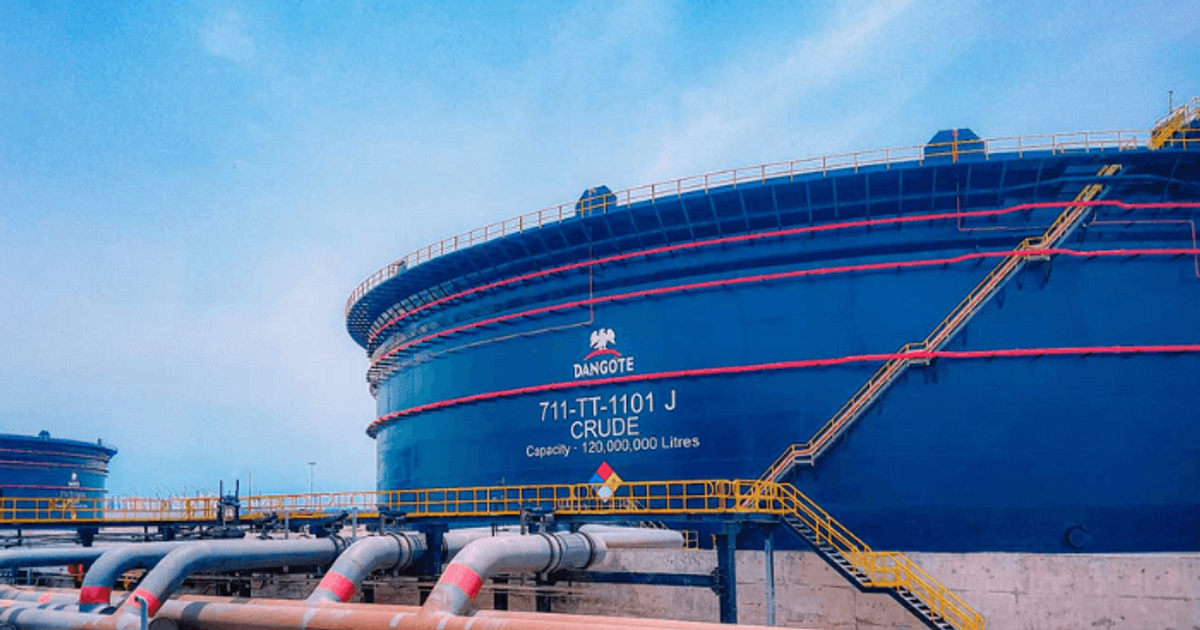
Africa’s largest refinery is becoming the dominant force behind petrol pricing in Nigeria, with new market intelligence suggesting it is insulating the country’s fuel market from rising global import costs even as international gasoline prices continue to climb.
According to S&P Global Commodity Insights, higher global gasoline prices, rising freight rates and tighter fuel supplies have significantly increased the cost of importing petroleum products into West Africa.
Yet domestic petrol prices in Nigeria have remained within what the market intelligence firm described as a commercially sustainable range because of pricing by Africa’s largest refinery.
The assessment comes days after the refinery switched domestic petroleum product sales from naira to US dollars, citing the need to better align its sales with crude oil purchases, many of which are now made in foreign currency following challenges with domestic crude supply.
While the move raised concerns that higher international costs could quickly feed into local fuel prices, S&P’s latest assessment suggests the refinery continues to cushion the Nigerian market from those external pressures.