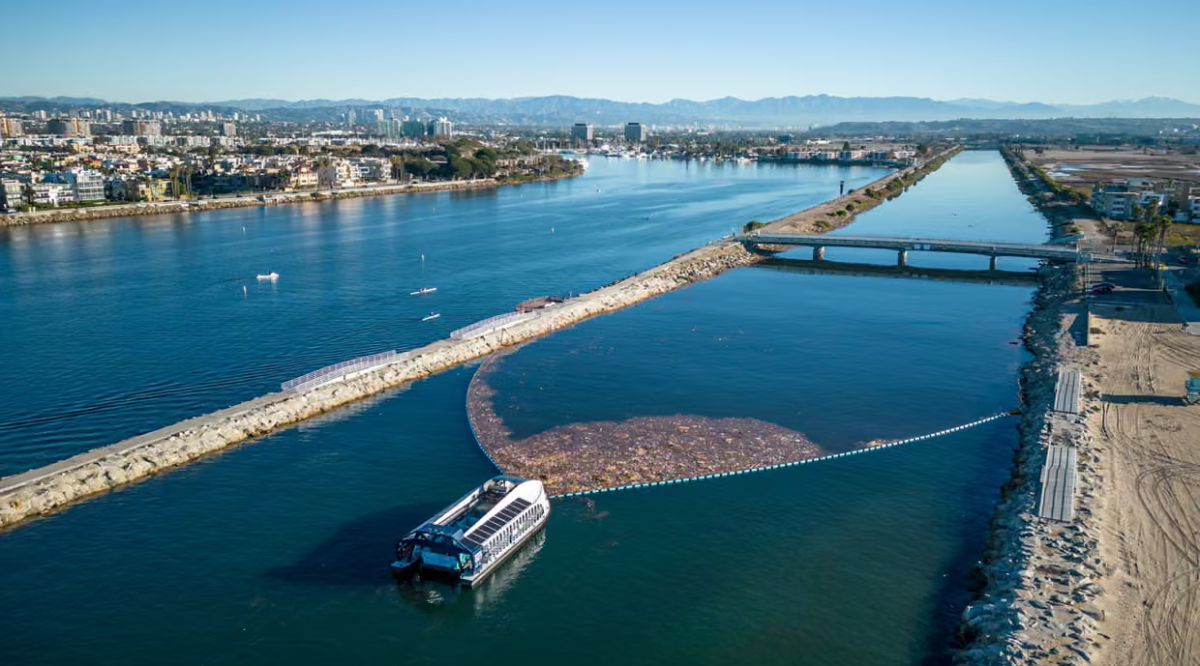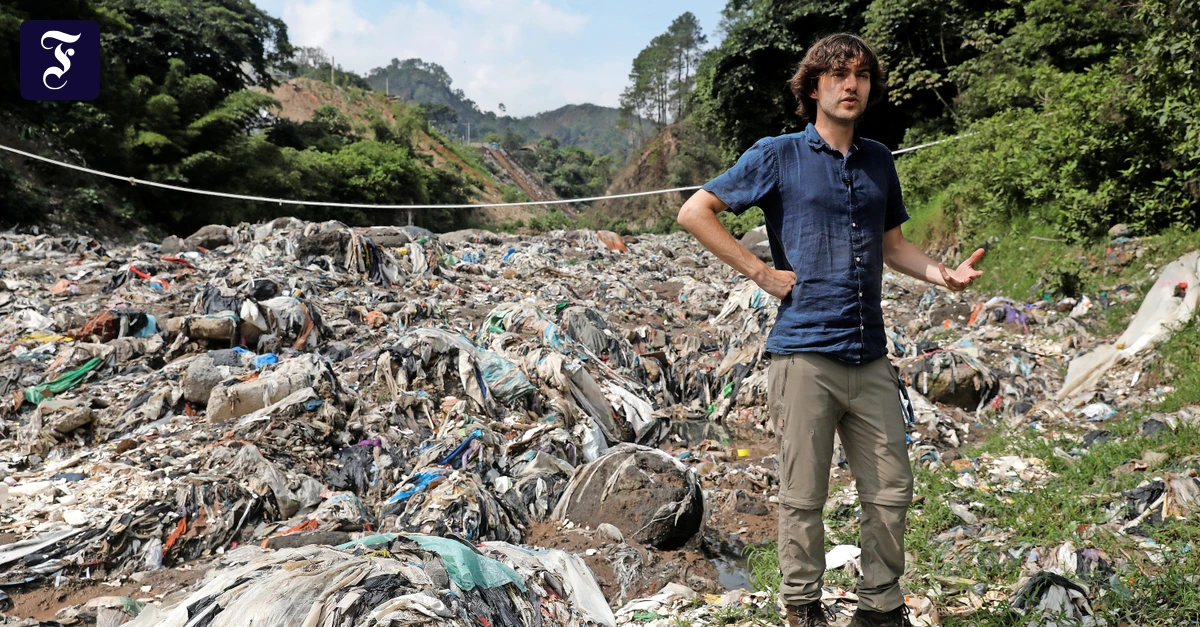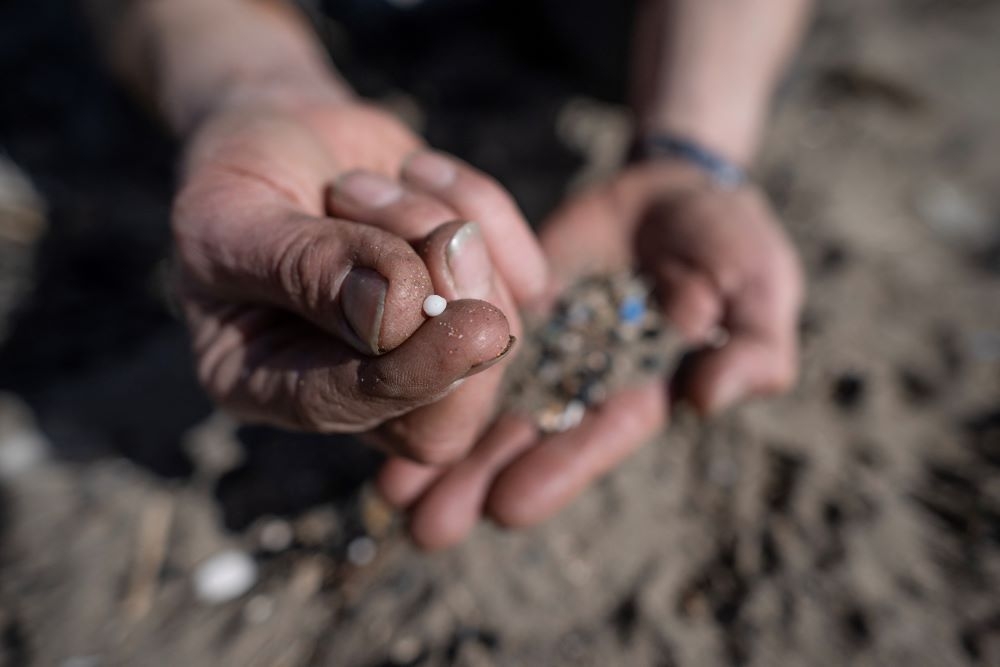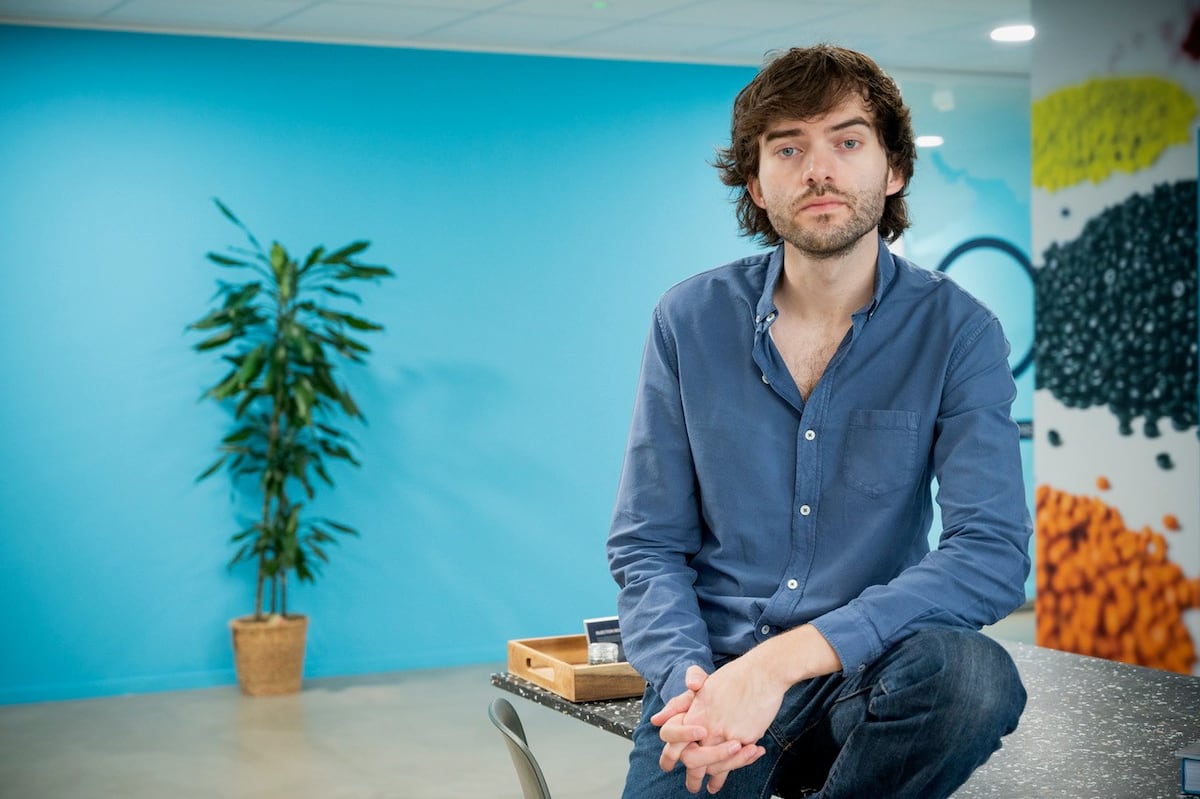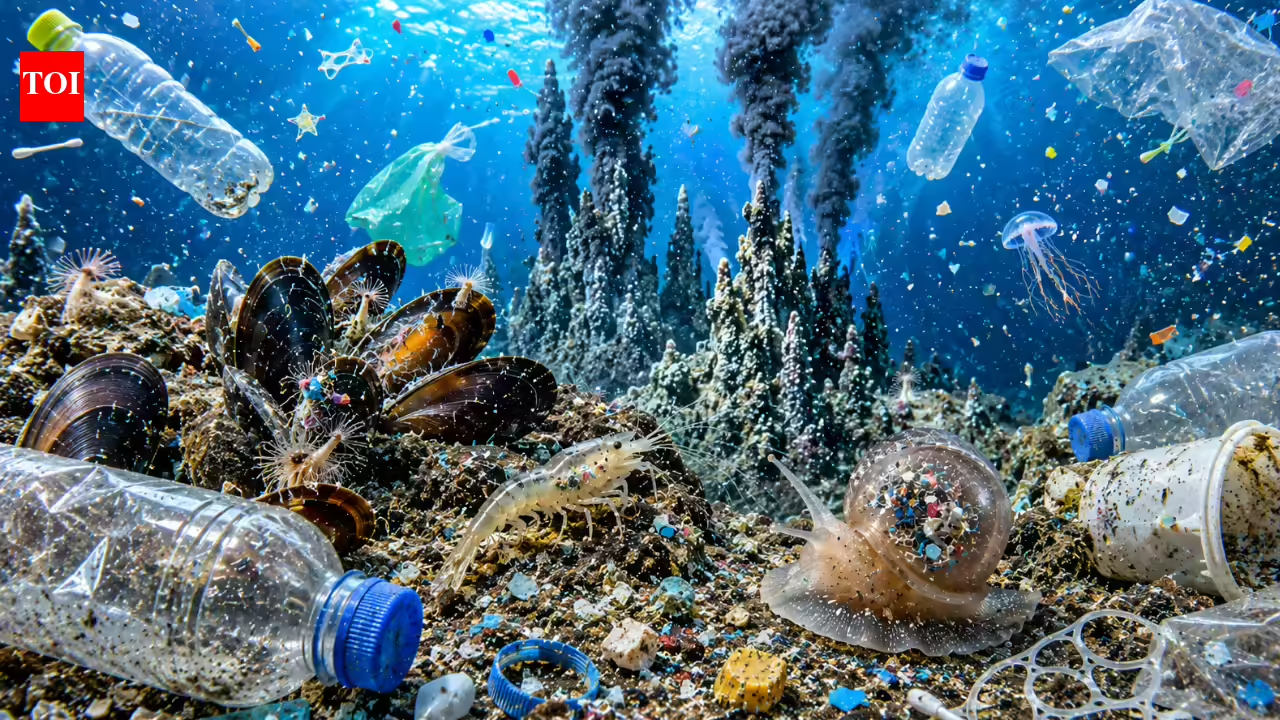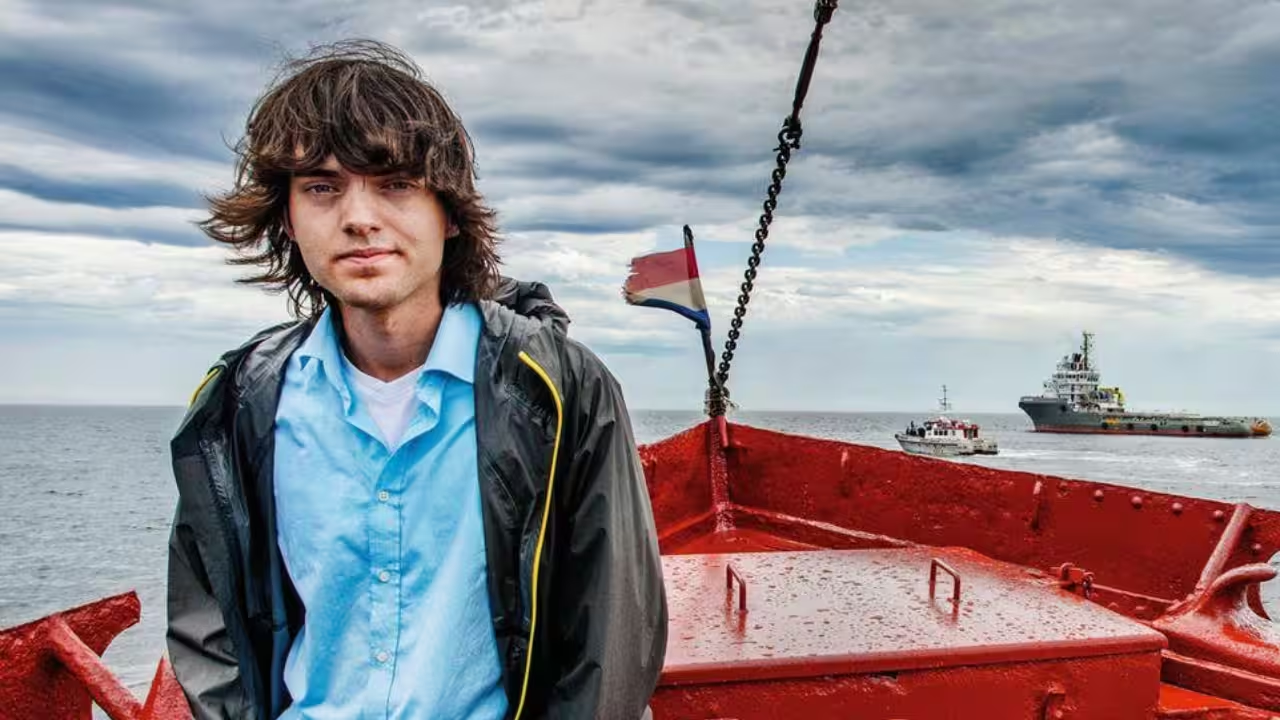
At the age of 16, Boyan Slat expected to see colourful fish while scuba diving off the coast of Greece. Instead, he found plastic bags, bottles and other rubbish drifting through the water, leaving him with a question that would shape the rest of his life: why were people cleaning beaches while millions of tonnes of plastic remained in the oceans? Rather than accepting the problem as impossible to solve, the Dutch teenager began developing an idea that many experts initially dismissed. More than a decade later, that idea has grown into The Ocean Cleanup, a global nonprofit that has removed millions of kilograms of plastic from oceans and rivers while continuing its mission to tackle one of the planet's biggest environmental challenges.The dive that inspired Dutch teenager Boyan Slat to fight ocean plasticBoyan Slat was born on July 27, 1994, in Delft, the Netherlands, and developed a fascination with engineering at an early age. He spent much of his childhood building gadgets, experimenting with homemade inventions and even set a Guinness World Record with classmates by launching 213 water rockets simultaneously. Everything changed during a family scuba diving holiday in Greece in 2011. At just 16, Slat expected to discover colourful marine life beneath the waves but was shocked to find plastic bags, bottles and other debris floating through the sea, with some areas appearing to contain more plastic than fish. The experience left him wondering why the world focused mainly on cleaning beaches while enormous quantities of plastic remained in the ocean. Determined to tackle the problem at its source, he began developing an entirely new approach to ocean cleanup.The bold idea that challenged conventional thinkingRather than using ships to chase floating rubbish across vast stretches of ocean, Slat proposed letting nature do much of the work. His concept involved long floating barriers that would use ocean currents and wind to naturally concentrate plastic into collection zones, where it could then be removed efficiently.In 2012, while studying aerospace engineering at Delft University of Technology, he presented the idea during a TEDx talk titled How the Oceans Can Clean Themselves. The presentation quickly attracted millions of views and generated worldwide attention. Although many scientists questioned whether such a system could work on a large scale, Slat believed the technology was worth pursuing.Why he left university at just 18Convinced that the project deserved his full attention, Slat made a life-changing decision. He left university after only a few months and, in 2013, founded The Ocean Cleanup at the age of 18.What began as a small nonprofit supported by volunteers soon attracted engineers, researchers, designers and environmental experts from around the world. Through crowdfunding, donations and philanthropic support, the organisation raised millions of dollars to turn Slat's ambitious concept into reality.Years of setbacks before the first successTurning the idea into a working system proved far more difficult than expected. Early prototypes broke apart in rough seas, some failed to retain the collected plastic and others simply did not perform as planned. Critics argued that cleaning the oceans would be too expensive, technically impossible or even harmful to marine life.Instead of giving up, Slat and his team repeatedly redesigned their systems, testing new materials, shapes and engineering solutions. After years of trial and error, the technology began successfully collecting floating plastic from the open ocean, demonstrating that large-scale cleanup was possible.Tackling the Great Pacific Garbage PatchMuch of The Ocean Cleanup's work focuses on the Great Pacific Garbage Patch, the world's largest known accumulation of floating plastic, located between Hawaii and California. Covering an estimated 1.6 million square kilometres, or roughly three times the size of France, it contains an estimated 1.8 trillion pieces of plastic.Using its floating cleanup systems, the organisation has removed millions of kilograms of debris from the ocean. A significant proportion of the collected waste consists of abandoned fishing nets, ropes and other fishing equipment, which pose serious threats to marine wildlife.Preventing plastic from reaching the seaSlat soon recognised that cleaning existing pollution would not be enough if rivers continued carrying plastic into the oceans every day. To stop the problem closer to its source, The Ocean Cleanup developed solar-powered machines known as Interceptors.Installed in rivers across countries including Indonesia, Malaysia, Vietnam, Jamaica, the Dominican Republic, Guatemala and the United States, these automated systems collect floating waste before it reaches the sea. By combining river interception with ocean cleanup, the organisation aims to tackle both existing and future plastic pollution.A global mission that is still growingToday, The Ocean Cleanup has grown into one of the world's most ambitious environmental engineering projects. Its team continues improving cleanup technologies while expanding operations in oceans and rivers around the world. The organisation's long-term ambition is to remove 90% of floating ocean plastic by 2040, a goal that will require continued innovation, international cooperation and sustained investment.More than a decade after a single dive changed his life, Boyan Slat remains at the forefront of the fight against plastic pollution. What began with one teenager asking a simple question has evolved into a global effort that continues removing plastic from the world's waters, proving that determined individuals can turn bold ideas into solutions with worldwide impact.
Dutch teenager saw more plastic than fish while diving at 16, then removed millions of kilograms of plastic from the world's oceans and is still cleaning them: Meet Boyan Slat
At the age of 16, Boyan Slat expected to see colourful fish while scuba diving off the coast of Greece. Instead, he found plastic bags, bottles and other rubbish drifting through the water, leaving him with a question that would shape the rest of his life: why were people cleaning beaches while millions of tonnes of plastic remained in the oceans?
862 words~4 min read