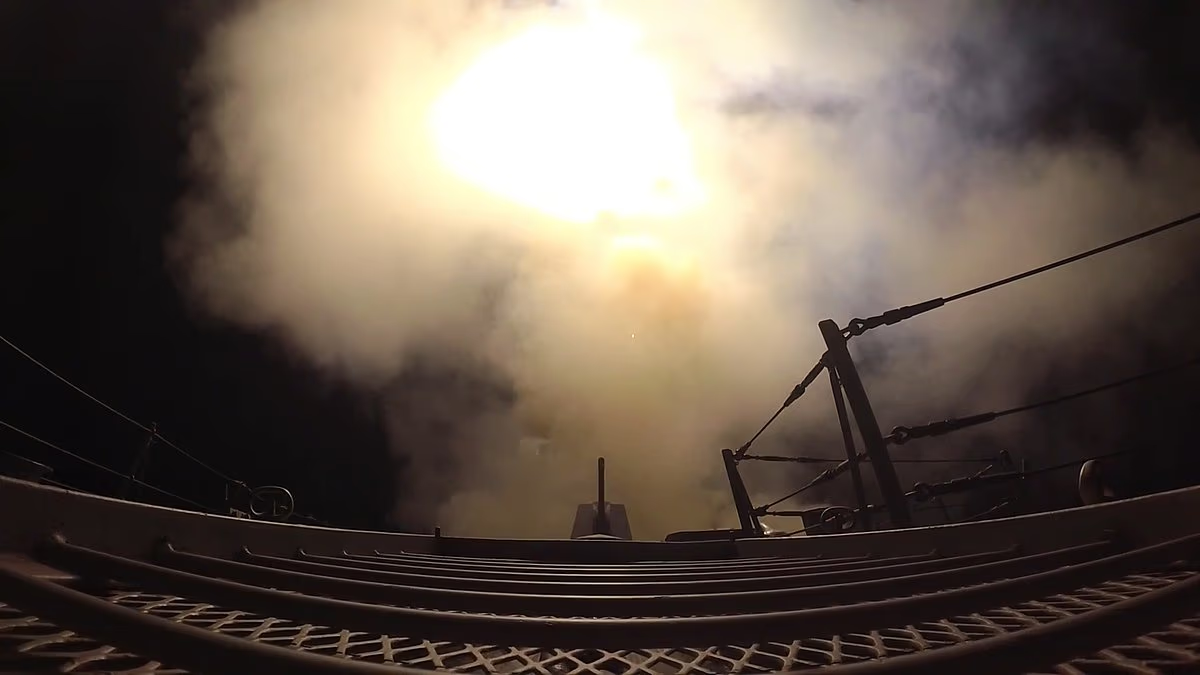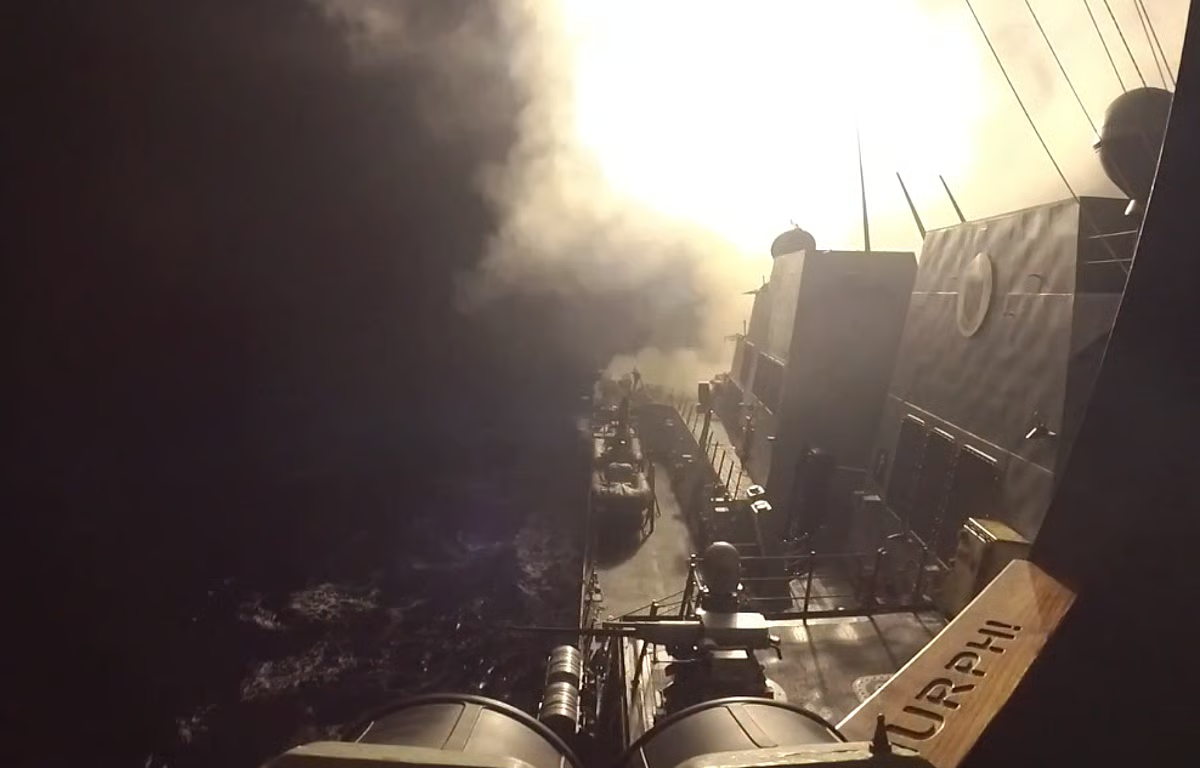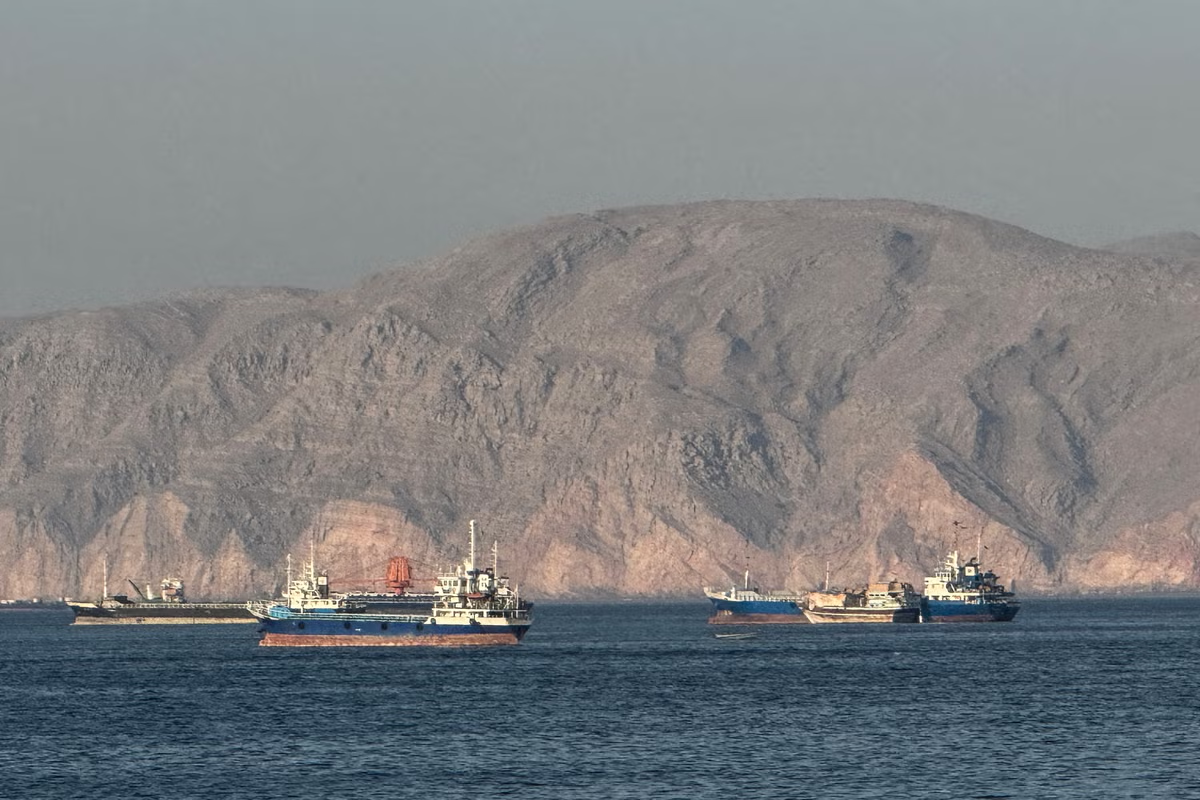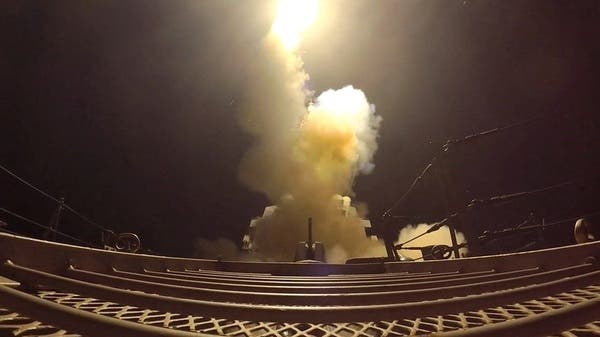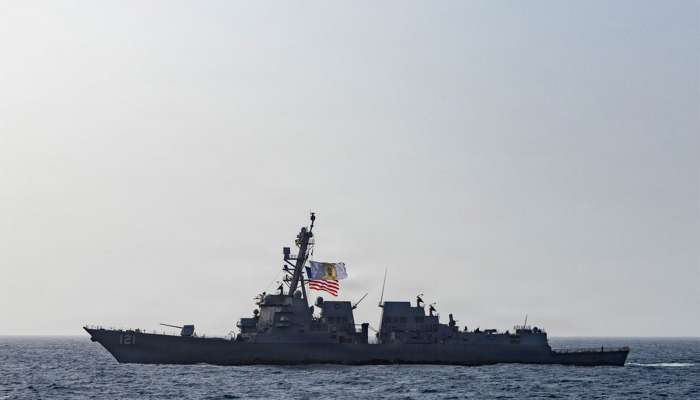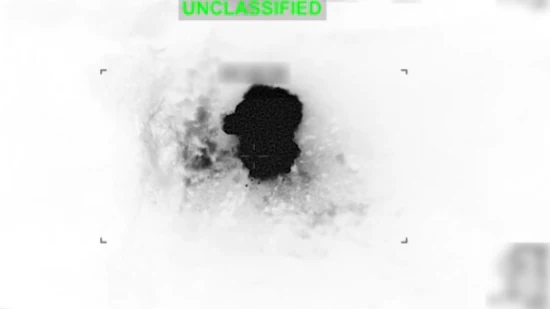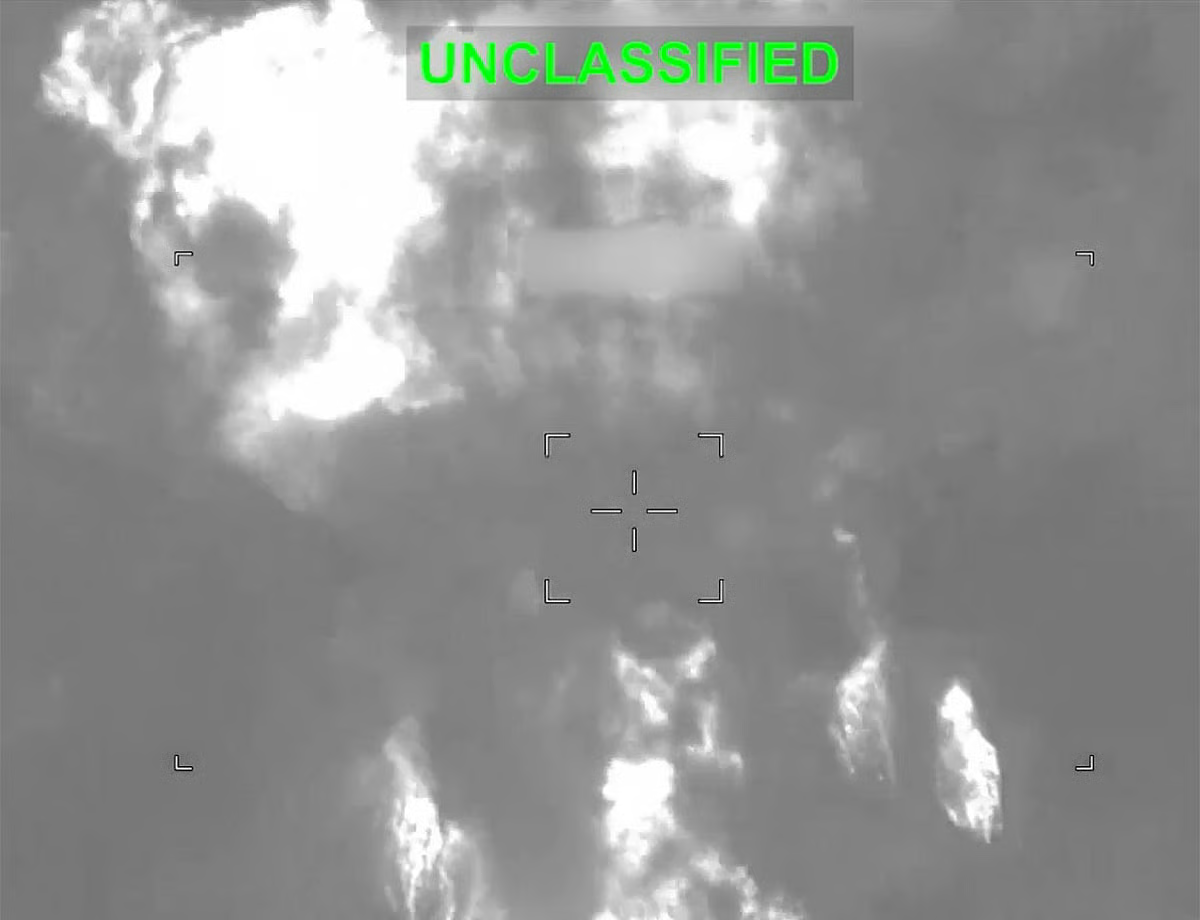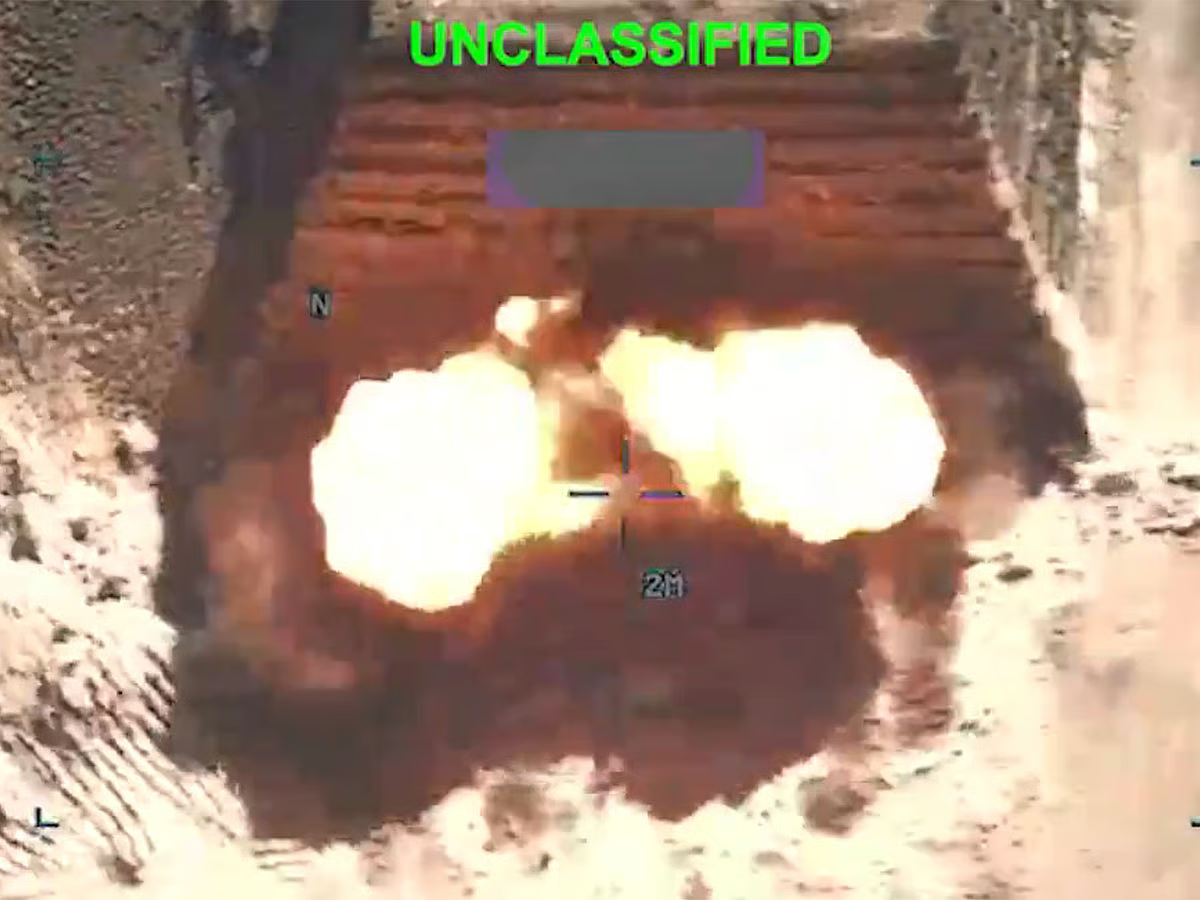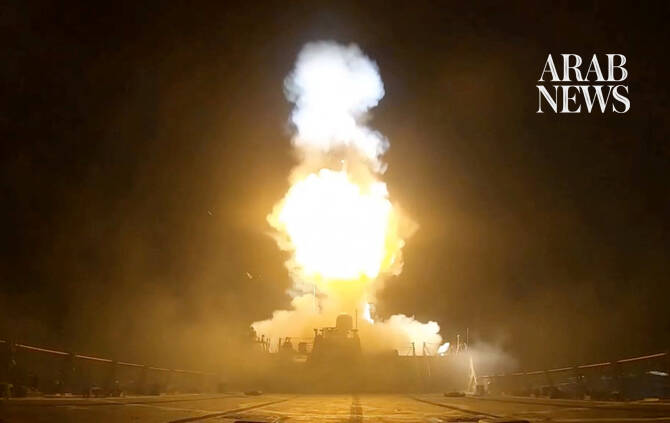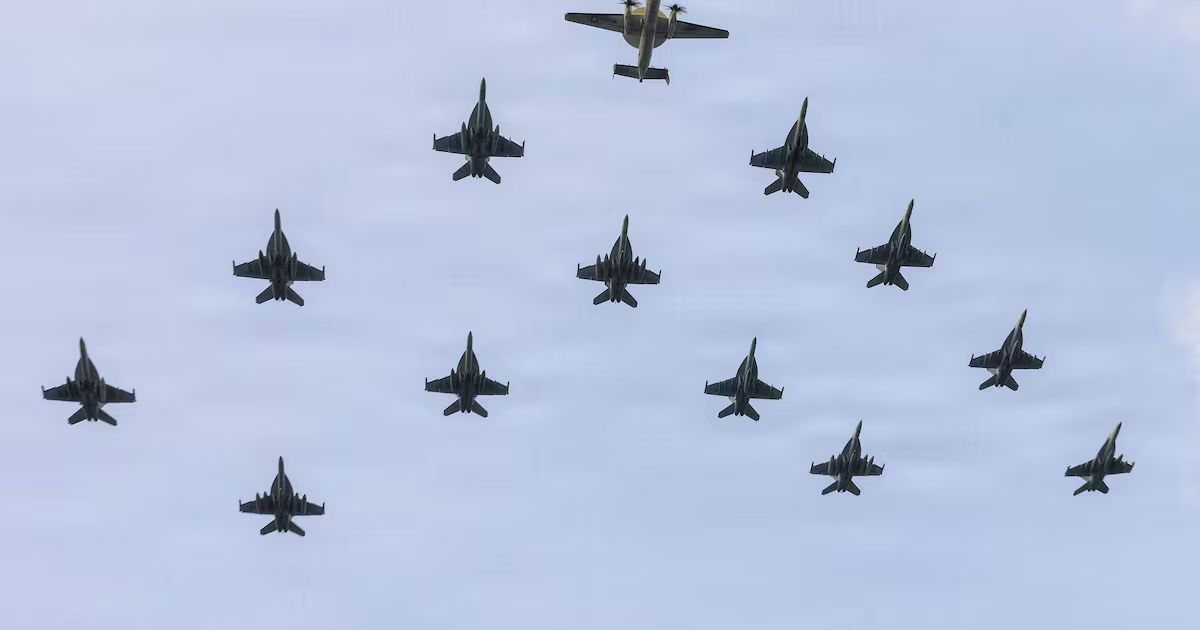
The US is striking deeper into Iran’s military infrastructure, targeting the fortified islands, coastal bases and inland positions that support Tehran’s ability to threaten shipping through the Strait of Hormuz.US Central Command said its latest wave of strikes hit Iranian command centres, air defence systems, missile and drone capabilities, coastal surveillance facilities and maritime assets.The operation included a 90-minute raid on Greater Tunb Island that targeted coastal defence and cruise missile sites, while precision-guided munitions struck positions in Bandar Abbas, home to Iran’s main naval base overlooking the Strait of Hormuz. Centcom said the raids concluded at 5am Gulf time on Thursday.The strikes mark a shift towards the military network Iran has built around the energy chokepoint, including Greater Tunb, Lesser Tunb and Abu Musa – three UAE islands occupied and heavily fortified by Iran for decades.The islands sit near major shipping routes and host missile sites, radar installations and air defences designed to monitor maritime traffic and project power across the Gulf.By hitting those positions, the US appears to be aiming not only to reduce Iran’s ability to disrupt navigation, but also to weaken the wider military infrastructure supporting its regional operations.The attacks could also be “shaping operations” – strikes intended to degrade capabilities and prepare the battlefield for future action, Reuters reported, citing three US officials. “This is helping set the stage, if needed,” one of them said.The possibility of a larger US military presence in the region has raised questions over whether America could move beyond air and naval strikes.Ground deployment?The Wall Street Journal reported in March that the US was moving additional naval and marine forces into the Middle East, including an amphibious ready group and attached Marine expeditionary unit typically made up of several warships and about 5,000 Marines and sailors.While officials said the deployment was intended to provide military options rather than signal an imminent ground operation, analysts warned that sending US troops into Iran or nearby areas would expose them to significant risks.On Wednesday, the Journal reported that President Donald Trump was leaning towards expanding US military operations in Iran after days of briefings from senior advisers.Options under consideration include intensifying strikes, deploying ground forces to seize Iranian-held islands near the strait and bombing Pickaxe Mountain – known in Farsi as Kuh-e Kolang – a nuclear-linked site in central Iran that has so far remained untouched by US strikesThe report said Mr Trump discussed the possible seizure of Kharg Island and other territory along the Strait of Hormuz during a Situation Room meeting on Tuesday evening, while expanded strikes on additional military and energy targets also remain under consideration. Any US ground deployment would put American forces within range of Iran’s large missile and drone arsenal, turning troops on the ground into vulnerable targets for retaliation.Unlike stand-off air and naval strikes, ground forces would face a far more complex battlefield, with Iranian missiles, drones, proxy groups and coastal defences capable of threatening bases and supply lines across the region.QuoteIran has the capacity to exert control over the Strait of Hormuz from every single point of its territory, and this matter is never dependent on the coasts and islandsIranian army spokesman Brig Gen Mohammad AkraminiaOn Thursday, Iranian army spokesman Brig Gen Mohammad Akramini said the military could control the Strait of Hormuz from any point in the country.“The Americans imagined that by attacking some of our bases on the southern coasts of the country, they could seize control of this strategic strait, whereas the Islamic Republic of Iran has the capacity to exert control over the Strait of Hormuz from every single point of its territory, and this matter is never dependent on the coasts and islands,” he said, Irna news agency reported.But the US campaign appears to have moved beyond Iran’s southern coastline.On Wednesday, Iranian state media reported a US strike on the army’s 388th Mechanised Assault Brigade barracks in Sistan and Baluchestan province, about 200km inland.This and other reports suggest the US campaign is widening from maritime and coastal targets towards Iran’s broader military infrastructure.Play00:31US hits Iranian military targets on occupied Greater TunbKharg Island, Iran’s main oil export terminal, remains another potential flashpoint. Mr Trump said he had previously ordered the military not to strike Iranian oil facilities but left open the possibility of future action.“If we degrade them far enough and deep enough back, I would do that,” he told Fox News on Tuesday.The key question for Washington is whether strikes on Iran’s military network can force Tehran to reopen the waterway and stop attacks on shipping – or whether the campaign risks escalating into a broader conflict.For now, the US appears focused on degrading the bases, islands, coastal defences and military facilities that underpin Iran’s ability to threaten one of the world’s most important maritime chokepoints, while preserving options for further escalation.
From Hormuz to deeper inside Iran: US strikes signal widening campaign | The National
Washington appears focused on degrading sites that underpin Tehran threat to Hormuz while preserving options for further escalation
802 words~4 min read