For confidential advice, call Alzheimer's Society's Dementia Support Line on 0333 150 3456 Alzheimer's Society's symptoms checker can help spot the signs of dementiaREAD MORE: How to spot if someone you love has warning signs of dementiaSee more Daily Mail on Google - save us as a Preferred SourceBy EMMA GRITT, ASSOCIATE HEALTH EDITOR Published: 09:09 BST, 16 July 2026 | Updated: 09:40 BST, 16 July 2026
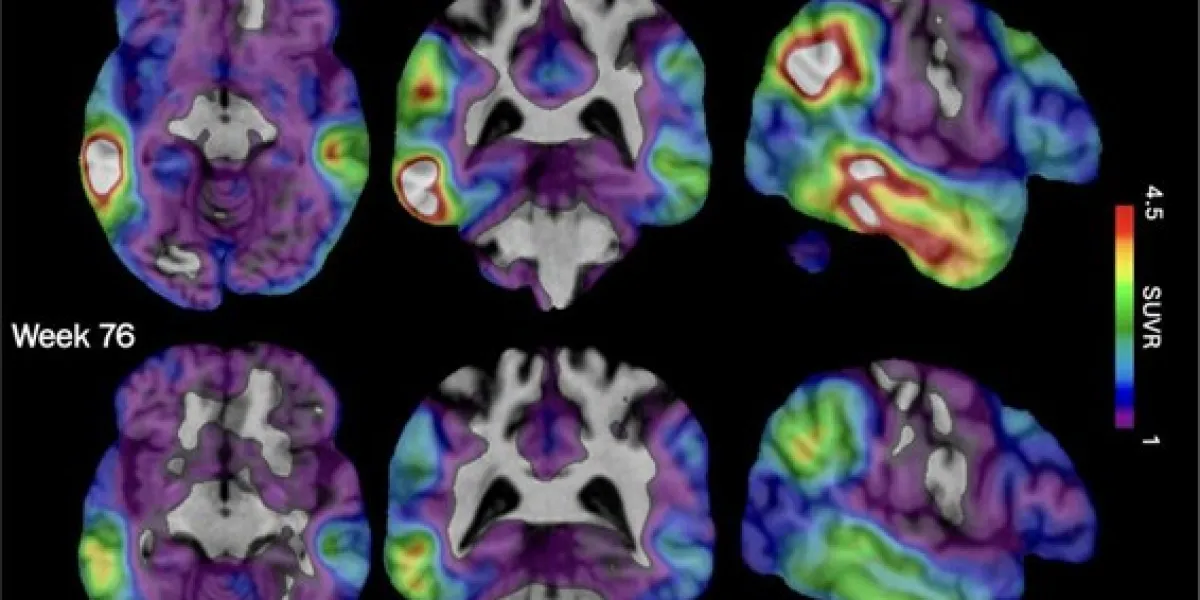
A 'wonder drug' that can stave off Alzheimer's disease could delay the life-ruining symptoms for up to three years, striking new data shows.Donanemab has been licensed for use in the UK since 2024 but has not been made available on the NHS after the National Institute for Health and Care Excellence (NICE) deemed its benefits 'too small' to justify the cost.But the new findings, presented at the Alzheimer's Association International Conference (AAIC) in London, could strengthen the argument that it is good value for money. The new research followed 1,200 patients. Some had donanemab for 18 months, and others switched to the drug after initially receiving a placebo.Scientists then compared their results with a matched group of similar patients who had not received the drug, which is administered via transfusion, assessing them using a dementia rating scale that tests memory and thinking.At the end of the 18 months, there was a significant difference between patients who had been given donanemab and those who hadn't. After three years, the gap between the two groups had doubled.This could represent those with the disease keeping their memory and independence for longer. The drug appeared to protect against dementia for three years The researchers also noted that the drug appeared to suppress tau, a protein found naturally in the brain, that is linked to Alzheimer's. It normally helps brain cells function properly, but decades of research has found levels of p-tau217 tend to increase in people diagnosed with the disease.Everyone experiences dementia differently. Use this checklist to help you make a note of your symptoms before you talk to your GP.Scientists can identify higher levels of p-tau217 as they are associated with the build-up of beta-amyloid plaques – clumps of protein that form between brain cells – and tau tangles, twisted clumps of tau protein that build up inside brain cells.The researchers claim that levels of p-tau217 fell significantly during the first 76 weeks of treatment yet continued to rise in the patients who were not given the drug. There are an estimated one million people in the UK living with dementia - of which Alzheimer's is the most common type - and by 2040 that figure is expected to climb to 1.4 million. And despite previous clinical trials in to donanemab finding the drug slows cognitive decline in early Alzheimer's disease, it does have some worrying side-effects, including triggering bleeds on the brain. In April, a major review found that donanemab may offer only limited benefits for patients. Researchers from the Cochrane Collaboration reviewed 17 trials involving more than 20,000 patients taking drugs designed to remove amyloid protein from the brain.They concluded that while the treatments can slow the progression of Alzheimer's disease, the effect is 'well below' what would be needed for patients to notice a clear benefit.The drug was also linked to risks, including brain swelling and bleeding - although it is claimed that experts have been working to make the drug 'more tolerable'. Donanemab requires regular infusions - every two to four weeks - with private treatment costing tens of thousands of pounds a year, putting it out of reach for most patients. Hilary Evans-Newton, the chief executive of Alzheimer's Research UK, said: 'New results presented at AAIC suggest that the clinical benefits of donanemab can continue for years after treatment ends.''This strengthens the growing evidence for both the medicines already licensed in the UK, donanemab and lecanemab, that they can slow the progression of Alzheimer's disease over the longer term and have greater benefit when started early in the course of the disease.'This provides a different perspective to the recent scientific discussion on anti-amyloid treatments, where doubts had been raised about the benefits and safety of the amyloid approach.'