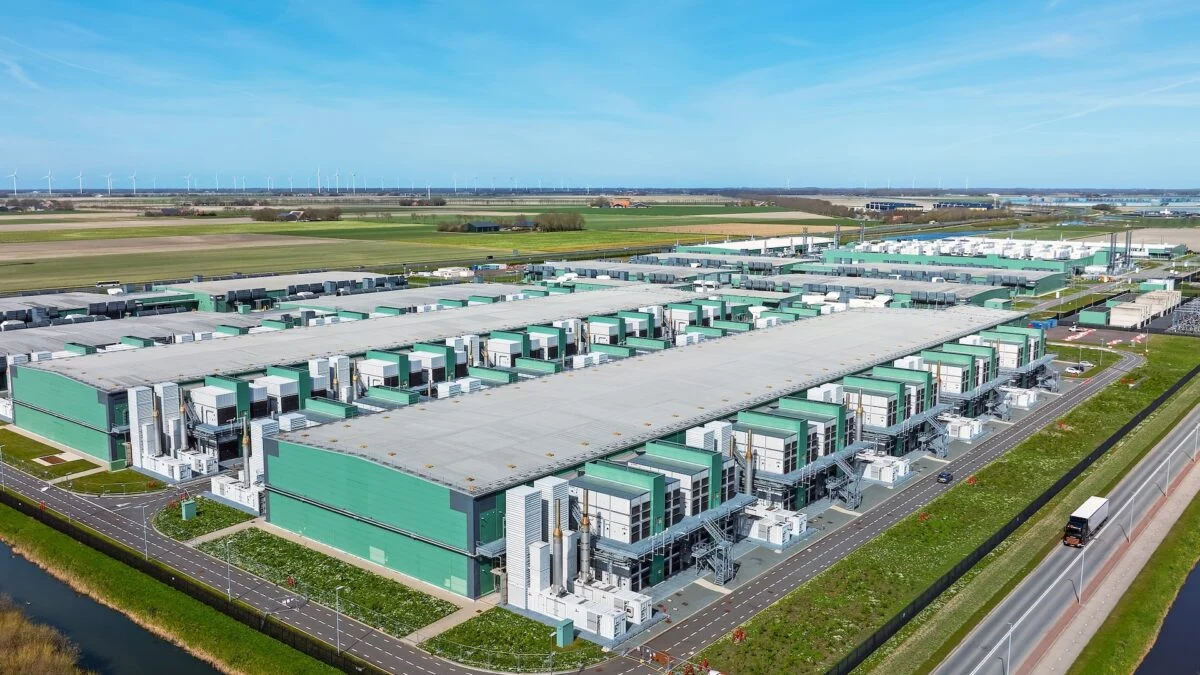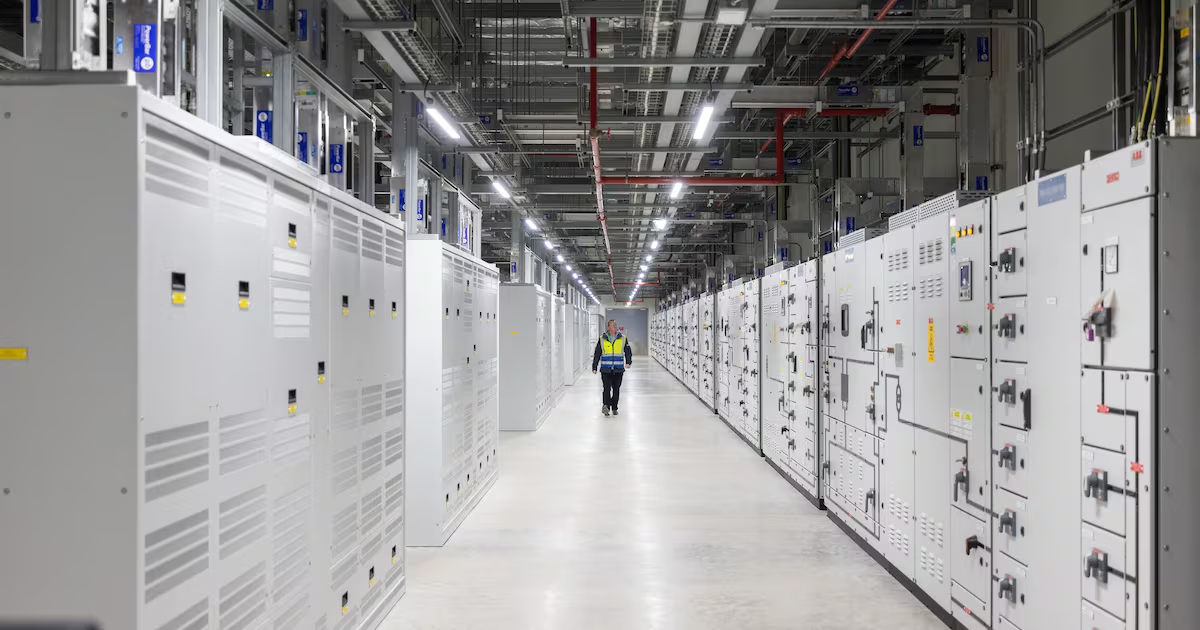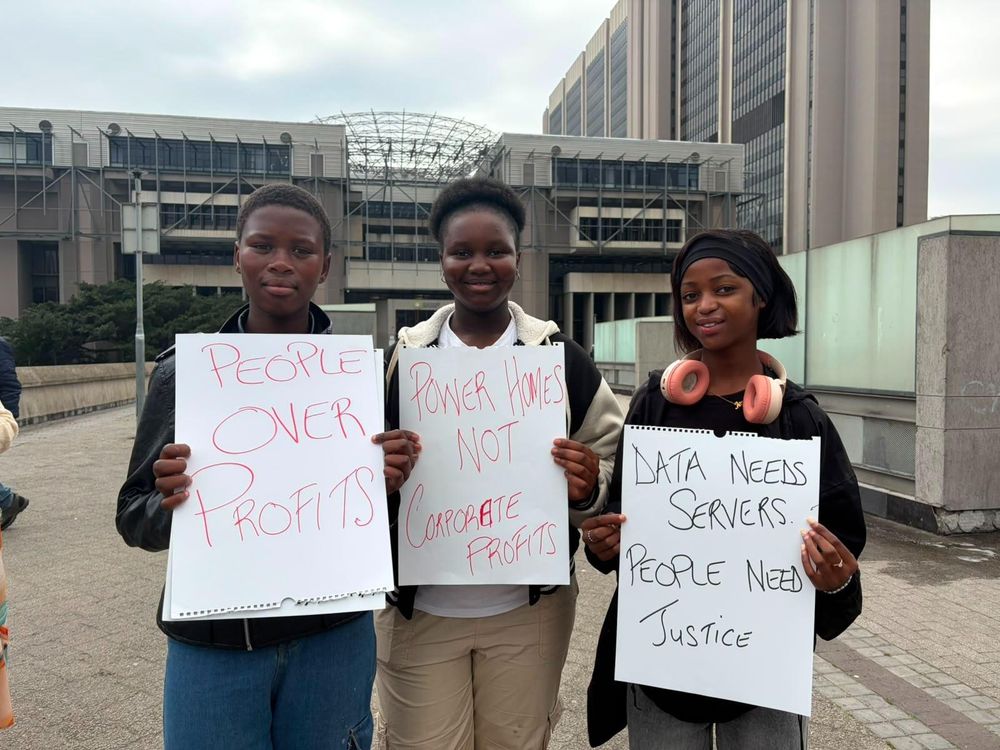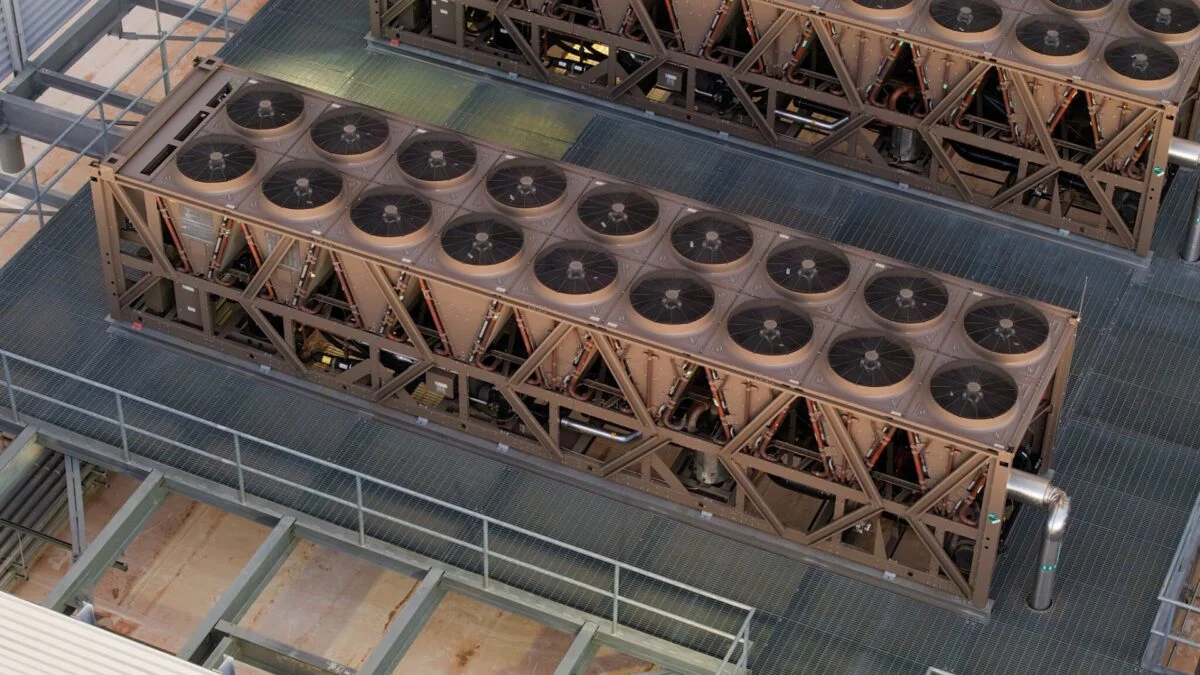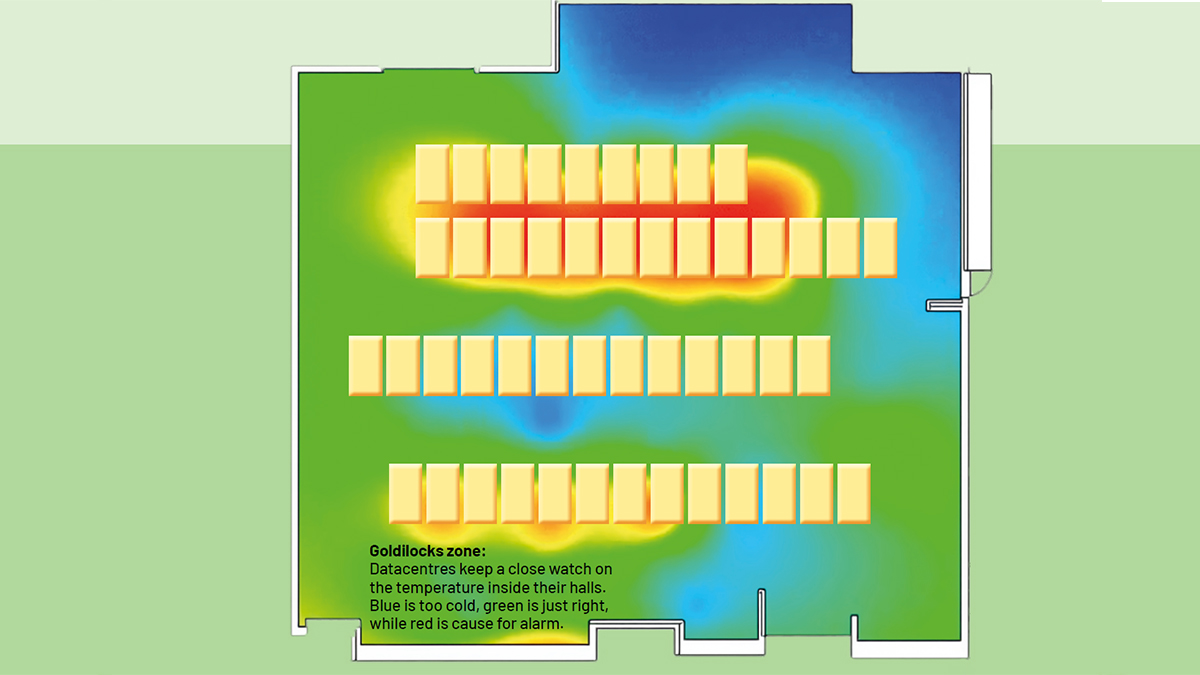
Goldilocks zone: Datacentres keep a close watch on the temperature inside their halls. Blue is too cold, green is just right, while red is cause for alarm. Datacentres in the United States are getting a bad rap this year. Data Center Watch counted 75 projects, worth at least $130bn, blocked or delayed by communities since it started keeping records. In Cape Town, the Housing Assembly, a social movement, and UK non-profit Foxglove, which aims “to make tech fair for everyone”, filed a formal complaint in May with city planners opposing plans by US datacentre company Equinix to build two new facilities in the city. Equinix has bought 327 000sqm of land close to the airport, on which it plans to further its datacentre capacity by 160MW. Equinix told Reuters in June it had not yet submitted any planning applications to the city, and that it was committed to be fully transparent about the build. It declined to comment on the objections. The civil society organisations say there is not enough information about the project, and Equinix had not provided any details about water use, emissions, electricity demand and noise and air pollution. Cape Town residents have particular sensitivities around water use, and the metro came perilously close to running out of water altogether in mid-2018. Equinix already has a 4MW facility close to the OR Tambo International Airport, of which it says it has 100% renewable energy coverage. Saadiyah Kwada, an attorney at the non-profit, Legal Resources Centre in Cape Town, was quoted by Reuters as saying that there seems to be “this rush to develop datacentres without people properly thinking through what the impact will be”.You can invest millions into IT infrastructure, but don’t go cheap on your power and your cooling.Steve Santini, Schneider-Electric Other than this local nascent protest, opposition is concentrated in the US, particularly in Northern Virginia, which now has over 600 datacentres in operation. There have also been protests in the EU, and there is opposition to a proposed hyperscale facility in an old brewery in Brick Lane in London. Bryce Allan, head of sustainability at Teraco Data Environments, says some of the reporting around the Cape Town project has been “sensationalist” in claiming the datacentres will use inordinate amounts of power and water. He believes one of the drivers for local protesters is that they're looking at the community action in the US, and then applying the same lens to South Africa. “When people look at the United States, and see these 500MW, [or] 1GW datacentres being deployed in communities, hoovering up the power, and depleting water resources using open[-circuit] water tower coolers, that anxiety filters across here.Steve Santini, Schneider-Electric “Our South African guys have been a lot more responsible in how they’ve built out their infrastructure, and it’s also demand-led. We’re not going to see those 500MW, 1GW installations here,” he says, adding these will only be built in the US, the Middle East and China. He says Teraco, which has a closed-loop water system, uses 98% or 99% less water than open water tower installations, which expel heat by cooling water through evaporation. Cooling now accounts for between 30% and 40% of a datacentre’s power use. Almost all the rest of the power is consumed by the IT equipment running the compute and storage, but some power is also lost to heat through transformers and UPS units.Our South African guys have been a lot more responsible in how
In search of the green zone
As compute density grows, datacentres have to adjust their cooling strategies.
1,732 words~8 min read