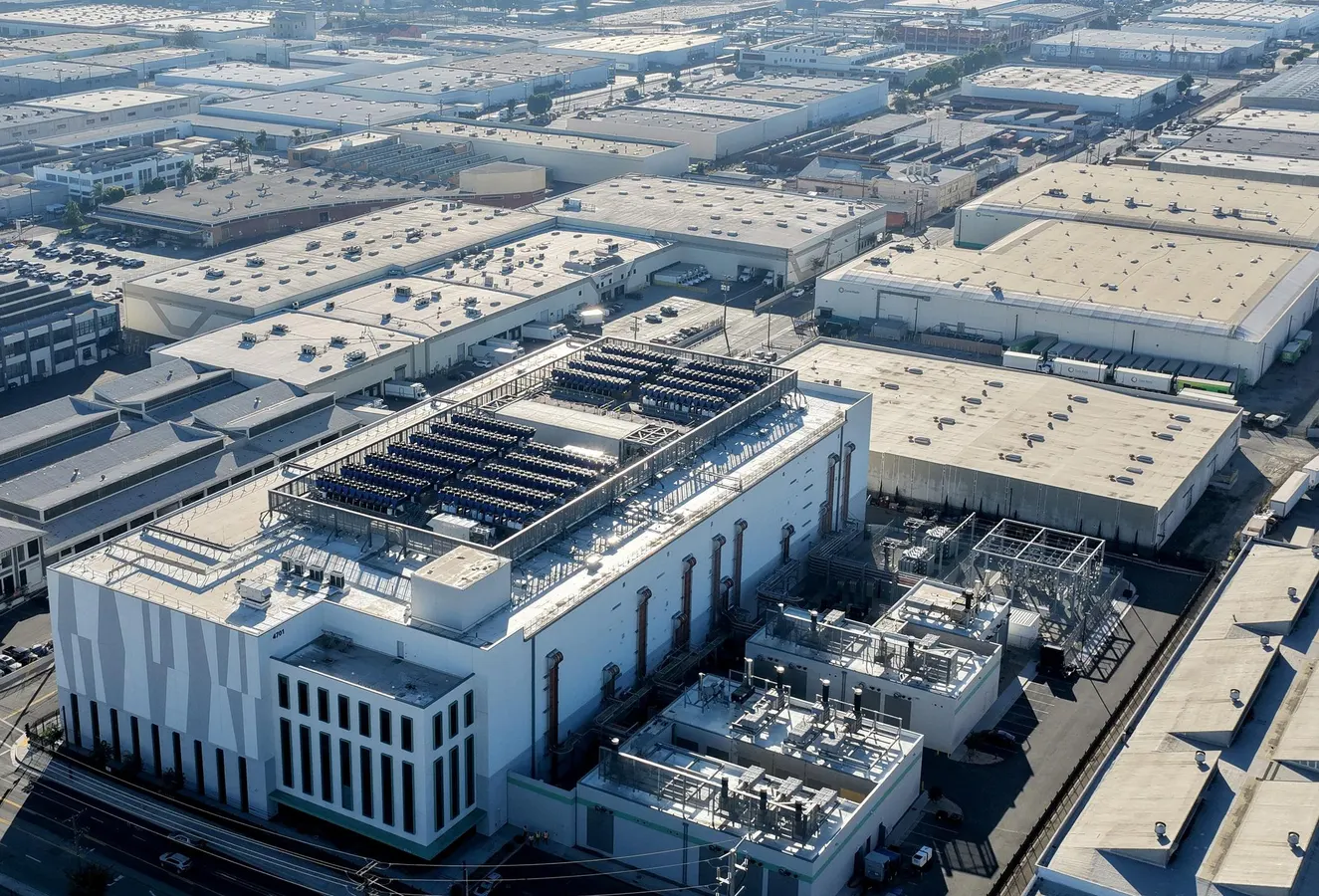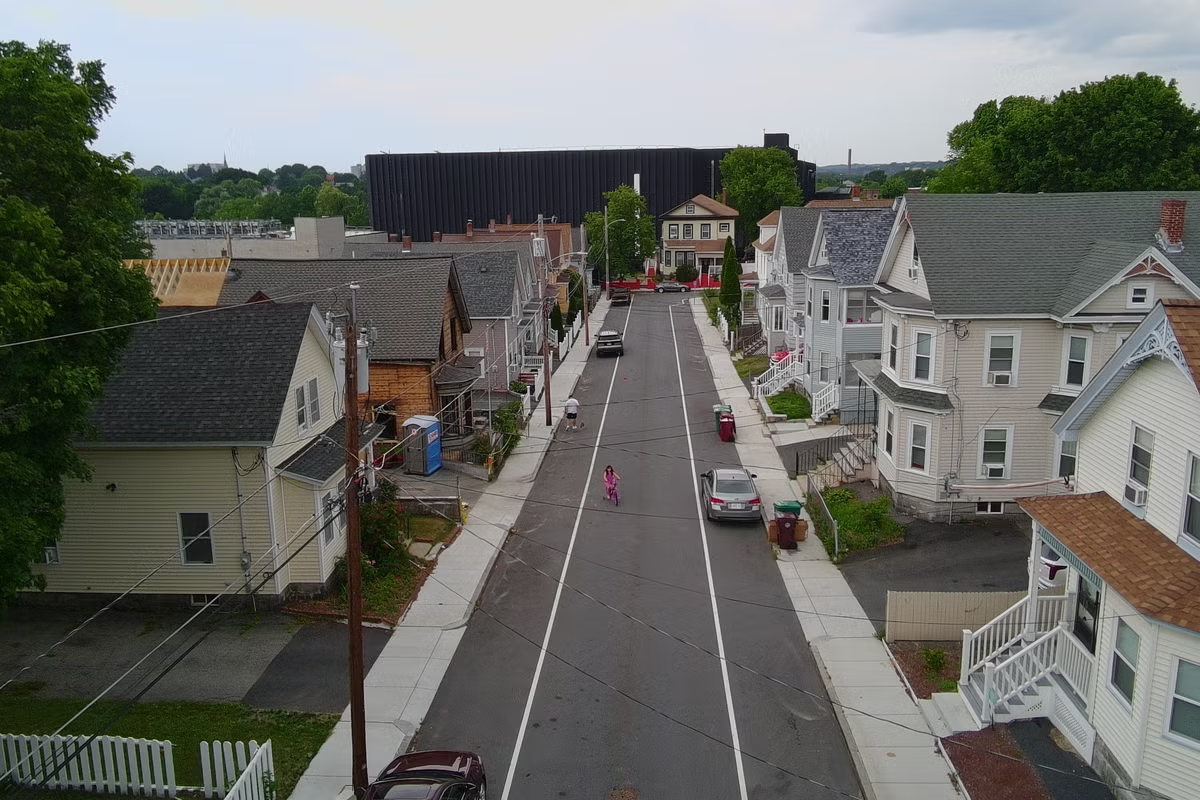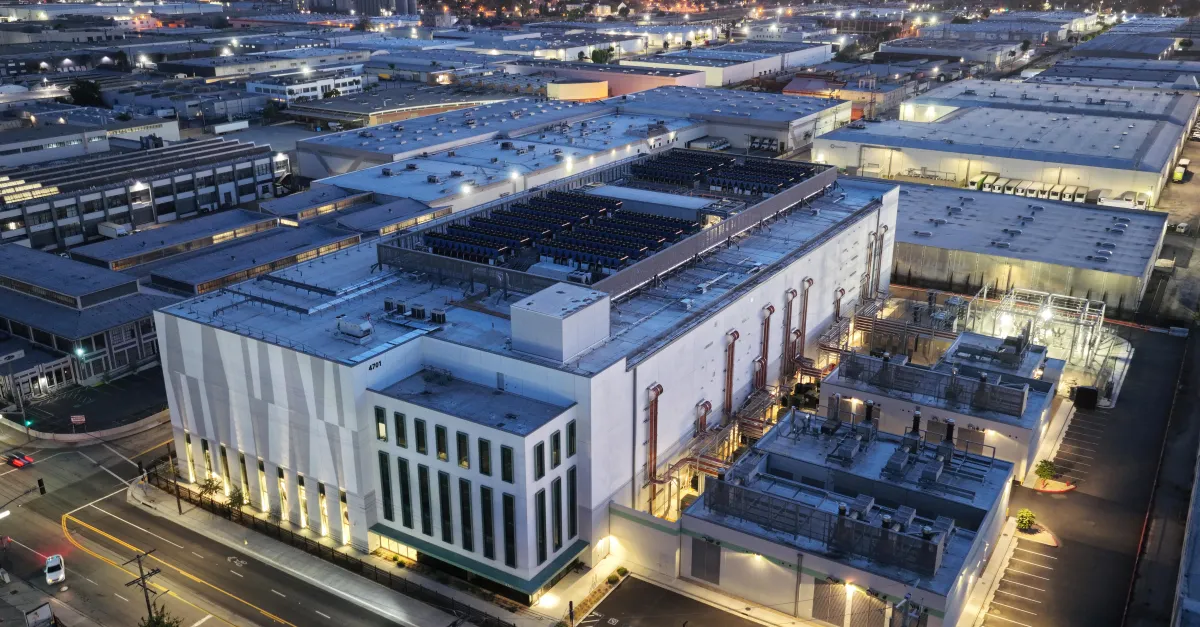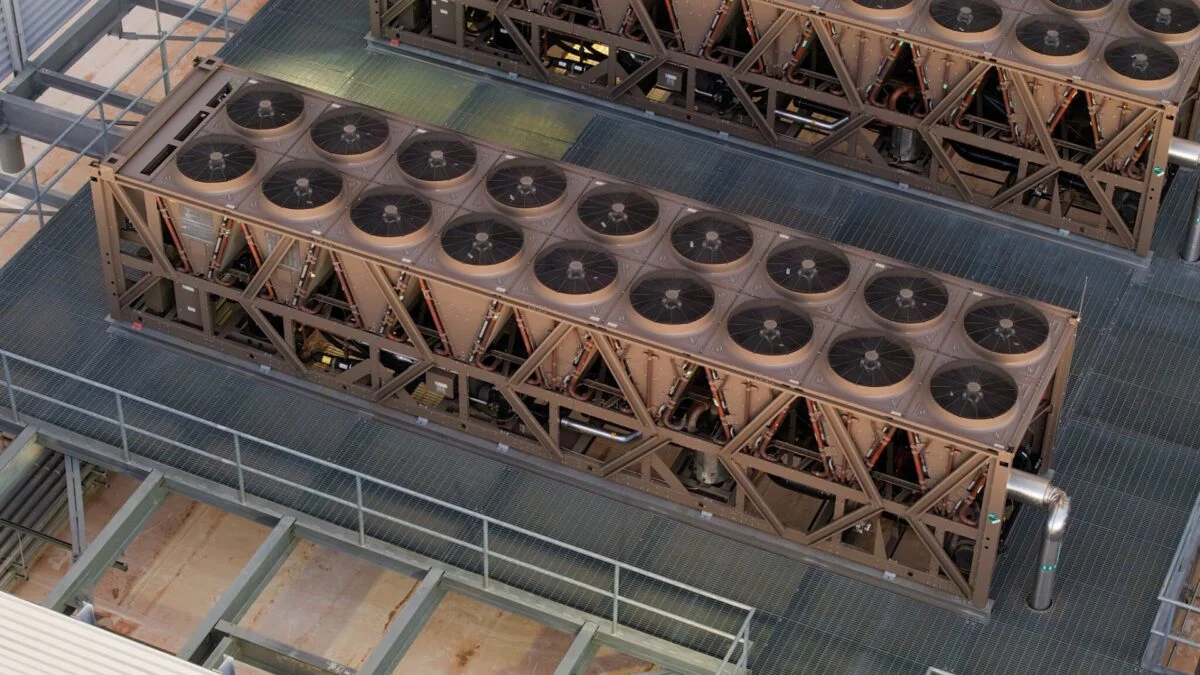
As data centers proliferate across the United States, scientists are scrambling to quantify their impacts on nearby communities. Studies have shown that these facilities strain local power and water supplies, drive up utility costs, and emit harmful pollutants. Now, research suggests their waste heat can actually crank up the temperature in downwind neighborhoods. The study, published May 18 in the Journal of Engineering for Sustainable Buildings and Cities, measured heat pollution from a 36-megawatt data center in Mesa, Arizona, and a 169-megawatt data center campus in the neighboring city of Chandler. The researchers found that air temperatures downwind of these facilities were up to 4 degrees F (2 degrees C) higher than upwind temperatures. This heat impact extended up to a third of a mile (half a kilometer) out from the perimeter of the data centers. These findings suggest data centers can compound the urban heat island effect, which is when a city experiences much warmer temperatures than nearby rural areas. This is especially concerning for cities where extreme heat already poses a significant public health risk, like Mesa and Chandler.
“Even if these data centers only contribute to an additional heat island magnitude of 1 degree or 2 degrees, that can still have a very significant impact on our lives,” lead author David Sailor, director of Arizona State University’s School of Geographical Sciences and Urban Planning, said in a press release.