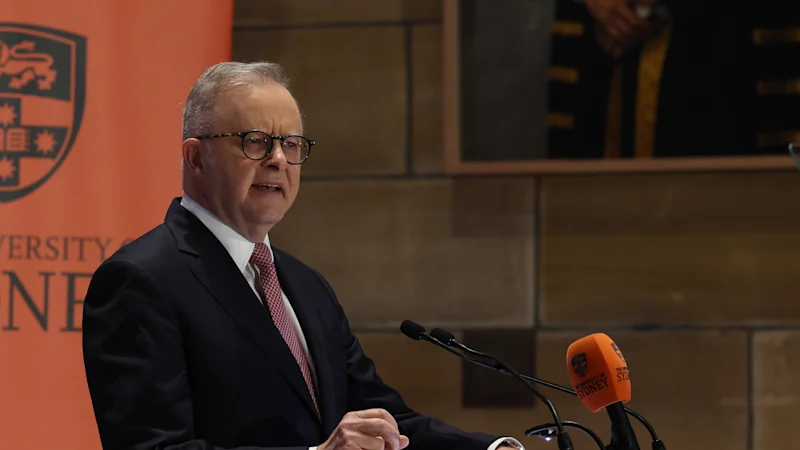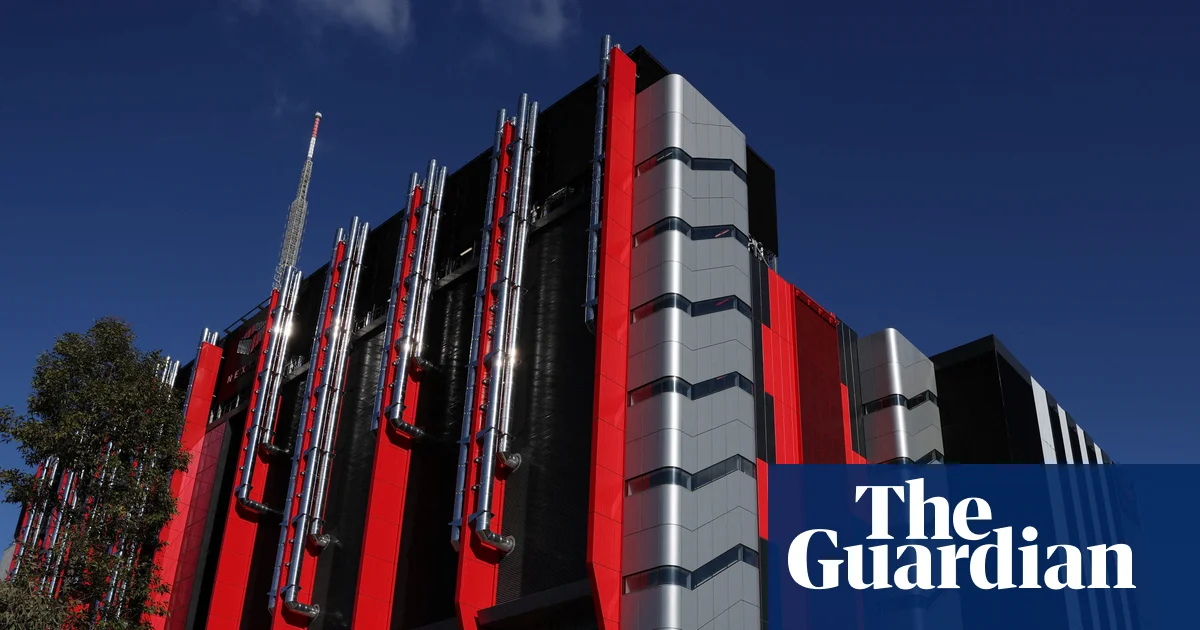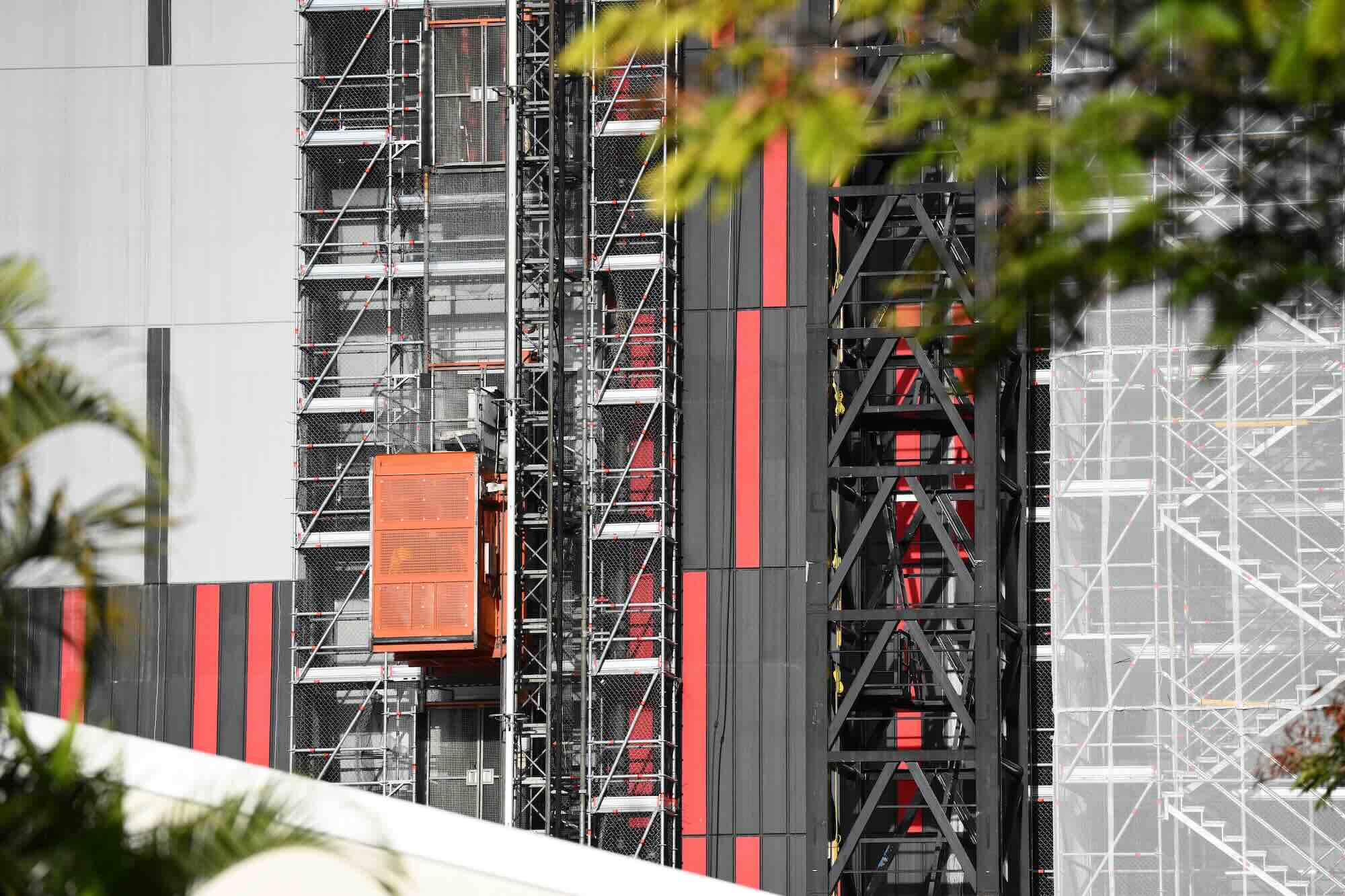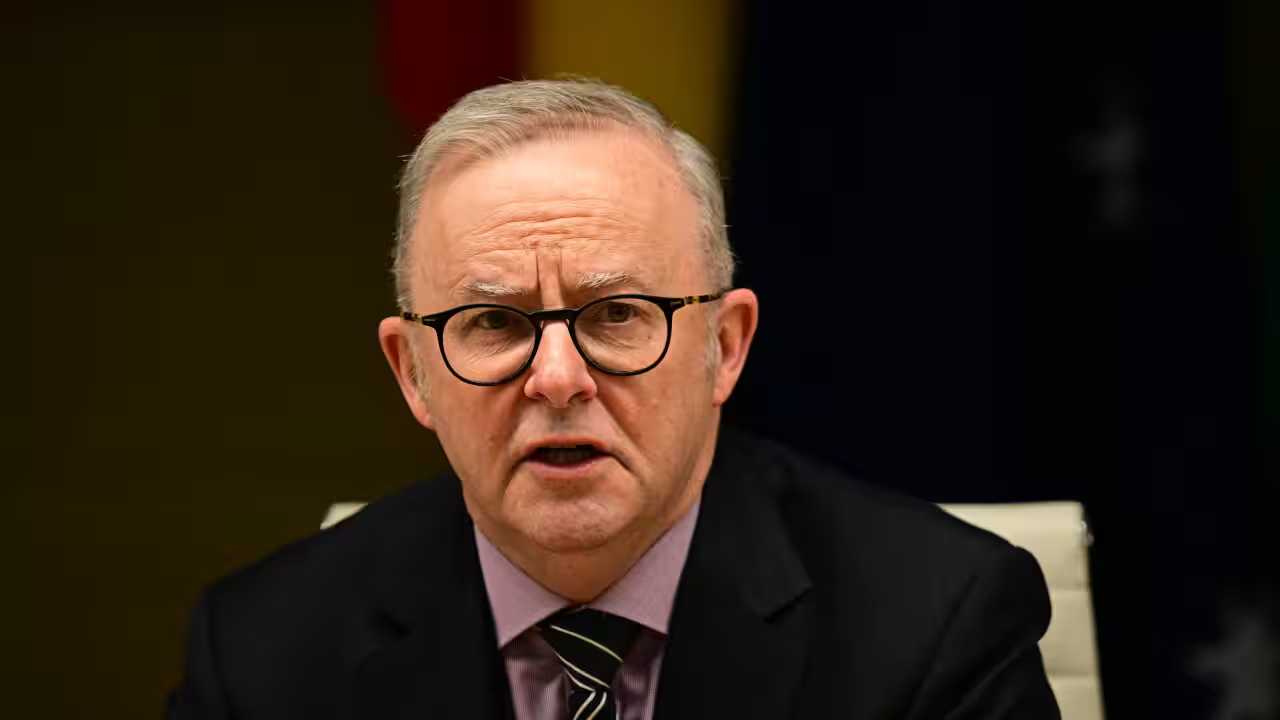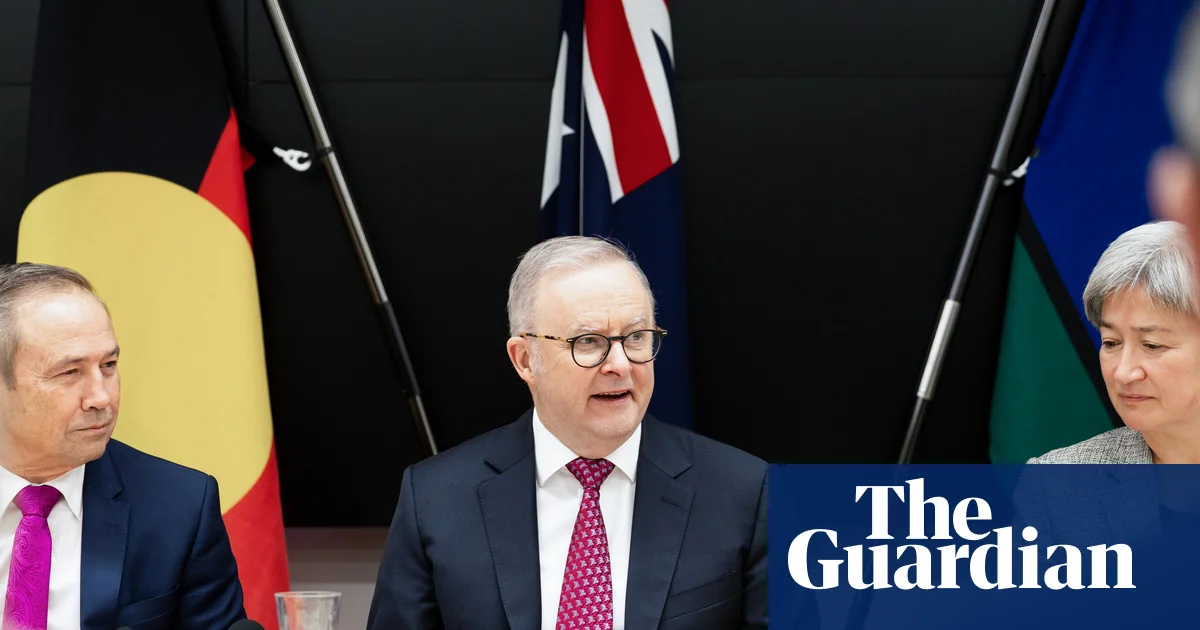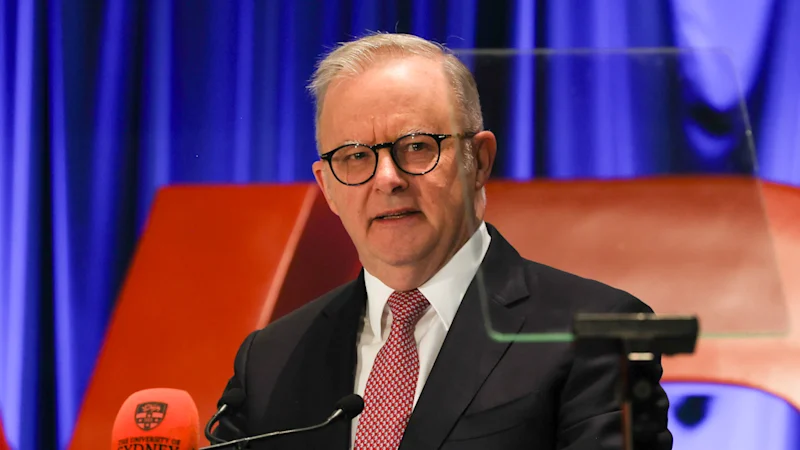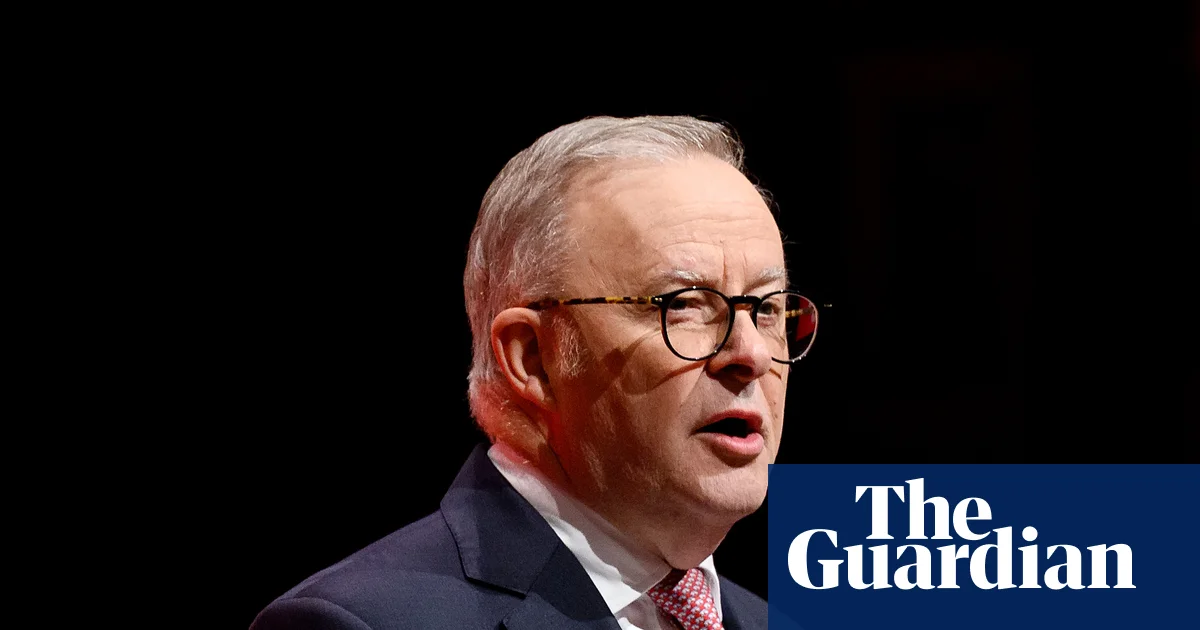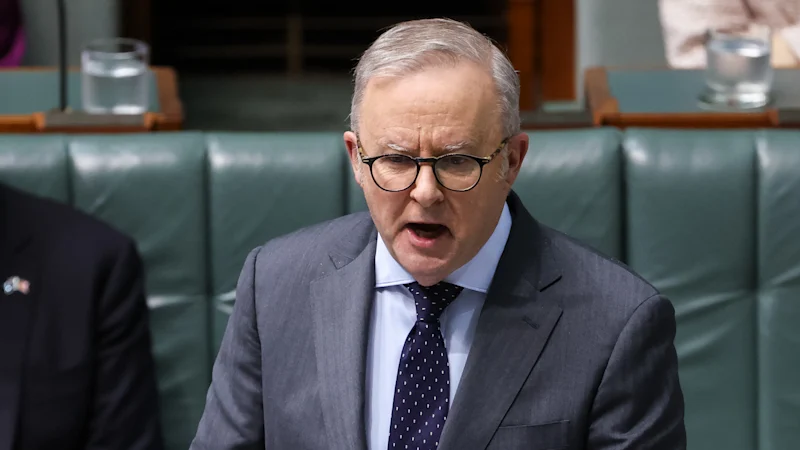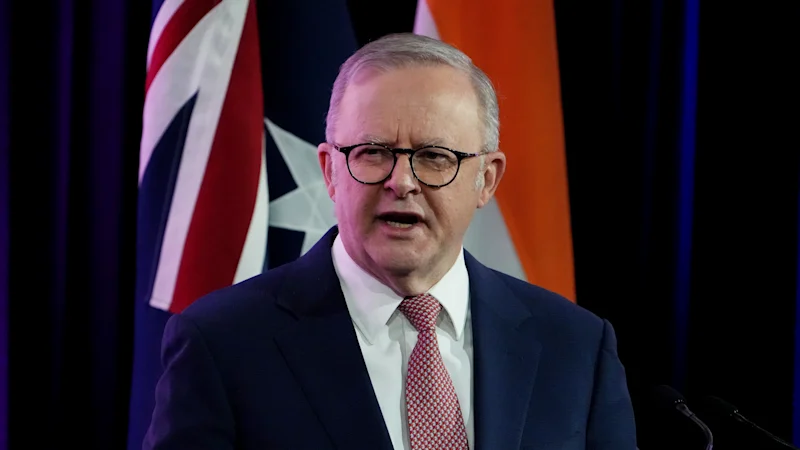
July 16, 2026 — 5:56pmPrime Minister Anthony Albanese’s pledge that a boom in energy-hungry data centres would pump power back into the electricity grid will strain Australia’s delayed renewables rollout according to major investors, as one of his ministers concedes the plan could require more gas plants.Albanese, in a wide-ranging speech on Wednesday, mapped out rules his government would impose on the booming artificial intelligence industry and the data centres it will need to ensure downward pressure on household electricity bills.Part of this will be a legal obligation to ensure these centres are net-generators of electricity rather than net-users, meaning they will not drive up power prices for homes and businesses. He also pledged to protect jobs from mass redundancies and to pass new laws to force big tech companies to make deals with artists for access to their work.Prime Minister Anthony Albanese says power hungry data centres will be required to put at least as much energy into the electricity grid as they take out.Asanka Ratnayake“We will create a legal obligation for the next generation of large-scale data centres to underwrite new power supply ... And to put at least as much energy into our grid as they take out of it. To be net-generators, not net-users,” he said.Australia is home to 162 operating data centres, which currently consume about 2 per cent of total electricity demand on the eastern seaboard. The Australian Energy Market operator has forecast data centres would reach 10 per cent of demand by 2050.Clean Energy Investor Group chief executive Richie Merzian said the government would “struggle” to ensure renewable energy, and not fossil fuel, supplies all the power needed for the burgeoning industry.“We’re looking at anywhere from 4 to 7, sometimes up to 10 years to get wind and solar projects approved and built on the east coast,” he said.Merzian represents some of the biggest renewables investors, holding a combined $41 billion in projects, including Macquarie Asset Management’s Aula Energy, French energy giant Engie, Copenhagen Infrastructure Partners and Squadron Energy.The government will extend the 30 per cent capital gains tax on foreign investors to include several new industries, including renewables, which Merzian said was another hurdle to building clean energy for data centres.“If the government is serious about ensuring that we meet our clean energy targets and keeping power prices down low, they must do everything they can, including making sure we have competitive taxes,” Merzian said.Labor MP Andrew Charlton.Rohan ThomsonData Centres Australia chief executive Belinda Dennett said tech companies could not support the prime minister’s new requirements until they had seen more detail, beyond his speech.“We’re currently sourcing 70 per cent of their power from renewables. That’s not a law, companies do that because they want to. They are forward-leaning on sustainability.“We need a lot more detail about the intent [of new laws] because there’s a whole lot more questions than there are answers.”States, except Queensland, have agreed to work with the Albanese government on rules to force data centres to invest in renewable energy, but it is unclear how state or federal laws would enforce this, or if states would impose the condition on new investments.Assistant Data Minister Andrew Charlton said data centre developers were focused on renewables, backed by batteries and gas plants where necessary.“The government is certainly not anti-gas,” Charlton said. “More important than where that power comes from, I’m focused on the consumers ... and I don’t want data centres to be another reason why their power prices are going up.”Sabooh Whitelaw, associate vice president of energy and utility at AirTrunk, which has data centres in Melbourne and Sydney, said data centres should be viewed as an asset, rather than a threat, for the grid, as they would bring long-term demand signals and private capital to invest in the clean energy transition.However, she said planning approvals, constraints on the electricity network, and a lack of new power lines were major roadblocks.Those working in the creative industries warned that artists needed to be involved in the new Office of AI.“I think that’s [representation] really important … you need to have people who are at the coalface of the creative economy,” director of public affairs for music rights management group APRA AMCOS, Nicholas Pickard, said.Australian Society of Authors chief executive Lucy Hayward agreed. “Authors’ work enables this technology, and they should be central to decision-making about it,” she said.Australian children’s author Andy Griffiths said he supported an option for writers to opt into AI, provided they were asked for permission and could negotiate a fee and credit.“I would like to be offered the opportunity, and then I’ll make the decision as I would with, say, a film company that comes to me,” he said. “You make the decision on what’s right for you and the property, and if it’s not, then you don’t do a deal.“Cut through the noise of federal politics with news, views and expert analysis. Subscribers can sign up to our weekly Inside Politics newsletter.From our partners
‘More questions than answers’: Albanese’s data-centre vision risks renewables rollout
The PM’s pledge to ensure the AI boom would not drive up power bills has hit a renewable energy snag.
829 words~4 min read