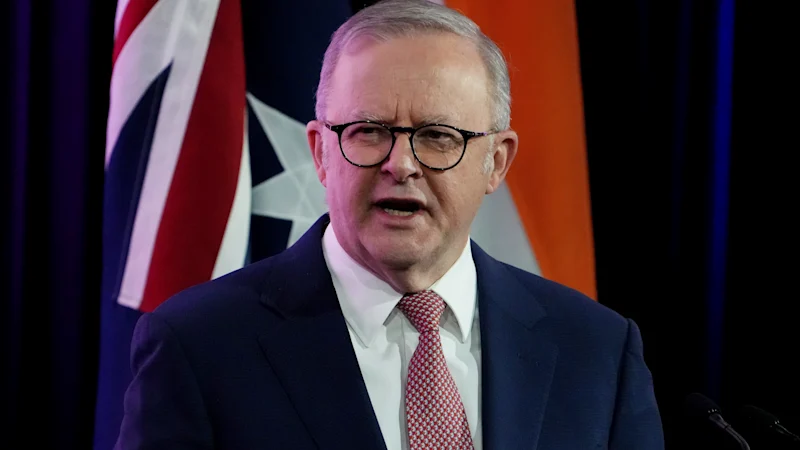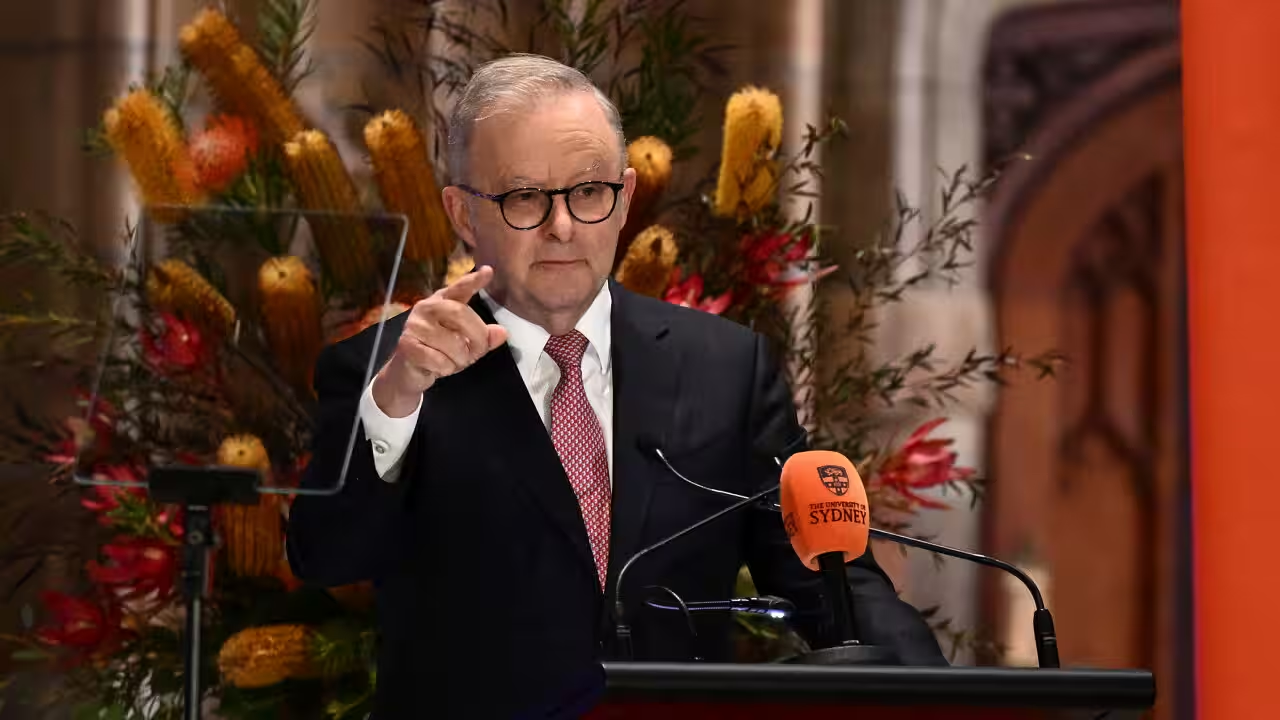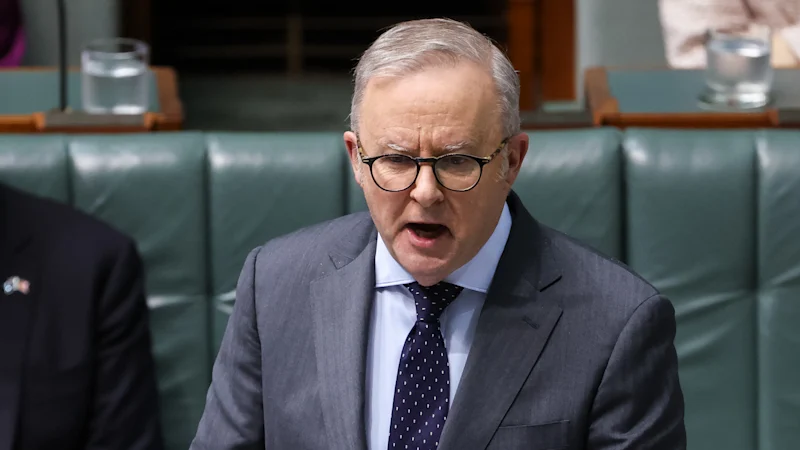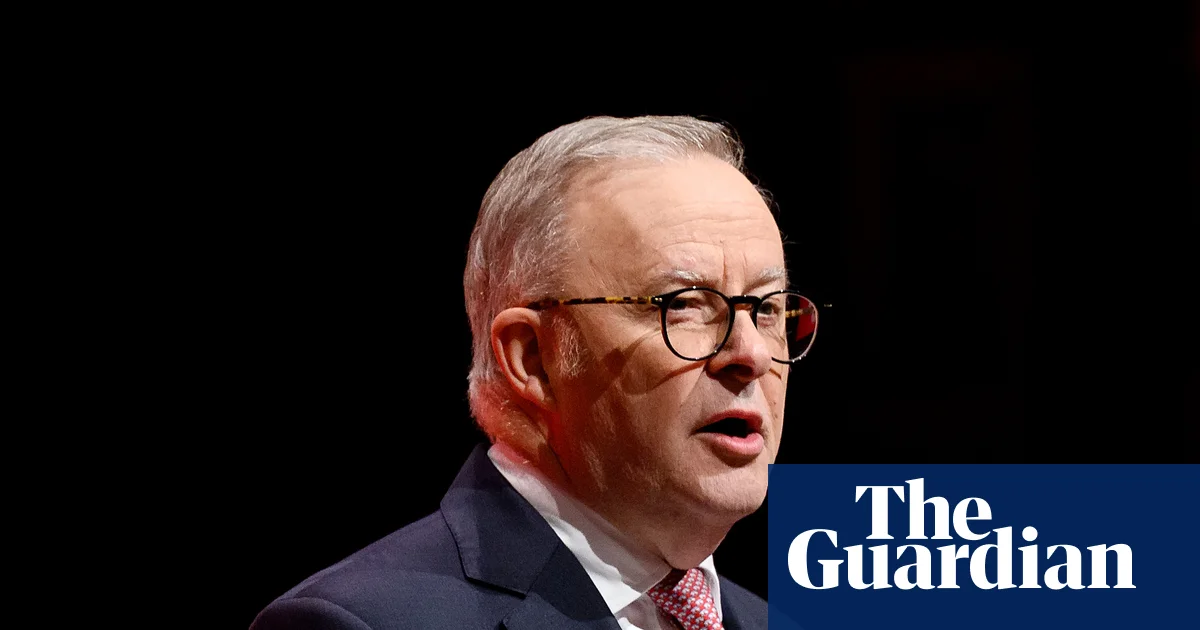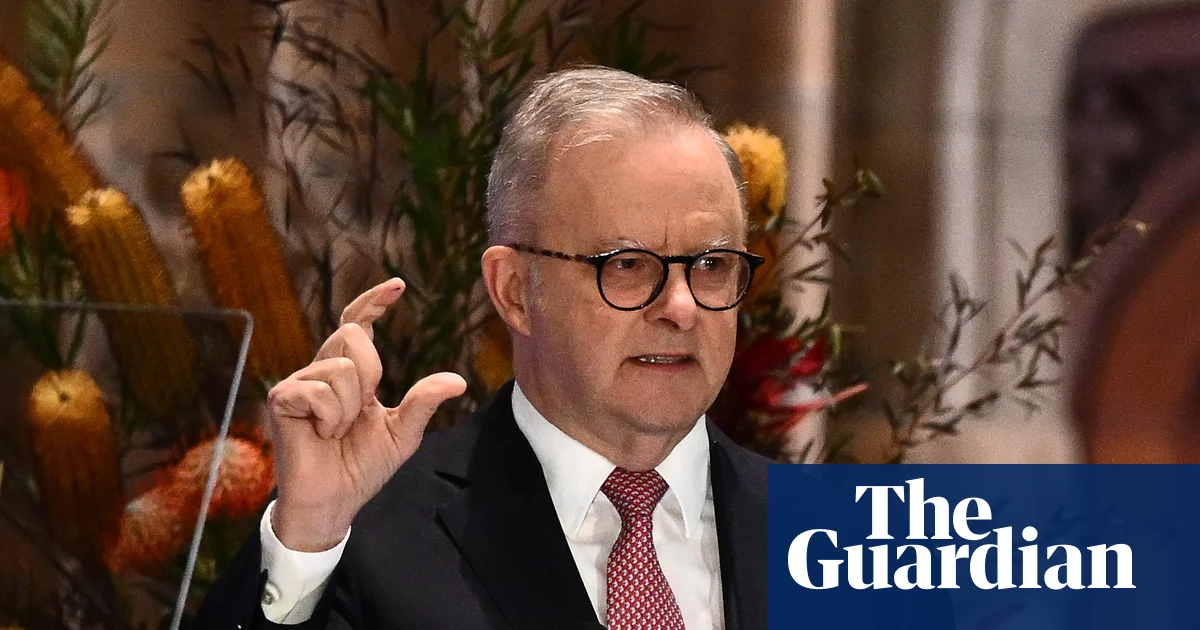
Expectations were high as the prime minister took the stage at the University of Sydney on Wednesday to outline a pivot in his government’s approach to artificial intelligence. The vibes of the speech seem to have lived up to the hype but it fell short on policy detail.Before the address there were concerns about the government’s hands-off approach to AI regulation. So Anthony Albanese’s commitment to introducing laws that ensure Australian creatives retain control over their work – including its value and where it is used – are very welcome.Clearly the government heard creatives loud and clear. Their work and intellectual property must not be used as a bargaining chip. This is an encouraging sign that the government is staring down intense pressure from global AI giants to give them unfettered – and unpaid-for – access to the works of Australian musicians, writers, journalists and artists.But as is often the case in politics, the devil is in the detail. While the sentiment is good, we need to see the policy and legislation that will underpin it. There are cabinet documents that tell a different story to the speech – one where the prime minister was set to sponsor a submission exploring “legal avenues” to give AI companies access to Australians’ work in return for massive datacentre investment.Anthony Albanese says he wants to do AI ‘the Australian way’ – videoNew laws have now been flagged that, according to the prime minister, will ensure key community concerns about water and energy use are addressed by something stronger than the current voluntary “expectations”. Laws that ensure households and businesses won’t pay higher prices as a result of datacentre energy use.While the speech sought to reassure and allay fears, it also raised questions.When the prime minister talks about new laws applying to the “next generation of large-scale datacentres” what does he mean? How will “large” be defined? And what constitutes the “next generation”? When will these national standards apply and how many datacentres will be built between now and then? Bear in mind there are at least 100 datacentres under construction, with at least that many more planned.Where is the plan to build Australian sovereign AI capability? To ensure local companies and researchers have access to the vast new computing power to be housed on our shores? This is critical if we want to truly share in the benefits over the long term.There’s also a contradiction in the government’s commitment to protecting creatives while at the same time wanting to attract the big multinational “hyperscalers” to build hundreds of billions of dollars worth of datacentres here, given that the sticking point for the hyperscalers seems to be copyright.And, for all the talk about secure jobs, where is the investment in retraining workers? Singapore is investing $1bn annually in retraining and setting workers up in AI-resilient careers. Where is that kind of funding commitment for Australians? Without a sharp focus on this now, we risk the speed of AI adoption and displacement of jobs overtaking our preparedness to transition people and keep them in paid work.There was no mention of the construction workforce shortages we face. Datacentre construction is already diverting a strained workforce away from building new homes. We can’t afford to see housing completions continue to decline and ignore the warnings from large-scale residential developers that a lack of workers is one of the biggest barriers to delivering the new homes Australians desperately need.Information about the exact location of datacentres operating, under construction and being planned in Australia is hard to come by. Erin Brockovich has done incredible and extensive work to build a map of existing and proposed datacentres in the US. Her efforts have shown some of this information seems to be deliberately concealed. What we do know is communities don’t want them in densely populated areas. Careful planning and genuine consultation is needed to ensure datacentres are located appropriately and not just foisted on people living in the outer suburbs.And perhaps the largest hole in the prime minister’s speech was any mention of tax. Not a word about how we will ensure we capture the long-term financial benefits from becoming a global datacentre destination. Our government must not repeat the mistakes of the resources boom. The last thing we need is to fail to capture a fair return on AI datacentre development as we did on gas. Multinational gas companies are masters at tax minimisation and offshoring profit but when it comes to the big tech companies it’s clearly a case of “hold my beer”.This is a case of two things being true. The prime minister articulated an ambitious vision for Australia as a world leader on AI. He said he wants to protect creatives and safeguard society, the environment and the economy. He should be commended for that.At the same time, it’s unclear how he plans to achieve those ambitious aims. There are many parts of the AI story he did not address. It’s our job, as parliamentarians and citizens, to keep demanding answers to those questions.We know the change that’s already upon us has the potential to change the way we do everything. We have to get this right.
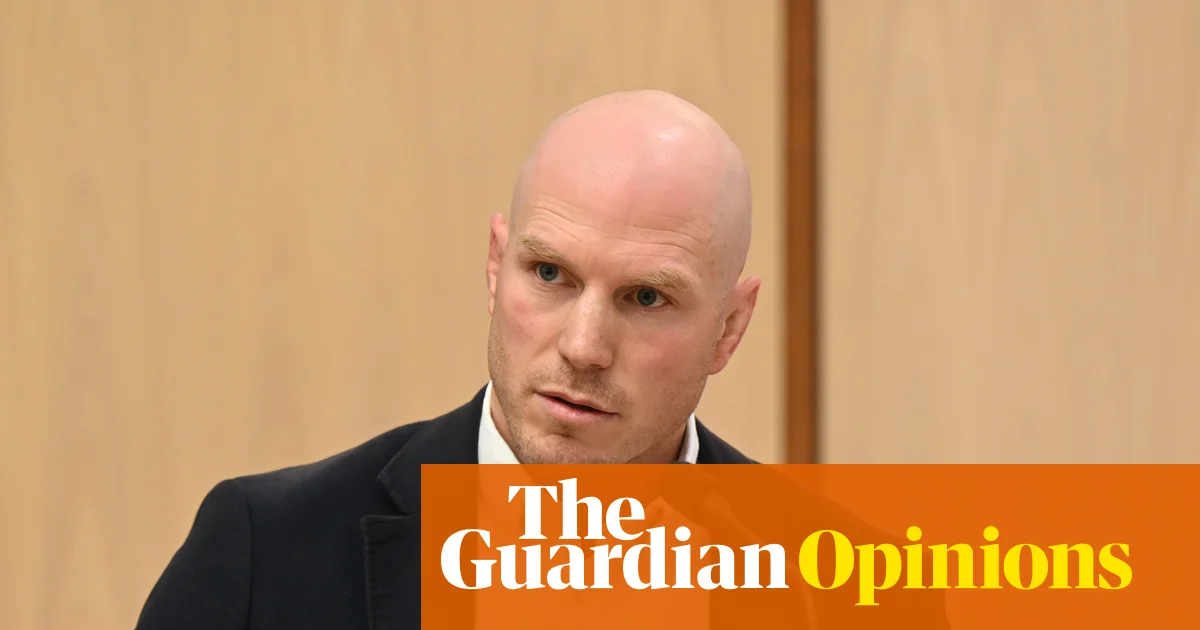
Anthony Albanese’s AI vision scores high on vibes but the devil will be in the detail. And there is one glaring omission … | David Pocock
When the PM talks about new laws applying to the ‘next generation of large-scale datacentres’ what does he mean?
872 words~4 min read