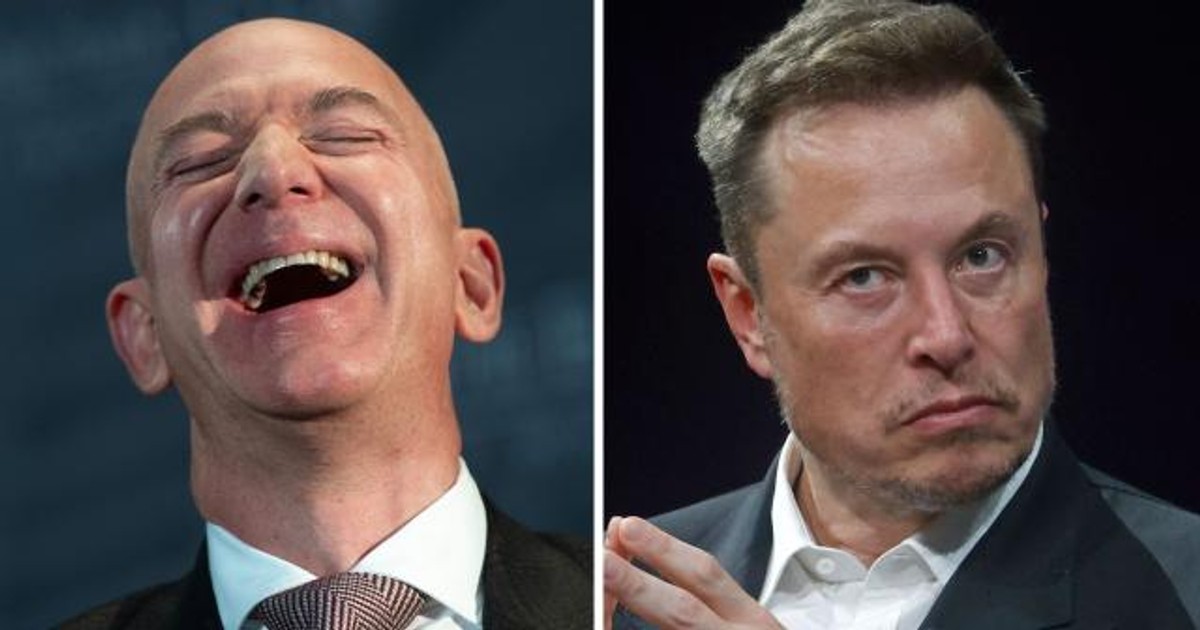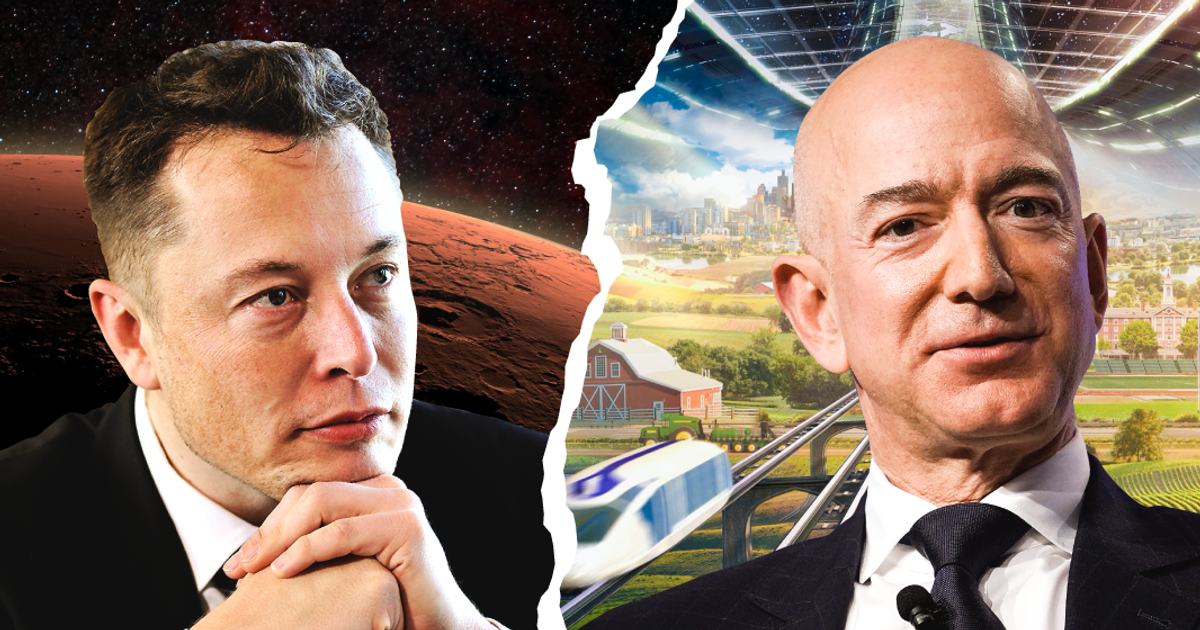
For years, the contest between Elon Musk’s Starlink and Jeff Bezos-backed Amazon Leo appeared likely to be decided thousands of kilometres above the Earth.
Starlink had the rockets, the satellites and the customers. It entered commercial service years ahead of Amazon and built the world’s largest low-Earth orbit satellite network while its rival was still preparing for launch.
In South Africa, however, the competition has taken an unexpected turn.
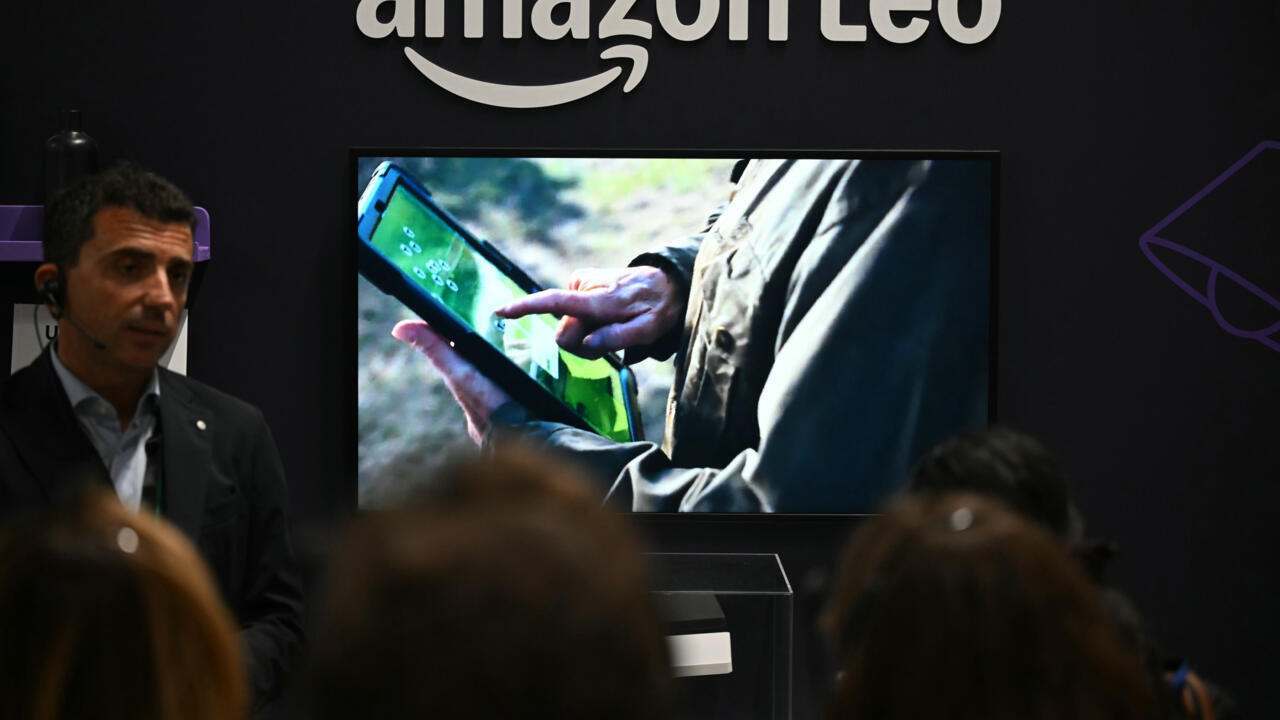
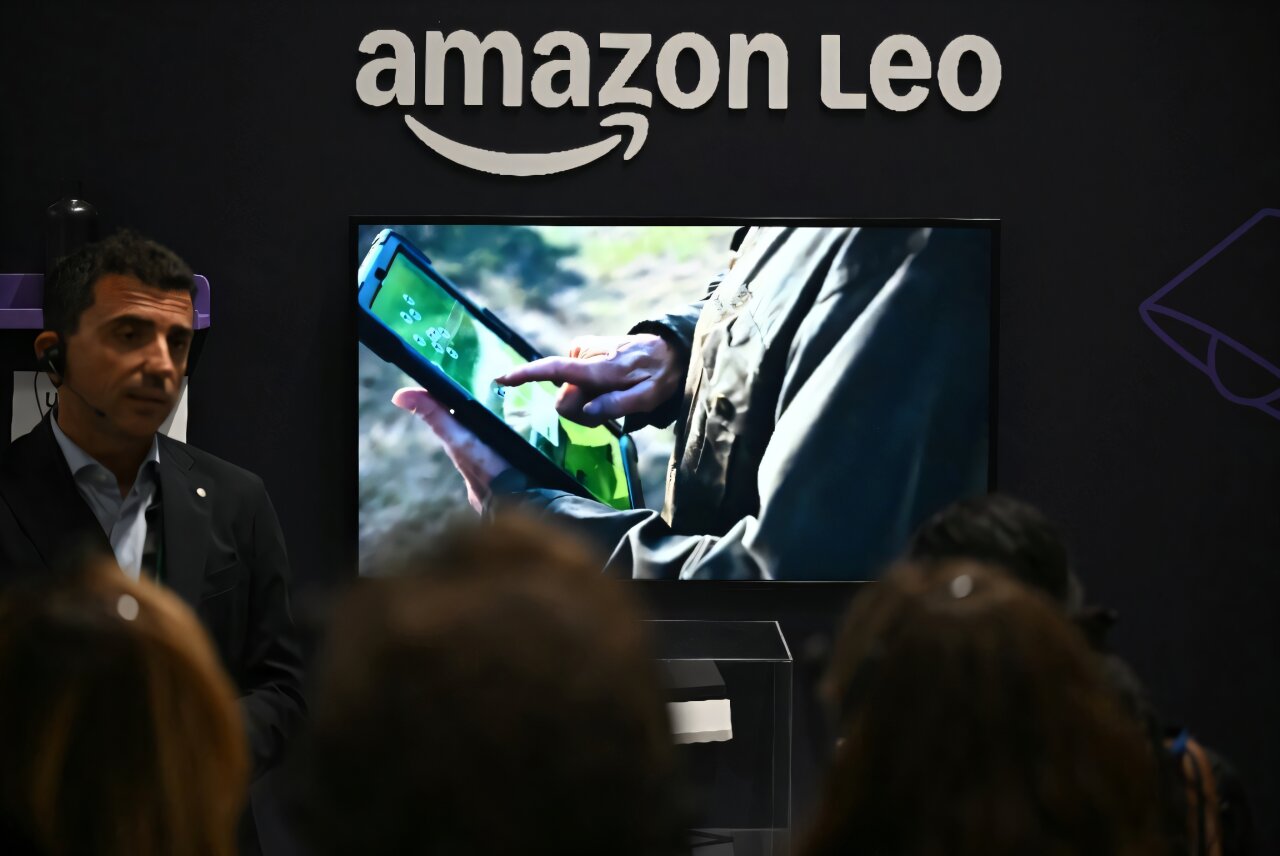
Amazon Leo, which has yet to begin commercial service anywhere in the world, now has a clearer route into the continent’s most industrialised economy than Starlink, the global market leader founded by a man born in the country.
The advantage did not come from overtaking Starlink in space. Amazon remains far behind in satellite numbers, customers and operational experience. It came from building a route to South African consumers on the ground.