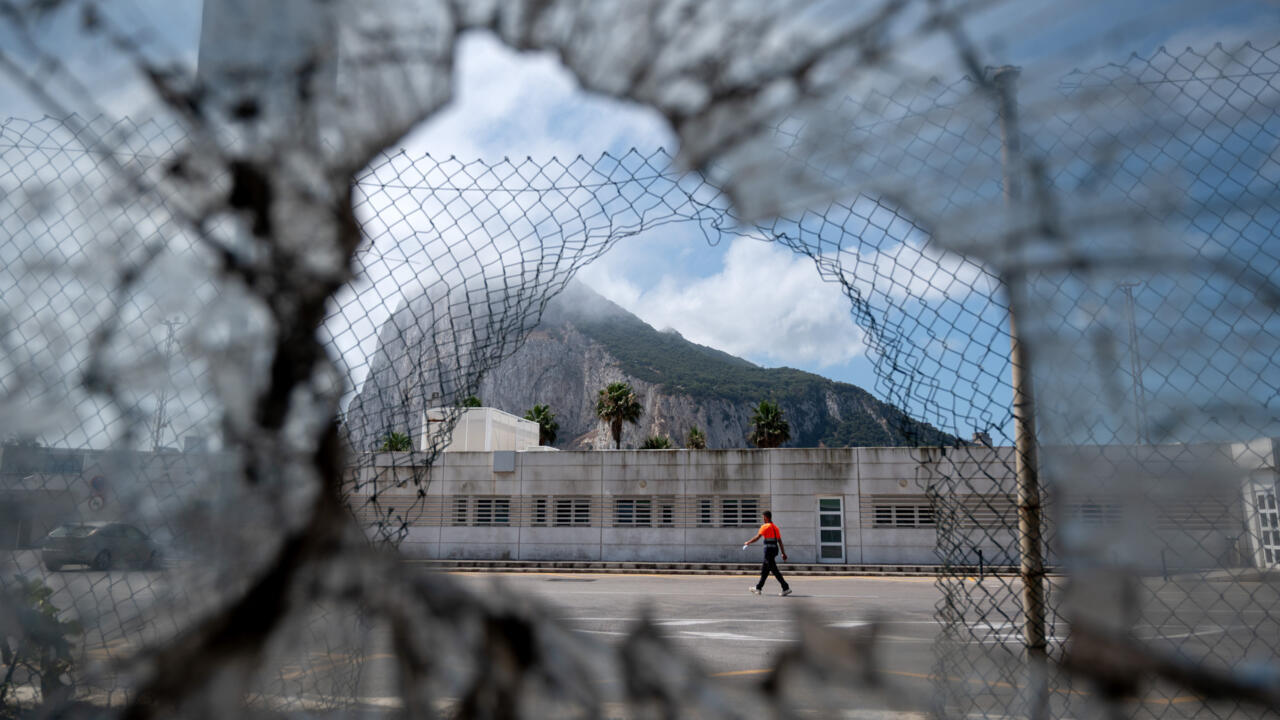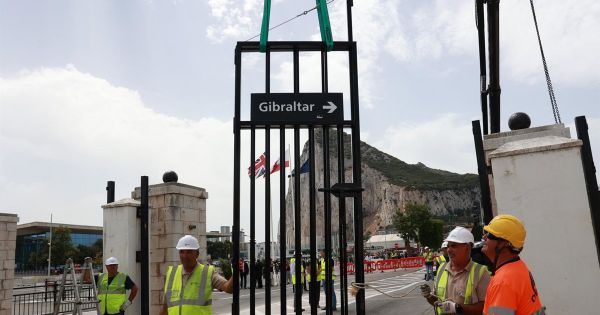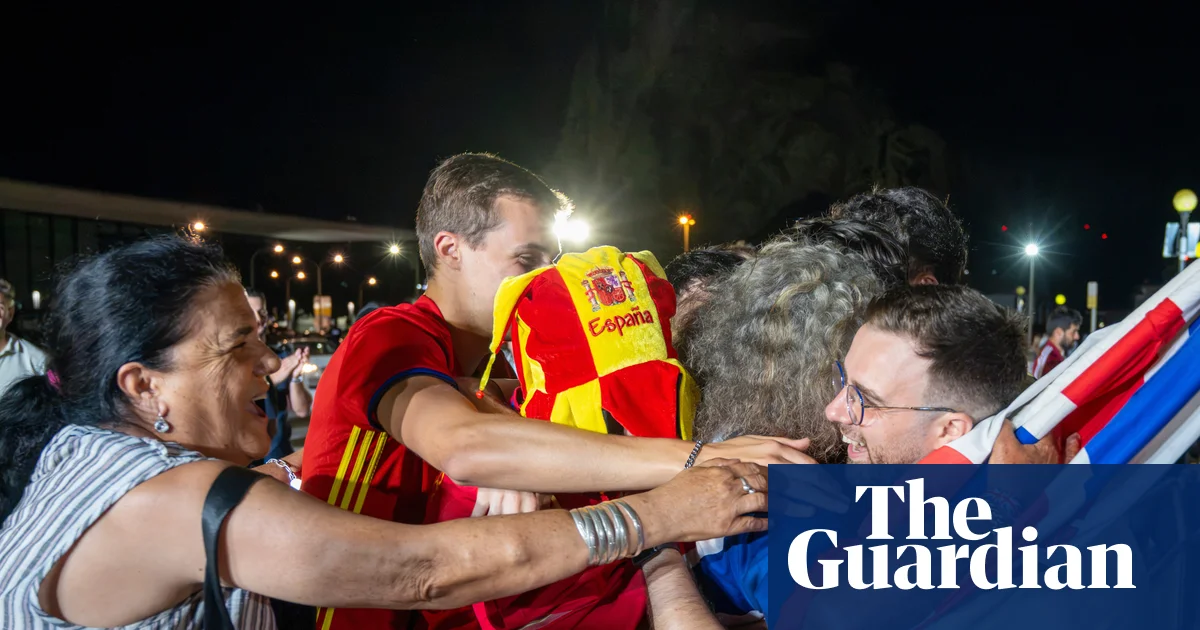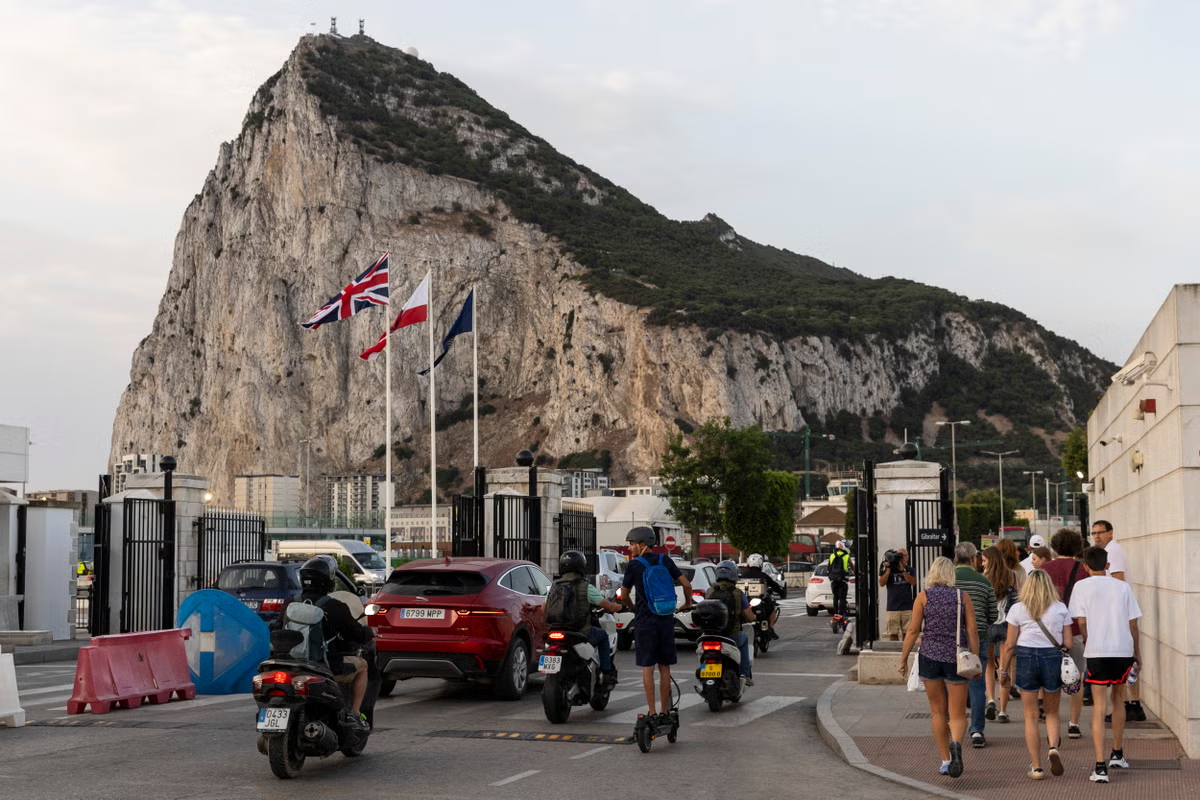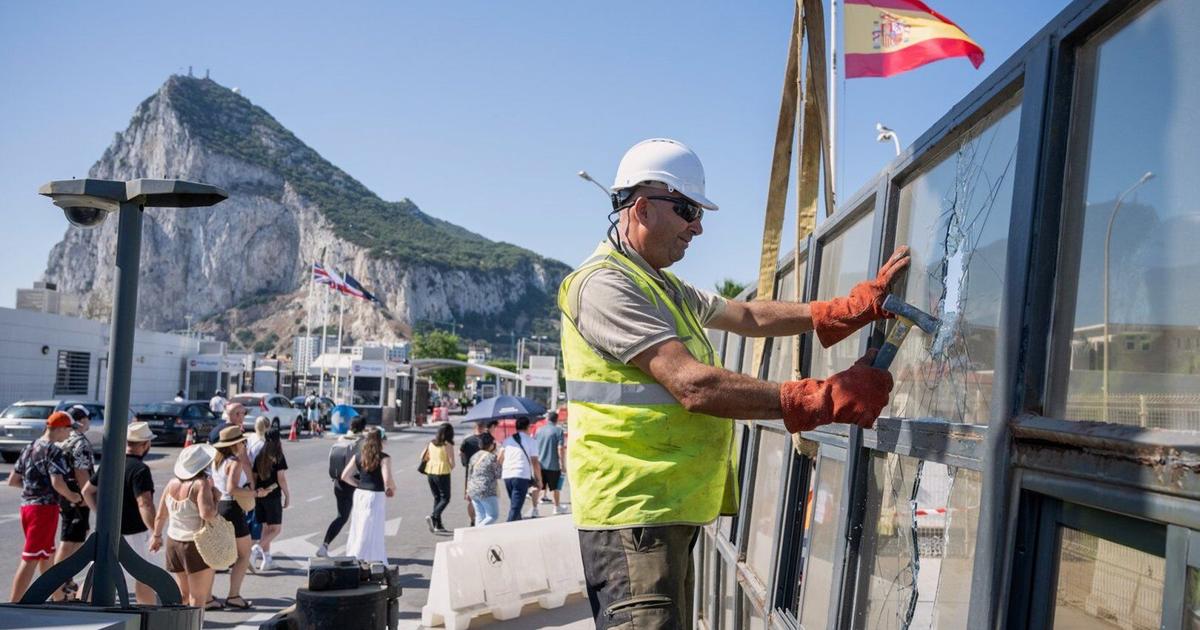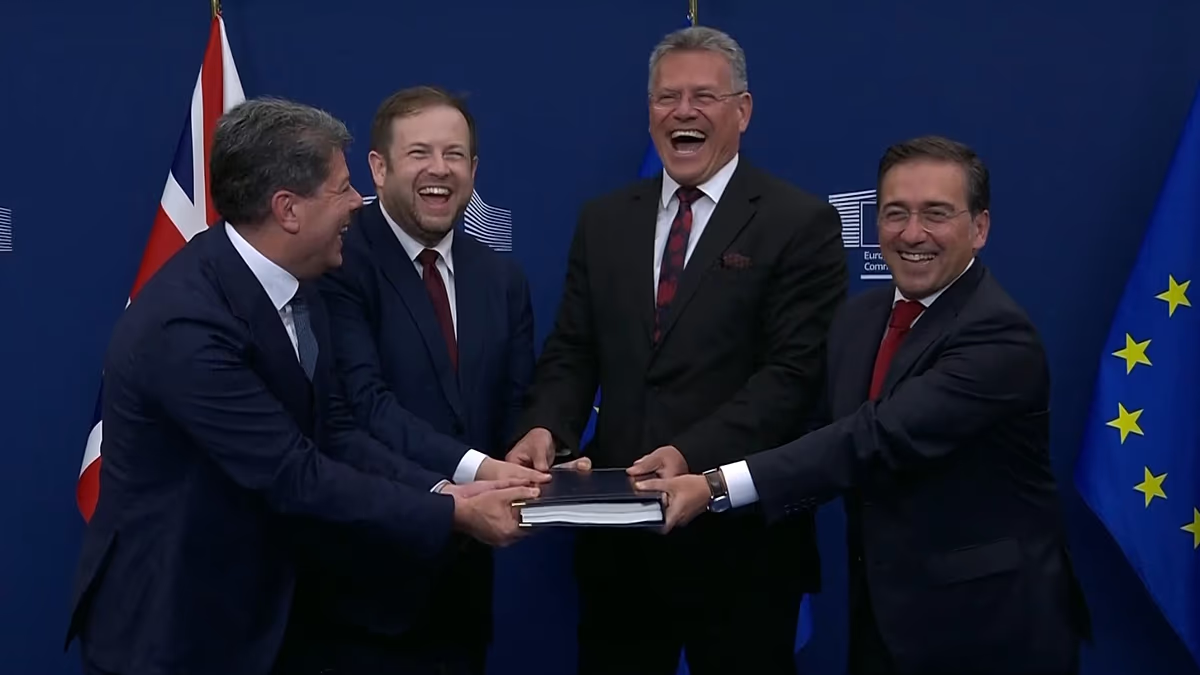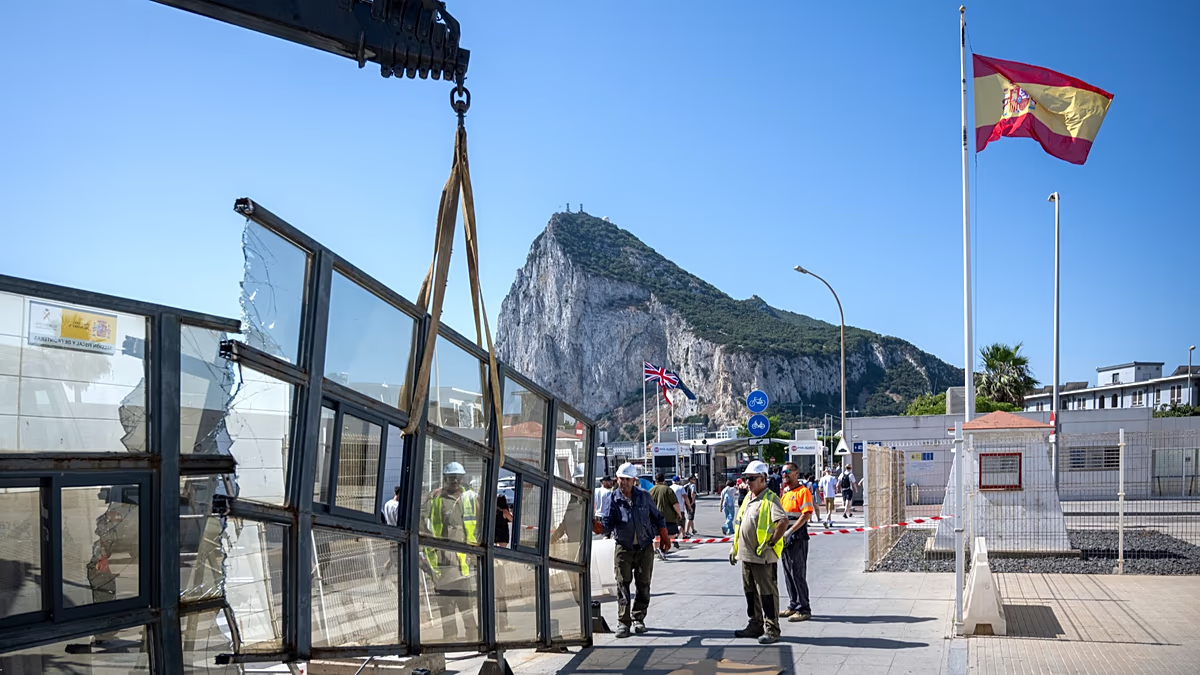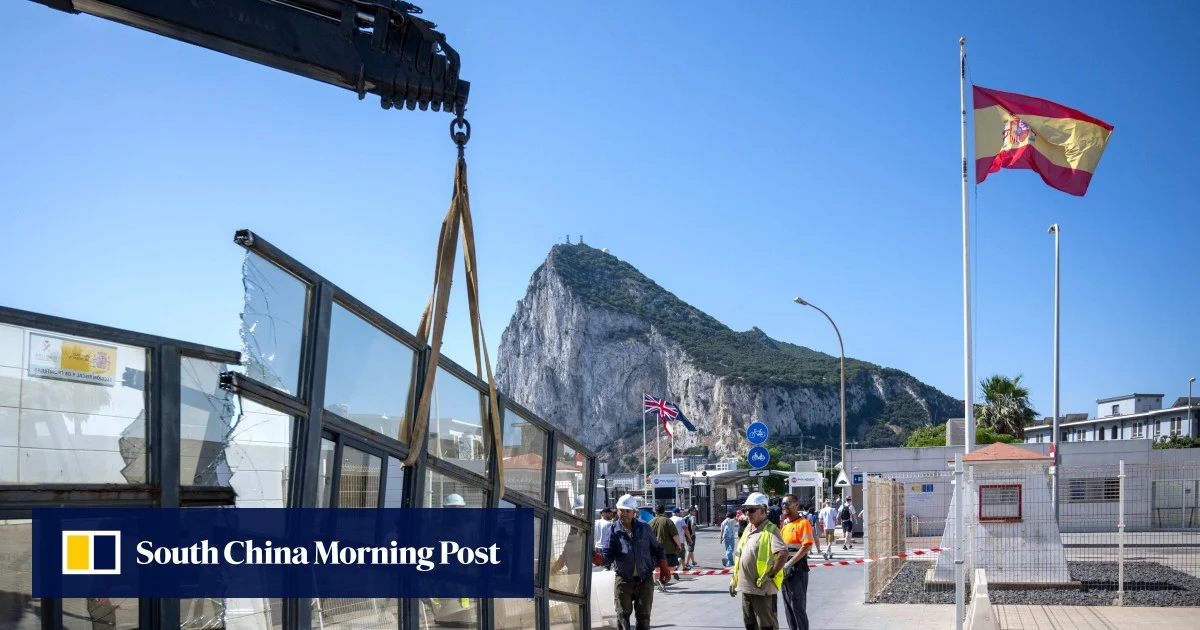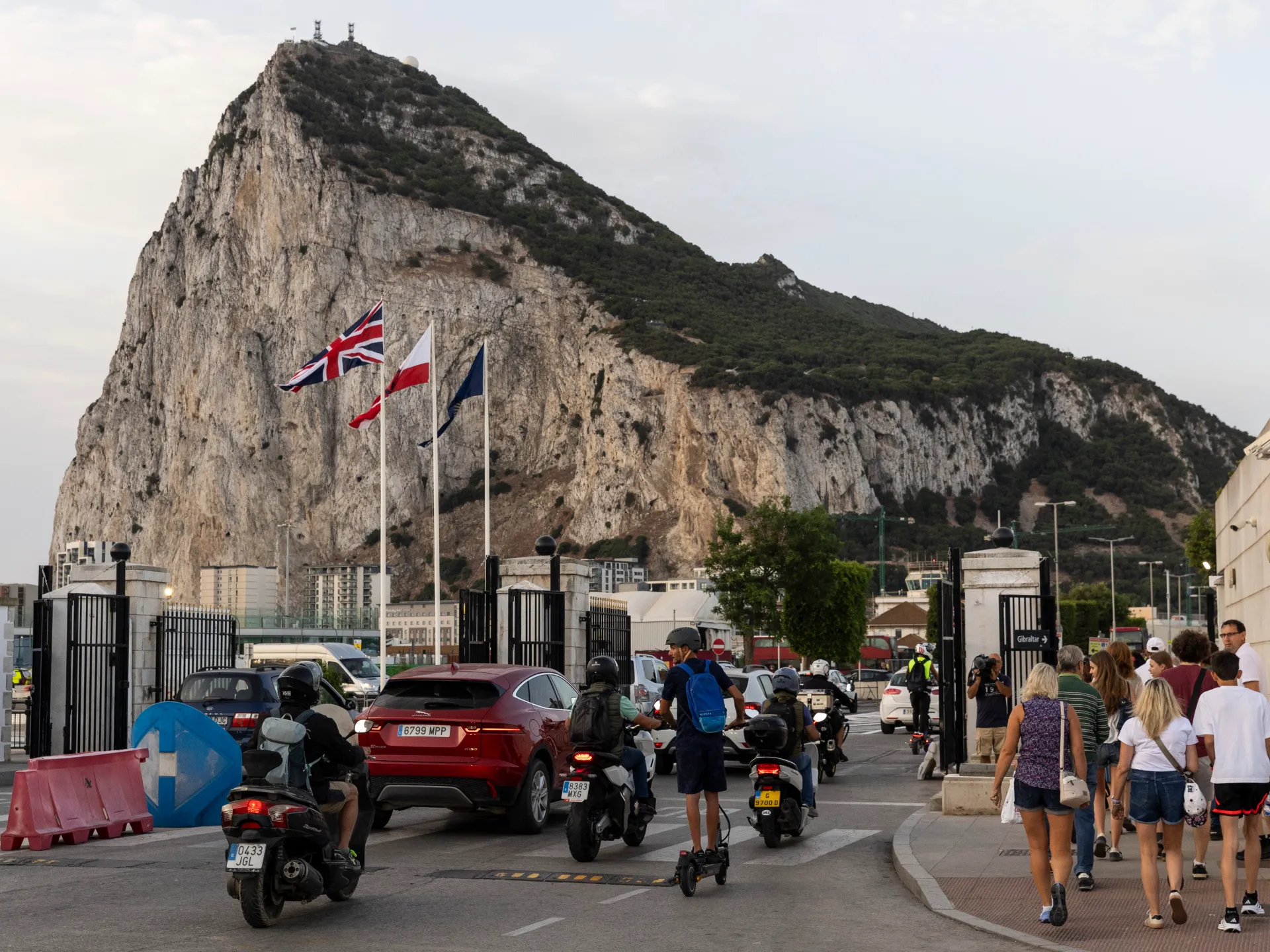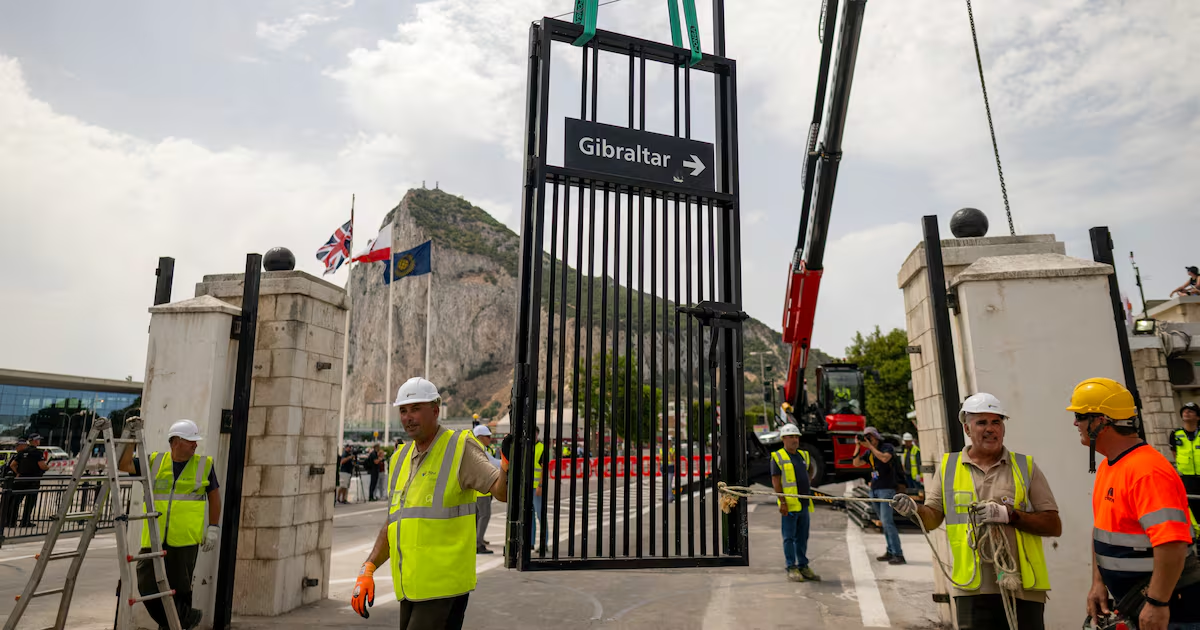
British critics of a treaty that removed the border between Gibraltar and Spain this week compare it to the Windsor Framework for Northern Ireland in ceding sovereignty to the European Union. In some ways, it goes further.Gibraltar may tumble?When the iron gates separating Gibraltar from Spain were lifted off their hinges on Wednesday, prime minister Pedro Sánchez watched from the Spanish side of the border while Gibraltar’s chief minister Fabian Picardo stood on the other side. Speaking afterwards with the Rock of Gibraltar behind him, Sánchez said the removal of the border fence represented the fall of the last wall of continental Europe.“Someone once said that borders are the scars of history, and they were probably right, because a scar speaks of a wound that existed but eventually closed,” he said. “A wall, on the other hand, is the conscious decision to keep that wound open.”The border opening followed the coming into force on Wednesday morning of a treaty between the EU and Britain on Gibraltar’s post-Brexit status that took years of negotiation between Brussels, London, Madrid and Gibraltar. It allows residents of Gibraltar and Spain to pass into each other’s territory using an identity card with no border checks but visitors to Gibraltar from outside will have to pass through a Schengen border at the airport or ferry port.A British colony since 1713 with a population of less than 40,000, Gibraltar became part of the Common Market when Britain joined in 1973 and in the 2016 Brexit referendum it voted Remain by a margin of 96 per cent to 4 per cent. The territory was not covered by the post-Brexit trade agreement, and Madrid, which disputes Britain’s claim over Gibraltar, initially demanded a veto over any arrangements about the colony’s future relationship with the EU.A few months after the Brexit vote, former Conservative leader Michael Howard led calls for a Falklands-style military taskforce to be sent to defend Gibraltar against Spanish claims. The subsequent negotiations were long and tortuous but they accelerated after the Socialists were in government in Madrid and Labour took power at Westminster.The most visible part of the deal, apart from the removal of the border fence, will be the new immigration system at Gibraltar’s airport and ferry port. Visitors will pass through two checks, one Gibraltarian and one for the EU in an area known as the Schengen shack and non-EU citizens, including the British, will face the notorious Entry/Exit System that has caused delays all over Europe in recent months.When it was inside the EU, Gibraltar remained outside the Common Agricultural Policy, the Common Fisheries Policy and the customs union and it was never required to levy VAT. The treaty that came into force this week creates a new customs union between Gibraltar and the EU, and it will not be part of the customs territory of Britain.Goods sold in Gibraltar will have to comply with EU standards and new European regulations will be adopted automatically. EU minimum excise duties will apply and Gibraltar will introduce a new transaction tax, the equivalent of VAT.Gibraltar’s politicians and businesses have welcomed the treaty, not least because it will save hours of waiting at the border for Gibraltarians and for the 15,000 people who come in from Spain to work every day and it creates new economic opportunities with the EU. Most MPs at Westminster agree but a rump of hardcore Brexiteers are unhappy, including former Conservative leader Iain Duncan Smith, who has been reprising his role as the bad fairy at every christening.“This arrangement will in future years be used as a model for weak negotiation. It will be a significant step in the stripping out of hundreds of years of British sovereignty,” he said.The other group of politicians complaining about the treaty are on the Spanish right, including the extremist Vox party who have described it as a betrayal of Spain because it does not demand the immediate return of Gibraltar from Britain.Please let me know what you think and send your comments, thoughts or suggestions for topics you would like to see covered to denis.globalbriefing@irishtimes.com
Gibraltar enters new era with Spain
Global Briefing: Treaty between the EU and Britain on territory’s post-Brexit status came into force on Wednesday
681 words~3 min read